
What is on this site
This site is for pork recipes—traditional, regional, and reinvented. Every dish here is built on technique, flavor, and a little storytelling. You’ll find methods for everything from slow-cooked classics to quick weeknight meals, with notes on when to improvise and when to stick to the rules.
The site is organised by cooking method, ingredient focus, and skill level. Some pages are for beginners; others assume you know your way around a knife or a smoker. The table below shows where to start depending on what you’re looking for.
| Where | What is there | Go here if |
|---|---|---|
| The Homepage | Latest recipes, trends, and featured dishes | You want to browse |
| Recipes by Method | Step-by-step guides for grilling, braising, smoking, etc. | You need a specific technique |
| Ingredient Guides | Deep dives into cuts of pork, spices, and pairings | You’re unsure what to cook |
| Tools & Gear | Recommendations for equipment and substitutes | You’re missing something in the kitchen |
How to read a page here
Every recipe page starts with a clear title, the total time needed, and the number of servings. The ingredients list is grouped by type (meat, aromatics, liquids) with quantities in standard US units unless noted. If a metric conversion is critical, it’s included in parentheses.
Steps are numbered and written in active voice—no passive ‘the pork should be seared.’ Timings are split into ‘active’ (you’re working) and ‘passive’ (you’re waiting). Bolded terms link to glossaries or related guides, and asterisks mark optional or advanced techniques.
Skip to the ‘Key Tips’ section if you’re short on time. It highlights the most common mistakes and pro moves. The ‘Make Ahead’ or ‘Leftovers’ notes appear at the end, so you can ignore them on your first read unless you’re planning.
When it does not work
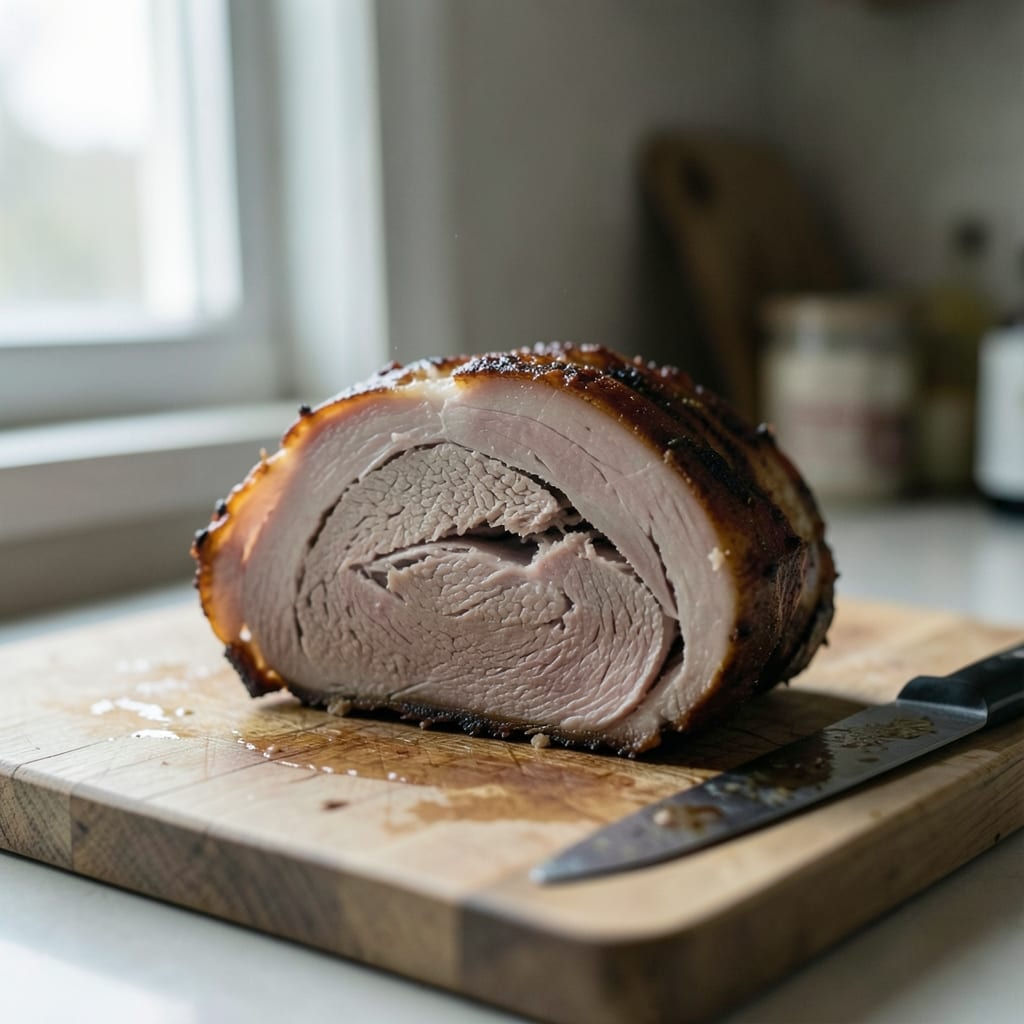
If a recipe fails, check the basics first: Did you misread the temperature or timing? Are your ingredients fresh? Pork varies by cut and source—what works for a bone-in shoulder might not suit tenderloin.
The site’s ‘Troubleshooting’ tab (under each recipe) lists fixes for common issues like dry meat or uneven cooking.
Before you give up
- Verify your oven/smoker thermometer is accurate (use an external probe if unsure)
- Confirm the pork cut matches the recipe’s requirements (ask a butcher if needed)
- Reread the ‘Key Tips’ section for adjustments based on your kitchen’s conditions
- Try the ‘Alternative Methods’ section if your equipment doesn’t match the original
Who we are

| The colophon | |
|---|---|
| Written by | Nolan Pappas, who tests every recipe in a home kitchen in Chicago, balancing family traditions with modern techniques |
| Tested in | A 1950s-era kitchen with a gas stove, cast-iron skillets, and a Weber Smokey Mountain cooker |
| Written with | A digital scale, a meat thermometer, and a spiral-bound notebook for scribbled notes |
| Learned from | My abuela, who taught me that salt is the first seasoning and patience the last |
| Still getting wrong | Estimating perfect pull temperatures for pulled pork—it’s always a guess until the last bite |
The best meals are the ones that surprise you. Whether it’s a dish that turns out richer than expected or a technique that clicks on the third try, cooking should feel like discovery. That’s why every recipe here is designed to adapt—so you can make it your own.
If you need something that is not here
This site covers pork-focused recipes, techniques, and troubleshooting. If you’re looking for non-pork dishes, regional specialties outside North America and East Asia, or advanced molecular gastronomy, you may need to look elsewhere.
For requests or questions about what’s missing, visit the contact page to let us know what you’d like to see next.
The recipes are grouped by category: Appetizers, Beverages, Breakfast & Brunch, Desserts, Main Courses and Salads.