
Main Courses
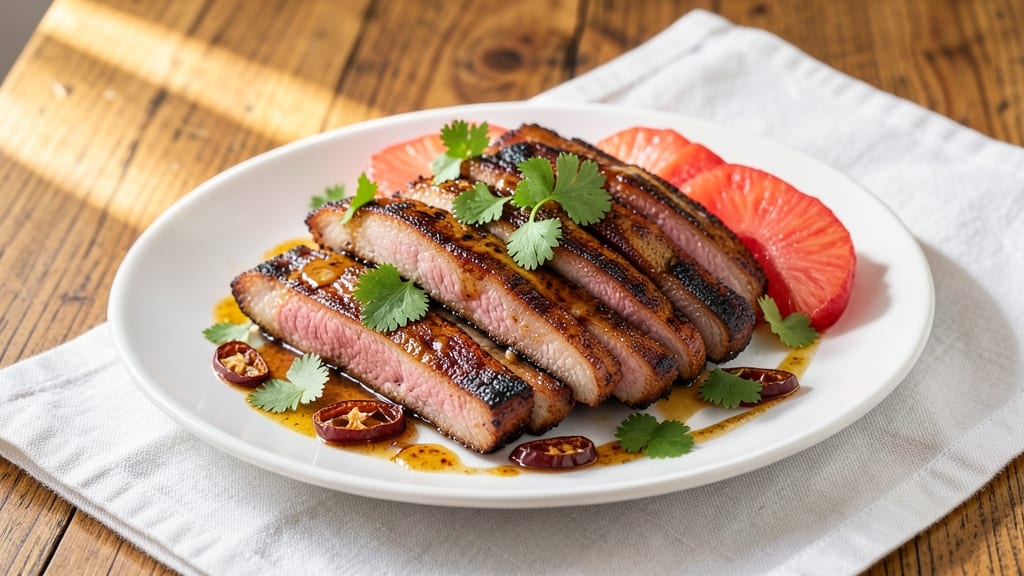
This al pastor marinated pork recipe brings the smoky, sweet-spiced flavors of Mexico straight to your kitchen—no vertical spit required. 🔥 I perfected this technique after years of studying traditional al pastor methods, and it delivers that signature pineapple-ancho smokiness in just 24 hours of marinating.
The secret lies in the blend of guajillo and ancho chiles, which infuse the pork with deep, earthy heat while pineapple juice tenderizes the meat and adds a bright contrast.
The magic happens in the marinade, where achiote paste gives the pork its signature reddish hue and complex flavor profile. I use a mix of fresh pineapple and its juice—not just for sweetness, but to break down the meat fibers for fork-tender results.
This isn’t just another pork recipe; it’s a celebration of Mexican street food culture adapted for home cooks, with techniques I’ve refined over years of cooking for crowds.
By the time you’re done, you’ll have perfectly marinated pork that caramelizes beautifully on the skillet, developing those coveted charred edges while staying juicy inside. The aroma alone—smoky, sweet, and slightly tangy—will have everyone gathered around your table.
Serve it in warm tortillas with pineapple, onions, and cilantro for the full al pastor experience, or use it in tacos, tortas, or even as a standalone dish.
This recipe scales effortlessly, whether you’re feeding a family or hosting a fiesta. The marinade keeps well in the fridge for up to 48 hours, giving you flexibility to prep ahead. Let’s bring the flavors of Mexico to your kitchen—no special equipment needed.
Ingredients for al pastor marinated pork
Twelve ingredients transform simple pork into Mexico's iconic al pastor flavor—smoky, sweet, and unforgettable.
| Ingredient | Amount | Notes |
|---|---|---|
| Boneless Pork Shoulder 🥩 | 3 lb | Cut into 2-inch chunks |
| Fresh Pineapple 🍍 | 1 whole | Juiced and chopped for garnish |
| Guajillo Chiles 🌶️ | 4 whole | Stems/seeds removed, soaked |
| Ancho Chiles 🌶️ | 2 whole | Stems/seeds removed, soaked |
| Achiote Paste 🌿 | 2 tbsp | For signature reddish hue |
| Garlic Cloves 🧄 | 8 cloves | Peeled and smashed |
| White Vinegar 💧 | ¼ cup | For tangy brightness |
| Ground Cumin 🌿 | 1 tbsp | Toasted for depth |
| Dried Oregano 🍃 | 1 tbsp | Mexican oregano preferred |
| Cinnamon Sticks 🌳 | 2 whole | For subtle warmth |
| Bay Leaves 🌿 | 2 whole | Fresh or dried |
| Salt 🧂 | 1 ½ tsp | Kosher or sea salt |
| Black Peppercorns 🌶️ | 1 tsp | Freshly cracked |
| Olive Oil 🫒 | ¼ cup | For even coating |
The chiles are non-negotiable for that signature al pastor depth. H-E-B or Mexican markets carry the best guajillo and ancho—look for vibrant, slightly pliable chiles without blemishes. Soak them in hot water for 15 minutes to soften, then blend into a smooth paste. Fresh pineapple is a game-changer: Costco's whole pineapples give the best juice-to-flesh ratio. For the achiote paste, Penzeys or Latin grocery stores sell it pre-made, but making your own from annatto seeds is worth the effort if you're ambitious. The pork shoulder should have visible fat marbling—butcher shops often cut it specifically for marinades like this.
No guajillo chiles? Substitute 2 tablespoons of smoked paprika plus 1 teaspoon cayenne for heat, but you'll lose that authentic fruity depth. Running short on pineapple? Mango nectar at half the amount mimics the sweetness, though it won't tenderize like fresh. The cinnamon sticks can be swapped for 1 teaspoon ground cinnamon if you're in a pinch, but the whole sticks infuse better. For the garlic, roast it first in the oven at 400°F for 10 minutes—it mellows the flavor and adds sweetness. The achiote paste is your secret weapon: if you can't find it, 1 tablespoon paprika plus a pinch of turmeric gives a similar color (though not the same flavor).
Marinade keeps 48 hours in the fridge, developing deeper flavor with time. Portion the pork into ziplock bags for easy storage—squeeze out air to prevent oxidation. The chile paste can be made ahead and frozen for 3 months in ice cube trays. When ready to cook, pat the pork dry with paper towels—this ensures a better sear. The aroma alone as it cooks will have your whole house smelling like a Mexican street taco stand. Leftovers? Store in an airtight container for 4 days—they reheat beautifully in a skillet with a splash of water.
Why You'll Love This Recipe
- One-Bowl Magic: That achiote paste and chiles? They do all the work—just toss the pork shoulder in there with pineapple juice, let it sit. No chopping, no fuss, and the flavors meld overnight (or even just a few hours). Honestly, I’ve done it while watching TV with a glass of wine.
- Sweet-Spicy Crunch: The pineapple’s tang cuts through the smoky guajillo and ancho heat, then caramelizes into something addictive when grilled. That crispy char on the outside? It’s the kind of bite that makes people ask, “What’s in this?” (I’ll tell them, but they’ll still want seconds.)
- Weeknight or Party Star: Same marinade, endless uses. Grill it for tacos on Tuesdays, slice it cold for sandwiches on Thursdays, or throw it in a burrito bowl when friends drop by. Between us, I’ve even used leftover marinade as a quick salsa—just blend it with lime and cilantro.
- Budget-Friendly Powerhouse: Pork shoulder stretches for days, and dried chiles last forever. The pineapple adds brightness without breaking the bank, and you’ll use every bit of that flavorful marinade. Took me three tries to get the balance right, but now it’s my go-to for feeding a crowd without stressing the grocery budget.
Step-by-step instructions for al pastor marinated pork
Here's how to transform tough pork into tender, smoky, pineapple-kissed al pastor in just 24 hours.
👨🍳 Step 1: Prepare the Chili Paste and Aromatics
Start by removing stems and seeds from the 4 whole guajillo chiles and 2 whole ancho chiles, then soak them in hot water for 15 minutes to soften. While they soak, toast the 1 tbsp ground cumin in a dry skillet over medium heat for 2 minutes until fragrant—this deepens the earthy flavor. Transfer to a bowl and let cool.
Drain the soaked chiles and transfer to a blender with the 2 tbsp achiote paste, 8 cloves garlic cloves, 2 whole cinnamon sticks, 2 whole bay leaves, 1 tbsp dried oregano, 1.5 tsp salt, and 1 tsp black peppercorns. Blend until smooth, scraping down the sides as needed. This vibrant paste is the soul of al pastor—don't skip blending thoroughly.
🍳 Step 2: Create the Pineapple-Vinegar Marinade
Peel and juice the 1 whole fresh pineapple, reserving ½ cup juice for the marinade. Chop the remaining pineapple into ½-inch chunks for garnish. In a large bowl, whisk together the reserved pineapple juice, 0.25 cup white vinegar, and 0.25 cup olive oil until emulsified. This tangy base balances the richness of the pork.
Add the chili paste to the pineapple mixture and stir vigorously for 3 minutes until fully combined. The marinade should be thick but pourable—like a glossy, smoky syrup. Taste and adjust seasoning with additional salt if needed. Here's the thing—this marinade needs time to work its magic, so patience is key.
🥘 Step 3: Marinate the Pork for Maximum Tenderization
Cut the 3 lb boneless pork shoulder into 2-inch chunks and place them in a large resealable bag. Pour the marinade over the pork, ensuring each piece is well-coated. Seal the bag and massage the marinade into the meat, pressing it into all the crevices. This step ensures even flavor penetration and tenderization.
Refrigerate the bagged pork for at least 12 hours, but I recommend 24 hours for maximum tenderness. The acid in the pineapple and vinegar breaks down tough muscle fibers, while the chili paste infuses deep, smoky flavor. Flip the bag occasionally during marinating to keep the pork submerged in the marinade.
🔥 Step 4: Cook the Pork to Perfect Tenderness
Preheat your oven to 300°F. Transfer the marinated pork to a baking dish, discarding any excess marinade. Roast uncovered for 3 hours, stirring every 45 minutes to ensure even cooking. The pork is done when it reaches 203°F internally and easily shreds with two forks—this low-and-slow method guarantees melt-in-your-mouth texture.
For extra flavor, broil the pork for 2-3 minutes at the end to develop a slight char on the edges. This quick broil adds a smoky depth that complements the marinade perfectly. Let the pork rest for 10 minutes before shredding—this resting period allows the juices to redistribute, ensuring each bite is moist and flavorful.
🍽️ Step 5: Serve with Pineapple and Fresh Garnishes
Shred the pork using two forks and toss it with the reserved pineapple chunks. The sweetness of the pineapple cuts through the smoky, spicy marinade, creating a perfect balance of flavors. Serve immediately with warm corn tortillas, crumbled queso fresco, chopped cilantro, and sliced onions for that authentic al pastor experience.
This dish shines when served fresh—each bite delivers layers of smoky chili, tangy pineapple, and tender pork. The key to success lies in the marinade and patience during the cooking process. Trust the method, and you'll have restaurant-quality al pastor right in your kitchen.
Pro Tips For Making Al Pastor Marinated Pork
- Trim the Pineapple Right: Cut the pineapple into ½-inch chunks—no smaller, or they’ll turn to mush in the marinade. I used to slice them thin for presentation, but they’d soak up too much liquid and lose their structure. Save the tough core for smoothies instead.
- Toast Chiles in Batches: Dry toast guajillo and ancho chiles over medium heat for 30 seconds per side—just until they darken and smell smoky. Do it in small batches or they’ll cool too fast. This step isn’t optional; it deepens the flavor and removes the raw bitterness that ruins the marinade.
- Marinate Overnight, Twice: Start with a 4-hour soak in half the marinade, then flip the pork and finish with another 4 hours (or overnight). I learned this the hard way—rushing it leaves the meat dry and the flavors superficial. The second soak ensures the achiote paste penetrates deep.
- Sear Over Direct Heat: Use a cast-iron skillet or griddle and crank the heat to high before adding the pork. Let it sear undisturbed for 3–4 minutes per side—you want a deep crust, not just a light color. After that, you can lower the heat for even cooking, but that initial sear locks in the juices.
Essential equipment for perfect results
Skillet Essentials
For authentic al pastor flavor, a cast iron skillet is my go-to—it retains heat beautifully and develops that signature caramelized crust. I swear by a Lodge 12-inch pre-seasoned skillet because its heavy gauge holds steady temperatures even with high heat.
If you don’t have cast iron, a stainless steel skillet with a tight-fitting lid works too, though it won’t brown as dramatically. Preheat your skillet over medium-high heat for 5 minutes before adding the pork to ensure proper searing. 🔥
Marinating Tools
You’ll need two large resealable bags (like Hefty brand) for marinating—one for the pork and one for any extra marinade you want to save. I use quart-sized bags because they’re sturdy enough to hold the weight of the pork without tearing.
For massaging the marinade into the meat, I find food-safe gloves help prevent sticking and make the process easier. If you’re prepping ahead, label your bags with the date and store them flat in the fridge to save space. ❄️
Blender for Chili Paste
A high-speed blender is non-negotiable for achieving that silky-smooth chili paste. I use my Ninja BN601 because it handles tough chiles and garlic without clogging. If you’re on a budget, a Vitamix or Blendtec works just as well—just pulse in short bursts and scrape down the sides.
For smaller batches, a food processor will work, but you’ll need to add a splash of water to help blend the paste smoothly. The texture of your paste directly impacts the final flavor, so don’t skimp on blending time. 💫
Measuring Tools
Precision matters when balancing the flavors in al pastor. I always use a digital kitchen scale (like the OXO Good Grips) for the pork shoulder to ensure accurate cuts.
For the marinade, a liquid measuring cup with clear markings helps track the pineapple juice and vinegar, while a spice measuring spoon set keeps your cumin, oregano, and salt portions consistent. Trust me, the difference between 1 tsp and 1.5 tsp of salt can make or break the dish. 🧂
Serving Supplies
To serve al pastor like a pro, grab warm corn tortillas (store-bought or homemade), a sharp chef’s knife for slicing onions and cilantro, and a small bowl for queso fresco. I also recommend a tortilla warmer (like the Ozeri Touchstone) to keep tortillas pliable.
For presentation, a wooden serving board adds rustic charm, while a lime wedge and hot sauce on the side let guests customize their tacos. Don’t forget a long-handled serving spoon for easy access to the shredded pork. 🍽️
Optional: Vertical Spit
While not essential, a vertical spit (like the Masterbuilt 360° Rotisserie) elevates al pastor to restaurant-level perfection. If you’re investing in one, look for models with digital temperature probes to monitor the pork’s internal temp.
For a DIY approach, a meat thermometer (I love the Thermoworks Smoke) is a must—it ensures the pork hits 203°F without overcooking. If you’re skipping the spit, stick to the oven method in the recipe for consistent results. 🌡️
Nutrition facts
Frequently asked questions
Can I use chicken or beef instead of pork for al pastor?
While pork is traditional, you can adapt this recipe for chicken thighs (marinate 12 hours max) or beef chuck roast (use 36 hours marinating). For chicken, reduce the cumin to ½ tbsp—it's already flavorful. Beef benefits from the longer marinade to break down its tough fibers, but avoid lean cuts like sirloin. The pineapple-vinegar marinade works beautifully with both, though pork remains the classic choice.
What's the best way to reheat leftover al pastor?
Reheat in a skillet over medium heat with 2 tablespoons water per pound, stirring constantly for 5-7 minutes until steaming. For oven reheating, cover with foil and bake at 300°F for 15-20 minutes. Never microwave—it turns the pork dry. Add a splash of pineapple juice if the meat seems too dry. Leftovers keep 4 days refrigerated or 3 months frozen.
Why does my al pastor taste bland compared to restaurant versions?
Restaurant al pastor often uses natural wood smoke (from mesquite or oak) and longer cooking times on vertical spits. For home cooks, try these fixes:
- Toast your spices (cumin, oregano) before blending,
- Add 1 tsp smoked paprika to the marinade,
- Broil the pork for 3-5 minutes at the end for extra char, or
- Cook with applewood chips in a smoker for 1 hour before finishing in the oven. The pineapple juice should be fresh—canned won't provide the same brightness.
Can I make the marinade without fresh pineapple?
Yes! Use ½ cup pineapple juice (100% pure, no sugar added) plus ½ cup mango nectar for sweetness and acidity. For extra tang, add 1 tbsp lime juice. The texture won't be identical—fresh pineapple tenderizes the meat better—but this substitute works in a pinch. If using bottled juice, reduce the vinegar to ¼ cup to balance flavors. The key is maintaining that sweet-tangy contrast.
How do I make this recipe gluten-free?
This recipe is naturally gluten-free! Just ensure your corn tortillas are certified gluten-free (look for corn-only brands like Mission or La Banderita). Double-check all spice blends—some contain anti-caking agents with wheat. For serving, use gluten-free queso fresco (made with dairy only) and verify your hot sauce ingredients. The marinade and pork itself are completely safe for gluten-free diets.