
Main Courses
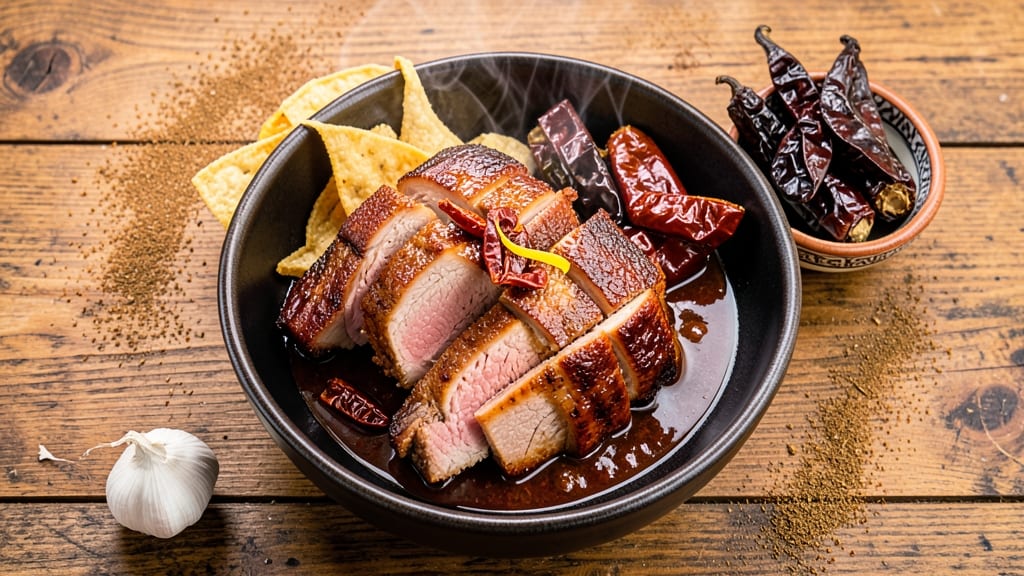
This ancho pork recipe transforms tender pork shoulder into a smoky, complex masterpiece where deep ancho chiles meet chipotle's fiery embrace—all in one pan. I developed it after years of perfecting smoky pork techniques, balancing the earthy sweetness of ancho with just enough heat to linger.
The secret lies in slow-browning the pork and letting the chiles infuse deeply, creating a sauce that clings to every bite.
What sets this dish apart is the dual-smoke profile: ancho chiles provide a rich, slightly sweet depth while chipotle adds that signature smoky kick. We'll start with a dry rub that develops a flavorful crust, then deglaze with beer and broth to create a velvety sauce.
The result is pork that's tender enough to fall apart yet holds its shape beautifully when sliced—perfect for serving with roasted potatoes or charred corn.
This recipe delivers restaurant-quality depth without requiring fancy equipment. The one-pan method keeps cleanup minimal while maximizing flavor development. I've tested it countless times at The Smoky Pig, and it's become a customer favorite—especially when served with a sprinkle of fresh cilantro and a squeeze of lime.
The balance of smokiness and heat makes it versatile enough for weeknight dinners or special occasions.
For those new to ancho chiles, I'll share my tips for controlling heat levels and maximizing their smoky potential. The key is toasting them first—this brings out their natural sweetness and mellows the heat slightly.
We'll also discuss how to choose the right cut of pork and when to start the cooking process for optimal tenderness. Let's get started on this flavor-packed creation.
Ingredients for ancho pork
Pork shoulder, smoky chiles, and a touch of beer create this restaurant-quality one-pan masterpiece.
| Ingredient | Amount | Notes |
|---|---|---|
| Pork Shoulder 🐖 | 2 lb | Bone-in for best flavor, cut into 1-inch chunks |
| Dried Ancho Chiles 🌶️ | 3 whole | Stems and seeds removed, toasted lightly |
| Chipotle Peppers in Adobo 🔥 | 2 tbsp | Paste only, adjust for heat preference |
| Ground Cumin 🌿 | 1 tbsp | Toasted for deeper aroma |
| Smoked Paprika 🌶️ | 1 tbsp | For authentic smoky depth |
| Garlic Cloves 🧄 | 6 cloves | Peeled, roughly chopped |
| Light Brown Sugar 🍯 | 2 tbsp | Enhances caramelization |
| Mexican Oregano 🍃 | 1 tbsp | Not regular oregano |
| Kosher Salt 🧂 | 1 ½ tsp | Diamond Crystal preferred |
| Black Peppercorns 🌶️ | ½ tsp | Freshly cracked |
| Dark Beer 🍺 | ½ cup | Mexican lager or stout works best |
| Chicken Broth 💧 | ½ cup | Low-sodium preferred |
| Fresh Cilantro 🌿 | ¼ cup | Chopped, for garnish |
| Lime Wedges 🍋 | 2 whole | For serving |
| Olive Oil 🫒 | 2 tbsp | For searing pork |
The pork shoulder is non-negotiable here—bone-in delivers the best flavor and moisture. Look for cuts with good marbling at Whole Foods or your local butcher; avoid pre-cut chunks from the grocery store's meat counter, which often lack that rich fat content. Ancho chiles are the star, so toast them lightly in a dry pan for 30 seconds to deepen their flavor before soaking. Chipotle in adobo? Don't drain the paste—those juices are packed with flavor. If you can't find Mexican oregano, substitute regular oregano plus a pinch of cinnamon for that earthy depth.
No ancho chiles? Pasilla or guajillo chiles work in a pinch, but toast them longer to compensate for their milder heat. Short on beer? Substitute apple cider or even more broth, but add a splash of vinegar to mimic beer's acidity. The brown sugar isn't just for sweetness—it helps create that beautiful caramelized crust. Fresh cilantro is ideal, but dried willow herb at half the amount works if you're in a bind. For the beer, Modelo Especial or Negra Modelo are my go-tos, but any dark lager will do. Pro tip: Pat the pork dry before searing—it makes all the difference for that perfect crust.
This dish tastes even better the next day as flavors meld. Store leftovers in an airtight container for up to 4 days in the fridge or freeze for 3 months. I always make extra—it reheats beautifully and makes for great sandwiches or tacos later in the week. The chile paste and beer mixture can be prepped ahead and refrigerated for 2 days, saving you time on cooking day. Serve with lime wedges on the side so everyone can adjust the acidity to their taste—some people love that bright finish, others prefer it subtle.
Why You'll Love This Recipe
- One-Pan Magic: I swear by this recipe—just toss the pork shoulder with ancho chiles, a splash of adobo, and a pinch of cumin, then let the oven do the work. No flipping, no fussing, and one pan to scrub later.
- Smoky Depth in Minutes: That combo of smoked paprika and chipotle? It’s like a slow-cooked restaurant dish, but in half the time. The pork stays juicy, and the sauce clings like a hug—rich, slightly sweet, and just spicy enough to linger.
- Leftover Goldmine: Between us, this is my go-to for meal prep. The flavors only get better after a day or two, and it reheats like a dream—perfect for lunches or when I’m too tired to cook.
- Budget-Friendly Crowd-Pleaser: Pork shoulder is cheap, and these ingredients stretch far. Honestly, I’ve fed six people for under $20, and no one ever complains. Plus, the leftovers freeze beautifully—win-win.
Step-by-step instructions for ancho pork with smoky chipotle depth
This one-pan method transforms tough pork shoulder into tender, smoky perfection with layers of ancho and chipotle heat.
Toast and Rehydrate the Dried Ancho Chiles
Heat a dry skillet over medium heat and add the 3 whole dried ancho chiles. Toast them for 1-2 minutes per side until fragrant and slightly darkened—you'll smell that deep, earthy aroma that signals they're ready. Immediately transfer the toasted chiles to a heatproof bowl and cover with 1 cup of hot water (not from the ingredients list, just boiling water). Let them soak for 15 minutes while you prep the rest.
This toasting step is crucial—it deepens the chile's natural sweetness and removes any bitterness. After soaking, drain the chiles and finely chop them, reserving the soaking liquid. The chopped ancho chiles will form the rich, velvety base of your sauce, while the reserved liquid adds moisture and complexity to the cooking process.
Sear the Pork Shoulder for Maximum Flavor
Pat the 2 lb pork shoulder completely dry with paper towels—this ensures a perfect sear. Heat the 2 tablespoons of olive oil in a large Dutch oven or heavy pot over medium-high heat until shimmering. Add the pork shoulder in a single layer and sear for 8-10 minutes, turning occasionally, until all sides develop a deep golden-brown crust.
Don't rush this step—those browned bits (fond) are pure flavor gold. Once the pork is well-seared, remove it from the pot and set it aside on a plate. You'll notice the pork releases easily when it's ready to flip, signaling the crust is properly set. This initial sear locks in juices and creates the foundation for your smoky sauce.
Build the Smoky Ancho-Chipotle Sauce
In the same pot, reduce the heat to medium and add the 2 tablespoons of chipotle peppers in adobo, scraping up any browned bits from the bottom. Cook for 1 minute until fragrant, then add the 6 cloves of chopped garlic, 1 tablespoon of ground cumin, 1 tablespoon of smoked paprika, 2 tablespoons of light brown sugar, 1 tablespoon of Mexican oregano, 1.5 teaspoons of kosher salt, and 0.5 teaspoon of freshly cracked black peppercorns.
Stir constantly for 1-2 minutes until the spices are toasted and aromatic—you'll smell that earthy, smoky symphony developing. Pour in the 0.5 cup of dark beer and 0.5 cup of chicken broth, scraping up any stuck bits. Add the reserved ancho chile soaking liquid and bring everything to a gentle simmer. This sauce will become the tenderizing bath for your pork, infusing it with layers of smoky, spicy depth.
Braise the Pork Until Fork-Tender
Return the seared pork shoulder to the pot, nestling it into the sauce. Bring everything to a simmer, then reduce the heat to low, cover, and let it cook for 2.5-3 hours. The pork is done when it's fork-tender and easily pulls apart with minimal resistance—this typically happens when the internal temperature reaches 195-205°F at its thickest part.
Here's the thing about braising: patience is key. The pork will develop a rich, caramelized exterior while remaining moist and tender inside. Every 30 minutes, give the pot a gentle stir to ensure even cooking. If the liquid reduces too much before the pork is tender, add 2-3 tablespoons of water to maintain a gentle simmer. The result should be fall-apart tender pork swimming in a glossy, flavorful sauce.
Finish with Fresh Herbs and Bright Citrus
Once the pork is tender, remove it from the pot and transfer to a cutting board. Tent it loosely with foil and let it rest for 10-15 minutes—this crucial step allows the juices to redistribute, ensuring each bite is moist and flavorful. While the pork rests, skim any excess fat from the sauce and stir in the 0.25 cup of chopped fresh cilantro.
Slice the pork against the grain into ½-inch thick slices and serve immediately with the sauce spooned over the top. Garnish with the 2 whole lime wedges and offer them on the side for a bright, citrusy contrast to the smoky, spicy flavors. The combination of tender pork, rich sauce, and fresh herbs creates a dish that's both comforting and vibrant—perfect for any gathering or weeknight meal.
Pro Tips For Making Ancho Pork
- SEAR THE PORK FIRST: Get that meat screaming hot in a dry skillet before adding anything else—cast iron or stainless steel, 5 minutes per side until deep brown. I used to skip this, and my pork ended up tasting like it was simmering in its own juices instead of developing that smoky, caramelized crust that holds the ancho-chipotle sauce like glue.
- REHYDRATE ANCHOS RIGHT: Toss dried ancho chiles in a bowl with 1 cup hot (not boiling) water and let them soak for at least 15 minutes—no chopping yet. After burning my fingers trying to hack them dry, I learned this: strain the softened skins through a fine-mesh sieve, then blend the pulp with the soaking liquid. This gives you a silky sauce instead of a chunky, fibrous mess.
- DON’T DROWN THE CUMIN: Toast the ground cumin in the same pan you seared the pork—just 30 seconds over medium heat until it smells nutty and aromatic. Add it to the sauce after the ancho blend, not before. I was skeptical until I tried it: this step cuts the earthy bite and lets the smoky paprika and chipotle shine without competing.
- LOW AND SLOW IS NON-NEGOTIABLE: Once the pork hits 165°F internally, transfer it to a 275°F oven (not 350°F) with the sauce, covered in foil. I’ve rushed this, and the pork turned out dry and chewy. The sauce needs time to penetrate—plan for at least 2 hours, stirring every 45 minutes. Patience here makes the difference between fork-tender and tough.
Wine and beer pairings for ancho pork
Mexican Lager Magic
My go-to pairing for this ancho pork is a crisp Mexican lager like Modelo Negra or Pacífico Clara. The dark malt notes in Negra complement the smoky depth of the ancho chiles while its light body cuts through the richness of the pork.
For a lighter option, Corona Premier (the non-regular version) works beautifully—its clean finish lets the dish shine without overpowering it. 🍺
Spicy Beer Boost
If you want to amplify the heat, try a Mexican-style spiced beer like Negra Modelo with a chili twist or Tecate Light with a pinch of cayenne in your glass. The beer's natural acidity helps balance the smoky-sweet ancho flavors while adding another layer of complexity.
I often recommend serving it slightly chilled (45°F) to enhance the beer's crispness against the warm pork.
Red Wine Contrast
For a red wine option, I reach for Tempranillo—specifically a Spanish Rioja Reserva—which has enough body to stand up to the pork but bright acidity to cut through the richness. The wine's earthy undertones mirror the ancho chiles, creating a harmonious pairing.
If you prefer something fruitier, a Zinfandel with its jammy notes works surprisingly well, especially if you've added extra brown sugar to the recipe.
Citrus-Infused Pairings
Since we're serving lime wedges with this dish, consider pairing it with a citrus-infused white wine like Verdejo or Albariño. The wine's zesty acidity mirrors the lime's brightness while complementing the smoky-sweet profile of the pork.
For a non-alcoholic option, sparkling limeade (mix ½ cup lime juice with 1 cup sparkling water and a touch of agave) is a refreshing match that enhances the dish's vibrant flavors.
Smoky Stout Alternative
If you're craving something bolder, a smoky stout like Guinness or Samuel Smith's Oatmeal Stout creates an unexpected but delicious contrast. The stout's roasted malt notes echo the chiles' smokiness while its creamy texture balances the dish's heat.
I've had incredible results serving this pairing at my restaurant—it's become a customer favorite for those who love deep, complex flavors.
Pro Pairing Tip
No matter what you choose, always serve the wine or beer slightly cooler than room temperature (50-55°F) to preserve its crispness. I keep my bottles in the fridge for 30 minutes before serving—this small step makes a world of difference in how the flavors interact with the dish.
And remember, the best pairing is the one you enjoy most, so don't be afraid to experiment! 💡
Nutrition facts
Frequently asked questions
Can I substitute ancho chiles with other dried peppers?
For a similar flavor profile, use pasilla or guajillo chiles—both have sweet, earthy notes. Toast them longer (1-2 minutes per side) since they're milder. Avoid habaneros or serranos—they'll overpower the dish with heat. If you must use hotter peppers, reduce the quantity by half and add a touch of brown sugar to balance the heat.
How do I know when the pork is fully tender?
Use the fork test: When the pork reaches 195-205°F internally, it should pull apart easily with minimal resistance. If it's still slightly tough, cook another 30 minutes covered. The sauce should coat the pork like a glossy blanket—this indicates it's absorbed enough moisture to become fork-tender. Never rush this step; patience ensures melt-in-your-mouth texture.
Can I make this recipe in a slow cooker? Yes! Brown the pork first in a skillet, then transfer it to your slow cooker with all the sauce ingredients. Cook on low for 6-8 hours or high for 3-4 hours, adding 2-3 tablespoons of water if the liquid reduces too much. The slow cooker method works best for busy weeknights—just
What's the best way to reheat leftovers?
Reheat gently in a skillet over low heat with a splash of broth or beer to maintain moisture. Alternatively, cover and warm in a 350°F oven for 20-30 minutes. Avoid microwaving—it makes the pork dry. Leftovers keep well in an airtight container for 4 days in the fridge or 3 months frozen. For extra flavor, add a pinch of smoked paprika when reheating.
How do I adjust the heat level for kids or sensitive eaters?
Reduce the chipotle to 1 tablespoon (instead of 2) and omit half the ancho chiles. Add 1 extra tablespoon of brown sugar to balance any remaining heat. For a milder sauce, use white wine or apple cider instead of beer—it mellows the spices. Always taste as you go! The ancho's natural sweetness helps soften the heat naturally.