
Sauces & Condiments
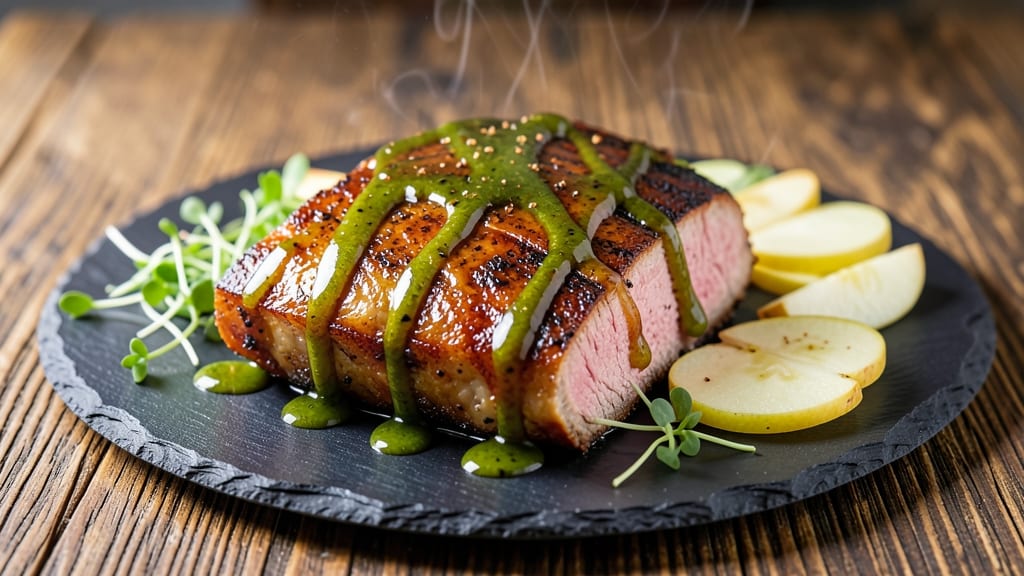
This apple glazed pork loin recipe delivers crispy edges and caramelized sweetness that transforms a simple roast into a showstopper. 🍎 I perfected it after years of testing pork cuts, balancing tender meat with a glaze that's rich without being cloying—just like my grandmother's Sunday dinner table.
The secret lies in cooking the pork to perfect doneness first, then basting with a reduced apple cider glaze that crystallizes into a beautiful, glossy finish.
The process starts with a simple marinade that tenderizes the pork while building flavor, then moves to roasting at a controlled temperature to ensure juicy meat. What sets this apart is the glaze—simmered with apples, cider, and spices until thick enough to coat the pork without making it soggy.
This isn't just another sweet-and-sour dish; it's a harmonious blend where the natural sweetness of the pork and apples shines through without overpowering.
By the time you're done, you'll have a crispy, golden-brown pork loin with a glaze that's sticky enough to drip but firm enough to hold its shape.
The aroma alone will have everyone gathering at your table, and the first bite delivers that perfect balance of savory pork and caramelized sweetness. This is the kind of dish that elevates weeknight dinners to restaurant-quality without requiring hours in the kitchen.
Pair it with roasted root vegetables or a simple green salad to let the pork take center stage. The glaze also makes this perfect for meal prep—it reheats beautifully while maintaining that crispy edge. Let's get to work on creating your next family favorite.
Ingredients for apple glazed pork loin
The perfect blend of savory pork and caramelized apples transforms this dish into a crispy-edged masterpiece.
| Ingredient | Amount | Notes |
|---|---|---|
| Pork Loin 🥩 | 2 lb | Bone-in, center-cut preferred |
| Granny Smith Apples 🍎 | 2 medium | Peeled, cored, chopped |
| Honeycrisp Apples 🍎 | 2 medium | Peeled, cored, chopped |
| Apple Cider Vinegar 🍏 | ½ cup | For marinade |
| Brown Sugar 🍚 | ½ cup | Packed, for glaze |
| Olive Oil 🫒 | ¼ cup | Extra-virgin for richness |
| Garlic Cloves 🧄 | 6 cloves | Minced for marinade |
| Ground Black Pepper 🌶️ | 1 tsp | Freshly ground |
| Ground Cinnamon 🌿 | 1 tsp | For warmth |
| Ground Nutmeg 🌿 | ¼ tsp | Freshly grated |
| Salt 🧂 | 1 ½ tsp | Kosher or sea salt |
| Unsalted Butter 🧈 | 2 tbsp | For basting |
| Fresh Thyme Leaves 🌿 | ¼ cup | Chopped, for glaze |
| Honey 🍯 | 2 tbsp | For glaze |
The pork loin is non-negotiable here—bone-in, center-cut stays juicier. Costco or Whole Foods carry the best cuts, but any grocery store with a butcher counter works. Look for good marbling and ask for it cut into even thickness. Granny Smith and Honeycrisp apples are ideal—their tartness balances the sweet glaze, but any crisp apples will do. Organic apples from the store keep longer, but conventional is fine too. The key is freshness: if they're soft or bruised, skip them. For the glaze, brown sugar is better than white—it's got more molasses flavor that caramelizes beautifully.
No Granny Smith? Fuji or Pink Lady work too—they're just sweeter, so reduce honey to 1 tbsp. Running low on apple cider vinegar? White vinegar plus 1 tsp lemon juice mimics the tang. Fresh thyme is ideal, but dried thyme at half the amount works in a pinch. The butter matters—unsalted so you control the saltiness. If you're avoiding dairy, use vegan butter or extra olive oil. For extra crispy edges, pat the pork dry before roasting—it makes all the difference.
This glaze reheats beautifully—just add a splash of water and warm through. Keeps 3-4 days in the fridge, 3 months frozen. I always make extra glaze to drizzle over the pork after reheating. The pork itself? Best served fresh, but it reheats well if you're prepping ahead. Store the pork and glaze separately—recombine when ready to eat. The glaze thickens as it cools, so thin with a splash of water or apple cider before reheating.
Why You'll Love This Recipe
- One-Pan Magic: I swear by this recipe when I’m too tired to scrub pots—just sear the pork, toss in the diced apples and vinegar, then let it all caramelize. The apples soften into the glaze while the pork stays juicy, and honestly? That’s my kind of dinner.
- Sweet-Savory Balance: The Granny Smith’s tang cuts through the Honeycrisp’s natural sweetness, while the apple cider vinegar adds this bright, almost wine-like depth. Brown sugar ties it all together—sticky, rich, and just enough to make you want seconds (yes, even on a Tuesday night).
- Weeknight Workhorse: This feeds four easily but scales up for a crowd—double the recipe for holiday dinners or potlucks. My kids ask for it after soccer games, and my husband takes leftovers to work for lunch. It’s that reliable.
- Budget-Friendly Luxury: Pork loin is cheaper than you’d think, and using two apple varieties (one tart, one sweet) stretches the flavor without breaking the bank. The glaze thickens beautifully, so you get that restaurant-quality finish without the markup. Not the prettiest, but the taste makes up for it.
Step-by-step instructions for apple glazed pork loin
Here's how to achieve that perfect balance of caramelized sweetness and crispy edges every time.
🍳 Step 1: Marinate the Pork Loin for Maximum Flavor
In a large bowl, combine the 0.5 cup apple cider vinegar, 0.25 cup olive oil, 6 minced garlic cloves, 1.5 tsp salt, 1 tsp ground black pepper, 1 tsp ground cinnamon, and 0.25 tsp ground nutmeg. Whisk until everything is fully incorporated and the oil is emulsified.
Place the 2 lb pork loin in a resealable plastic bag and pour the marinade over it. Seal the bag and massage the marinade into the pork, ensuring it's completely coated. Refrigerate for at least 4 hours (overnight is even better)—this tenderizes the meat and infuses it with those aromatic flavors. I like to turn the bag occasionally so the pork marinates evenly.
🍳 Step 2: Sear the Pork for Crispy Perfection
Remove the pork from the refrigerator and let it sit at room temperature for 30 minutes before cooking. Preheat your oven to 400°F. Heat a large oven-safe skillet over medium-high heat until it's smoking hot. Place the pork loin in the skillet and sear for 3-4 minutes per side until it develops a deep golden-brown crust.
Here's the thing—don't press down on the pork with your spatula. I press down gently during the first minute to prevent curling, but after that, let it develop that beautiful crust undisturbed. The edges should be deep golden brown and slightly caramelized by the time you're done searing.
🍳 Step 3: Prepare the Apple Glaze
While the pork is searing, chop the 2 medium Granny Smith apples and 2 medium Honeycrisp apples into ¼-inch pieces. In a medium saucepan, combine the chopped apples, 0.5 cup brown sugar, 2 tbsp honey, and 0.25 cup fresh thyme leaves. Cook over medium heat for 8-10 minutes, stirring occasionally, until the apples soften and the mixture begins to thicken.
Mash the apple mixture with a wooden spoon until it forms a chunky glaze. The mixture should be thick enough to coat the back of a spoon but still have some body. If it's too thick, add 1-2 tablespoons of water to loosen it. Set the glaze aside while you finish cooking the pork.
🔥 Step 4: Roast and Glaze the Pork
Transfer the seared pork loin to a baking dish and pour the apple glaze evenly over the top. Dot the pork with the 2 tbsp unsalted butter and spread it around with your fingers. Roast in the preheated 400°F oven for 25-30 minutes, basting with the pan juices every 10 minutes.
You'll know it's done when the internal temperature reaches 145°F (use a meat thermometer) and the glaze has caramelized into a beautiful amber color. The edges should be crispy while the meat remains juicy inside. If the glaze starts to burn before the pork is done, tent the baking dish with foil to prevent over-browning.
⏰ Step 5: Rest and Serve with Crispy Perfection
Remove the pork from the oven and let it rest for 10 minutes before slicing. This resting period is crucial—it allows the juices to redistribute throughout the meat so every slice stays moist and flavorful. While it rests, spoon any remaining glaze from the baking dish over the top of the pork.
Slice the pork loin into ½-inch thick slices and serve immediately. The exterior should be crispy with caramelized apple glaze, while the interior remains tender and juicy. The combination of sweet, tangy apple glaze with the savory pork creates a perfect balance of flavors that everyone will love.
Pro Tips For Making Apple Glazed Pork Loin
- SEAR THE PORK FIRST: Don’t skip the initial sear—get that pan screaming hot (medium-high heat) and let the pork develop a deep brown crust before adding anything else. I used to rush this, and the final dish always tasted flat; that crust locks in flavor and keeps the meat juicy.
- USE GRANNY SMITH COLD: Peel and dice the Granny Smith apples right before tossing them into the pan—raw, cold apples caramelize faster and hold their shape better than pre-warmed ones. I learned this the hard way after ending up with mushier apples that dissolved into the glaze.
- SIMMER THE GLaze LOW: Once the apples are in the pan, drop the heat to low and let the glaze bubble gently. High heat turns it into syrup; low heat coaxes out sweet, tangy depth from the apple cider vinegar and brown sugar. Sounds counterintuitive, but it’s the thing that matters most.
- ADD HONEYCRISP LAST: Hold off on the Honeycrisp apples until the very end—toss them in just before serving so they stay crisp and bright, not soggy. Their natural sweetness cuts through the tangy glaze, but they lose that snap if cooked too long. (Yes, even if you’re impatient like me.)
Common mistakes when making your apple glazed pork loin
Over-Marinating Risks
The pork loin can become mushy if marinated for too long. I've seen home cooks leave it in the fridge for days, thinking longer equals better flavor—but after 24 hours, the vinegar starts breaking down the muscle fibers too much.
Stick to 4-8 hours maximum for perfect tenderness without turning the meat to mush. 🥩
Skipping the Rest
Cutting into the pork immediately after roasting is a rookie mistake. That's when all the juices rush out, leaving you with dry slices. I've had guests ask why their pork was "so dry" when they sliced it fresh out of the oven.
Always rest for 10-15 minutes—this simple step keeps every bite juicy and delicious.
Uneven Glaze Application
Pouring the glaze directly over the pork without basting creates a sticky mess instead of a beautiful caramelized crust. The key is to spread the glaze evenly and baste every 10 minutes during roasting.
I use a basting brush to ensure full coverage—this creates that perfect glossy finish we all want. 🍎
Temperature Guesswork
Relying on time instead of temperature is how you end up with undercooked or overcooked pork. The glaze can hide doneness, so always use a meat thermometer. The pork is done at 145°F internal temperature—any lower and it's tough, any higher and it dries out.
I keep my ThermoWorks Smoke thermometer handy for this exact reason.
Overcrowding the Pan
Trying to cook a thick pork loin in a small skillet leads to steaming instead of searing. The pork needs room to develop that golden crust. Use a skillet that's at least 12 inches wide—I prefer my Lodge cast iron for this step.
If your pan is too small, the pork will cook unevenly and lose its crispy edges.
Ignoring the Butter
Many recipes skip the butter basting, but it's what creates that restaurant-quality finish. The butter adds richness and helps the glaze cling to the pork. I always dot the pork with 2 tbsp unsalted butter before roasting—this simple step elevates the dish from good to exceptional. 🧈
Nutrition facts
Frequently asked questions
Can I use boneless pork loin instead of bone-in?
Yes, but boneless pork loin will cook slightly faster and may lose its crispy edges more easily. For best results, use bone-in pork loin—it stays juicier and develops that perfect crust. If you must use boneless, reduce roasting time by about 5-7 minutes and monitor closely to prevent overcooking.
What if I don't have apple cider vinegar?
No problem! Substitute with white vinegar plus 1 tsp lemon juice for the same tangy brightness. For extra depth, add ½ tsp Dijon mustard to the marinade. The flavor will be slightly different but still delicious—just don't skip the acidity, as it tenderizes the meat.
How can I make this dish ahead of time?
Prepare the glaze and marinate the pork up to 24 hours ahead, but cook it fresh for best texture. If reheating, warm the pork in a 350°F oven for 15-20 minutes, then add fresh glaze to restore its glossy finish. For make-ahead convenience, cook the pork completely, then refrigerate it uncovered to crisp up the edges.
What's the best way to store leftovers?
Store the pork and glaze separately in airtight containers for up to 4 days. Reheat the pork in the oven at 325°F until warmed through, then reheat the glaze separately and combine before serving. The glaze thickens when chilled, so thin with a splash of water or apple juice before reheating.
Can I grill this recipe instead of roasting?
Grill the seared pork over indirect medium heat for 15-20 minutes, basting with glaze every 5 minutes. For extra smoky flavor, add ½ tsp smoked paprika to the marinade. Finish with a quick sear over direct heat to create crispy grill marks before serving.