
Sauces & Condiments
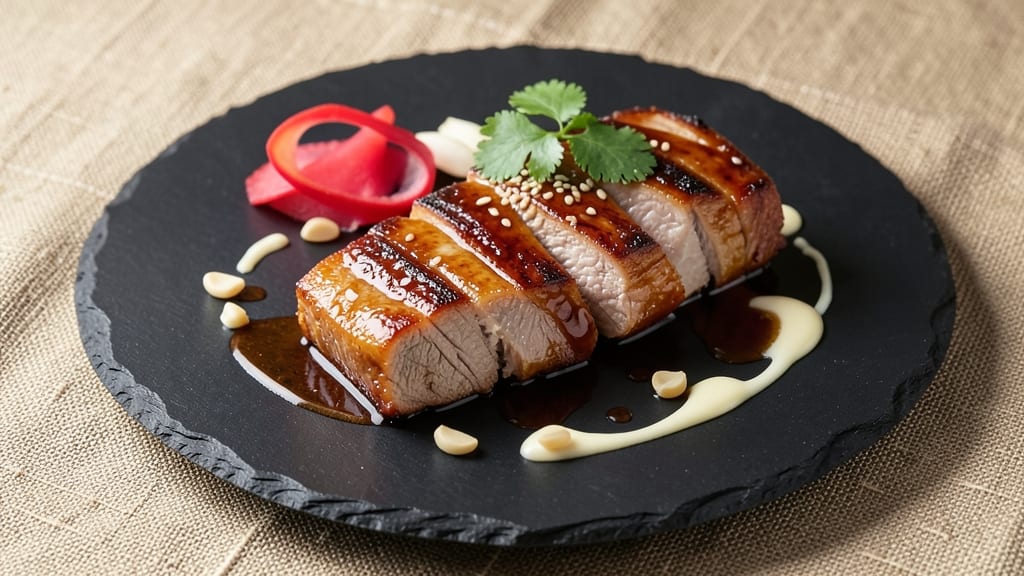
This Asian pork glaze recipe transforms ordinary meat into a restaurant-worthy masterpiece with just five ingredients and 15 minutes of active time. 🔥 The secret lies in the perfect balance of sweet, tangy, and umami flavors that create a glossy finish—ideal for grilled pork chops, ribs, or even dumplings.
I developed this glaze during a particularly busy week at The Smoky Pig when we needed to elevate simple cuts into something extraordinary without complicating the process.
The foundation starts with a simple honey-soy base, but it’s the addition of ginger, garlic, and a splash of rice vinegar that transforms this into something truly special.
What makes this glaze different is its versatility—it works equally well as a finishing sauce or a marinade, and it keeps beautifully in the fridge for up to two weeks. The key is simmering it just until it thickens slightly, creating that signature sticky-sweet consistency that clings perfectly to meat.
What you’ll end up with is a glaze that’s rich, aromatic, and packed with depth—each component plays a crucial role. The honey provides the sweetness, the soy adds umami, and the vinegar cuts through the richness, ensuring every bite is balanced.
This isn’t just a sauce; it’s a flavor multiplier that turns even the simplest pork into something unforgettable.
Use it to glaze grilled pork chops, brush over ribs during the last few minutes of cooking, or drizzle over dumplings for an instant upgrade. The possibilities are endless, and the best part? It’s ready in under 20 minutes, making it the perfect solution for weeknight dinners or last-minute entertaining.
Ingredients for asian pork glaze
Five ingredients create this restaurant-worthy glaze—simple yet explosive with flavor.
| Ingredient | Amount | Notes |
|---|---|---|
| Honey 🍯 | ½ cup | Raw preferred for deeper flavor |
| Light Soy Sauce 🥄 | ¼ cup | Kikkoman brand recommended |
| Fresh Ginger Root 🌿 | 2 tbsp | Finely grated, aromatic |
| Garlic Cloves 🧄 | 4 cloves | Minced for intense flavor |
| Rice Vinegar 🍶 | 1 tbsp | Seasoned preferred for balance |
| Sesame Oil 🫒 | 1 tbsp | Toasted for nutty aroma |
| Cornstarch 🌾 | 1 tsp | For thickening consistency |
| Water 💧 | 1 tbsp | Room temperature preferred |
The honey is your flavor anchor—Manuka or raw honey from Whole Foods adds depth, but any quality honey works. For soy sauce, Kikkoman is my go-to (it’s consistent), but Lee Kum Kee has a richer umami punch. Fresh ginger and garlic? Buy them whole—pre-minced loses potency fast. The rice vinegar should smell tangy, not stale. I grab mine from Trader Joe's—their seasoned version has just the right balance of sweet and sharp. Toasted sesame oil is non-negotiable for that nutty aroma—La Choy is my secret weapon here.
No honey? Maple syrup at half the amount works in a pinch, though it’ll be slightly less floral. Soy sauce substitute? Coconut aminos for a lighter option, but you’ll lose some depth. Fresh ginger too fibrous? Powdered ginger at one-third the amount, but it’s not the same. Garlic powder works but lacks complexity—minced fresh is worth the effort. The cornstarch slurry (mix with water) is key for that signature glossy finish. If you’re in a rush, arrowroot powder works too, but it thickens differently.
This glaze keeps for up to 2 weeks in the fridge, sealed tightly. For long-term storage, freeze in ice cube trays—perfect for single-use portions. Reheat gently in a small saucepan, adding a splash of water if it thickens too much. Pro tip: Brush over meat just before serving—the heat reactivates those flavors. If you make extra, freeze half immediately—it’s that good.
Why You'll Love This Recipe
- Pantry Magic: That jar of soy sauce and bottle of honey? Already in my cupboard. No last-minute grocery runs—just mix, simmer, and serve. Honestly, I’ve made this glaze with whatever I had on hand, and it still tastes like I slaved over it.
- Sweet-Savory Balance: The honey caramelizes into a glossy finish while the ginger and garlic add a zing that makes every bite sing. Between us, that crispy edge with the creamy center? It’s the kind of flavor that disappears too fast.
- Weeknight Superstar: Toss it on stir-fried pork, drizzle it over rice bowls, or slap it on grilled chicken—this glaze works for lunch, dinner, or even a lazy Sunday brunch. My daughter picks out the pork for her school lunches, and she’s never complained about the flavor.
- Leftovers That Don’t Suck: Make a double batch of the glaze and store it in the fridge for up to a month. It’s my secret weapon for quick weeknight meals when I’m too tired to chop fresh ginger. Plus, it’s cheaper than takeout and way healthier.
Step-by-step instructions for Asian pork glaze
This glaze delivers that perfect sticky-sweet balance every time—rich, aromatic, and ready to transform any pork dish.
🍳 Step 1: Bloom the Aromatics in Sesame Oil
Heat a small saucepan over medium-low heat and add the 1 tablespoon sesame oil. Let it warm for 30 seconds until fragrant—you should smell that nutty, toasted aroma. This is where the flavor foundation begins.
Add the 4 cloves minced garlic and 2 tablespoons finely grated fresh ginger root. Cook for 1-2 minutes until the garlic turns golden and the ginger loses its raw bite. Watch closely—ginger burns quickly, so keep the heat gentle. This step unlocks the glaze's depth of flavor.
🍳 Step 2: Combine Wet Ingredients
Pour in the 0.5 cup honey and 0.25 cup light soy sauce, stirring constantly to dissolve the honey completely. Add the 1 tablespoon rice vinegar and bring the mixture to a gentle simmer over medium heat. Let it bubble away for 3-4 minutes until slightly reduced.
The glaze should start to thicken slightly, and the aroma will become irresistibly complex—sweet with a salty, tangy edge. This is where the balance begins to form. If you notice any foam forming, skim it off to keep the glaze smooth.
🥘 Step 3: Thicken the Glaze
In a small bowl, whisk together the 1 teaspoon cornstarch and 1 tablespoon room-temperature water until completely dissolved. Slowly pour this slurry into the simmering glaze while stirring continuously. The mixture will thicken dramatically within 1-2 minutes—keep stirring to prevent clumping.
Here's the thing—you want the glaze to coat the back of a spoon but still be pourable. If it thickens too much, add 1 teaspoon water at a time until you reach the perfect consistency. The glaze should be glossy and cling to whatever you brush it on.
⏰ Step 4: Finish and Test
Remove the glaze from heat and let it cool slightly for 2 minutes. Taste and adjust seasoning—add a pinch more soy sauce if it needs saltiness or a touch more honey if it needs sweetness. The final glaze should taste complex: sweet, salty, tangy, and aromatic.
For best results, use the glaze immediately on grilled or roasted pork. Brush it on during the last 5-7 minutes of cooking for that signature caramelized stickiness. If storing, keep it in an airtight container in the fridge for up to 1 week—just reheat gently before using.
Pro Tips For Making Asian Pork Glaze
- Simmer Low and Slow: The glaze will burn faster than you think—especially with honey. Once you add the garlic and ginger, drop the heat to medium-low and let it bubble gently for at least 10 minutes. I learned this the hard way when my glaze turned into a sticky black mess instead of a glossy, caramelized sauce.
- Peel and Mince Ginger Properly: Skip the pre-grated jar—it’s waterlogged and dull. Use a microplane or knife to finely mince fresh ginger (about 2 tablespoons) so it dissolves smoothly into the sauce. Too many chunks? Strain it out later, but trust me, the effort makes a real difference in flavor.
- Balance Vinegar Gradually: Adding all the rice vinegar at once can make the glaze too sharp. Start with half, taste, then adjust—you can always add more later. My first batch was way too tangy because I followed the recipe blindly. Now I test as I go.
- Reduce the Glaze Right: Don’t rush the thickening process. Let the honey and soy sauce simmer uncovered for 8-10 minutes until it coats the back of a spoon. If it’s still runny, add a splash of water or a pinch of cornstarch slurry (yes, even in Asian recipes—it works). Patience here guarantees a sticky, restaurant-quality finish.
Perfect pairings for asian pork glaze
Grilled Pork Pairings
This glaze transforms simple grilled pork chops into something extraordinary. I love serving them with steamed jasmine rice—the mild, floral notes complement the glaze's bold flavors beautifully. For a heartier option, pair with garlic mashed potatoes and a side of quick-pickled cucumbers to cut through the richness. 🌟
For a full meal, add sautéed bok choy or stir-fried green beans—both absorb the glaze's sticky-sweet essence when tossed lightly. I often serve this with steamed dumplings at The Smoky Pig, where the glaze doubles as a dipping sauce. The contrast of textures makes every bite exciting.
Dinner Party Elevations
When entertaining, use this glaze on pork tenderloin or ribs for a showstopping centerpiece. Garnish with toasted sesame seeds and thinly sliced scallions for a pop of color. Serve with cucumber salad and warm naan—the combination feels both elegant and approachable. 🍽️
For a fusion twist, drizzle the glaze over seared scallops or grilled shrimp—the sweet-savory balance works surprisingly well with seafood. I once served it at a Charleston dinner party with seared tuna, and guests couldn’t believe how well the flavors married.
It’s a crowd-pleaser that feels special without being fussy.
Breakfast or Brunch
Don’t limit this glaze to dinner! Brush it over pork belly slices in a banh mi sandwich for a sweet-savory kick. Add quick-pickled carrots and jalapeño slices for a perfect balance. I also love drizzling it over scrambled eggs with crispy bacon—it’s a brunch game-changer. 🥓
For a lighter option, use it as a drizzle on pancakes or crepes with fresh berries. The honey-soy base caramelizes slightly when heated, adding a delicious depth to breakfast dishes. It’s a trick I picked up from a Vietnamese café in Atlanta—simple but unforgettable.
Global Flavor Twists
For a Korean-inspired version, add 1 tablespoon gochujang and 1 teaspoon sesame seeds to the glaze. The spicy-sweet combo pairs perfectly with bulgogi beef or grilled pork belly.
I’ve also adapted it for Thai flavors by adding 1 teaspoon fish sauce and ½ teaspoon chili flakes—it works beautifully with satay chicken. 🌶️
In Japan, this glaze would be elevated with mirin instead of rice vinegar and a touch of sake for depth. For a Vietnamese twist, swap the honey for coconut sugar and add lime zest. Each adaptation keeps the sticky-sweet essence while adding a new cultural layer.
Nutrition facts
Frequently asked questions
Can I make this glaze without honey?
Yes! For a vegan version, substitute honey with maple syrup (use half the amount) or agave nectar. For a lower-sugar option, try coconut sugar or date syrup. The key is maintaining that sticky-sweet balance—just taste as you go and adjust other flavors (like vinegar) to compensate.
How do I fix a glaze that's too thick or too thin?
If your glaze is too thick, thin it with 1 teaspoon water at a time while stirring constantly over low heat. For a thinner glaze, mix ½ teaspoon cornstarch with 1 teaspoon water and stir in slowly. The perfect consistency should coat the back of a spoon but still be pourable—like thin syrup.
Can I use this glaze on other meats besides pork?
This glaze works beautifully on chicken thighs, tofu, or even seafood like shrimp. For fish, reduce the soy sauce slightly (use ½ tablespoon less) to avoid overpowering the delicate flavor. The honey-soy base adapts well to most proteins—just adjust cooking times to prevent overcooking.
Why does my glaze taste too salty?
If your glaze tastes too salty, balance it with 1 teaspoon more honey or ½ teaspoon rice vinegar to cut through the saltiness. The vinegar also adds brightness. For a more dramatic fix, stir in 1 teaspoon grated apple or pear (it neutralizes salt naturally). Always taste as you go—this glaze is all about balance!
How do I store leftover glaze?
Store leftover glaze in an airtight container in the fridge for up to 2 weeks. For longer storage, freeze in ice cube trays—thaw and reheat in a small saucepan with 1 teaspoon water to restore consistency. Never freeze directly in the container, as it may crack. Reheat gently over low heat, stirring constantly.