
Main Courses
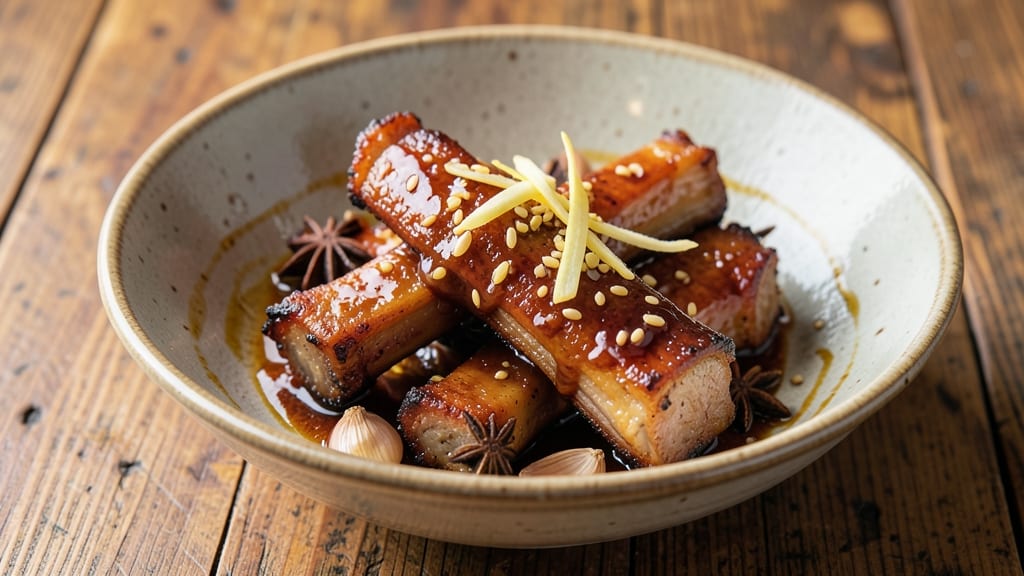
This Asian pork neck bones recipe transforms tough, flavorful cuts into meltingly tender shreds that fall apart at the touch. 🔥 Growing up in Georgia, I learned how slow-cooked pork becomes the heart of any meal—whether braised in soy and spices or simmered until the bones whisper their secrets.
The key lies in patience and technique, turning what many see as scraps into a dish worthy of celebration.
The process begins with a quick parboil to purge impurities, followed by a marinade of soy sauce, five-spice powder, and star anise that penetrates deep into the meat.
Then, it’s all about low-and-slow cooking—whether in a clay pot over coals or a modern slow cooker—until the collagen dissolves into a rich, velvety broth. This isn’t just a recipe; it’s a lesson in how time and temperature unlock flavors most cuts can’t deliver.
What you’ll end up with is a dish that’s restaurant-quality at home: tender enough to shred with a fork, infused with aromatic spices, and bathed in a sauce that’s perfect for dipping steamed rice or wrapping in lettuce leaves.
The texture is the star—each bite reveals layers of richness, from the pork’s natural fat to the caramelized edges that form during the final sear. This is comfort food elevated.
Serve with pickled vegetables for brightness, a side of kimchi for tang, or a simple cucumber salad to cut through the richness. The leftovers? Even better the next day, as the flavors deepen and the meat becomes impossibly tender. Let’s get cooking—your taste buds will thank you.
Ingredients for asian pork neck bones
Pantry staples meet Asian market finds—this is where magic happens with pork neck bones.
| Ingredient | Amount | Notes |
|---|---|---|
| Pork Neck Bones 🐷 | 2 lb | With meat still attached, cut into 2-inch pieces |
| Soy Sauce 🍶 | ½ cup | Kosher salt-free preferred |
| Five-Spice Powder 🌶️ | 1 tbsp | Store-bought or homemade blend |
| Star Anise Pods 🌟 | 2 whole | Whole, not ground |
| Garlic Cloves 🧄 | 6 cloves | Peeled, smashed |
| Fresh Ginger 🌿 | 2 tbsp | Grated, peeled |
| Brown Sugar 🍯 | ¼ cup | Light or dark |
| Sesame Oil 🫒 | 1 tbsp | Toasted, for finishing |
| Green Onions 🧅 | ¼ cup | Sliced, for garnish |
| Water 💧 | 2 cups | Or low-sodium chicken broth |
| White Wine 🍷 | ¼ cup | Dry, optional |
| Salt 🧂 | 1 tsp | Kosher or sea salt |
| Black Pepper 🌶️ | ½ tsp | Freshly ground |
Pork neck bones are the star, so don't skimp on quality. Ask your butcher for fresh cuts—they should smell clean, not funky, and have a good layer of fat. The fat is key for flavor and tenderness. If you can't find them fresh, Costco or Whole Foods usually stock them frozen. Look for pieces with meat still attached—those are the most flavorful. The bones themselves will add depth to the broth, but the meat is what you're really after for that melt-in-your-mouth texture. If you're using frozen, thaw them overnight in the fridge—never at room temperature.
No five-spice powder? Mix cinnamon, cloves, fennel, star anise, and Sichuan peppercorn yourself—it's easier than you think. Short on ginger? Substitute with 1 tbsp of ground ginger, but fresh is better. The soy sauce matters—Kikkoman or Pearl River Bridge are solid choices, but avoid low-sodium versions here. The white wine is optional but adds brightness—Sauvignon Blanc or Pinot Grigio work great. No wine? A splash of rice vinegar gets you close. The sesame oil should be toasted—Trader Joe's or Asian markets carry it, and it makes all the difference when finishing the dish.
This dish gets better with time, so plan ahead. The bones and broth keep well in the fridge for 4-5 days—reheat gently on the stove. For longer storage, freeze the broth in portions for up to 3 months. The pork shreds beautifully and reheats perfectly—double the batch if you can. Store the shredded meat separately from the broth if you want to use it in other dishes later. The leftovers are even more tender the next day, so make extra if you're serving a crowd.
Why You'll Love This Recipe
- One-Pot Magic: I swear by this recipe when I’m too tired to wash dishes. Toss the bones in a deep pan with garlic, star anise, and five-spice, then let the soy sauce work its magic—no flipping, no fuss. The bones practically fall off the bone by the end, and the pan’s left with a sticky, caramelized treasure.
- Flavor Bomb: That first bite? Sweet, smoky, and just a hint of warmth from the star anise—like a hug in sauce form. The five-spice powder adds depth without overpowering, while the garlic keeps it bright. It’s the kind of dish that makes you pause mid-bite and think, “Damn, I should’ve made more.”
- Weeknight Workhorse: I make this when I need to feed a crowd but don’t want to slave over the stove. Double the batch, serve it over rice for dinner, and reheat the leftovers for lunch—still tender, still packed with flavor. Honestly, it’s my go-to for game days, potlucks, or when my partner’s friends “just stop by.”
- Budget Game-Changer: Pork neck bones are cheap, and this recipe stretches them into something luxurious. A single bag feeds my family for days, and the leftovers? Even better the next day. Between us, I’ve turned this into my “I forgot to grocery shop” meal—just add bones, soy, and patience. No regrets.
Step-by-step instructions for Asian pork neck bones
Here's how to transform tough pork neck bones into fork-tender, flavor-packed shreds.
🔥 Step 1: Sear the Pork Neck Bones
Heat a large Dutch oven over medium-high heat until hot. Add the 2 lb pork neck bones in a single layer and sear for 3-4 minutes per side until deeply browned. This step builds the rich, caramelized foundation for your braise.
Don't crowd the pan—work in batches if needed. You want those bones to develop a deep, golden crust that'll dissolve into the sauce later. Once browned, remove the bones and set them aside on a plate.
🍳 Step 2: Build the Aromatic Base
In the same Dutch oven, add 1 tbsp five-spice powder and toast for 30 seconds until fragrant. Add the 6 smashed garlic cloves and 2 tbsp grated fresh ginger, cooking for another 1 minute until the garlic turns golden.
Here's where the magic happens: pour in the 0.5 cup soy sauce and 0.25 cup white wine (if using), scraping up all those browned bits from the bottom. Let it simmer for 2 minutes until the alcohol smell disappears. This deglazing step captures all the flavor you just seared into the pan.
🥘 Step 3: Simmer the Bones with Spices
Return the seared pork neck bones to the pot. Add the 2 whole star anise pods, 2 cups water, 0.25 cup brown sugar, 1 tsp salt, and 0.5 tsp black pepper. Bring to a gentle simmer over medium-low heat.
Now comes the long game: cover the pot and simmer for 2-2.5 hours until the meat is fork-tender and pulls apart easily. You'll know it's ready when the bones separate cleanly from the meat and the sauce has thickened into a glossy glaze. Keep the heat low to prevent boiling—you want a gentle simmer that coaxes out the collagen.
⏰ Step 4: Finish and Garnish
Once tender, remove the pork neck bones and shred the meat using two forks. Return the shredded meat to the pot and stir in 1 tbsp toasted sesame oil. Taste and adjust seasoning if needed—you might want a touch more soy sauce for saltiness or brown sugar for sweetness.
Ladle the pork and sauce into bowls, garnishing each serving with 0.25 cup sliced green onions. The bones should be completely tender, falling apart at the touch, with a rich sauce that clings beautifully. Serve immediately over steamed rice for the full experience—each bite delivers perfect balance of sweet, salty, and umami flavors.
Pro Tips For Making Asian Pork Neck Bones
- BLANCH FIRST, SEAR LATER: Start by blanching the pork neck bones in boiling water for 5 minutes—this loosens the connective tissue and keeps them from turning into rubber. After draining, pat them thoroughly dry before searing; I learned this the hard way when my bones absorbed too much oil and ended up greasy instead of caramelized.
- CRUSH STAR ANISE GENTLY: Whole star anise pods add depth, but if you’re short on time, crush them lightly with the side of a knife—just enough to release their aroma without turning them into powder. Too fine a grind and you’ll end up with a bitter, overpowering flavor. (I used to overdo it and regretted it.)
- LOW AND SLOW WINS: After the initial sear, drop the heat to 275°F (135°C) and let those bones braise for at least 2.5 hours—yes, even if the recipe says 2. The extra 30 minutes makes the collagen render into a silky, fall-apart texture. I’ve rushed this and gotten tough, chewy bones every time.
- SALT THE SOY SAUCE: Add a pinch of salt to your soy sauce before using it—commercial soy sauce is already salty, and you don’t want to overpower the five-spice and star anise flavors. A half-teaspoon per cup of soy sauce does the trick without making the dish taste like a salt lick. (Trust me, you’ll taste the difference.)
Wine and beer pairings for this recipe
Rice Wine Pairings
For this dish, I always reach for dry Chinese Shaoxing wine—it’s the classic choice for braised pork in Chinese cuisine. The wine’s nutty, slightly floral notes complement the five-spice and soy sauce beautifully, adding depth without overpowering.
Use ½ cup in place of the white wine called for in the recipe—it’s a game-changer for authenticity. If Shaoxing is unavailable, Mirin (a sweet Japanese rice wine) works as a substitute, though it adds a touch of sweetness. 🍶
Light Beer Options
A crisp Japanese lager like Sapporo or Asahi cuts through the richness of the pork while enhancing its umami. The clean, slightly malty profile balances the dish’s sweet-savory sauce. For a local twist, try a wheat beer—its citrusy notes brighten the meal.
Avoid heavy stouts or IPAs, which can clash with the delicate flavors. Serve chilled to contrast the warm pork. 🍺
Dry White Wine
If you prefer white wine, opt for a dry Riesling or Sauvignon Blanc—both have enough acidity to cleanse your palate between bites. The crisp, mineral notes of Riesling pair particularly well with the pork’s caramelized edges.
Avoid oaky Chardonnays, as they’ll compete with the dish’s natural richness. A ½ cup of wine in the braising liquid adds brightness that elevates the sauce. 🍷
Non-Alcoholic Substitutes
Skip the alcohol entirely? No problem. Use ½ cup apple cider vinegar or rice vinegar to mimic acidity, then add 1 tbsp brown sugar to balance. For a neutral base, substitute with extra chicken broth—just reduce it by ¼ cup to maintain the right sauce consistency.
The dish will still shine, though the depth of flavor may be slightly less complex. 💧
Serving Suggestion
Pair your pork with steamed jasmine rice to soak up every last drop of that velvety sauce. For contrast, serve with pickled vegetables—think daikon or cucumber—to cut through the richness.
A side of stir-fried bok choy adds freshness, while steamed dumplings make for a satisfying handheld bite. The key is balance: rich, tangy, and crisp all at once. ✨
Nutrition facts
Frequently asked questions
Why do pork neck bones need to be seared first?
Searing creates a flavorful crust called the Maillard reaction, which deepens the umami notes in your dish. This step locks in moisture while building a rich foundation for the braising liquid. Without it, your pork would lack that caramelized depth that makes Asian-style braises so irresistible.
Can I use frozen pork neck bones instead of fresh?
Yes, but thaw them completely in the refrigerator overnight first. Never use room-temperature thawing, as it promotes bacterial growth. Frozen bones work just as well once properly thawed—they'll release the same tender, flavorful meat when cooked low and slow.
What's the secret to getting the pork truly tender?
Low-and-slow cooking is key—simmering at 190-200°F for 2-2.5 hours breaks down collagen into gelatin, creating that melt-in-your-mouth texture. The bones should separate easily from the meat when done. Patience here makes all the difference!
Can I make this recipe in a slow cooker?
Brown the bones first, then transfer everything to your slow cooker and cook on low for 6-8 hours or high for 4-5 hours. The slow cooker's gentle heat works perfectly for tenderizing the meat. Just stir occasionally and add a splash of water if needed to prevent drying out.
What if my pork isn't tender enough after cooking?
Don't rush it—return the pot to low heat with ½ cup extra broth or water and simmer uncovered for another 30-45 minutes. The extra liquid helps break down remaining collagen. If it's still tough, try shredding it coarser and serving it in tacos or noodles where texture matters less.