
Sauces & Condiments
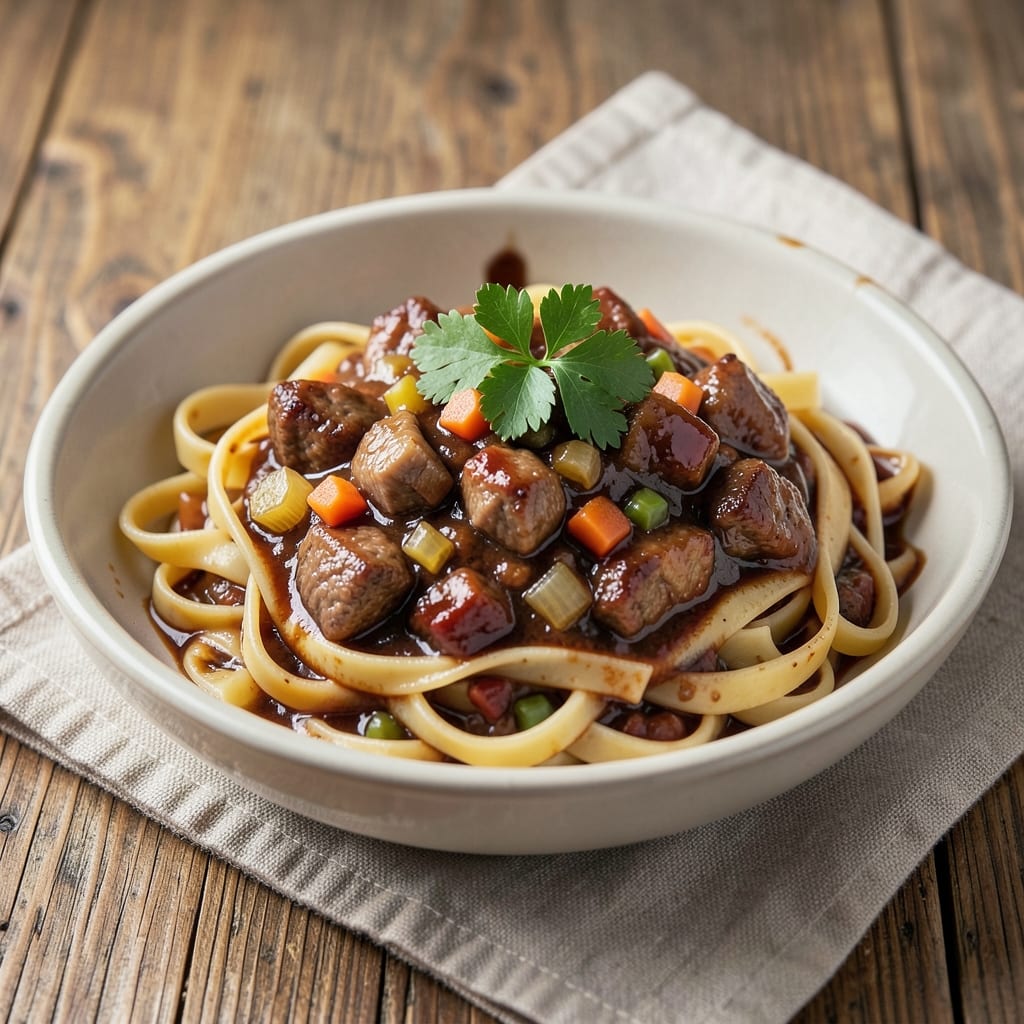
This beef and pork Bolognese sauce recipe delivers restaurant-quality depth with just one pot and 4 hours of hands-off simmering time. The combination of ground beef and pork creates a rich, umami-packed sauce that builds layers of flavor through slow reduction—no shortcuts, just pure, concentrated taste. I developed this version after years of perfecting the balance between meaty intensity and tomato brightness, ensuring every spoonful carries that deep, savory punch.
The secret lies in proper browning and a three-stage cooking process: first searing the meat to develop deep flavors, then deglazing with wine to lift those browned bits, and finally simmering with tomatoes and aromatics until the sauce thickens to velvety perfection. This isn't your grandmother's quick sauce—it's a labor of love that transforms simple ingredients into something extraordinary, with just the right amount of acidity from tomatoes and brightness from herbs.
What makes this sauce truly versatile is how it elevates any dish it touches. Use it as a pasta topping, layer it between lasagna sheets, or serve it over polenta for a hearty main course. The texture becomes silky yet substantial, clinging to every bite while delivering that unmistakable Bolognese richness that makes it worth the wait. Once you taste this version, store-bought sauces will never measure up again.
For maximum flavor development, let the sauce sit overnight before using—this allows the ingredients to meld even further. The long simmer also makes it freezer-friendly for up to 3 months, so you can build a pantry staple that turns any meal into an Italian feast. Ready to create a sauce that'll impress even the most discerning palates?
Ingredients for beef and pork bolognese sauce
Fourteen ingredients, four hours of hands-off magic. This is the sauce that transforms simple pantry staples into restaurant-worthy richness.
| Ingredient | Amount | Notes |
|---|---|---|
| Ground Beef (Chuck) 🥩 | 1 ½ lb | 80% lean for rich flavor |
| Ground Pork 🐖 | ½ lb | Freshly ground preferred |
| Onion (Yellow) 🧅 | 1 whole | Finely diced, about 2 cups |
| Carrot 🥕 | 1 whole | Finely diced, about 1 cup |
| Celery (Stalk) 🌿 | 2 whole | Finely diced, about 1 cup |
| Garlic Cloves 🧄 | 4 cloves | Minced, not pre-minced |
| Dry Red Wine 🍷 | ½ cup | Bold Cabernet or Merlot |
| Canned San Marzano Tomatoes 🍅 | 28 oz | Crushed or whole, no salt added |
| Tomato Paste 🍅 | 2 tbsp | Squeeze tube preferred |
| Extra-Virgin Olive Oil 🫒 | ½ cup | For searing and finishing |
| Fresh Thyme Sprigs 🌿 | 2 whole | Leaves only, about 2 tbsp |
| Fresh Rosemary 🌿 | 1 tbsp | Finely chopped leaves |
| Bay Leaves 🌿 | 2 whole | Remove before serving |
| Kosher Salt 🧂 | 1 ½ tsp | Diamond Crystal preferred |
| Freshly Ground Black Pepper 🌶️ | ½ tsp | Adjust to taste |
| Whole Milk 🥛 | ¼ cup | For velvety finish |
The meat combo is non-negotiable—ground chuck for deep flavor and ground pork for fat that renders beautifully. Grab them from the butcher counter if possible; pre-packaged blends often contain fillers. Look for 80% lean beef to balance richness and texture. The San Marzano tomatoes are worth the splurge—they're sweeter, meatier, and less acidic than regular canned tomatoes. Trader Joe's and Whole Foods carry them year-round, or check the Italian section at Costco for bulk prices. Fresh herbs? Farmers markets have the brightest thyme and rosemary—use them within a week for peak flavor.
No red wine? Dry vermouth or beef broth with a splash of balsamic works in a pinch. Swapping pork for Italian sausage adds smokiness but watch the fat content. The tomato paste can be replaced with extra tomato sauce if you're short, but reduce the total liquid by 2 tbsp to maintain balance. Fresh herbs wilt fast—dried thyme at one-third the amount is fine, but fresh rosemary is a game-changer. For extra umami, add 1 tsp fish sauce (vegetarians, skip this) or 1 tbsp soy sauce—trust me, it disappears into the sauce. The milk at the end isn't optional; it's what turns this from good to velvety perfection.
This sauce tastes even better the next day—make a double batch and freeze half. Store leftovers in the fridge for 5-6 days or freeze for 3 months in airtight containers. For reheating, warm over low heat with a splash of water or milk to restore richness. The sauce thickens as it cools, so thin with a little milk or water if needed. Portion into ice cube trays for perfect single-use servings—just pop out what you need and toss into pasta water for instant flavor.
Why You'll Love This Recipe
- One-Pot Magic: I swear by this recipe when I’m too tired to dirty extra dishes. Brown the beef and pork together, toss in the diced onion, carrot, and celery—no chopping like a pro, just rough dice—and let it simmer. That’s it. The sauce thickens right there, rich and deep without a single pan to scrub afterward.
- Meat Love Duo: Between us, chuck beef and pork is a flavor powerhouse. The beef gives that deep, savory backbone, while the pork adds a subtle sweetness that makes every bite irresistible. Honestly, I’ve tried single-meat bolognese, but this combo? It’s the whole package—no compromises.
- Leftover Goldmine: This sauce tastes better the next day—yes, really. I make a double batch on Sundays, freeze half, and pull it out for lazy nights or when company drops by. The flavors meld even more overnight, and reheating it? Just add a splash of water, stir, and you’re golden.
- Budget-Friendly Luxury: You’re getting two types of meat for the price of one, plus the veggies stretch it further than any other sauce I’ve tried. That yellow onion, carrot, and celery? They’re the unsung heroes—softening into the sauce and adding natural sweetness without breaking the bank. My wallet and taste buds both win.
Step-by-step instructions for beef and pork Bolognese sauce
This rich, umami-packed sauce builds layer by layer—let's create something restaurant-worthy.
Sear the Meat for Deep Flavor
Heat a large Dutch oven over medium-high heat. Add the 1.5 lb ground beef (chuck) and 0.5 lb ground pork and break it apart with a wooden spoon. Cook undisturbed for 5-6 minutes until the meat loses its raw color and begins to brown deeply. This initial sear develops the rich, meaty foundation.
Once browned, push the meat to one side of the pot and add 2 tablespoons tomato paste. Stir for 30 seconds to toast the paste—this enhances its sweetness and deepens the sauce's complexity. The paste will darken slightly as it cooks down, creating a beautiful mahogany base.
Sauté the Vegetable Base
Add the finely diced onion (yellow), carrot, and celery (stalk) to the Dutch oven. Stir well to combine with the meat and tomato paste. Cook over medium heat for 8-10 minutes until the vegetables soften and the mixture releases moisture that evaporates, leaving behind concentrated flavor.
When the vegetables are tender, add the minced garlic cloves and cook for another 1 minute until fragrant. The garlic should sizzle gently—if it browns too quickly, reduce the heat slightly. This aromatic step builds the sauce's depth, creating that classic Italian flavor profile we're after.
Deglaze and Simmer with Wine
Pour in the 0.5 cup dry red wine and scrape up all the browned bits from the bottom of the pot. These flavorful fond bits are called sugo in Italian cooking—they're pure umami gold. Let the wine simmer for 3-4 minutes until it reduces by half and the alcohol cooks off, leaving behind concentrated wine flavor.
Add the 28 oz canned San Marzano tomatoes (crushed or whole), breaking them up with your spoon. Stir in the 2 whole fresh thyme sprigs (leaves only), 1 tablespoon fresh rosemary (finely chopped), and 2 whole bay leaves. Season with 1.5 teaspoons kosher salt and 0.5 teaspoon freshly ground black pepper. Bring to a gentle simmer.
Slow Cook for Maximum Depth
Reduce heat to low and let the sauce simmer uncovered for 1.5 to 2 hours. Stir occasionally to prevent sticking, but don't over-stir—this helps develop the sauce's texture. You're looking for a reduction where the sauce thickens to a rich, velvety consistency with visible oil sheen on top.
After 1 hour, taste and adjust seasoning—you may need to add a pinch more salt or pepper. The sauce should be rich but not overly salty. If it's too thick, add 2-3 tablespoons water to loosen it slightly. The longer it simmers, the more complex the flavors become.
Finish with Olive Oil and Milk
Once the sauce has reduced sufficiently, remove the thyme sprigs and bay leaves. Stir in the 0.5 cup extra-virgin olive oil and 0.25 cup whole milk. The olive oil adds richness while the milk creates that signature velvety texture that makes this Bolognese so special. Simmer for another 5 minutes to let the flavors meld.
Taste one final time and adjust seasoning if needed. The sauce should be rich, slightly sweet from the tomatoes, with deep umami from the meat and wine. Serve immediately over your choice of pasta or use it as a filling for lasagna. This sauce tastes even better the next day as the flavors continue to develop!
Pro Tips For Making Beef And Pork Bolognese Sauce
- Sear the Meat Properly: The first 3 minutes in the pan aren’t just about browning—they’re about flavor. Use medium-high heat and break the meat into chunks before it cooks, not after. I learned this the hard way when my sauce tasted bland because the meat just steamed instead of developed a crust.
- Salt the Meat Twice: Add half the salt when you first break up the raw meat, then sprinkle the rest after it’s browned. The first hit draws out moisture, so you’ll need to let it sit uncovered for 2 minutes to crisp up. (Yes, it looks weird, but it works—your sauce won’t taste watery.)
- Sweat, Don’t Burn, the Veggies: Onions, carrots, and celery should soften to the point where a fork slides in easily—about 8-10 minutes on medium-low. If they brown too fast, you’re cooking, not sweating. Lower the heat and cover the pan for the last 3 minutes to steam them gently. Burnt veggies make the sauce bitter.
- Deglaze Aggressively: After removing the meat, don’t just splash in wine or broth—scrape every last bit of stuck-on fond from the pan with a wooden spoon. Add a splash of red wine first, let it bubble for 30 seconds, then add the broth. That fond is where half the flavor hides, and skipping it means missing out.
Make-ahead tips for beef and pork bolognese sauce
Double-Batch Freezing
Make this sauce in double batches—it freezes beautifully and saves you time later. Portion the extra into quart-sized freezer bags (lay flat to save space) or glass jars (leave 1-inch headspace for expansion). Label with the date—it keeps for 3 months without losing quality. I always freeze half immediately; that way, I always have a backup for busy nights. 🥛
Overnight Flavor Boost
Let the sauce sit overnight in the fridge before using—this is where magic happens. The flavors meld deeper, and the texture becomes silky and cohesive. I often make it the night before a dinner party so it's ready to go. If you're short on time, at least let it rest for 4 hours at room temperature before serving. The difference is noticeable!
Portion Control Tricks
For easy reheating, freeze the sauce in ice cube trays. Once frozen, pop out individual cubes and store in a ziplock bag. Need just a little for pasta? Toss 1-2 cubes into your cooking water or simmer with a splash of water to restore richness. This method also prevents freezer burn and keeps flavors vibrant. 🧊
Reheating Like a Pro
Thaw frozen sauce in the fridge overnight, then warm it gently in a pot over low heat. If it's too thick after reheating, add 1-2 tablespoons of milk or water to loosen it. For a quick fix, microwave it covered for 1 minute, then stir and continue in 30-second intervals until heated through. Never microwave from frozen—it breaks down the texture.
Sauce for the Pantry
Store leftovers in an airtight container in the fridge for 5-6 days. The sauce thickens as it cools, so thin with a splash of milk or water before serving. I keep a jar in my pantry at all times—it’s the ultimate meal shortcut. For extra insurance, freeze half the batch right after making it. This way, you’ll always have a flavor-packed base ready for pasta, lasagna, or even stuffed peppers. 💪
Nutrition facts
Frequently asked questions
Why does this recipe use both beef and pork?
The combination creates a perfect balance of flavors and textures. Ground beef (chuck) provides deep, meaty richness while ground pork adds fat that renders beautifully, creating a silky, velvety sauce. The pork also contributes subtle sweetness that complements the acidity of tomatoes. This duo is a classic Italian technique for maximum umami depth.
Can I make this sauce in a slow cooker?
Sear the meat and vegetables in a skillet first, then transfer everything to your slow cooker. Cook on low for 6-7 hours or high for 3-4 hours, stirring occasionally. The slow cooker method works beautifully for hands-off prep, though you'll need to add 1-2 tablespoons tomato paste at the end to compensate for the lack of reduction.
What's the best pasta to serve with this sauce?
This rich sauce pairs perfectly with tagliatelle, pappardelle, or fettuccine—their wide, flat surfaces catch every velvety bite. For extra heartiness, try it with rigatoni or penne. Avoid delicate pastas like angel hair, which can get overwhelmed by the sauce's richness. Pro tip: Reserve 1/2 cup pasta water before draining to thin the sauce if needed.
How do I fix a sauce that's too acidic?
If your sauce tastes overly tangy, balance it with a pinch of sugar (about 1/2 teaspoon) or a splash of heavy cream (1-2 tablespoons). For a quick fix, stir in 1/4 cup tomato paste to mellow the acidity. If the problem persists, you may have used too many acidic tomatoes—next time, reduce the canned tomatoes by 1/2 cup and add 1/4 cup extra tomato paste instead.
Can I make this vegetarian?
Yes, but with adjustments. Replace the meat with 1 lb mushrooms (cremini or portobello) and 1/2 cup lentils, sautéed until browned. Use 1/4 cup soy sauce or 1 tbsp miso paste for umami depth, and add 1/2 cup vegetable broth to maintain moisture. The sauce will have a different texture but still deliver rich, savory flavor. For extra protein, add 1/2 cup walnuts or pecans at the end.