
Main Courses
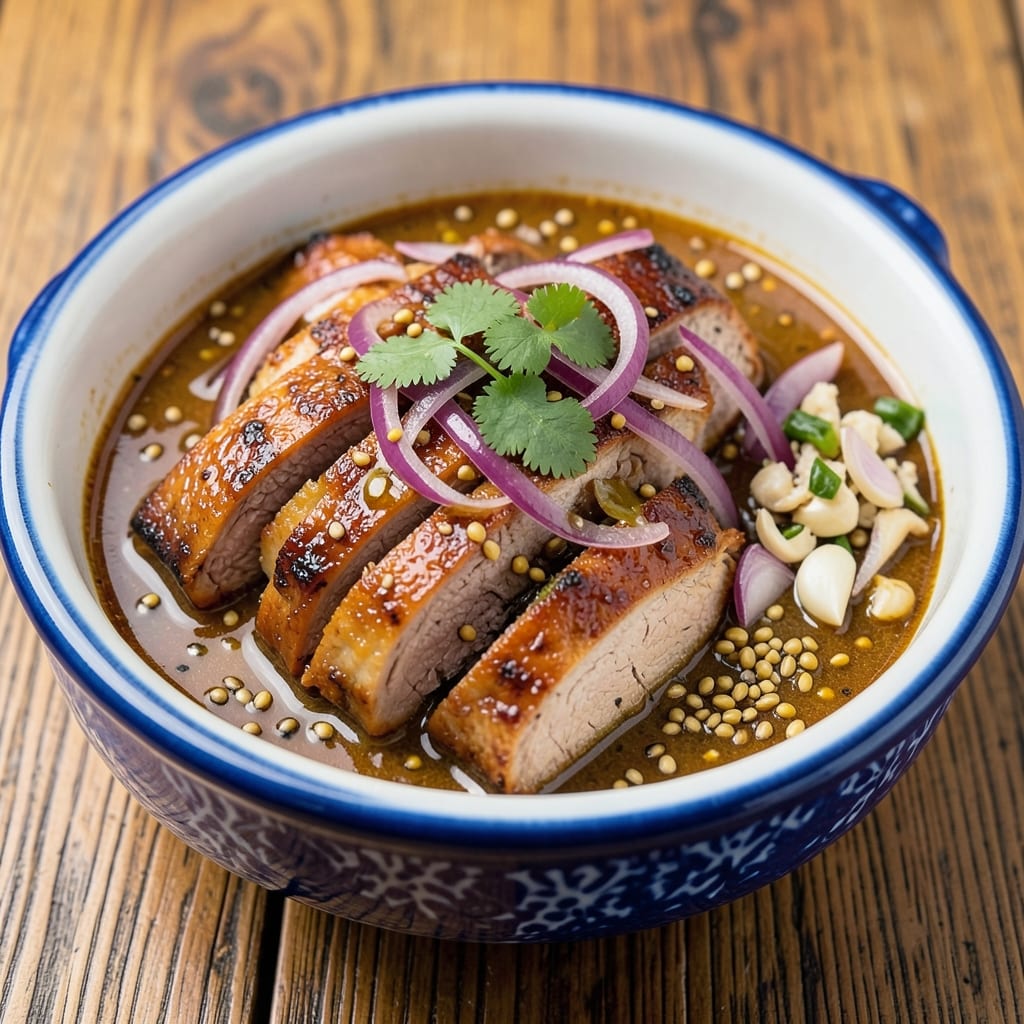
This Bengali pork recipe unlocks the soul of West Bengal's slow-cooked traditions, where mustard seeds and poppy seeds create a symphony of crunch and warmth. 🌟 The secret lies in hours of gentle simmering, transforming tender pork into melt-in-your-mouth perfection with a sauce that's tangy, aromatic, and impossible to resist. I first tasted this dish in a dimly lit Kolkata restaurant where the air smelled of cumin and cardamom—now I recreate that magic in my kitchen every time I crave a taste of home.
The dish begins with whole spices that bloom in hot oil, releasing their earthy fragrance before the pork is added. Mustard seeds sizzle dramatically, their sharp bite mellowing as they cook down into the sauce, while poppy seeds add a delicate crunch that contrasts beautifully with the tender meat. This isn't just a recipe—it's an experience that transports you to Bengali homes where meals are made with love and patience, where every bite tells a story of cultural heritage.
What makes this recipe special is how the flavors develop over time. The pork becomes fork-tender while absorbing the complex layers of the sauce—tangy from mustard, sweet from poppy seeds, and warm from cinnamon and cloves. The result is a dish that's rich yet balanced, with just the right amount of spice to wake up your palate. Each bite delivers that perfect harmony of textures and flavors that makes this recipe worth every minute of simmering time.
Serve this with steamed basmati rice to soak up every last drop of that fragrant sauce, or pair it with fluffy luchi for a true Bengali feast. The leftovers taste even better the next day as the flavors meld further, making this an ideal recipe for meal prep or special occasions. Let's bring the flavors of Bengal to your table with this timeless pork dish.
Ingredients for bengali pork
Mustard seeds sizzle, poppy seeds crunch—these 17 ingredients transform simple pork into a fragrant Bengali masterpiece.
| Ingredient | Amount | Notes |
|---|---|---|
| Pork Shoulder 🥩 | 3 lb | Boneless, cut into 2-inch pieces |
| Yellow Mustard Seeds 🌶️ | 2 tbsp | Whole seeds, toasted first |
| Poppy Seeds 🌾 | ½ cup | Lightly toasted for crunch |
| Onion 🧅 | 1 whole | Medium, finely chopped |
| Garlic Cloves 🧄 | 8 cloves | Minced, aromatic base |
| Ginger 🌿 | 2 tbsp | Fresh, grated finely |
| Tomato Paste 🍅 | ½ cup | High quality, smooth |
| Coconut Milk 🥥 | 1 can (13.5 oz) | Full-fat for creaminess |
| Water 💧 | 2 cups | For simmering sauce |
| Cumin Seeds 🌿 | 1 tbsp | Toasted for depth |
| Cardamom Pods 🌿 | 6 whole | Lightly crushed |
| Cinnamon Sticks 🌿 | 2 whole | For aromatic warmth |
| Cloves 🌿 | 4 whole | Lightly crushed |
| Salt 🧂 | 1 ½ tsp | Kosher, adjust to taste |
| Black Peppercorns 🌶️ | 1 tsp | Freshly cracked |
| Lemon Juice 🍋 | 2 tbsp | Freshly squeezed |
| Vegetable Oil 🫒 | ½ cup | For blooming spices |
The pork shoulder is non-negotiable—bone-in for flavor, boneless for ease. Look for cuts with good marbling at Indian grocery stores or the butcher counter. Whole spices matter: cardamom pods should smell citrusy, cinnamon sticks should be plump, and cloves should be dark and fragrant. Toast your whole spices in a dry pan for 30 seconds before adding oil—this wakes up their flavors. Poppy seeds are the secret to that perfect crunch; lightly toast them until golden so they don't turn bitter.
No mustard seeds? Substitute 1 tbsp ground mustard, but you'll lose that dramatic sizzle. Running short on poppy seeds? Sesame seeds work in a pinch—just know the flavor won't be identical. For the coconut milk, full-fat is essential—light versions won't give that rich, velvety texture. The tomato paste can be any good brand, but San Marzano or Muir Glen make all the difference. And if you can't find whole cardamom pods, ground cardamom at 1/2 tsp will work, though the aroma won't be as complex.
This dish tastes better the next day as flavors meld. Store in an airtight container in the fridge for up to 5 days. For longer storage, freeze portions for 3 months. I always make double batches—leftovers reheat beautifully with a splash of water. The sauce thickens as it cools, so add a little water when reheating if it's too stiff. Serve with steamed basmati rice to soak up every last drop of that fragrant sauce.
Why You'll Love This Recipe
- One-Pot Magic: I swear by this recipe—just toss everything into one pot, let it simmer, and walk away. No fancy techniques, no last-minute grocery runs; the pork shoulder practically cooks itself while you handle the rest of dinner.
- Flavor Bomb: That nutty crunch from the yellow mustard and poppy seeds? It’s like a little flavor party in every bite. The garlic and onions caramelize into something so rich, you’ll forget it’s pork until you take a second helping.
- Lunchbox Hero: Between us, this is my go-to for meal prep. Shred the pork, pack it in containers, and you’ve got a week’s worth of lunches that taste like you actually cooked for yourself—not sad desk leftovers.
- Budget Stretch: Pork shoulder is cheap, and this recipe turns it into something special without breaking the bank. Honestly, I’ve made it stretch for six people, and no one complained—just empty plates and happy stomachs.
Step-by-step instructions for Bengali pork recipe
Here's how to create tender, aromatic pork with that signature crunchy poppy-mustard topping.
🔥 Step 1: Toast the Spices and Prepare the Pork
Heat a dry skillet over medium heat and add the 2 tablespoons yellow mustard seeds and 1 tablespoon cumin seeds. Toast for 1-2 minutes until they begin to pop and release their aroma. Remove from heat immediately and transfer to a bowl.
In the same skillet, add the 0.5 cup vegetable oil and swirl to coat. Add the 3 lb pork shoulder cut into 2-inch pieces and sear on all sides until golden brown—about 5 minutes per side. This step builds deep flavor and helps tenderize the meat. Transfer the pork to a plate and set aside.
🍳 Step 2: Bloom the Aromatics
In the same skillet with the rendered pork fat, add the 1 whole finely chopped onion and cook for 5-6 minutes until softened and golden. Add the 8 cloves minced garlic, 2 tablespoons grated ginger, and the toasted spices. Cook for another 1 minute until fragrant.
Here's the thing—don't rush this step. The spices need time to bloom and release their full flavor. You'll know it's ready when the mixture smells rich and aromatic, almost like walking into a spice market. Stir in the 0.5 cup tomato paste and cook for 2 minutes to deepen its flavor.
🥘 Step 3: Build the Flavorful Sauce
Pour in the 2 cups water and scrape up any browned bits from the bottom of the pan. Add the 1 can (13.5 oz) coconut milk, 6 whole lightly crushed cardamom pods, 2 whole cinnamon sticks, and 4 whole lightly crushed cloves. Bring to a gentle simmer over medium-low heat.
Return the seared pork to the skillet and add 1.5 teaspoons salt and 1 teaspoon freshly cracked black peppercorns. Partially cover and let it simmer gently for 1 hour and 30 minutes until the pork is fork-tender. The sauce should reduce slightly but still coat the meat nicely. If it gets too thick, add a splash of water.
👨🍳 Step 4: Prepare the Crunchy Topping
While the pork simmers, toast the 0.5 cup poppy seeds in a dry skillet over low heat for 2-3 minutes, stirring constantly, until they turn a rich golden color and smell nutty. Remove from heat immediately to prevent burning. In a small bowl, mix the toasted poppy seeds with 2 tablespoons lemon juice—this will help them stick to the pork later.
I know it seems weird to toast poppy seeds, but trust me—they develop a wonderful crunch and nuttiness that perfectly complements the rich pork. Keep them warm while you finish cooking the pork.
⏰ Step 5: Finish and Serve
Once the pork is tender, carefully transfer it to a serving platter. Skim any excess fat from the sauce and return the sauce to the skillet. Simmer uncovered for 5-7 minutes until it thickens slightly. Taste and adjust seasoning if needed.
Spoon the sauce over the pork and sprinkle the toasted poppy seed mixture evenly on top. The contrast between the tender, flavorful pork and the crunchy poppy seeds is what makes this dish special. Serve immediately with steamed basmati rice or warm naan bread to soak up all that delicious sauce.
Pro Tips For Making Bengali Pork
- CRUSH THE MUSTARD SEEDS: Don’t just toss them raw—lightly toast the yellow mustard seeds in a dry pan for 30 seconds until they smell nutty. This stops them from biting into your taste buds later and gives that warm, earthy depth the dish needs. (Yes, even if you’re impatient like me, wait for the aroma.)
- SWEAT THE ONIONS LOW: Cook your onions until they’re deep golden, not brown—about 10 minutes on medium-low. Rushed cooking turns them bitter, and that’s the last thing you want when the poppy seeds join the party. Think "caramelized," not "burnt offering."
- SKIP THE OVERCROWDING: If you’re frying the pork in batches, don’t stack them—give each piece space to sizzle. Overcrowding steams the meat instead of searing it, and you’ll end up with soggy edges. Trust me, your future self will notice.
- GRIND THE POPPY SEEDS: Whole poppy seeds? Skip it. Lightly toast them first, then grind them in a spice grinder or mortar and pestle—just enough to break them open. This releases their flavor and blends it into the gravy instead of sitting like tiny crunchy surprises. (Your mouth will thank you.)
Make-ahead tips for leftovers
Prep Ahead Strategy
This dish is a meal prep dream—the flavors actually improve overnight as the spices meld. I always marinate the pork for 12-24 hours before cooking: rub it with 1 tbsp salt, 1 tsp black pepper, and 1 tbsp grated ginger, then refrigerate in a sealed bag. This jumpstarts the tenderness and infuses the meat with aromatic flavors. 💪
Slow Cooker Adaptation
For hands-off cooking, use a 6-quart slow cooker on low for 6-7 hours. Sear the pork first in a skillet, then transfer everything (including spices and coconut milk) to the slow cooker. The texture will be slightly different but still delicious. I like adding ½ cup water to prevent sticking. The poppy seeds should still be toasted fresh before serving.
Freezer-Friendly Tips
This recipe freezes beautifully for up to 3 months. After cooking, let it cool completely, then portion into airtight containers with a thin layer of sauce on top (this prevents freezer burn). When reheating, thaw overnight in the fridge, then warm on the stovetop with 2 tbsp water to restore moisture. The sauce may thicken slightly—just add a splash of water or coconut milk to loosen. ❄️
Poppy Seed Prep Shortcut
Save time by toasting the poppy seeds ahead of time and storing them in a small jar in your pantry. They’ll keep for 2 weeks and are ready to sprinkle on any dish. I also pre-mix the whole spices (cumin, cardamom, cinnamon, and cloves) in a spice grinder for quick access. Just toast them fresh before adding to the oil—this ensures maximum flavor impact. 🌾
Sauce Thickening Hack
If the sauce seems too thin after reheating, mix 1 tbsp cornstarch with 2 tbsp cold water and stir it into the sauce as it simmers. This works like magic to thicken without altering the flavor. For extra richness, stir in 1 tbsp yogurt at the end—it adds a silky texture that balances the crunchy poppy seeds. Trust me, this is a game-changer for leftovers. 💡
Serving Suggestions for Leftovers
Transform leftover pork into Bengali-style sandwiches by layering it on toasted naan with shredded lettuce and a drizzle of yogurt. Or, shred the pork and mix it into fried rice with peas, carrots, and a fried egg on top. The poppy seeds add a delightful crunch to both dishes. I also love serving it cold in wraps with pickled onions for a refreshing lunch. 🌟
Nutrition facts
Frequently asked questions
Why does this recipe use poppy seeds on top?
The toasted poppy seeds add a magical crunch that contrasts beautifully with the tender pork. They're lightly mixed with lemon juice to help them stick, creating that signature Bengali texture. Plus, their nutty flavor complements the rich, spiced sauce perfectly.
Can I substitute chicken or lamb instead of pork?
This recipe works beautifully with chicken thighs (use 3 lb boneless) or lamb shoulder (reduce cooking time by 30 minutes). The spices and slow cooking method will adapt perfectly—just adjust seasoning to taste since lamb has a stronger flavor.
What's the secret to making the pork extra tender?
Slow cooking is key—1.5 hours at gentle simmer breaks down the collagen beautifully. For even more tenderness, marinate the pork overnight with ginger, salt, and pepper before cooking. The mustard seeds also help tenderize as they cook down into the sauce.
How spicy is this dish?
This recipe is mildly aromatic with warm spices like cinnamon and cardamom—no heat from chili peppers. The mustard seeds add a subtle sharpness when toasted, but the overall flavor is comforting and balanced. For extra heat, add ½ tsp red chili powder with the spices.
What's the best way to reheat leftovers?
Reheat gently on the stovetop with 2 tbsp water or coconut milk to restore moisture. Simmer for 5-7 minutes until heated through—never microwave as it can make the poppy seeds soggy. The flavors actually improve after resting overnight!