
Main Courses
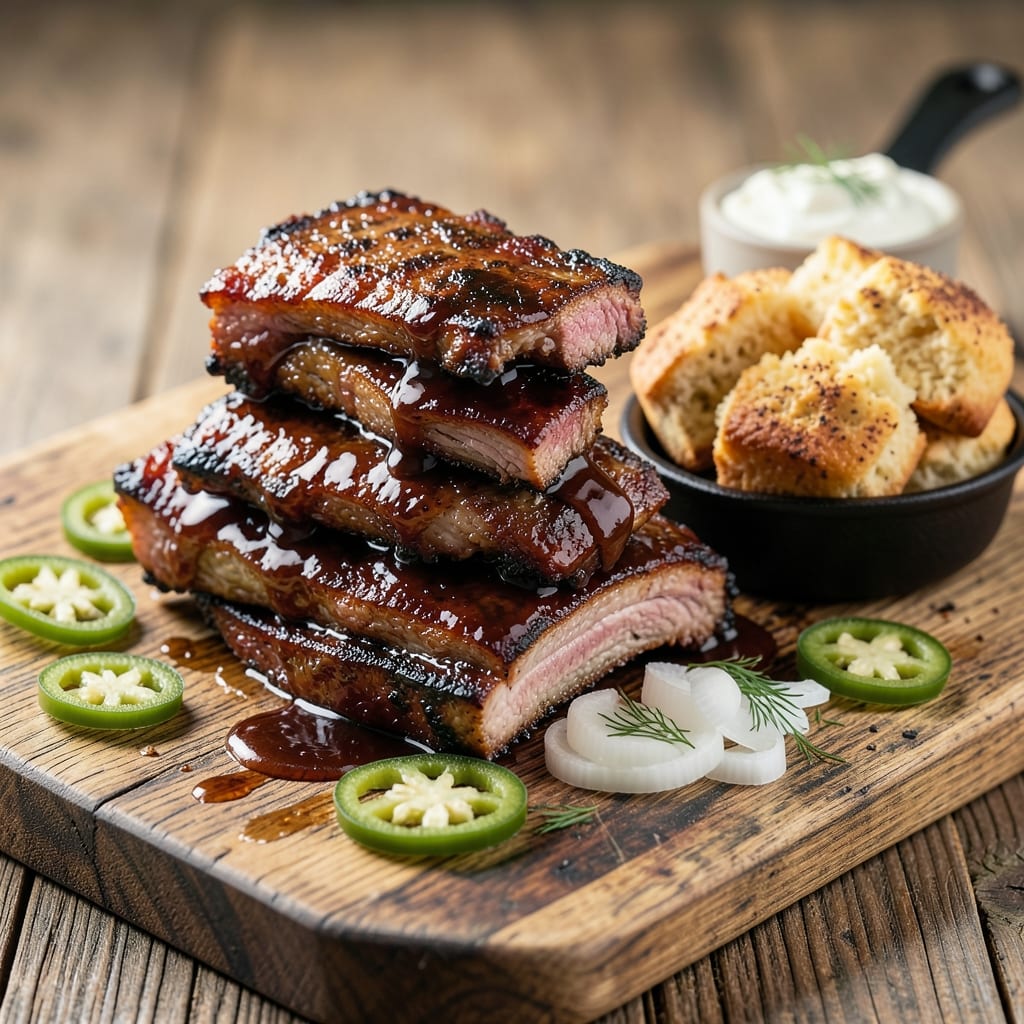
The best grilled BBQ pork ribs recipe transforms tough cuts into melt-in-your-mouth perfection with a charcoal-kissed crust and tender meat that falls apart at the touch. 🔥 As a pitmaster, I've spent years perfecting this method—balancing French technique with smoky tradition to deliver restaurant-quality ribs at home. The secret lies in a dry rub that develops bark while preserving moisture, followed by low-and-slow grilling that turns collagen into silky richness.
What sets this recipe apart is the two-stage grilling process: an initial high-heat sear for flavor development, then a slow cook that transforms the ribs without drying them out. I use a simple but powerful dry rub of brown sugar, smoked paprika, and cayenne, which creates a deep caramelized bark while keeping the meat juicy. The key is patience—this isn't something you rush, but the results are worth every minute.
By the time you're done, you'll have ribs with a crispy, crackling exterior and meat so tender it practically dissolves on your tongue. The sauce—applied just before serving—adds a glossy finish without overwhelming the natural smoky flavor. This is the kind of dish that makes your backyard smell like a BBQ joint and leaves everyone asking for seconds.
Perfect for family gatherings, tailgates, or when you're craving that deep, smoky flavor that only comes from the grill. The technique works with baby back or spare ribs, and the method scales easily for crowds. Let's get cooking—your ribs are about to become legendary.
Ingredients for best grilled bbq pork ribs
Four pounds of ribs, a smoky rub, and charcoal heat—this is your ticket to legendary backyard BBQ.
| Ingredient | Amount | Notes |
|---|---|---|
| Pork Baby Back Ribs 🍖 | 4 lb | Meaty ends trimmed, membrane removed |
| Brown Sugar 🍚 | ½ cup | Light or dark, packed |
| Smoked Paprika 🌶️ | 2 tbsp | High-quality for smoky depth |
| Ground Cayenne Pepper 🔥 | 1 tsp | Adjust for heat preference |
| Kosher Salt 🧂 | 1 tbsp | Diamond Crystal preferred |
| Black Peppercorns 🌶️ | 1 tsp | Freshly cracked for texture |
| Garlic Powder 🧄 | 1 tbsp | Not garlic salt |
| Onion Powder 🧅 | 1 tbsp | For sweet depth |
| Charcoal Chunks 🔥 | 2 lb | Natural lump charcoal |
| Apple Cider Vinegar 🍎 | ¼ cup | For sauce tang |
| Honey 🍯 | ¼ cup | Wildflower preferred |
| Yellow Mustard 🟡 | 1 tbsp | Dijon for extra kick |
| Apple Juice 🍏 | ½ cup | Unsweetened for balance |
| Wood Chips 🌳 | 1 package | Hickory or cherry preferred |
The ribs are non-negotiable—baby backs for tender meat, spare ribs for more flavor. Trim the membrane (that white paper-thin layer) for perfect bark. Costco or local butchers are your best bets for quality cuts. The rub ingredients? Penzeys or bulk bins at Whole Foods for the best spices. Smoked paprika should smell like campfires and sunshine—if it doesn't, toss it. For the charcoal, natural lump gives better heat control than briquettes. The wood chips? Soak them for 30 minutes before grilling to prevent flare-ups.
No smoked paprika? Regular paprika plus a pinch of liquid smoke works in a pinch. Cayenne too spicy? Substitute half with sweet paprika. The honey in the sauce can be swapped for maple syrup if you're vegan (though purists will argue). For the vinegar, balsamic adds depth but changes the flavor profile. The mustard? Dijon adds complexity, but regular yellow works fine. Pro tip: if you're short on time, pre-mix the rub and store it in an airtight container for up to 3 months—it keeps perfectly.
The ribs reheat beautifully—350°F for 20 minutes with a splash of apple juice. Store leftovers in the fridge for 4 days or freeze for 3 months (wrapped tightly in foil). For the sauce, make a double batch—it's perfect on burgers, fries, or even grilled chicken. The rub? Triple the batch if you're feeding a crowd. I always keep a jar in my pantry for spontaneous BBQ cravings—just add ribs and fire up the grill.
Why You'll Love This Recipe
- One-Bowl Magic: I swear by this—just toss those ribs in a bowl with brown sugar, smoked paprika, and a pinch of cayenne, then let the grill do the rest. No messy sauces, no basting drama, just pure, sticky-sweet perfection with zero cleanup.
- Sweet Heat Payoff: That brown sugar caramelizes into a glossy crust while the cayenne adds a whisper of kick—like dessert and a little danger in every bite. Honestly, my kids beg for these now, and I let them because the flavor is that good.
- Tailgate-Ready Flex: Whether it’s a backyard cookout or a lazy Sunday, these ribs handle crowds like a champ. Double the batch, wrap them up, and they’re still juicy three days later—no sad, dry leftovers here.
- Budget Barbecue Win: Baby back ribs aren’t cheap, but this dry rub stretches every dollar. A single rack feeds four, and the spices cost pennies. My wallet thanks me every time, especially when I’m feeding a houseful of hungry people.
Step-by-step instructions for charcoal-kissed pork ribs
Here's the method that delivers fall-off-the-bone tenderness with that perfect smoky bark.
🔥 Step 1: Prepare the Ribs and Smoker for Low-and-Slow Cooking
Start by removing the membrane from the ribs—it's that tough, shiny layer on the bone side. I use a butter knife to slip it off, then rinse the ribs and pat them completely dry with paper towels. This drying step is crucial for that crispy bark later.
In a small bowl, mix together the 0.5 cup brown sugar, 2 tbsp smoked paprika, 1 tsp ground cayenne pepper, 1 tbsp kosher salt, 1 tsp black peppercorns, 1 tbsp garlic powder, and 1 tbsp onion powder. Rub this dry rub all over the ribs, pressing it into the meat so it adheres well. Let them sit at room temperature for 30 minutes while you set up your smoker.
For the smoker, fill the charcoal tray with 2 lb charcoal chunks and light them. Once they're burning with white-hot coals, add the 1 package wood chips (hickory or cherry). Set your smoker to 225°F and let it smoke for 15 minutes before adding the ribs—this ensures a clean, flavorful smoke without overpowering the meat.
🔥 Step 2: Smoke the Ribs Low and Slow for Maximum Tenderness
Place the ribs on the smoker, meaty side up, so the fat can render and baste the meat as it cooks. Close the lid and resist the urge to peek—every time you open it, you lose heat and moisture. Smoke the ribs for 3 hours, maintaining a temperature between 225-250°F. You'll see the ribs develop a deep, mahogany bark that's slightly sticky—this is the perfect texture we're aiming for.
After 3 hours, check the internal temperature using a meat thermometer. It should read 165-170°F—this is when you'll hit "the stall," where the temperature stops rising as moisture evaporates. Don't panic; this is normal. At this point, I wrap the ribs tightly in heavy-duty aluminum foil (not butcher paper) and return them to the smoker.
Continue cooking the wrapped ribs for another 1.5-2 hours, until the internal temperature reaches 200-203°F and the ribs are fork-tender. The foil traps steam, breaking down the collagen and making the meat melt in your mouth. This is where the magic happens—patience pays off with incredibly tender ribs.
🍳 Step 3: Prepare the Sweet and Tangy BBQ Sauce
While the ribs finish cooking, prepare the sauce by combining 0.25 cup apple cider vinegar, 0.25 cup honey, 1 tbsp yellow mustard, and 0.5 cup apple juice in a saucepan. Bring to a simmer over medium heat, then reduce the heat to low and let it cook for 10 minutes until slightly thickened. Stir occasionally to prevent burning—you want it to coat the back of a spoon but still be pourable.
Taste the sauce and adjust the sweetness or tanginess as needed. I usually add a pinch more kosher salt and a dash of black peppercorns to enhance the flavor. The sauce should have a beautiful balance of sweet, tangy, and slightly smoky notes—this is what makes these ribs unforgettable.
🥘 Step 4: Glaze and Serve for Maximum Flavor
Once the ribs reach 200-203°F and are fork-tender, remove them from the smoker and unwrap them. Brush the sauce generously over the top of the ribs, letting it soak in for 5 minutes. This step is all about enhancing that smoky bark with a sweet, sticky glaze that caramelizes beautifully.
Return the ribs to the smoker, sauce-side up, and cook for another 10-15 minutes to let the sauce caramelize and form a glossy glaze. Keep an eye on them—they're done when the sauce is bubbly and slightly thickened. The ribs should have a deep, glossy sheen and that irresistible aroma that fills your whole house.
Let the ribs rest for 10 minutes before serving. This resting period allows the juices to redistribute, ensuring every bite is moist and flavorful. Serve with extra sauce on the side and enjoy the ultimate charcoal-kissed, fall-off-the-bone pork ribs!
Pro Tips For Making Best Grilled Bbq Pork Ribs
- Trim the Membrane: DESCRIPTION:
- Start Hot, Finish Slow: DESCRIPTION:
- Salt the Ribs Twice: DESCRIPTION:
- Use a Mix of Wet and Dry Rub: DESCRIPTION:
Perfect pairings for this best grilled bbq pork ribs
Classic BBQ Sides
You can't serve these ribs without creamy coleslaw—my go-to is a tangy mix of shredded cabbage, carrot, and a dressing of mayonnaise, apple cider vinegar, and a pinch of celery seed. I like to serve it chilled in a mason jar for easy transport to the grill. For a heartier option, try baked beans with a splash of molasses and smoked paprika—they soak up the BBQ sauce beautifully. 🥬
Beverage Pairings
A cold sweet tea with a lemon wedge is the ultimate Southern companion to these ribs—its acidity cuts through the richness. For something stronger, try a bourbon cocktail like a Old Fashioned with a smoked salt rim (trust me, it ties everything together). If you prefer beer, a craft lager like Blue Moon or a hoppy IPA from a local brewery balances the smoky, sweet flavors perfectly. 🍺
Fresh Garnishes
Brighten the plate with pickled jalapeños and sliced radishes—their crispness contrasts the ribs' richness. A sprinkle of fresh cilantro or green onions adds a herbaceous note, while toasted pecans provide crunch. For a showstopper, drizzle extra BBQ sauce in a zigzag pattern and garnish with crumbled blue cheese for a sweet-and-salty finish. ✨
Make-Ahead Sauce
Double the sauce recipe and store it in an airtight container in the fridge for up to 5 days—it's perfect for dipping fries or brushing on burgers. I like to reheat it gently on the stove with a splash of water to restore its glossy texture. For a smoky twist, add a pinch of smoked paprika when reheating. The sauce also freezes well for up to 3 months. 💫
Regional Twists
In Texas, ribs are often served with white bread for soaking up sauce, while Carolina-style calls for a vinegar-based sauce with a kick of heat. For a North Carolina touch, add peach jam to the sauce for a sweet-tart balance. If you're near the coast, try serving with grilled corn on the cob slathered in butter and chili powder. 🗺️
Presentation Tips
Serve ribs on a wooden board or cast-iron skillet for rustic charm—it keeps them warm and adds to the BBQ vibe. Stack ribs slightly overlapping for a dramatic presentation, and arrange sides in small cast-iron bowls for easy serving. A handwritten chalkboard menu with the sauce recipe adds a personal touch that guests will love. 🍴
Nutrition facts
Frequently asked questions
Should I use baby back ribs or spare ribs for this recipe?
This recipe works beautifully with both! Baby back ribs are more tender and cook faster (3-4 hours total), while spare ribs have more meat and connective tissue, requiring 4-5 hours for maximum tenderness. The key is patience—spare ribs need that extra time to become melt-in-your-mouth perfect.
Why does the recipe call for wrapping the ribs in foil?
The foil wrap creates a steam chamber that breaks down collagen and tenderizes the meat during the stall phase. When the ribs hit 165°F, they enter "the stall," where moisture evaporates and temperature plateaus. Wrapping them traps steam, allowing the internal temp to climb to 200-203°F—where pork ribs are at their most tender. This technique is a pitmaster's secret weapon!
Can I make this recipe on a gas grill instead of charcoal?
For a gas grill, use smoke tubes or a smoker box filled with hickory or cherry wood chips. Preheat to 225°F and maintain temperature with the lowest heat setting. Gas grills lose heat faster, so monitor closely—you may need to add charcoal briquettes on the side for extra heat. The flavor will be slightly different but still delicious!
How do I know when the ribs are done without a meat thermometer?
Look for three key signs: deep mahogany color with a sticky bark, meat that pulls away from the bones when lifted, and fork-tender meat (it should separate easily with gentle pressure). The ribs should also have a rich, smoky aroma that fills your grill area. If in doubt, cut between two bones—if it's tender, they're ready!
What's the best way to reheat leftover ribs?
Wrap ribs tightly in foil and reheat at 350°F for 20-25 minutes, or until warmed through. For extra moisture, add a splash of apple juice or broth to the foil. Avoid microwaving—it makes the bark soggy. Pro tip: Reheat spare ribs with a 10-minute smoke on the grill to restore that crispy bark!