
Soups & Stews
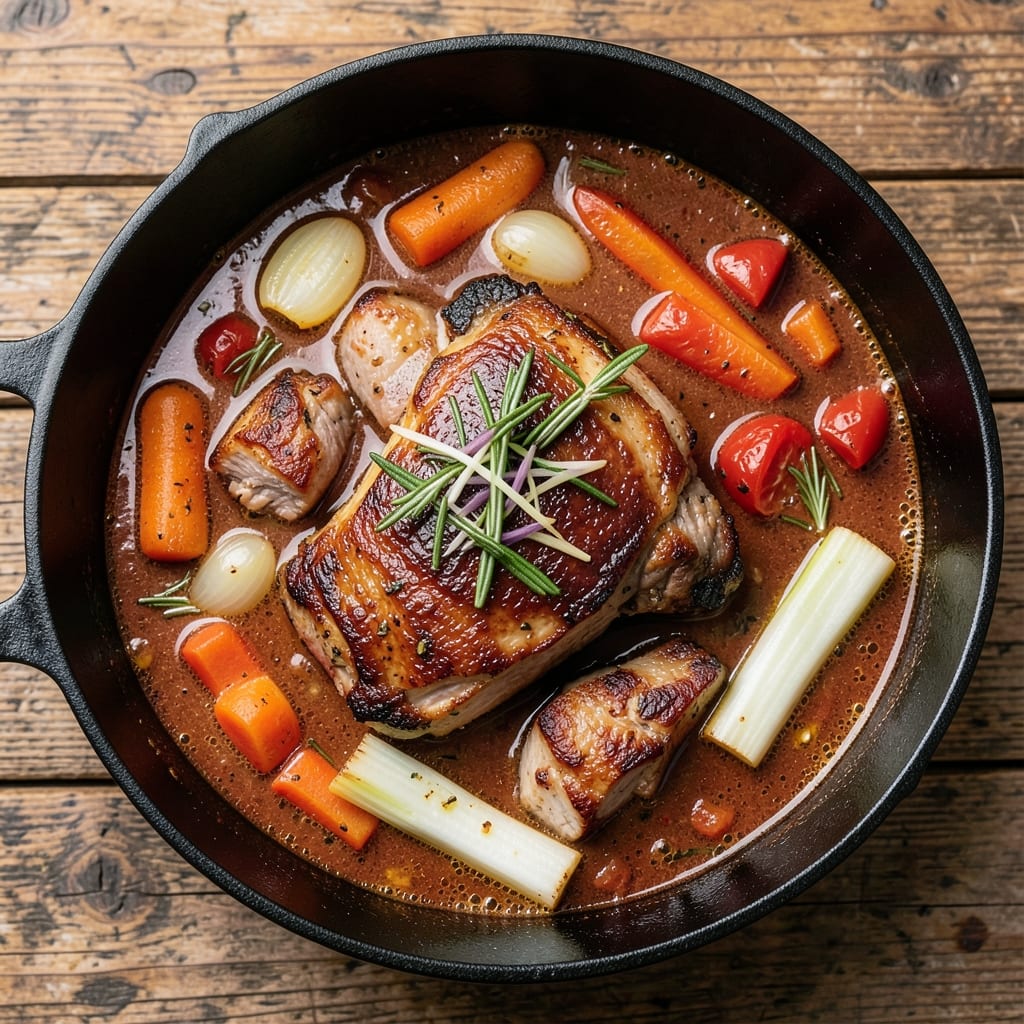
The best pork stew recipe ever transforms tough cuts into melt-in-your-mouth perfection through a slow, deep savory simmer. Growing up in Georgia, I learned that pork stew isn't just a meal—it's a tradition that gets richer overnight, with flavors deepening like family stories. This recipe balances rustic techniques with modern efficiency, delivering restaurant-quality results in your own kitchen.
What sets this stew apart is the foolproof braising method that tenderizes even the toughest pork shoulder while developing layers of caramelized depth. The secret lies in proper browning, aromatic vegetables, and a well-balanced broth that builds complexity over time. Unlike quick versions, this stew rewards patience with each passing hour, making it ideal for weekend projects or meal prep.
By the final hour, you'll have rich, velvety stew with fork-tender pork that falls apart at the touch of a spoon. The aroma alone transforms any kitchen into a cozy haven, while the flavors—smoky, savory, and slightly sweet—create a dish that's both comforting and impressive. Perfect for chilly evenings, gatherings, or feeding a crowd.
This recipe also works beautifully in slow cookers, making it adaptable to modern lifestyles without sacrificing quality. Whether you're following tradition or embracing convenience, the result is the same: deep, satisfying flavor that improves with time. Let's get cooking—your taste buds will thank you.
Ingredients for best pork stew recipe ever
Sixteen ingredients, six hours of magic—this is the heart of Southern comfort.
| Ingredient | Amount | Notes |
|---|---|---|
| Pork Shoulder (Bone-In) 🥩 | 4 lb | Cut into 2-inch chunks, skin removed |
| Yellow Onion 🧅 | 2 whole | Chopped into 1/2-inch pieces |
| Carrots 🥕 | 4 whole | Peeled, cut into 1-inch chunks |
| Celery Stalks 🌿 | 4 whole | Chopped into 1/2-inch pieces |
| Garlic Cloves 🧄 | 6 cloves | Smashed with side of knife |
| Tomato Paste 🍅 | ½ cup | High-quality, no sugar added |
| Red Wine 🍷 | 1 ½ cups | Bold, dry variety like Cabernet |
| Beef Broth 💧 | 4 cups | Low-sodium preferred |
| Bay Leaves 🌿 | 2 whole | Fresh if possible |
| Fresh Thyme 🌿 | ¼ cup | Stems removed, chopped |
| Fresh Rosemary 🌿 | ¼ cup | Needles only, chopped |
| Black Peppercorns 🌶️ | 1 tbsp | Freshly cracked |
| Kosher Salt 🧂 | 2 tsp | Diamond Crystal preferred |
| Olive Oil 🫒 | ¼ cup | Extra-virgin for browning |
| All-Purpose Flour 🌾 | 2 tbsp | For thickening (optional) |
The pork shoulder is non-negotiable here—bone-in, well-marbled cuts from the grocery store's butcher counter deliver the best flavor. Look for local or regional farms if possible, as their animals often have richer diets. A 4-pound bone-in shoulder gives you generous portions, and the bones infuse the broth with depth. If you're using pre-cut chunks, pat them dry with paper towels before browning—they'll sear better and develop that coveted crust. For the herbs, fresh thyme and rosemary from the grocery store's produce section (not dried) make all the difference—they brighten the stew without overpowering.
No red wine? Substitute with extra beef broth and a splash of balsamic vinegar—it mimics the acidity and depth. The tomato paste can be swapped for crushed tomatoes (1 cup) if you prefer a chunkier texture, but paste builds richer color. Fresh herbs wilt down, so double-check your measurements—if you've got only dried, use half the amount. For the vegetables, carrots and celery can be swapped for turnips or parsnips if you're feeling adventurous. The flour is optional but helps thicken the stew if you prefer it more velvety—just whisk it with a little cold water before adding. And if you're short on time, use a pressure cooker to cut the cooking time to about 90 minutes.
This stew tastes even better the next day, so make a double batch—it reheats beautifully and keeps for 5 days in the fridge or 6 months in the freezer. For freezing, portion into airtight containers with a layer of broth on top to prevent freezer burn. The pork will stay tender, and the flavors will meld even more. Store the broth separately if you prefer it less thickened when reheating—just add it back when serving. And if you're using a slow cooker, brown the pork first—it's the secret to deep flavor, even in the slow cooker method.
Why You'll Love This Recipe
- I swear by this trick: rough-chop the onion, carrots, and celery into bite-sized pieces—no fancy dice needed. The bone-in pork shoulder does all the heavy lifting while you simmer, and honestly, that crispy garlic edge after browning? Worth every second.
- Minimal Chopping Required: I swear by this trick: rough-chop the onion, carrots, and celery into bite-sized pieces—no fancy dice needed. The bone-in pork shoulder does all the heavy lifting while you simmer, and honestly, that crispy garlic edge after browning? Worth every second.
- Deep Umami Magic: The bone-in pork shoulder melts into the broth, turning it into liquid gold—rich, savory, and impossible to resist. Between us, the caramelized onions and seared garlic cloves take it from "good" to "I’ll make this again tomorrow" in one bite.
- Leftovers for Days: This stew only gets better after sitting overnight. I’ll be real: I’ve reheated portions for a solid week, and the flavors deepen like a fine wine. Perfect for lazy mornings or when you’re too tired to cook—just pop it in a pot.
Step-by-step instructions for perfect pork stew
Here's the method that transforms tough pork shoulder into melt-in-your-mouth perfection.
Sear the Pork Shoulder for Deep Flavor
Heat a large Dutch oven over medium-high heat until very hot. Add the 0.25 cup olive oil and let it shimmer for 1 minute. Working in batches to avoid crowding, add the 4 lb pork shoulder cut into 2-inch chunks and sear for 3-4 minutes per side until deeply browned. This step creates the rich foundation for your stew.
Don't rush this—you want a deep mahogany crust on each piece. If the pan gets too cool, add a few more minutes to restore the heat before continuing. Transfer the browned pork to a plate and set aside. Here's the thing—this browning develops the Maillard reaction, which is what gives your stew that irresistible depth of flavor that makes it truly exceptional.
Build the Aromatic Base
In the same Dutch oven, add the 2 whole yellow onions chopped into ½-inch pieces, 4 whole carrots cut into 1-inch chunks, and 4 whole celery stalks chopped into ½-inch pieces. Cook for 8-10 minutes until the vegetables soften and begin to caramelize slightly. Stir occasionally to prevent burning.
Add the 6 cloves garlic smashed with the side of your knife and cook for another 1 minute until fragrant. Here's where it gets good—stir in the 0.5 cup tomato paste and cook for 2 minutes until it darkens slightly. This creates a rich, concentrated base that will infuse your stew with deep, savory notes. The tomato paste helps balance the acidity from the wine you'll add next.
Deglaze and Simmer the Stew
Pour in the 1.5 cups red wine and scrape up all the browned bits from the bottom of the pot with a wooden spoon. This deglazing step captures all that concentrated flavor that would otherwise go down the drain. Let the wine simmer for 3-4 minutes until it reduces by half and the alcohol cooks off.
Add the seared pork back to the pot along with the 4 cups beef broth, 2 whole bay leaves, 0.25 cup fresh thyme, 0.25 cup fresh rosemary, 1 tbsp black peppercorns, and 2 tsp kosher salt. Bring to a gentle boil, then reduce heat to low and cover partially. This is where the magic happens—simmer for 2½ to 3 hours until the pork is fork-tender and falls apart easily.
Thicken and Finish the Stew
After the pork is tender, uncover the pot and increase heat to medium-high to reduce the stew slightly. If you want a thicker consistency, mix the 2 tbsp all-purpose flour with 2 tablespoons cold water to make a slurry, then whisk it into the stew. Simmer for another 10-15 minutes until the stew reaches your desired thickness.
Taste and adjust seasoning if needed—this is the moment that matters. You might need a bit more salt or a splash of red wine to balance the flavors. The stew should be rich, deeply flavorful, and have that perfect balance of sweetness from the carrots and acidity from the wine. Real talk: the longer you let it simmer, the better it gets—this is one of those dishes that actually tastes better the next day.
Pro Tips For Making Best Pork Stew Recipe Ever
- SEAR THE PORK LONG: Don’t rush the browning—spend 10-15 minutes on medium-high heat until the pork shoulder develops a deep, caramelized crust. I used to cut corners here, and the stew always tasted flat afterward. The crust locks in flavor and keeps the meat juicy during the long cook.
- CHOP VEGETABLES UNIFORM: Cut onions into ½-inch chunks, carrots into ½-inch rounds, and celery into 1-inch pieces—big enough to stay intact but small enough to soften evenly. My grandmother’s trick: Use the same knife and board for all three to save time, and resist the urge to overcrowd the pot later.
- SALT THE POT WELL: Before adding broth, sprinkle 1-2 teaspoons of salt directly into the pot and let it dissolve into the fat for 30 seconds. This seasons the meat from the start and prevents blandness, even if you forget to salt the pork itself. (Yes, I’ve done that too.)
- STIR THE STEW EARLY: After the first 30 minutes of cooking, give the stew a good stir—especially around the pork and the bottom of the pot. This redistributes the fond (the browned bits) and ensures even cooking. I learned this the hard way when one side of my stew turned out mushy while the other stayed tough.
Essential equipment for perfect results
Dutch Oven Essentials
Your Dutch oven is the heart of this recipe—it's the only vessel that can handle the searing, braising, and simmering all in one pot. I swear by my Lodge 6.5-quart cast iron Dutch oven—it's heavy enough to distribute heat evenly and retains it like a dream. For beginners, this is the one piece of equipment you absolutely need for perfect pork stew. If you're on a budget, the Amazon Basics 5.5-quart is a solid alternative, though it may require slightly more attention to temperature control. 🔥
Meat Thermometer
A meat thermometer is non-negotiable for achieving that fork-tender pork every time. I use the ThermoWorks Smoke because it's precise and has dual probes—one for monitoring the stew's internal temperature and another for tracking the pork's doneness. For a more budget-friendly option, the Taylor Precision Digital works just as well. Insert the probe into the thickest part of the pork shoulder—when it hits 203°F, you know it's ready. Trust me, this is the secret to avoiding dry, overcooked meat.
Heavy-Duty Tongs
You'll need heavy-duty tongs to handle the pork chunks during searing without burning yourself. My go-to is the OXO Good Grips—they're sturdy, have a comfortable grip, and can handle the weight of the pork without bending. Avoid flimsy kitchen tongs; they'll just slip and make your life harder. These tongs also come in handy for stirring the vegetables and scraping up those flavorful browned bits during deglazing. 💪
Wooden Spoon
A wooden spoon is your best friend for stirring and scraping up those precious browned bits from the bottom of the pot. I prefer a long-handled wooden spoon (like the Cuisinart Wooden Spoon Set) because it gives you better reach and prevents your hand from getting too close to the heat. Wood won't scratch your Dutch oven like metal utensils can, and it won't conduct heat like plastic. Plus, it adds a rustic touch to your kitchen. 🌿
Slow Cooker Option
If you're short on time or prefer a hands-off approach, a slow cooker can still deliver amazing results. My Crock-Pot 6-quart is my go-to for weeknight meals. After searing the pork in your Dutch oven (this step is still crucial!), transfer everything to the slow cooker and cook on low for 8 hours or high for 5 hours. The key here is to brown the pork first—skipping this step means missing out on that deep, rich flavor that makes this stew truly special. ⏰
Mason Jars for Storage
For storing leftovers, Mason jars are my top recommendation. They're airtight, stackable, and keep the stew fresh for days. I use Ball Wide-Mouth Mason Jars because they're easier to fill and clean. When reheating, just pop the jar in a pot of simmering water or microwave it covered for 2-3 minutes, stirring occasionally. The jars also make it easy to portion out individual servings—perfect for meal prep. Plus, they look gorgeous on your countertop. 💛
Nutrition facts
Frequently asked questions
Can I use a different cut of pork for this stew?
While pork shoulder is ideal, you can substitute with pork butt or pork shank—both work beautifully. Pork tenderloin is too lean and will dry out, so avoid that. For shank, increase simmering time to 3-4 hours since it's tougher. Bone-in cuts add extra flavor, but boneless will work if you remove any excess fat first.
How do I make this stew in a slow cooker?
Brown the pork in a Dutch oven first (this step is crucial!), then transfer everything to your slow cooker. Use low for 8 hours or high for 5 hours. The slow cooker can't develop the same crust as stovetop, but the flavors will still meld perfectly. For extra richness, add ½ cup beef broth before serving.
Why does the pork need to cook so long?
The long simmer (2½-3 hours) breaks down collagen in the meat, transforming tough fibers into tender, melt-in-your-mouth texture. This slow process also allows flavors to develop deeply—like a fine wine aging. Skipping this step results in chewy pork. Think of it as patience paying off with every bite!
Can I make this stew ahead of time?
This stew tastes even better the next day. Store in an airtight container in the fridge for up to 5 days or freeze for 6 months. Reheat gently on the stove over low heat or in the microwave until steaming hot. The flavors continue to meld, making it perfect for meal prep.
What if my stew is too thin?
Mix 2 tablespoons flour with 2 tablespoons cold water to make a slurry, then whisk it into the stew. Simmer for 10-15 minutes until thickened. For a quicker fix, mash a few cooked carrots or potatoes into the stew—they'll release starch to thicken it naturally. Avoid adding too much at once to prevent a gluey texture.