
Main Courses
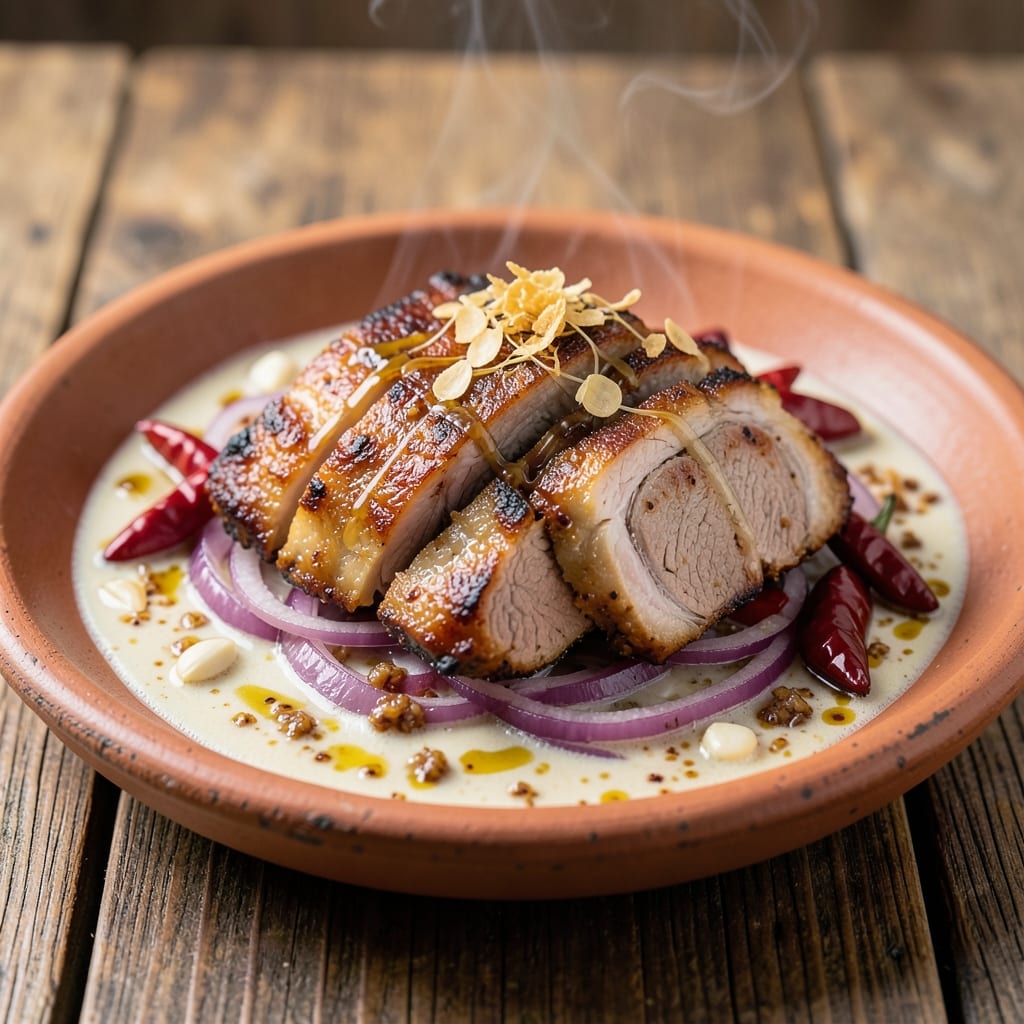
This Bicol Express Pork Belly recipe brings the rich, creamy comfort of the Philippines straight to your kitchen—where tender pork belly simmers in coconut milk until it practically melts in your mouth. ✨ The secret lies in balancing sweet, spicy, and umami flavors through slow cooking, a technique I perfected after years of refining my Southeast Asian stews. What makes this dish truly special is how the shrimp paste and chili peppers develop deep, complex notes while the coconut milk creates a velvety sauce that clings to every bite.
The beauty of Bicol Express is its simplicity—just a handful of ingredients working together to create restaurant-quality results. We start with thick-cut pork belly, which becomes fork-tender after hours of simmering, while the coconut milk transforms into a rich, aromatic base. The shrimp paste adds that signature savory depth, and the chili peppers bring just the right amount of heat to balance the sweetness. This dish is perfect for feeding a crowd or enjoying a hearty meal on a chilly evening.
By the time you're done, you'll have a pot of silky pork belly swimming in a fragrant coconut curry sauce, with just the right amount of spice to wake up your taste buds. The aroma alone will have everyone gathering around the table, and each bite delivers that perfect harmony of textures—tender meat, creamy sauce, and a hint of heat. This is the kind of dish that tastes even better the next day, making it ideal for meal prep or special occasions.
Serve it with steamed jasmine rice to soak up every last drop of that luscious sauce, or pair it with pickled vegetables like atchara for a tangy contrast. The presentation is just as important as the flavor—garnish with fresh cilantro or sliced green onions for a pop of color and freshness. Let's get cooking—this recipe delivers on comfort food at its finest.
Ingredients for bicol express pork belly
Six servings of silky pork belly in rich coconut curry sauce—just a handful of ingredients for restaurant-quality comfort.
| Ingredient | Amount | Notes |
|---|---|---|
| Pork Belly 🥓 | 2 lb | Thick-cut, skin-on preferred |
| Coconut Milk 🥥 | 2 cans | Full-fat, 13.5 oz each |
| Shrimp Paste 🦐 | 2 tbsp | Asian market brand preferred |
| Red Chili Peppers 🌶️ | 3 whole | Bird's eye or Thai chili |
| Garlic Cloves 🧄 | 8 cloves | Peeled and smashed |
| Onion 🧅 | 1 whole | Yellow or white, sliced |
| Tomatoes 🍅 | 2 whole | Medium, diced |
| Sugar 🍯 | 2 tbsp | Brown sugar preferred |
| Salt 🧂 | 1 ½ tsp | Kosher or sea salt |
| Black Peppercorns 🌶️ | 1 tsp | Freshly cracked |
| Bay Leaves 🍃 | 2 whole | Dried, removed before serving |
| Jasmine Rice 🍚 | 3 cups | Uncooked, for serving |
| Cilantro 🌿 | ¼ cup | Fresh, chopped for garnish |
| Green Onions 🧅 | 4 whole | Sliced for garnish |
| Olive Oil 🫒 | 2 tbsp | For searing pork belly |
The pork belly is non-negotiable here—thick-cut, skin-on gives you the best texture. Asian markets usually carry the ideal cuts, but most grocery stores stock it too. Look for pieces with good marbling (that white fat) for maximum flavor. If you're nervous about the skin, leave it on for extra richness—just score it before cooking. The shrimp paste is the soul of this dish, so don't substitute with fish sauce. You'll find it in the international aisle or at specialty stores like H Mart or 99 Ranch. For the chili peppers, Thai bird's eye chilies are perfect if you can find them, but any small, hot pepper works.
No shrimp paste? Fish sauce plus a dash of soy sauce gets you close, but it won't have that exact umami punch. Running low on coconut milk? Coconut cream plus a splash of water mimics the texture. The tomatoes can be canned if fresh aren't in season—just drain well. For the garlic, roast it first (wrap in foil, broil 5 minutes) for a sweeter flavor that balances the heat. The sugar is key—it caramelizes beautifully with the coconut milk. If you're avoiding sugar, palm sugar or coconut sugar work just as well. And if you're worried about the heat, remove the seeds from the chili peppers before chopping them.
This dish tastes even better the next day, so make extra. Store leftovers in the fridge for 4-5 days—the flavors deepen over time. For freezing, portion into containers with a layer of coconut milk on top to prevent drying. When reheating, add a splash of water or coconut milk to restore creaminess. The rice? Cook it ahead and keep warm in a rice cooker. Garnish with cilantro and green onions right before serving—they wilt fast once chopped. This recipe is a crowd-pleaser, so double it if you're feeding more than six.
Why You'll Love This Recipe
- One-Pot Magic: I swear by this—just toss the pork belly, coconut milk, and shrimp paste into one pot, and let it simmer. No chopping mountains of veggies, no last-minute ingredient hunts. That rich, garlicky aroma fills the kitchen while you stir for 20 minutes, and honestly? It feels like a hug from a Filipino grandma.
- Creamy-Spicy Bliss: The coconut milk turns velvety, while the shrimp paste and chili peppers add that deep, savory punch. That crispy pork belly with the tender center? It’s the kind of bite that makes you reach for seconds without thinking. Between us, the garlic cloves get minced into oblivion—no one notices, but the flavor? Unreal.
- Weeknight to Party: Serve it over steamed rice for a quick weeknight dinner, or pile it onto toast for brunch when your friends drop by. I’ve even used leftover pork belly in fried rice—no waste, all flavor. It’s the kind of dish that works just as hard for lazy nights as it does for impressing guests.
- Budget-Friendly Feast: Pork belly is rich but affordable, and this recipe stretches it across multiple meals. Double the batch, freeze half, and thank me later when you’re reheating leftovers for lunch. Here’s what sold me—it’s cheap enough to make often, but fancy enough to feel special. Win-win.
Step-by-step instructions for Bicol Express pork belly
Here's how to create that signature Bicolan dish with rich coconut curry and perfectly tender pork belly.
🔥 Step 1: Sear the Pork Belly Until Golden
Heat a large pot or Dutch oven over medium-high heat. Add the 2 tablespoons olive oil and let it get hot enough to shimmer. Place the 2 lb pork belly skin-side down and press gently with a spatula to create even contact with the pan.
Cook undisturbed for 8-10 minutes until the skin is deep golden brown and crispy in spots. You'll see the fat starting to render out—this is when all that delicious flavor begins to develop. Flip the pork belly and cook the other side for another 5-7 minutes until golden. Remove and set aside, leaving the rendered fat in the pot.
🍳 Step 2: Build the Coconut Curry Base
In the same pot with the rendered pork fat, add the 2 tablespoons shrimp paste and stir vigorously for 30 seconds until it sizzles and releases its aromatic oils. This is where that signature umami flavor comes from—don't skip this step!
Add the 8 smashed garlic cloves and 1 sliced onion, stirring constantly for 2-3 minutes until the garlic turns golden and the onion softens. You'll smell that wonderful garlic-shrimp paste combination—this is the flavor foundation. Add the 3 whole red chili peppers (leave them whole for gentle heat) and 2 diced tomatoes, cooking for another 3 minutes until the tomatoes break down and release their juices.
🥘 Step 3: Simmer with Coconut Milk and Aromatics
Pour in the 2 cans coconut milk, stirring well to combine with all the aromatics. Add 2 tablespoons sugar, 1.5 teaspoons salt, 1 teaspoon cracked black peppercorns, and 2 bay leaves. Bring to a gentle simmer over medium-low heat, then reduce heat to low to maintain a slow, steady bubble.
Return the pork belly to the pot, skin-side up, and spoon some of the coconut sauce over the top. Cover partially (leave a small gap for steam to escape) and simmer for 1 hour, turning the pork belly occasionally to ensure even cooking. The sauce should reduce slightly and become thick and glossy—this is when all those flavors meld together beautifully.
⏰ Step 4: Finish Cooking and Rest the Pork
After 1 hour, carefully flip the pork belly and check for doneness. It should be fork-tender when pierced in the thickest part. If needed, continue simmering for another 30-45 minutes until the meat is completely tender and pulls apart easily.
Remove the pork belly and let it rest for 15 minutes before slicing. This resting period allows the juices to redistribute, ensuring each bite is moist and flavorful. While it rests, skim any excess fat from the sauce and adjust seasoning if needed—you want the sauce to be perfectly balanced between sweet, spicy, and savory.
🍽️ Step 5: Serve Over Jasmine Rice
Slice the pork belly against the grain into ½-inch thick slices. Spoon the rich coconut curry sauce over 3 cups cooked jasmine rice and arrange the pork slices on top. Garnish with ¼ cup chopped cilantro and 4 sliced green onions for fresh contrast to the rich flavors.
Serve immediately with extra sauce on the side—this dish tastes best when everything is piping hot. The combination of tender pork belly, creamy coconut curry, and fragrant jasmine rice creates that perfect balance of textures and flavors that makes Bicol Express so special. Enjoy with a cold beer or a simple green salad to complement the richness!
Pro Tips For Making Bicol Express Pork Belly
- SEAR THE BELLY FIRST: Hit that pork belly with a screaming-hot pan—no rushing—until it turns golden brown in patches. I used to skip this, and the dish always tasted flat; the Maillard reaction is what wakes up the flavors in this coconut-chili stew. ---
- BLOOM THE SHRIMP PASTE: Fry the shrimp paste in oil for 30 seconds until it’s fragrant and darkens slightly—don’t let it burn, but don’t rush it either. This step pulls out the umami depth that makes Bicol Express sing; skipping it just leaves you with a milder, less complex dish. ---
- SIMMER LOW AND SLOW: Once everything’s in the pot, drop the heat to a gentle simmer and let it bubble quietly for at least 45 minutes. I learned this after a rushed batch turned out watery—patience here melts the fat into the coconut milk and tenderizes the pork belly properly. ---
- STIR IN COCONUT MILK LAST: Add the coconut milk after the shrimp paste and chili have cooked down for 10 minutes—this prevents curdling and keeps the sauce silky. I was skeptical until I tried it; the texture is noticeably smoother when you do it this way.
Common mistakes when making great bicol express pork belly
Overcooking Pork Belly
This is my biggest pet peeve with Bicol Express—pork belly that's been simmered too long turns dry and stringy, ruining all that creamy coconut work. The magic happens at 1 hour of simmering for 2 lbs of pork belly, but I've seen home cooks push it to 2+ hours thinking more time equals more tenderness. The truth? Pork belly finishes cooking during the final resting period. Use a meat thermometer—it should hit 195-203°F in the thickest part before removing. 🌡️
Skipping the Shrimp Paste
I can't stress this enough—shrimp paste is non-negotiable for that authentic Bicolan flavor. Some home cooks try substituting with fish sauce or even soy sauce, but they're missing the complex umami-savory depth that shrimp paste provides. If you absolutely must substitute, use 1 tbsp fish sauce plus 1 tsp soy sauce, but know it won't be exactly the same. The paste should sizzle and release its aroma within 30 seconds of cooking—if it doesn't, you're not getting that signature flavor. I keep a jar of Thai shrimp paste from Tasty Bite in my pantry at all times.
Using Low-Quality Coconut Milk
Not all coconut milk is created equal, and this is where many home cooks go wrong. The full-fat, 13.5 oz cans are essential—they provide the rich, creamy texture that defines Bicol Express. Light coconut milk or cartons labeled "coconut beverage" will make your sauce thin and watery. I swear by Thai Kitchen brand for its perfect balance of creaminess and subtle sweetness. If you must use a substitute, blend 1 cup coconut cream plus ½ cup water for a similar texture, but nothing beats the real thing.
Ignoring the Skin
Many cooks peel the pork belly skin before cooking, but that crispy, crackling skin is what gives Bicol Express its textural contrast. Leave it on and score it in a crosshatch pattern before searing—this helps render the fat while creating those beautiful crispy pockets. If you're worried about the skin being too tough, simply remove it after cooking and before serving. The rendered fat from the skin actually enhances the sauce's richness, so don't waste it by discarding it early. My Lodge cast iron Dutch oven is perfect for getting that perfect skin crisp.
Rushing the Simmering Process
Bicol Express requires patience—simmering on low heat is crucial for developing those deep, complex flavors. I've seen people crank the heat up to speed things along, but that just makes the sauce break and the pork belly tough. Maintain a gentle, steady bubble where you can see small bubbles breaking the surface occasionally. If you're using a stovetop pressure cooker, reduce the cooking time to 45 minutes instead of simmering, but monitor closely to avoid overcooking. The sauce should reduce slightly and become glossy—this is when all those flavors meld together beautifully.
Overcrowding the Pot
This is a common mistake that leads to uneven cooking and pale pork belly. Your pot should have enough space for the pork belly to move freely in the sauce. If you're cooking for more than six people, use a larger pot or cook in batches. I've had to rescue many a Bicol Express where the pork belly was crowded and ended up steaming instead of simmering in the rich sauce. A 6-quart Dutch oven is perfect for this recipe—it gives enough room for the pork to move while allowing the sauce to develop properly. The goal is to have that pork belly swimming in the coconut curry, not buried under it. 🥥
Nutrition facts
Frequently asked questions
Can I make Bicol Express with regular pork chops instead of pork belly?
Pork belly is ideal because its fat content creates that signature rich, creamy sauce. For pork chops, use bone-in, thick-cut pieces (like rib chops) and reduce cooking time to 30-40 minutes—they won't need the long simmer. The texture will be leaner, but you can compensate by adding extra coconut milk to maintain creaminess.
How can I make this dish less spicy for kids?
Remove the seeds and membranes from the chili peppers before cooking, and reduce the number to 1-2 peppers instead of 3. For extra mildness, strain the sauce through a fine-mesh sieve before serving. Kids often love the coconut flavor—let them add their own chili flakes if they want heat!
What's the best way to reheat leftovers?
Reheat gently in a pot over low heat with 1-2 tablespoons water or coconut milk to restore creaminess. Avoid microwaving—it makes the sauce separate. For best results, reheat just until warmed through (5-7 minutes) and serve immediately with fresh rice.
Can I prepare this dish in a slow cooker?
Brown the pork belly first, then transfer everything to the slow cooker and cook on low for 6-7 hours. The slow cooker's gentle heat preserves the sauce's creaminess. For extra richness, add ½ cup extra coconut milk before serving to compensate for evaporation.
What other Filipino dishes pair well with Bicol Express?
Try serving with sinigang (sour tamarind soup) or ginataang gulay (vegetables in coconut milk) for contrasting flavors. For a complete meal, add atchara (pickled papaya) and lumpia (spring rolls)