
Main Courses
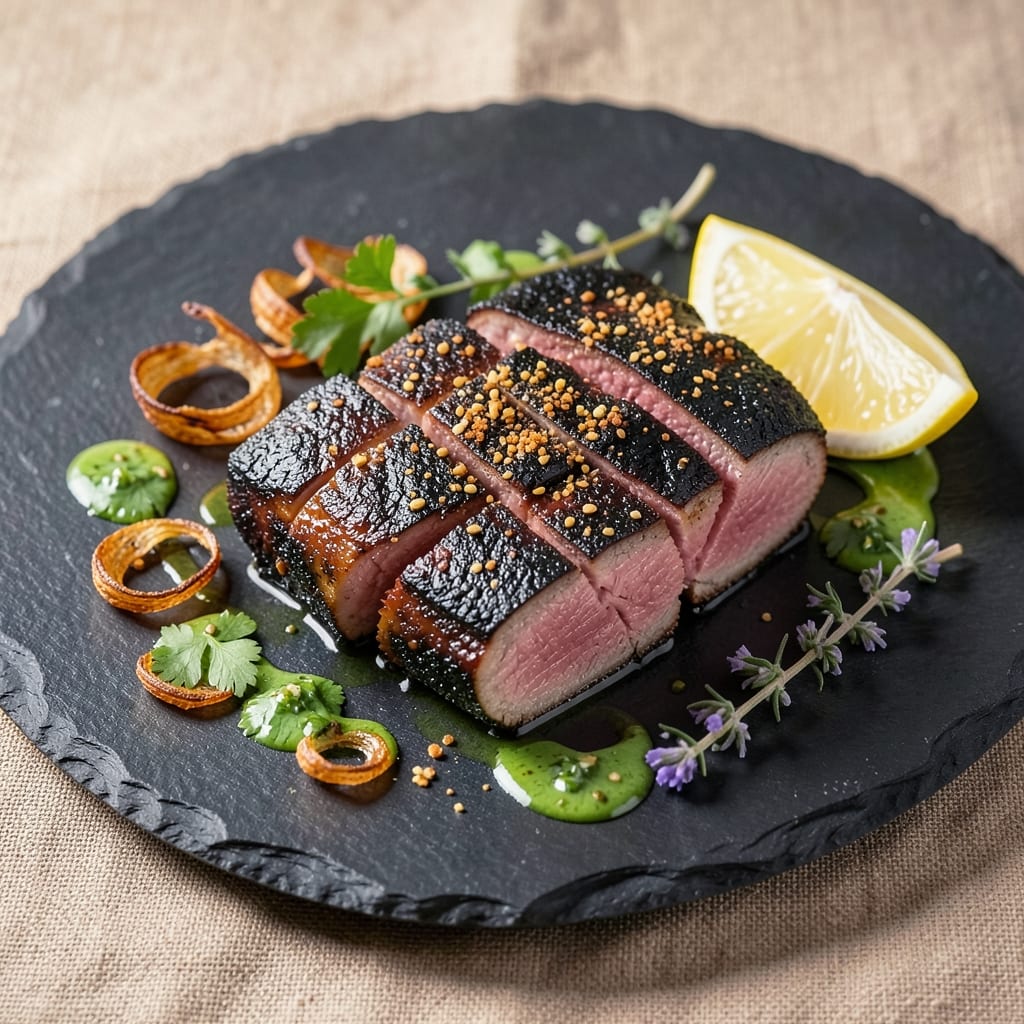
This blackened pork tenderloin recipe delivers smoky, spice-crusted perfection with a juicy core that never dries out. ✨ I developed it during my time in Charleston, where the balance between bold spices and tender meat became my signature. The secret lies in a high-heat sear using a cast-iron skillet and a carefully measured blackening spice blend that creates that signature crust without overpowering the natural sweetness of the pork.
What sets this recipe apart is the technique—starting with a dry-brined tenderloin ensures maximum moisture retention, while the blackened crust delivers that restaurant-quality texture. You'll work with just a handful of ingredients, but the flavor impact is substantial. The key is achieving that perfect sear: hot enough to develop the crust, but controlled enough to keep the interior tender.
By the time you're done, you'll have a centerpiece-worthy dish with a deep mahogany crust and pink, juicy meat inside. The spices linger just beneath the surface, releasing their aroma with every bite. This is the kind of pork dish that commands attention at any table—bold enough to stand alone but versatile enough to pair with roasted potatoes, citrus glaze, or a fresh coleslaw.
The beauty of this method is its adaptability. Whether you're grilling outdoors or searing on your stovetop, the same principles apply. I've tested this recipe countless times, and it never fails to impress—whether you're feeding a crowd or treating yourself to a special meal. Let's get to work on creating that perfect balance of texture and flavor.
Ingredients for blackened pork tenderloin
Pantry spices meet premium pork for a dish that wows without fuss.
| Ingredient | Amount | Notes |
|---|---|---|
| Pork Tenderloin 🥩 | 1 ½ lb | Center-cut, trimmed of fat |
| Smoked Paprika 🌶️ | 2 tbsp | High-quality, not sweet variety |
| Ground Cumin 🌿 | 1 tbsp | Freshly toasted for depth |
| Garlic Powder 🧄 | 1 tbsp | Not garlic salt |
| Onion Powder 🧅 | 1 tbsp | For balanced sweetness |
| Dried Thyme 🌿 | 1 tsp | Or 1 tbsp fresh thyme |
| Black Peppercorns 🌶️ | 1 tsp | Freshly cracked for heat |
| Kosher Salt 🧂 | 1 tbsp | Diamond Crystal preferred |
| Cayenne Pepper 🔥 | ½ tsp | Adjust for spice preference |
| Extra-Virgin Olive Oil 🫒 | 2 tbsp | For high-heat searing |
| Unsalted Butter 🧈 | 2 tbsp | Cold, cubed for basting |
| Fresh Lemon Juice 🍋 | 1 tbsp | Brightens the crust |
| Honey 🍯 | 1 tbsp | For glaze balance |
The pork tenderloin is your star—center-cut for tenderness, trimmed of silver skin for even cooking. I always source mine from Whole Foods or my local butcher; look for a piece with good marbling but not excessive fat. The spices? Penzeys or bulk bins at natural markets for the freshest grind—smoked paprika is non-negotiable here, as it delivers that signature Charleston smokiness. Toast your cumin seeds in a dry pan for 30 seconds before grinding if you're using whole cumin—game-changer for depth. For the salt, Diamond Crystal dissolves more easily than table salt, which matters when you're building that crust.
No smoked paprika? Substitute half with chipotle powder for heat and smokiness. Running low on fresh thyme? Dried works at one-third the amount, but toast it first to wake up the flavor. The olive oil should be lightly fruity, not peppery—California avocado oil works if you prefer a higher smoke point. For the glaze, honey balances the heat beautifully, but maple syrup is a 1:1 swap if you're avoiding refined sugar. The butter basting is crucial—don't skip it—it keeps the crust crisp while keeping the interior juicy. Pro tip: Use a meat thermometer to hit 145°F internal temp—that's perfect pink doneness every time.
This dish reheats beautifully—broil for 3-4 minutes with a splash of apple cider to revive the crust. Keeps 3-4 days wrapped tightly in the fridge or 3 months frozen (portion before freezing for easy reheating). For leftovers, I like to slice thinly and serve over wilted greens with a drizzle of balsamic—suddenly you've got a whole new meal. The spices lose potency after opening, so transfer them to a dark jar if you won't use them all at once. Trust me, that extra 10 minutes of spice toasting makes all the difference.
Why You'll Love This Recipe
- One-Pan Magic: I swear by this recipe—just toss the pork in the spices, slap it on a sheet pan, and let the oven do the work. No chopping, no fussing, and honestly? The blackened crust forms so easily, even if I forget to flip it halfway.
- Smoky Kick Without Effort: That combo of smoked paprika and cumin? It’s like a little flavor bomb that doesn’t require hours of marinating. The garlic and onion powders add depth, but the real star is how the spices caramelize into a sticky, savory crust that’s ridiculously satisfying.
- Weeknight or Weekend Star: Between us, this is my go-to for busy nights, but it also shines at gatherings. Serve it with roasted potatoes for a simple dinner or slice it thin for tacos—it’s that versatile. (Yes, even on a Tuesday night.)
- Budget-Friendly Protein Power: Pork tenderloin is lean, affordable, and cooks fast, so you’re not wasting money or time. Leftovers reheat beautifully, and the spices stretch to flavor other dishes too—like rice or eggs the next morning. Smart, right?
Step-by-step instructions for smoky spice-crusted pork tenderloin
Here's how to transform simple ingredients into a restaurant-worthy centerpiece that's both bold and juicy.
👨🍳 Step 1: Create the Spice Crust
In a small bowl, combine the 2 tbsp smoked paprika, 1 tbsp ground cumin, 1 tbsp garlic powder, 1 tbsp onion powder, 1 tsp dried thyme, 1 tsp freshly cracked black peppercorns, 1 tbsp kosher salt, and 0.5 tsp cayenne pepper. Mix thoroughly until the spices are evenly distributed and you can see no dry spots remaining.
This blend is what creates that signature blackened crust we're after. The smoked paprika gives depth, while the cayenne adds just enough heat to make it interesting. I like to press the spices into the meat rather than just sprinkling—it ensures better adhesion and more even coverage. Set this mixture aside while you prep the pork.
🔥 Step 2: Sear the Pork with High Heat
Pat the 1.5 lb pork tenderloin completely dry with paper towels—this is crucial for developing that crisp crust. Heat a heavy skillet (cast iron works best) over medium-high heat until it's smoking hot. Add 1 tbsp of the extra-virgin olive oil and swirl to coat the pan.
Place the pork in the skillet and sear for 2-3 minutes per side, pressing down gently with a spatula during the first minute. This prevents curling and ensures even contact with the pan. You'll know it's ready to flip when the edges start to turn deep golden brown and the crust begins to form. The internal temperature should reach about 145°F at this point—use a meat thermometer to check.
🥘 Step 3: Build the Flavor Base
Remove the pork from the skillet and set it aside on a plate. Reduce the heat to medium and add the remaining 1 tbsp extra-virgin olive oil along with the 2 tbsp cold unsalted butter, cut into small cubes. Let the butter melt completely, about 1 minute, until it foams and smells nutty.
Quickly pour in the 1 tbsp fresh lemon juice and 1 tbsp honey, scraping up any browned bits from the bottom of the pan. These bits are packed with flavor—don't miss them! The lemon brightens the smoky spices while the honey adds just enough sweetness to balance the heat. Let this mixture simmer for 30 seconds until it's slightly thickened.
🔥 Step 4: Finish with the Spice Crust
Return the seared pork to the skillet and spoon the lemon-honey butter mixture evenly over the top. Sprinkle the spice crust generously over the pork, pressing it into the surface so it sticks. Cook for an additional 1-2 minutes until the spices darken and become aromatic—this is when you'll get that signature blackened look.
Here's where it gets fun: the pork will continue cooking from residual heat. Let it rest on a cutting board for 5-10 minutes before slicing. This resting period is non-negotiable—it allows the juices to redistribute, ensuring each slice stays moist and tender. The crust will stay crispy while the interior remains perfectly juicy.
🍽️ Step 5: Serve with Confidence
Slice the pork tenderloin into ½-inch thick medallions against the grain for maximum tenderness. Arrange on a platter and drizzle with any remaining pan sauce. The contrast of the crispy blackened crust with the juicy pink interior is what makes this dish so special.
Serve immediately with complementary sides like roasted sweet potatoes or a fresh arugula salad. The smoky, slightly spicy crust pairs beautifully with cool, bright flavors. And don't be afraid to save leftovers—they reheat surprisingly well, though the crust will be slightly softer when warmed through.
Pro Tips For Making Blackened Pork Tenderloin
- Use a Cast-Iron Skillet: The blackened crust won’t form properly on nonstick or flimsy pans. A heavy cast-iron skillet conducts heat like a dream—get it screaming hot before adding oil, and don’t skimp on the oil (about 2 tablespoons total). I learned this the hard way when my first batch turned out more steamed than blackened.
- Pat It Bone-Dry: Wet pork = steam = sad, gray crust. After seasoning, grab paper towels and press hard—this isn’t the time to be gentle. The dry surface ensures the spices stick and caramelize instead of sliding off. (Yes, even if you’re impatient like me.)
- Don’t Overcrowd the Pan: Two thin slices at a time is the rule. I used to toss in the whole tenderloin at once, thinking it’d cook faster—wrong. Overcrowding drops the pan’s temperature, and your pork ends up greasy instead of blackened. A quick sear in batches makes all the difference.
- Add Butter at the End: The last 30 seconds of cooking are where flavor happens. Toss in 2 tablespoons of cold butter (yes, cold—it melts faster) along with a pinch of fresh garlic and thyme if you’ve got it. The butter bastes the pork, locking in moisture and adding richness without overpowering the smoky spices. Sounds weird, but it works.
Pro cooking tips for this recipe
High-Heat Secrets
Your skillet needs to be smoking hot before adding the pork—this is non-negotiable for that perfect crust. I use a heavy cast-iron skillet (my vintage Lodge from the 1970s) because it retains heat like nothing else. If your pan isn't hot enough, you'll end up with steamed pork instead of blackened perfection. Test it by flicking a drop of water—if it sizzles and evaporates instantly, you're ready. 🔥
Press the pork down firmly with a spatula during the first minute of searing. This prevents curling and ensures even contact with the pan's surface. I like to use a flat-bottomed spatula—it gives me better control than tongs. The goal is to get those edges deep golden brown before flipping, which usually takes about 2-3 minutes per side depending on your pan's heat.
Spice Application
Don't just sprinkle the spice blend—press it into the meat using the flat side of your spatula. This creates better adhesion and more even coverage. I find that pressing the spices in in concentric circles helps them stick better to the surface. The key is working quickly once you return the pork to the pan so the spices don't burn before they adhere properly.
For extra flavor depth, I like to toast my spices in a dry pan for 30 seconds before mixing them. This wakes up their aromatic compounds and makes them more potent. The smoked paprika is particularly important—it delivers that signature Charleston smokiness that sets this dish apart from regular blackened recipes. Don't substitute with regular paprika unless you're okay with a milder flavor.
Butter Basting
The butter basting is what transforms this from good to restaurant-quality. Use cold cubed butter—it melts more slowly and creates better flavor development. As the butter foams and smells nutty, you'll know it's ready to combine with the lemon and honey. This is when the Maillard reaction really kicks in, creating those complex flavors that make the dish sing.
Don't be tempted to rush this step. Let the butter melt completely and foam before adding the lemon juice and honey. The acid from the lemon brightens the spices while the honey adds just enough sweetness to balance the heat. This combination is what makes the crust both complex and approachable. 💫
Resting Period
This is where most home cooks make their biggest mistake—they slice too soon. The pork needs that 5-10 minute rest to allow juices to redistribute. I like to tent it loosely with foil during this time to keep it warm without steaming. The crust will stay crisp while the interior reaches its perfect juicy state.
Pro tip: If you're serving this at a gathering, use this resting time to prepare your sides. The pork will maintain its temperature beautifully while you finish everything else. And remember—never skip the rest, even if you're eager to serve. That's when you'll get the dreaded dry, stringy texture that ruins an otherwise perfect dish.
Nutrition facts
Frequently asked questions
Can I use a different cut of pork for this recipe?
Pork tenderloin is ideal because of its lean texture and quick cooking time, but you can adapt this method for bone-in pork chops or pork loin. For chops, increase cooking time to 4-5 minutes per side and use a meat thermometer to reach 145°F. Loin roasts will need longer cooking times—aim for 15-20 minutes per side depending on thickness. The blackening technique works best with thinner cuts.
How do I adjust the spice level for kids or sensitive eaters?
Reduce the cayenne to ¼ tsp or omit it completely for a milder version. For extra heat lovers, increase to 1 tsp and add a pinch of crushed red pepper flakes to the spice blend. Always taste your spice mixture first—this helps you gauge the heat before applying it to the meat.
Can I make this recipe ahead of time?
Yes! Cook the pork completely (to 160°F internal temp) and let it cool. Store in an airtight container in the fridge for up to 3 days or freeze for 3 months. To reheat, broil for 3-4 minutes with a splash of apple cider or chicken broth to revive the crust. For best texture, serve within 2 days of cooking.
What's the best way to store leftover blackening spices?
Transfer your spice blend to an airtight glass jar and store in a cool, dark place. Label with the date—these spices stay potent for 6 months when properly stored. For extra freshness, toast 1 tsp of the blend in a dry pan for 30 seconds before each use. Keep the smoked paprika separate if you want to control the smokiness level.
Why did my pork turn out dry?
Most likely you skipped the resting period or overcooked it. Always let pork rest for 5-10 minutes before slicing—this redistributes juices. Use a meat thermometer to avoid overcooking (aim for 145°F for pink doneness). If using a thicker cut, reduce heat slightly after initial searing to prevent drying. The butter basting helps maintain moisture—don't skip this step!