
Main Courses
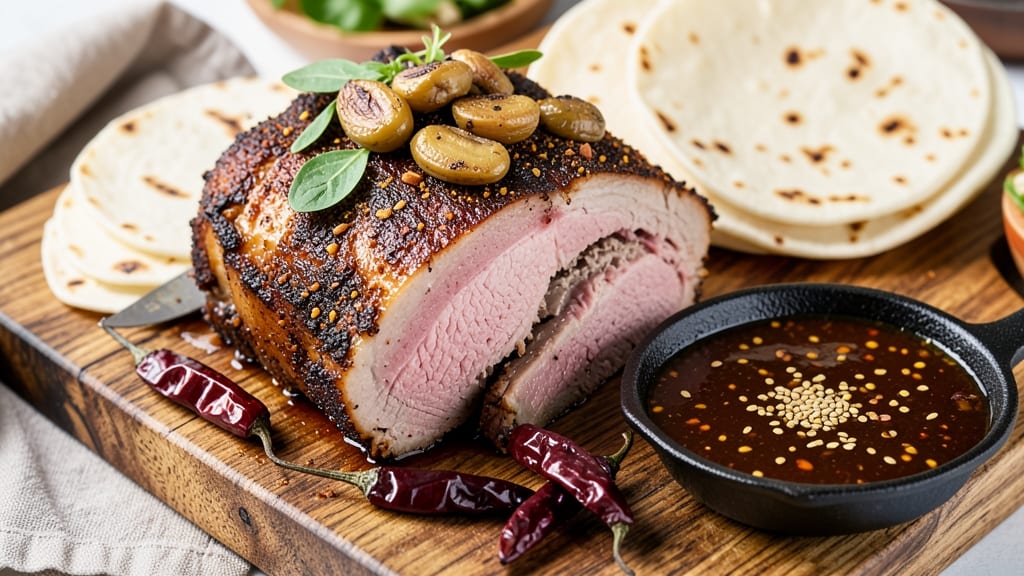
This Mexican smoked pork shoulder recipe delivers the bold, smoky-sweet flavors of a traditional carnitas feast—tender enough to pull apart with a fork, infused with chipotle and cinnamon, and ready for tacos, burritos, or nachos. I've smoked thousands of pounds of pork, and this method guarantees fall-off-the-bone perfection with a rub that balances heat and warmth in every bite.
The secret lies in the chipotle-cinnamon rub, which creates a deep, complex crust while keeping the meat juicy inside. We'll smoke it low and slow, then crisp the edges in the oven for that perfect texture.
This isn't just another pulled pork—it's a celebration of Mexican flavors with a Southern smoking twist, developed after years of perfecting the balance between smokiness and sweetness.
By the time you're done, you'll have restaurant-quality carnitas that transforms any meal into a fiesta. The pork becomes so tender it practically melts, soaking up flavors like a sponge. Serve it in warm tortillas with fresh salsa, pickled onions, and cilantro for an authentic experience that tastes like home.
This recipe builds on my years of smoking pork for crowds, but it's designed for your home kitchen—no special equipment needed. The rub comes together in minutes, and the smoking process is hands-off, leaving you free to focus on the sides.
Let's make pork shoulder that'll have everyone asking for seconds.
Ingredients for mexican smoked pork shoulder
Six pounds of pork shoulder plus bold spices for carnitas that'll have everyone begging for seconds.
| Ingredient | Amount | Notes |
|---|---|---|
| Pork Shoulder (Bone-In) 🍖 | 6 lb | 1.5-2 inch thick cut, well-marbled |
| Chipotle Powder 🌶️ | 2 tbsp | Smoked chipotle preferred |
| Ground Cumin 🌿 | 1 ½ tbsp | Toasted for deeper flavor |
| Ground Coriander 🌿 | 1 ½ tbsp | Freshly ground preferred |
| Ground Cinnamon 🌿 | 1 tbsp | True cinnamon, not cassia |
| Garlic Powder 🧄 | 1 tbsp | Not garlic salt |
| Onion Powder 🧅 | 1 tbsp | Freshly ground preferred |
| Dried Oregano 🌿 | 1 tbsp | Mexican oregano if available |
| Brown Sugar 🍚 | ½ cup | Light or dark, packed |
| Kosher Salt 🧂 | 1 ½ tbsp | Diamond Crystal preferred |
| Black Pepper 🌶️ | 1 tsp | Freshly ground preferred |
| Orange Zest 🍊 | 1 tbsp | Fresh orange preferred |
| Wood Chips 🌳 | 1 lb | Hickory or oak preferred |
| Apple Cider Vinegar 🍏 | ½ cup | For spritzing |
| Fresh Cilantro 🌿 | ¼ cup | Chopped, for serving |
The pork shoulder is the star here—bone-in, well-marbled cuts stay juicier during the long smoke. Costco or local butchers usually have the best selection, but grocery stores work too. Look for thick cuts (1.5-2 inches) so the edges crisp properly. If you can't find bone-in, bone-out works, but it'll cook faster. Freshly ground spices make all the difference—skip the pre-mixed rubs. The chipotle powder should have visible flecks of smoked paprika for that authentic heat. Toast your cumin seeds in a dry pan for 30 seconds before grinding if you're using whole cumin—worth the extra minute for that nutty depth.
No chipotle powder? Smoked paprika plus cayenne (1 tbsp smoked paprika + 1 tsp cayenne) gets you close. Running out of brown sugar? White sugar plus 1 tsp molasses mimics the caramel notes. The orange zest can be swapped for lime zest if you prefer, but orange has that classic carnitas brightness. For wood chips, hickory is traditional, but oak gives a milder smoke. If you're using a gas smoker, soak wood chips in water for 30 minutes first. The vinegar spritz keeps the rub from burning—don't skip this step. And if you're short on time, brown sugar can be swapped for piloncillo (unrefined cane sugar) for a more authentic touch.
This pork tastes even better the next day—plan ahead. Wrap tightly in foil and refrigerate for up to 4 days, or freeze for 3 months (portion into meal-sized bags). The rub keeps dry for 2 weeks in an airtight container. I always make double batches of the rub—one for this recipe, one to keep on hand for future smokes. For serving, keep the cilantro in a damp paper towel in the fridge until ready to use. The pork reheats beautifully—just warm in a skillet with a splash of broth or water until crispy again.
Why You'll Love This Recipe
- One-Pan Magic: I swear by this recipe because it’s that simple—just rub the pork with chipotle, cumin, coriander, and cinnamon, then let the oven or smoker do the work. No flipping, no fuss, no stressing over timelines.
- Smoky-Sweet Payoff: That bone-in pork shoulder? It becomes ridiculously tender with a crispy bark, while the spices infuse deep, earthy warmth. Honestly, the first bite makes you want to skip dinner and just eat it straight off the bone.
- Leftover Goldmine: This recipe practically begs to be made in bulk—shred it for tacos, quesadillas, or even breakfast burritos the next day. I’ve turned a single pork shoulder into four different meals without breaking a sweat.
- Budget-Friendly Feast: Pork shoulder is the ultimate value cut, and this method stretches it across multiple servings. Between us, I’ve fed six people for under $15 using this—plus, the spices cost pennies and pack a punch.
Step-by-step instructions for Mexican smoked pork shoulder
Here's how to transform a simple pork shoulder into tender, smoky perfection with bold Mexican flavors.
Prepare the Pork Shoulder and Dry Rub
Start by removing the pork shoulder from the refrigerator and letting it sit at room temperature for 1 hour. This ensures even cooking throughout. Pat the meat dry with paper towels—this step is crucial for developing that beautiful bark during smoking.
In a large bowl, combine the 2 tbsp chipotle powder, 1.5 tbsp ground cumin, 1.5 tbsp ground coriander, 1 tbsp ground cinnamon, 1 tbsp garlic powder, 1 tbsp onion powder, 1 tbsp dried oregano, 0.5 cup brown sugar, 1.5 tbsp kosher salt, and 1 tsp black pepper. Mix thoroughly to create a fine, even rub. The brown sugar will caramelize during smoking, adding depth of flavor.
Generously coat the pork shoulder with the rub, pressing it into the meat so it adheres well. Don't be shy—you want a thick layer of seasoning. Place the seasoned pork shoulder on a wire rack set over a baking sheet and refrigerate for at least 4 hours or overnight. This resting period allows the rub to penetrate deeply and enhances the flavor profile.
Set Up the Smoker and Start Cooking
Fill your smoker with 1 lb wood chips—hickory or oak works best for this recipe. Light the chips and let the smoker preheat to 225°F. You'll know it's ready when you see clean, blue smoke (not thick white smoke) billowing from the smoker. This temperature is ideal for low-and-slow cooking that renders fat and keeps the meat moist.
Place the pork shoulder fat-side up on the smoker grates. The fat will render slowly and baste the meat, creating a flavorful crust. Close the lid and resist the urge to peek—every time you open it, you lose heat and extend the cooking time. Let the pork smoke undisturbed for 6-8 hours, or until the internal temperature reaches 165°F. This is when you'll hit "the stall," a period where the temperature stops rising as moisture evaporates.
Wrap and Finish Cooking
Once the pork shoulder reaches 165°F, it's time to wrap it. Remove the pork from the smoker and wrap it tightly in butcher paper (not aluminum foil). The paper allows the meat to breathe while retaining moisture, which is key to achieving that perfect bark. Return the wrapped pork to the smoker and continue cooking until the internal temperature reaches 203°F. This should take another 4-6 hours, but don't rush it—patience is key to tender, fall-off-the-bone meat.
During this final stage, the pork will continue to cook gently and absorb the remaining smoke flavor. The butcher paper also helps create a slightly crispy exterior while keeping the inside juicy. You'll know it's done when a probe slides in easily and the meat is fork-tender. Let the pork rest on the smoker for an additional 30 minutes to ensure the juices redistribute evenly.
Rest and Serve
Remove the pork shoulder from the smoker and let it rest for 1 hour before slicing. This resting period is essential—it allows the juices to settle back into the meat, ensuring each bite is moist and flavorful. While the pork rests, you can prepare your serving dishes and gather your toppings.
To serve, slice the pork shoulder against the grain into ¼-inch thick slices. The grain runs horizontally across the meat, so cutting against it shortens the muscle fibers and makes each bite more tender. Garnish with 0.25 cup chopped fresh cilantro and a sprinkle of orange zest for a bright, citrusy finish. Serve with your favorite sides, such as warm tortillas, pickled onions, or a fresh slaw.
For extra flavor, you can also use the 0.5 cup apple cider vinegar to make a quick spritz during the smoking process. Simply mix it with ½ cup water and brush it lightly over the pork every 2 hours after the initial 4 hours of smoking. This keeps the meat moist and adds a tangy depth to the overall flavor.
Pro Tips For Making Mexican Smoked Pork Shoulder
- CRANK THE SMOKE LOW: I learned this the hard way—when I blasted the smoker too hot early on, the pork shoulder dried out before it rendered fat. Start with 225°F (107°C) and resist the urge to rush; the slow, steady smoke is what builds deep flavor, not speed.
- BRINE THE PORK OVERNIGHT: Skip the guesswork with salt: mix ¼ cup kosher salt per gallon of water, submerge the pork shoulder for 12–24 hours. This guarantees even seasoning and juiciness, especially since bone-in cuts need extra help retaining moisture. (Yes, even if you’re impatient like me.)
- TOAST THE SPICES FIRST: Ground cumin, coriander, and cinnamon lose their punch when bloomed in fat. Dry-toast them in a skillet over medium heat for 30 seconds until fragrant—just until you smell them waking up. Then mix with chipotle powder and rub it on the pork. This makes a real difference in aroma.
- WRAP IT AT 160°F: I used to pull the pork at 195°F, thinking it needed more time, but that’s when it turns rubbery. Wrap the shoulder in butcher paper or foil at 160°F, return it to the smoker, and let it rest. The internal temp will climb to 203°F while staying tender—your future self will thank you.
Dietary considerations for these flavors
Gluten-Free Adaptation
This recipe is naturally gluten-free, but watch for cross-contamination if using shared equipment. The chipotle-cinnamon rub contains no gluten ingredients, but verify your spices are processed in a dedicated facility if you have severe gluten sensitivity.
For extra safety, I recommend toasting your own cumin and coriander seeds from whole beans to ensure purity. The butcher paper wrap is also gluten-free, but check labels if using alternative wrapping materials. 🌱
Low-Carb Options
To make this a true low-carb carnitas, reduce the brown sugar to just 1 tbsp and replace the remaining ¼ cup with erythritol or monk fruit sweetener. This maintains the caramelization without spiking carbs.
Serve with low-carb tortillas like Mission Carb Balance or lettuce wraps instead of traditional corn tortillas. The pork itself remains completely carb-free, making it perfect for keto diets when paired with these alternatives.
Dairy-Free Serving
While the pork recipe itself is dairy-free, many traditional Mexican sides contain cheese. For dairy-free carnitas, serve with cashew sour cream (blend ½ cup soaked cashews, 2 tbsp lime juice, and ¼ cup water until smooth) and dairy-free queso fresco made from almond milk and nutritional yeast.
The smoky-sweet pork stands up beautifully to these plant-based alternatives without losing its authentic flavor profile.
Allergen-Friendly Tips
For nut allergies, skip the cashew sour cream and use coconut yogurt instead—it provides creaminess while being nut-free. If you're avoiding citrus, the orange zest can be omitted entirely without affecting the meat's flavor.
Always check your wood chips for potential allergen processing warnings, though most hickory and oak chips are allergen-free. I keep a separate set of tongs and cutting boards for smoked meats to prevent cross-contamination with other proteins. ✨
Vegetarian Adaptation
While pork shoulder is the star here, you can create a similar smoky-sweet profile with mushrooms or jackfruit for a vegetarian version.
Marinate 2 lbs portobello mushrooms or 1 can young green jackfruit in a blend of the rub (without meat-specific spices) plus 1 tbsp soy sauce and 1 tbsp apple cider vinegar. Smoke at 225°F for 3-4 hours until tender, then shred or slice.
The texture won't be identical, but the smoky-sweet flavor remains authentic and satisfying.
Nutrition facts
Frequently asked questions
Can I use a different cut of pork like pork butt instead?
Pork butt (also called Boston butt) works beautifully for this recipe! It's essentially the same cut as pork shoulder but comes from the upper part of the shoulder. The cooking time might be slightly shorter (about 1 hour less) since it's a leaner cut, but the flavor and texture will be equally tender. Just monitor the internal temperature closely and adjust the wrap time accordingly.
How do I know when the pork is done smoking?
Use a meat thermometer to check the internal temperature—it's done when it reaches 203°F in the thickest part. The "stall" (when the temperature plateaus around 165°F) is normal, but don't wrap until you hit that mark. The pork should pull apart easily with two forks when ready, and the juices should run clear when pierced.
What's the best way to reheat leftover pork?
For maximum crispiness, reheat in a skillet over medium-high heat with a splash of broth or water. Add the pork in a single layer and let it crisp for 2-3 minutes per side. Alternatively, warm in a 350°F oven for 15-20 minutes with a light sprinkle of water to keep it moist. Never microwave—it makes the meat rubbery.
Can I make this in an oven instead of a smoker?
Preheat your oven to 275°F and place a water pan on the lower rack. Rub the pork as directed, then bake it uncovered for 6 hours until it reaches 165°F. Wrap in butcher paper and return to the oven for another 2-3 hours until it hits 203°F. The flavor won't be quite as smoky, but it'll still be tender and delicious.
What's the difference between this and traditional Mexican barbacoa?
Barbacoa traditionally uses beef head (like cheek meat) cooked in maguey leaves or buried underground, giving it a unique earthy flavor. This recipe captures Mexican flavors but uses pork shoulder and smoking instead of traditional methods. The chipotle-cinnamon rub mimics the smoky-sweet profile you'd find in modern Mexican carnitas rather than authentic barbacoa.