
Main Courses
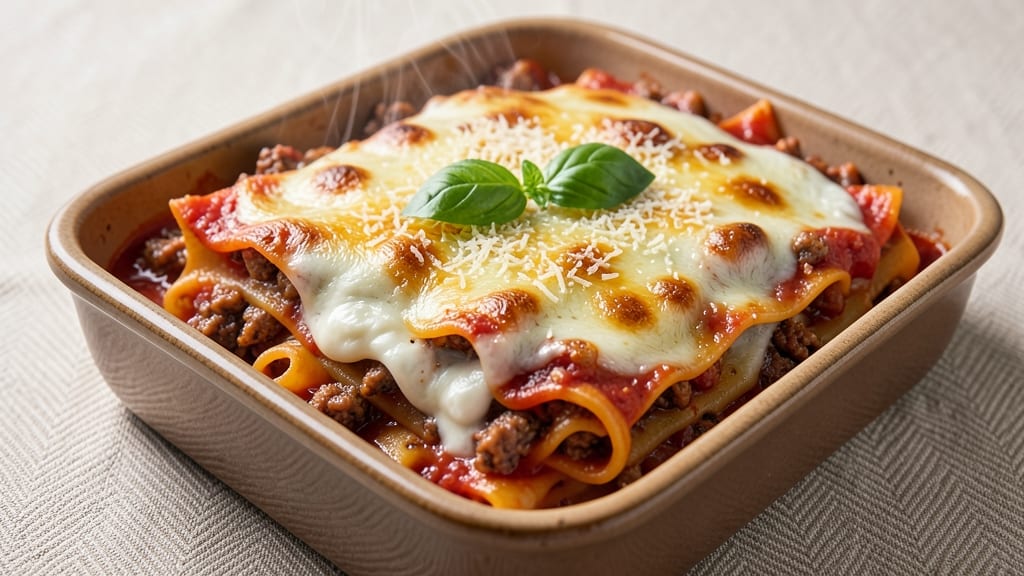
This minced pork lasagna recipe delivers all the comfort of a traditional Italian feast with a modern twist. 💛 The secret lies in perfectly cooked pork that's tender yet flavorful, layered with no-boil noodles for foolproof results.
I've perfected this version after years of testing—it's rich, herby, and packed with layers of melted cheese that make every bite satisfying.
The foundation starts with finely minced pork that's browned until deeply flavorful, then simmered with garlic, herbs, and a touch of red wine to create a sauce that clings to every lasagna layer.
Traditional Italian techniques like pre-cooking the meat and using ricotta for creaminess ensure restaurant-quality results without the fuss. The no-boil noodles eliminate the need for pre-cooking, making assembly quick and stress-free.
What you'll end up with is a lasagna that's golden on top, with perfectly tender noodles, creamy ricotta layers, and a meat sauce so rich it melts into each bite.
The aroma alone will have everyone gathering at the table, and the first forkful delivers that perfect balance of herby pork, tangy tomato, and melted cheese. This is the kind of dish that transforms a weeknight into a celebration.
Serve with a simple green salad and crusty bread to soak up every last bit of that herby meat sauce. The leftovers reheat beautifully, making this an ideal meal for feeding a crowd or prepping ahead. Let's get started on this comforting classic that's sure to become a family favorite.
Ingredients for minced pork lasagna
Here's what you need to make this rich, herby minced pork lasagna that's all about tender layers and bold flavors.
| Ingredient | Amount | Notes |
|---|---|---|
| Ground Pork 🐖 | 1 ½ lb | Finely minced, not pre-seasoned |
| Lasagna Noodles 🍝 | 12 pieces | No-boil, oven-ready |
| Ricotta Cheese 🧀 | 15 oz | Whole milk, not low-fat |
| Mozzarella Cheese 🧀 | 2 cups | Shredded, part-skim or whole milk |
| Parmesan Cheese 🧀 | 1 cup | Freshly grated, block preferred |
| Tomato Sauce 🍅 | 2 ½ cups | High-quality jarred or homemade |
| Garlic Cloves 🧄 | 6 cloves | Minced, fresh preferred |
| Red Wine 🍷 | ½ cup | Dry, like Chianti or Merlot |
| Fresh Basil 🌿 | ¼ cup | Chopped, stems removed |
| Fresh Parsley 🌿 | ¼ cup | Chopped, for garnish |
| Eggs 🥚 | 2 whole | Large, for ricotta mixture |
| Olive Oil 🫒 | 2 tbsp | Extra-virgin, for browning pork |
| Salt 🧂 | 1 ½ tsp | Kosher or sea salt |
| Black Pepper 🌶️ | ½ tsp | Freshly ground |
| Dried Oregano 🍃 | 1 tsp | Italian preferred |
The pork is the star, so pick finely minced ground pork—the kind that's not pre-seasoned. Costco or Trader Joe's usually have the best quality, but check the label for 'finely minced' or 'ground pork for Italian sausage' if your store has it. Fresh basil and parsley make all the difference here—grab a bunch from the grocery store's produce section and chop extra for garnish. For the cheese, buy a block of Parmesan and grate it yourself (pre-grated has anti-caking agents that make it taste funny). The ricotta should be whole milk—low-fat gets watery when baked.
No red wine? Substitute with beef broth plus a splash of balsamic vinegar—it's still delicious. Short on fresh herbs? Dried oregano at half the amount works in a pinch. The tomato sauce can be jarred—Rao's or Barilla are solid choices, or make your own with San Marzano tomatoes. For the ricotta mixture, add a pinch of nutmeg if you've got it—it's a classic Italian touch. If your lasagna noodles aren't no-boil, undercook them by 1 minute so they finish cooking in the oven.
Prep the ricotta mixture ahead and store it in the fridge for up to 2 days—it's one less thing to do on lasagna day. The assembled lasagna keeps well in the fridge for 4-5 days, but honestly, it's even better the next day when everything melts together. Freeze portions for up to 3 months—just thaw overnight in the fridge before reheating. I always make a double batch because it disappears fast, especially with the herby meat sauce for dipping bread.
Why You'll Love This Recipe
- I swear by this trick: just layer the cooked noodles, pork mixture, ricotta, and cheeses—no fancy folding required. The ricotta spreads like butter, so even if your hands are sticky, it stays together.
- No-Fuss Assembly: I swear by this trick: just layer the cooked noodles, pork mixture, ricotta, and cheeses—no fancy folding required. The ricotta spreads like butter, so even if your hands are sticky, it stays together.
- Umami Bomb Layers: That ground pork seared with garlic and herbs? It’s the star. Then the ricotta adds creamy richness, and the mozzarella melts into gooey perfection—every bite is a flavor explosion.
- Weeknight to Potluck: Make it for Tuesday dinner or double the batch for Sunday gatherings. The leftovers reheat beautifully, and honestly? The more people you feed, the better it tastes.
Step-by-step instructions for minced pork lasagna
Here's how to build layers of rich meat sauce and creamy ricotta for lasagna that tastes homemade.
🍳 Step 1: Brown the Pork and Build the Meat Sauce
Heat the 2 tbsp olive oil in a large skillet over medium-high heat. Add the 1.5 lb ground pork and break it apart with a wooden spoon, cooking until it loses its raw color and starts to brown—about 5-7 minutes. You want to render out as much fat as possible for maximum flavor.
Push the pork to one side of the pan and add the 6 cloves minced garlic, stirring for 30 seconds until fragrant. Pour in the 0.5 cup red wine and scrape up any browned bits from the bottom (this is called deglazing). Let it simmer for 2 minutes until the wine reduces by half.
Add the 2.5 cups tomato sauce, 1.5 tsp salt, 0.5 tsp black pepper, and 1 tsp dried oregano. Stir well, then reduce heat to medium-low and let the sauce simmer uncovered for 15-20 minutes until it thickens slightly. Stir in the 0.25 cup chopped fresh basil at the end—this keeps the leaves vibrant and fresh-tasting.
👨🍳 Step 2: Make the Ricotta Cheese Mixture
In a medium bowl, combine the 15 oz ricotta cheese, 2 whole eggs, 0.5 cup chopped fresh parsley, 0.5 cup grated parmesan cheese, and 0.5 tsp black pepper. Mix gently with a fork until just combined—don't overmix or the ricotta will get grainy. The mixture should be thick but spreadable.
Taste and adjust seasoning if needed. I usually add a pinch more salt here since the ricotta often needs it. Cover the bowl and set aside while you assemble the lasagna—this gives the flavors time to meld slightly.
🥘 Step 3: Assemble the Lasagna Layers
Preheat your oven to 375°F. Spread 1 cup of the meat sauce on the bottom of a 9x13-inch baking dish to prevent sticking. This is your first layer and it's non-negotiable—it keeps your lasagna from drying out.
Lay 4 lasagna noodles over the sauce, making sure they overlap slightly at the edges. Spread half of the ricotta mixture evenly over the noodles, then sprinkle with 1 cup mozzarella cheese. Repeat with another 4 noodles, the remaining ricotta, and another 1 cup mozzarella. Top with the remaining 1 cup mozzarella and pour the rest of the meat sauce over everything.
🔥 Step 4: Bake Until Bubbly and Golden
Cover the baking dish tightly with aluminum foil and bake for 30 minutes. Remove the foil and bake for another 15-20 minutes until the top is golden brown and bubbly. The edges should look crispy while the center still jiggles slightly when shaken.
Let the lasagna rest for 10-15 minutes before slicing—this is crucial for clean cuts and preventing fillings from sliding out. The internal temperature should reach 165°F at the thickest part. If you're worried, check with a meat thermometer inserted into the ricotta layer.
🍽️ Step 5: Serve with Fresh Herbs
Garnish with additional chopped fresh parsley and a sprinkle of grated parmesan cheese right before serving. Let everyone dig in while it's still warm—this lasagna is at its best when the noodles are tender and the cheeses are melty and gooey.
Real talk: The first few slices will be the most dramatic. The layers should peel apart cleanly, revealing rich meat sauce, creamy ricotta, and perfectly al dente noodles. If you have leftovers, they'll actually taste better the next day when the flavors have more time to meld.
Pro Tips For Making Minced Pork Lasagna
- Brown the Pork Properly: Drain the grease halfway through cooking the minced pork—after it’s lost its raw color but before you add tomatoes. I learned this the hard way: leaving the fat in makes the meat greasy, and skimming it too late leaves you with a dry, flavorless base. Use a slotted spoon and work fast, or the pork will start to overcook while you fuss.
- Pre-Cook the Noodles: Boil lasagna noodles just until al dente, then drain and rinse briefly under cold water. This stops them from turning mushy when baked. I used to bake them dry, thinking it’d save time—big mistake. They absorb too much sauce and fall apart. A quick rinse keeps them firm and lets them soak up flavor instead of water.
- Mix Ricotta Like a Pro: Stir ricotta with an egg and a handful of grated Parmesan before layering—this keeps it from curdling when baked. I was skeptical until I tried it: the egg binds everything, and the Parmesan adds depth without making it too rich. Skip the egg, and you’ll end up with a ricotta layer that’s more sad than saucy.
- Layer with Purpose: Start and end with a thick layer of sauce, not cheese—this prevents a dry top and soggy bottom. I used to go cheese-heavy on top, thinking it’d get crispy. Instead, it turned into a gluey mess. A sauce barrier means the noodles stay tender, and the cheese melts evenly. Trust me, the first and last layers matter most.
Storing and reheating your minced pork lasagna
Fridge Storage Tips
Your lasagna will keep beautifully in the fridge for 4-5 days when stored properly. Let it cool completely before transferring to an airtight container—I use glass Pyrex with snap-on lids.
The flavors actually deepen overnight as the meat sauce and ricotta meld together. Store in a single layer if possible to maintain even texture. 💛
Freezer Prep
For long-term storage, freeze portions in quart-sized freezer bags with all air removed. I like to portion into individual servings so you can thaw just what you need. Label with the date and freeze for up to 3 months. Thaw overnight in the fridge before reheating for best results.
Oven Reheating
The oven method gives you the most even results. Cover your lasagna tightly with aluminum foil and reheat at 350°F for 30-40 minutes until bubbly. For extra crispiness, uncover for the last 5 minutes of reheating. This method preserves the creamy ricotta layer perfectly.
Microwave Method
For quick reheating, slice individual portions and cover with a damp paper towel. Heat on 50% power for 2-3 minutes, then stir and continue in 30-second intervals until reaching 165°F internally. Add a splash of water or beef broth if it looks dry during reheating.
Stovetop Refresh
This is my favorite method for restaurant-quality results. Slice your lasagna and place in a skillet with 2 tbsp olive oil over medium-low heat. Cover and cook for 5-7 minutes, stirring occasionally, until heated through.
The crispy edges and melted cheese make it taste almost as good as fresh.
Leftovers Hack
I always make extra because the second day is even better—the noodles soften perfectly, the ricotta becomes ultra-creamy, and the meat sauce intensifies in flavor. Store leftovers in the fridge for up to 5 days and reheat using any of the methods above.
The herby pork flavor actually improves with time! ✨
Nutrition facts
Frequently asked questions
Can I substitute ground beef for the minced pork?
You can, but the flavor will be different. Ground beef works well if you add 1 tsp Italian seasoning and ½ tsp fennel seeds to mimic pork's herby notes. For best results, use a 80/20 fat ratio and drain excess fat after browning. Pork stays juicier and has a more delicate texture that pairs perfectly with ricotta.
Why does my lasagna get watery after baking?
This usually happens from overmixing the ricotta or using too much tomato sauce. The ricotta mixture should be thick—add 1 extra egg if it's too runny. Also, drain excess liquid from the meat sauce before assembling. For extra insurance, bake uncovered for the last 5-10 minutes to evaporate any moisture.
Can I make this lasagna ahead of time?
Assemble the lasagna up to 24 hours ahead and refrigerate uncovered. Before baking, let it sit at room temperature for 30 minutes to even out. The flavors will meld beautifully overnight. For freezing, assemble and bake, then cool completely before wrapping tightly in foil and freezing for up to 3 months.
What's the best way to make no-boil noodles if I don't have them?
Use regular lasagna noodles and undercook them by 1 minute less than package instructions. For extra insurance, spread a thin layer of sauce on the bottom of your dish before adding noodles. This prevents sticking and helps the noodles finish cooking in the oven. The key is to layer quickly once the oven is preheated to 375°F.
How do I make this vegetarian?
Replace the pork with 1.5 lb mushrooms (cremini or portobello) finely chopped and sautéed with garlic and herbs. Add 1 tbsp soy sauce or 1 tsp miso paste for umami depth. For a meaty texture, consider 1 cup lentils cooked until tender. The ricotta and cheese layers will still provide that classic lasagna creaminess.