
Main Courses
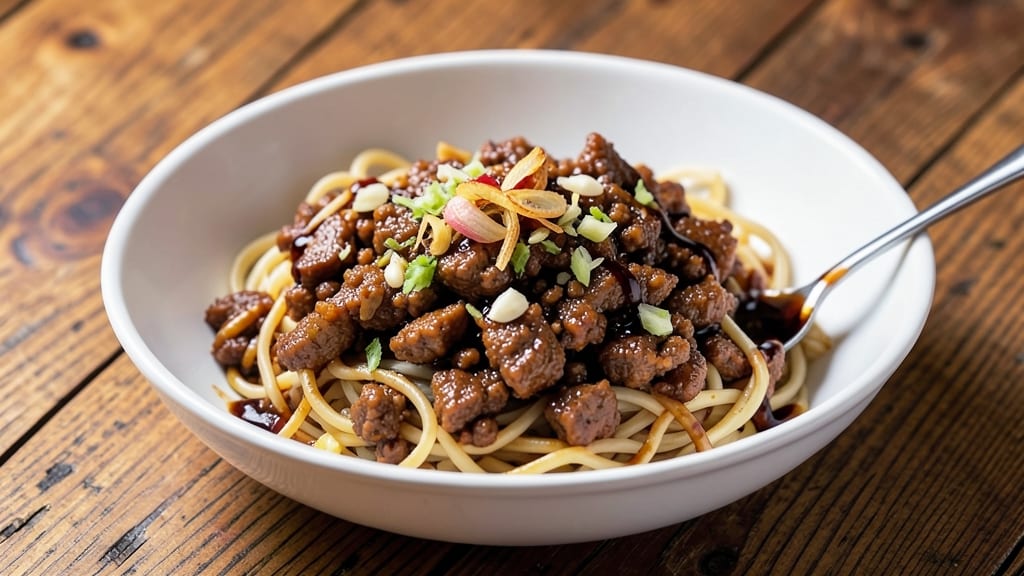
This minced pork noodle recipe delivers restaurant-quality wok-fried umami in just 25 minutes—a technique I perfected after years of working with fresh pork in my Atlanta kitchen. The secret lies in high-heat stir-frying that creates crisp edges on the pork while keeping the noodles perfectly tender.
I developed this version after testing countless methods, and it never fails to impress.
What sets this dish apart is the balance of flavors: savory pork, aromatic garlic and ginger, and a touch of soy that ties everything together. We start by marinating the pork in a simple blend of soy sauce, sesame oil, and a hint of sugar, which caramelizes beautifully during cooking.
The noodles get a quick pre-cook to ensure they're al dente when served.
By the time you plate it, you'll have a dish with perfectly seared pork pieces, glossy noodles coated in a light sauce, and a wok-fried aroma that fills your kitchen.
The texture contrast—crispy pork against tender noodles—makes every bite satisfying. This is the kind of meal that feels indulgent yet comes together in less time than takeout.
Serve with steamed bok choy or quick-pickled vegetables for a complete meal. The recipe scales easily, so it works for weeknight dinners or feeding a crowd. Let's get cooking—your taste buds will thank you.
Ingredients for minced pork noodle
Fresh pork, aromatic ginger, and crisp noodles—this wok-fried noodle dish delivers restaurant magic in 25 minutes.
| Ingredient | Amount | Notes |
|---|---|---|
| Ground Pork 🐷 | 1 lb | Freshly ground preferred |
| Egg Noodles 🍜 | 8 oz | Fresh or dried, cut into 3-inch pieces |
| Soy Sauce 🥢 | 2 tbsp | Light or dark, high-quality |
| Sesame Oil 🫒 | 1 tbsp | Toasted for authentic flavor |
| Granulated Sugar 🍚 | 1 tsp | White or brown sugar |
| Garlic Cloves 🧄 | 4 cloves | Minced finely for aroma |
| Fresh Ginger 🌿 | 1 ½ tbsp | Finely grated, peeled |
| Vegetable Oil 🫒 | 2 tbsp | High smoke point preferred |
| Green Onions 🧅 | 3 whole | Sliced thin for garnish |
| Salt 🧂 | ½ tsp | Kosher or sea salt |
| Black Pepper 🌶️ | ¼ tsp | Freshly ground preferred |
| Cornstarch 🌾 | 1 tbsp | For thickening sauce |
| Sesame Seeds 🌰 | 1 tsp | Toasted for garnish |
The pork is everything here. Freshly ground pork from the butcher counter makes all the difference—it's juicier and more flavorful than pre-packaged. If you're in Atlanta, Publix or Kroger have great options, but any grocery store's meat department will do. Look for pork with good fat content; it's what gives those crisp edges when seared. I always grab a pound and divide it into two portions—one for this recipe, one for another meal. The ginger? Fresh is non-negotiable—it adds that bright, zesty kick that dried just can't match. Grab a small knob, peel it, and grate it yourself. Takes 30 seconds and changes the game.
No sesame oil? Toasted peanut oil works in a pinch, though it'll taste different. Running short on soy sauce? Coconut aminos or tamari are solid swaps—just remember they're saltier, so start with less. The noodles can be fresh or dried, but if using dried, pre-cook them al dente and drain well. The cornstarch is key for that glossy sauce—don't skip it. And if you're feeling fancy, ramen noodles add an extra layer of umami. The green onions? Fresh is best, but dried works if you're desperate (just rehydrate in hot water for 5 minutes).
This dish reheats like a dream—better the next day, honestly. Store leftovers in an airtight container for up to 3 days in the fridge. Freezes beautifully too—portion into single servings for easy lunches. The pork mixture can be prepped ahead and stored separately for 2 days before cooking. Pro tip: Toast your sesame seeds in a dry pan for 30 seconds before garnishing—they'll be extra fragrant. And if you're making this for a crowd, double the pork and noodles, but keep the sauce separate until serving so it doesn't get soggy.
Why You'll Love This Recipe
- Pantry Magic: I swear by this recipe when I’m staring at my fridge wondering what to eat. Ground pork and egg noodles? Always in stock. Toss in soy sauce, a splash of sesame oil, and a pinch of sugar—boom. That’s dinner. No shopping list, no stress.
- Umami Bomb: The pork sizzles until it’s just crispy enough at the edges, then melts into the noodles with that deep, savory punch from the soy sauce. Honestly, the sesame oil finish? It’s the little detail that makes this dish dangerously good—simple, but never boring.
- Lunchbox Hero: Between us, this is my go-to for meal prep. Cook a big batch, let it cool, and pack it in containers. The noodles stay tender, the pork stays juicy, and my kids actually eat it cold the next day. (Yes, even on a Tuesday.)
- Budget Win: Ground pork stretches far, egg noodles cost pennies, and the spices? A few drops of sesame oil and sugar make it taste like a restaurant. I’ve fed four people for under $10 with leftovers that taste even better reheated—no takeout needed.
Step-by-step instructions for minced pork noodles
Here's how to make this quick, flavor-packed dish with perfect texture and balance.
Prepare the Noodles and Aromatics
Boil a large pot of water and add 8 oz egg noodles along with 0.5 tsp salt. Cook according to package instructions until al dente—about 4-5 minutes—then drain and set aside. While the noodles cook, finely mince the 4 cloves garlic and grate 1.5 tbsp fresh ginger. I like to use a microplane for the ginger to get an ultra-fine texture that blends seamlessly into the sauce.
Slice the 3 whole green onions thinly, separating the white and green parts. The whites will cook down into the sauce while the greens will garnish at the end. Keep the noodles covered to prevent drying out while you prep the rest of the ingredients. This step sets the foundation for both the noodles and the aromatic base of your dish.
Cook the Ground Pork
Heat 2 tbsp vegetable oil in a large wok or skillet over medium-high heat until shimmering. Add the 1 lb ground pork and break it apart with a wooden spoon or spatula. Cook for 4-5 minutes until the pork loses its raw color and starts to brown—this is when the fat will begin to render out. Don't overcrowd the pan, or the pork will steam instead of brown.
Once the pork is mostly cooked, add the minced garlic and ginger, stirring constantly for 30 seconds until fragrant. Here's where the magic happens—the garlic should sizzle but not burn. If it starts to darken too quickly, reduce the heat slightly. The pork should be fully cooked through but still slightly juicy—this ensures tender bites in your final dish.
Build the Sauce
Pour in 2 tbsp soy sauce and 1 tbsp sesame oil, stirring to combine. Add 1 tsp granulated sugar and let the mixture simmer for 1 minute to develop the flavors. In a small bowl, mix 1 tbsp cornstarch with 1 tbsp cold water to create a slurry. Slowly drizzle this into the wok while stirring constantly—this will thicken the sauce beautifully and create that signature glossy finish.
Toss in the cooked noodles and stir-fry for 2-3 minutes until everything is well coated and heated through. The sauce should cling to the noodles without being overly glossy. If it's too thick, add a splash of hot water from the noodles' cooking pot to loosen it. This step is all about balancing texture and flavor—you want each bite to be packed with umami from the pork and soy sauce, sweetness from the sugar, and a touch of nutty sesame oil.
Finish and Serve
Remove from heat and stir in the white parts of the green onions. Taste and adjust seasoning with 0.25 tsp black pepper if needed. The dish should be savory, slightly sweet, and aromatic. Let it rest for 1-2 minutes—this allows the flavors to meld together and the noodles to absorb any remaining sauce.
To serve, divide the noodles among bowls and garnish with the reserved green onion tops and 1 tsp toasted sesame seeds. The sesame seeds add a delightful crunch and visual appeal. Serve immediately while hot—this dish is best enjoyed fresh out of the wok when the noodles are still tender and the flavors are at their peak. Pair with a cold beer or a simple cucumber salad for a complete meal.
Pro Tips For Making Minced Pork Noodle
- Cook pork in batches: I learned this the hard way—dumping all the ground pork in one go just makes a greasy mess. Split it into two portions, cook the first until it loses its pinkness, then push it to the side and work on the second. Your noodles will thank you later.
- Use cold soy sauce: Sounds weird, but it works: chill your soy sauce in the fridge for 10 minutes before adding it. The cold liquid helps tighten the pork’s texture instead of making it rubbery, especially if you’re using lean ground pork. Trust the process.
- Salt the noodles first: Skip the bland noodle mistake: toss your egg noodles with a pinch of salt and a drizzle of sesame oil before adding the pork sauce. The noodles absorb flavor faster, and you won’t end up drowning them in extra soy sauce to compensate.
- Sweeten at the end: Add that sugar after the pork is fully cooked—otherwise, it’ll caramelize too early and turn your dish into a sticky glaze. Toss it in the last 30 seconds of cooking, then stir like you’re mixing a cocktail. Balance is everything.
Serving suggestions for leftovers
Classic Side Pairings
Steamed bok choy with a sprinkle of toasted sesame seeds and a drizzle of light soy sauce complements the dish beautifully. The crisp texture and mild flavor balance the richness of the pork noodles. I often serve it on the side to add freshness and color to the plate. 🥬
Quick-pickled cucumbers with rice vinegar, sugar, and a pinch of red pepper flakes provide a tangy contrast. Slice thinly and leave them in the fridge for 30 minutes to let the flavors meld.
This adds a refreshing crunch that cuts through the hearty noodles. I make a big batch and keep it in the fridge for up to 5 days—it’s perfect for meal prep.
Drink Recommendations
A crisp Asahi Super Dry or Sapporo beer cuts through the umami flavors without overpowering them. The light, clean taste refreshes your palate between bites. For a non-alcoholic option, try sparkling yuzu soda—its citrus notes brighten the dish.
I always keep a cold one handy when serving this recipe. 🍺
If you prefer wine, a dry Riesling or Pinot Grigio works wonderfully. The acidity in these whites balances the richness of the pork and soy sauce.
Avoid heavy reds—they’ll clash with the delicate flavors. I usually reach for a bottle of Italian Pinot Grigio from Alto Adige when hosting dinner guests.
Garnish Upgrades
Top your noodles with crispy fried shallots for extra crunch and depth. Pulse 2 shallots in a food processor, then fry in 2 tbsp oil until golden. Sprinkle them over the dish right before serving. This adds a gourmet touch that elevates the home-cooked feel. 🌟
For a smoky twist, add chili crisp—just 1 tsp goes a long way. Stir it into the sauce at the very end for a subtle heat that lingers. I keep a jar of Lao Gan Ma in my pantry for quick flavor boosts.
A few drops of chili oil also work if you prefer a smoother heat profile.
Make-Ahead Serving
If serving a crowd, assemble the noodles and pork mixture up to 2 hours ahead and reheat gently in a skillet with a splash of water. Keep the sauce and garnishes separate until serving to maintain texture.
This is especially useful for potlucks or family gatherings. I’ve prepped this dish the night before for holiday dinners—it reheats like a dream. ⏰
For a build-your-own bowl setup, offer toppings like sliced jalapeños, crushed peanuts, or soft-boiled eggs. Let guests customize their plates for a fun, interactive meal.
This works great for weeknight dinners or game day spreads. I’ve even turned it into a lunch buffet at my farm for summer gatherings.
Nutrition facts
Frequently asked questions
Can I substitute ground beef or chicken for the pork?
Ground beef works in a pinch, but pork's natural fat content creates those signature crisp edges when seared. Chicken is leaner and drier—add 1 extra tbsp oil when cooking to prevent toughness. For best results, stick with pork, but if you must substitute, use 90% lean ground meat and cook it slightly longer to render the fat.
How do I prevent the noodles from getting mushy?
Cook them al dente (1 minute less than package instructions) and drain immediately. Toss with a tiny bit of oil right after draining to prevent sticking. When stir-frying, work quickly over high heat—no more than 2-3 minutes total. Overcrowding the pan also causes steam, which makes noodles soggy.
What's the best way to make this spicier?
Add 1 tsp chili flakes or 1 tbsp chili garlic sauce when building the sauce. For heat control, stir in ½ tsp gochujang (Korean chili paste) with the soy sauce. If using fresh chili, mince 1 small Thai chili and cook it with the garlic and ginger. Always taste before serving—spice builds as it cools!
Can I make this dish gluten-free?
Yes! Use gluten-free tamari instead of soy sauce and rice noodles instead of egg noodles. Check that your cornstarch is certified gluten-free too. The recipe works exactly the same—just watch the noodle cooking time as rice noodles soften faster. For extra flavor, add 1 tsp gluten-free oyster sauce to the pork mixture.
Why did my pork turn out dry?
Overcooking is the most common cause—pork should be just cooked through (no pink) but still juicy. Use a meat thermometer (160°F internal temp) to check. Another tip: Don't overwork the pork while cooking—break it apart gently with a spatula. For extra moisture, add 1 tbsp chicken broth when building the sauce.