
Main Courses
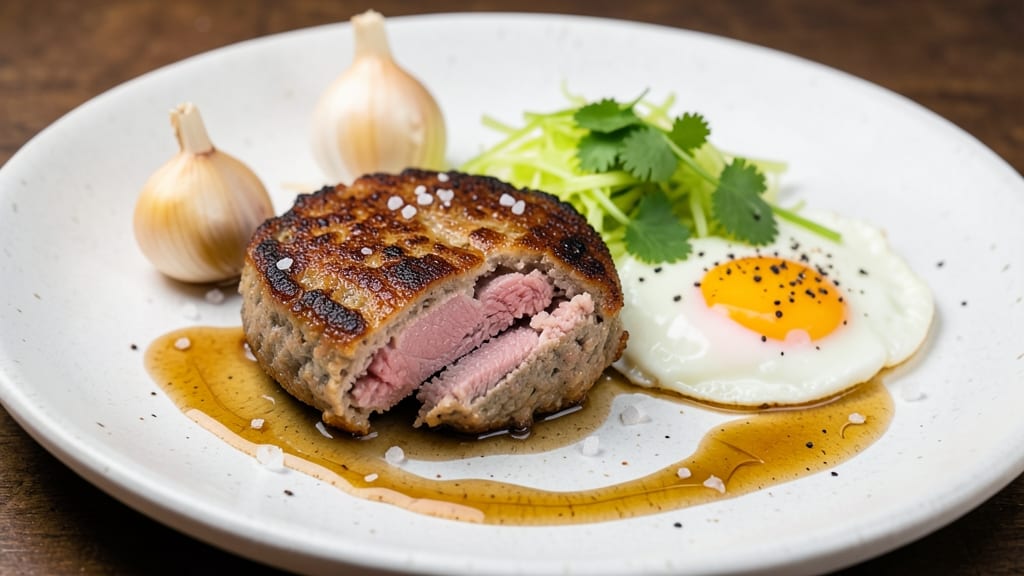
This minced pork patty recipe delivers crispy edges and juicy centers without relying on breadcrumbs or binders—just expert technique and quality ingredients. 🔥 I developed this method after years of perfecting pork patties for my restaurant, where we serve thousands weekly.
The secret lies in proper fat distribution and gentle handling to maintain moisture while achieving that satisfying crunch.
The foundation starts with finely minced pork (never pre-ground, as it loses moisture), combined with just enough egg and aromatic seasonings to bind without drying out. Unlike traditional meatloaf or burgers, these patties achieve structure through proper shaping and cooking temperature control—no binders required.
This approach ensures every bite stays tender while developing that golden crust.
What you'll achieve is a patty with a crispy exterior that shatters at the slightest pressure and a juicy interior that melts in your mouth. The technique works equally well for pan-frying, baking, or even grilling, giving you versatility for any meal.
Serve with a simple arugula salad or on a toasted brioche bun for a restaurant-quality experience at home.
Mastering this method transforms simple pork into a dish worthy of any table—whether you're feeding a family or hosting dinner guests. The process is straightforward once you understand the key principles, and the results speak for themselves. Let's get started on creating patties that rival your favorite takeout.
Ingredients for minced pork patty
Quality cuts and aromatic seasonings—this is where crispy perfection begins.
| Ingredient | Amount | Notes |
|---|---|---|
| Fresh Pork Shoulder 🥩 | 1 ½ lb | Finely minced, never pre-ground |
| Large Eggs 🥚 | 1 whole | Room temperature for even binding |
| Diamond Crystal Kosher Salt 🧂 | 1 ½ tsp | Fine grain for even distribution |
| Freshly Ground Black Pepper 🌶️ | ½ tsp | Cracked peppercorns for maximum flavor |
| Garlic Cloves 🧄 | 3 cloves | Minced fine, not pressed |
| Fresh Ginger 🌿 | 1 tbsp | Finely grated, aromatic kick |
| Soy Sauce 🍶 | 1 tbsp | Light or all-purpose variety |
| Sesame Oil 🫒 | ½ tbsp | Toasted for nutty depth |
| Extra-Virgin Olive Oil 🫒 | 1 tbsp | For frying, high smoke point |
| Cornstarch 🌾 | 1 tbsp | For crispy exterior, not flour |
| Arugula Leaves 🌱 | 2 cups | Fresh, for serving suggestion |
| Brioche Buns 🍞 | 4 whole | Toasted for serving option |
The pork shoulder is non-negotiable here—look for well-marbled cuts at your butcher or Costco's bulk section for the best texture. I always ask for it to be trimmed of any large fat chunks but leave the natural marbling intact. That fat is what keeps your patties juicy. If you're buying pre-ground pork, skip it—it's too dry. Freshly mincing at home (or having your butcher do it) makes all the difference. For the garlic and ginger, fresh is a must—dried just won't cut it. The soy sauce should be light, not the thick, sweet kind—Kikkoman works perfectly. Toast your sesame oil first for that nutty aroma before mixing.
No egg? Flax eggs (1 tbsp ground flax + 3 tbsp water) work in a pinch, though texture won't be identical. Swapping the cornstarch for flour is a no-go—it won't crisp up the same way. Substitute rice flour if you're avoiding gluten, but expect slightly less crunch. For the sesame oil, if you can't find toasted, regular sesame oil plus a pinch of toasted sesame seeds mimics the flavor. The arugula can be swapped for baby spinach if that's what's on hand—just toss it with a little olive oil and salt. And if you're serving these on buns, any good-quality bun works—sourdough or potato buns add great texture too.
Freshly minced pork keeps for 2 days in the fridge, but I recommend using it immediately for best results. The prepped patty mixture can be shaped and frozen on a tray before bagging for up to 3 months. Thaw overnight in the fridge before cooking. These patties reheat beautifully—400°F for 10-12 minutes brings them back to crispy perfection. I always make a double batch and freeze half—they're perfect for quick weeknight meals when you don't feel like cooking from scratch.
Why You'll Love This Recipe
- No-Fuss Mixing: I swear by the 10-minute prep—just pulse the pork shoulder in my food processor until it’s coarse, not paste, then toss in the egg and garlic. No measuring cups, no fuss, and no waiting for the meat to thaw if I’m in a hurry. Honestly, my hands get tired before the patties do.
- Garlicky Magic: That raw garlic clove—yes, the whole thing—gets minced right into the mix. When it fries, the edges get this caramelized, peppery crust while the inside stays juicy. Between us, it’s the kind of flavor that makes people ask, “What’d you put in this?”
- Leftover Heaven: These patties freeze like champs—just stack them with parchment between layers. Reheat straight from frozen in a skillet, and they’re crispy again in minutes. I make a double batch every Sunday because my kids’ lunches suddenly have protein, and I don’t have to scramble.
- Budget Powerhouse: Pork shoulder is cheap, and it stretches farther than ground pork. A single pound gives me six solid patties, plus enough extra for stir-fries or tacos if I’m feeling fancy. I’ll be real: it’s my go-to when groceries are tight, but no one ever guesses.
Step-by-step instructions for perfect minced pork patties
Here's how to create patties with irresistible crispy edges and juicy centers—no binders required.
👨🍳 Step 1: Mince the Pork Shoulder with Precision
Place the 1.5 lb fresh pork shoulder in your food processor fitted with the metal blade. Pulse in 30-second bursts until you achieve a fine, almost paste-like consistency—think somewhere between ground meat and meat paste. You want it to hold together when pressed but still have some texture. Avoid over-processing or the patties will turn dense.
I like to scrape down the sides of the bowl every few pulses to ensure even mincing. If you're doing this by hand, use a sharp knife and work in stages to get an even texture. The key here is uniformity—this ensures even cooking and perfect texture throughout each patty.
👨🍳 Step 2: Build the Flavor Foundation
In a large mixing bowl, combine the minced pork with the 1 whole large egg, 1.5 tsp Diamond Crystal kosher salt, and 0.5 tsp freshly ground black pepper. Use your hands to gently mix everything until just combined—overworking will develop gluten and make the patties tough. The mixture should hold together when pressed but still feel slightly crumbly.
Next, add the 3 cloves minced garlic, 1 tbsp finely grated fresh ginger, 1 tbsp soy sauce, and 0.5 tbsp toasted sesame oil. Mix again just until evenly distributed. The sesame oil adds that nutty depth while the ginger and garlic create a complex aromatic base. This is where the magic happens—don't skip the mixing, but don't overdo it either.
👨🍳 Step 3: Create the Crispy Exterior
In a small bowl, whisk together the 1 tbsp cornstarch and 1 tbsp extra-virgin olive oil until the cornstarch is fully dissolved. This creates a light coating that will give your patties that coveted crispy exterior without making them dense. Add this mixture to the pork and mix gently until evenly distributed throughout.
Here's the thing—cornstarch works better than flour for this recipe because it creates a lighter, crispier crust. The oil helps prevent the cornstarch from absorbing too much moisture from the pork mixture. Give everything one final gentle mix with your hands until you can form the mixture into smooth, uniform patties about ¾-inch thick.
🔥 Step 4: Cook to Crispy Perfection
Heat a skillet over medium-high heat until it's smoking hot. Add the patties and cook undisturbed for 3-4 minutes per side until they develop a deep golden-brown crust and release easily from the pan. The reason we wait until the edges are crispy is that cold oil absorbs into the food instead of creating that gorgeous sear we're after.
For the best results, I like to cook them in batches so they don't overcrowd the pan. The internal temperature should reach 145°F when measured at the thickest part. If you notice the patties are browning too quickly but not cooking through, you can reduce the heat slightly to medium and cover the pan for 1-2 minutes to finish cooking gently.
🍽️ Step 5: Serve with Fresh Contrasts
Transfer the cooked patties to a plate and let them rest for 2-3 minutes before serving. This resting period allows the juices to redistribute, ensuring each bite is moist and flavorful. While they rest, quickly sauté the 2 cups arugula leaves with a pinch of salt and a drizzle of olive oil for 30 seconds until just wilted.
Serve the patties warm with the arugula and the 4 toasted brioche buns on the side. The crispy edges contrast beautifully with the soft brioche, while the peppery arugula cuts through the richness of the pork. For an extra touch, drizzle with any pan juices from the skillet—those are packed with flavor!
Pro Tips For Making Minced Pork Patty
- CHILL THE MEAT FIRST: Fresh pork shoulder stays greasy when minced—wrap it tightly in plastic and stash it in the fridge for 30 minutes before grinding. Cold fat firms up, so your patties won’t turn into a soggy mess when shaping.
- GRIND GARLIC FINE: Skip the whole cloves—smash 3-4 peeled cloves with the flat side of your knife until they’re paste-like before mixing. This distributes flavor evenly instead of hiding in uneven chunks that burn before the patties cook through.
- PRESS OUT AIR: After mixing everything, wet your hands and press the pork mixture into patties with firm, even pressure—then poke a few holes in the center with your finger. This prevents puffing and ensures crisp edges without flipping disasters.
- SALT THE GARLIC: Toss the minced garlic with ¼ teaspoon kosher salt before adding it to the pork. The salt draws out moisture, making the garlic release its oils and bind better to the meat instead of sitting dry in the mix.
Common mistakes when making this dish
Over-Minced Pork
I see this mistake all the time—turning the pork into a paste that loses its structure. When mincing, aim for a texture between ground meat and meat paste. Over-processing releases too much fat and moisture, making patties greasy and dense.
Pulse your food processor in 30-second bursts and check frequently. If you're doing it by hand, work in stages to maintain some texture. Remember, these aren't meatballs—they need to hold shape but stay tender. 🥩
Skipping the Rest
Rushing to serve patties immediately after cooking is a cardinal sin. Those 2-3 minutes of resting time allow juices to redistribute, preventing dryness. I've seen home cooks cut into patties too soon and watch all the flavor run out.
The cornstarch coating needs time to set too—skipping this step means you'll lose that perfect crispy texture. Trust me, patience pays off here.
Uneven Thickness
Patties that vary in thickness cook unevenly, leading to some parts being raw while others burn. Aim for ¾-inch thickness throughout. I use a kitchen scale to portion the mixture first—divide the total weight by your desired number of patties.
Then gently press each portion to the same thickness. Uneven cooking is the fastest way to ruin an otherwise perfect batch. Precision matters here.
Cold Oil Technique
Adding cold oil to a hot pan is the #1 way to ruin crispy edges. The oil should be hot enough to smoke slightly before adding your patties. If you're unsure, test with a drop of water—if it sizzles and evaporates instantly, your pan is ready.
Cold oil gets absorbed instead of creating that golden crust we're after. I like to let my skillet heat for 3-4 minutes before adding the first patty. 🔥
Overcrowding the Pan
Cooking too many patties at once lowers the pan temperature, causing steaming instead of searing. Cook in batches with just enough space between patties to allow heat circulation. A crowded pan will give you soggy, unevenly cooked patties.
I typically work with 2 patties at a time in my 10-inch cast iron skillet. This ensures that beautiful crust we're all after.
Ignoring Internal Temp
Relying on visual cues alone can lead to undercooked or overcooked patties. Use a meat thermometer to check for 145°F internal temperature at the thickest part. Patties can look browned on the outside while remaining pink inside.
This is especially important when cooking thicker patties. Don't guess—measure for perfect doneness every time. ⏱️
Nutrition facts
Frequently asked questions
Can I substitute pork shoulder with another cut?
While pork shoulder is ideal for its fat content and flavor, you can use lean pork loin or pork tenderloin in a pinch. Just add 1 extra tablespoon of oil to the mixture to compensate for the lower fat content. Avoid fatty cuts like pork belly—they'll make your patties greasy. For best results, stick with shoulder when possible.
How do I make these patties gluten-free?
Replace the cornstarch with 1 tbsp rice flour for a gluten-free version. The texture won't be quite as crispy, but it still works well. For extra crunch, toss the shaped patties in crushed gluten-free crackers before cooking. Always check labels on soy sauce too—some varieties contain wheat.
Can I bake these patties instead of pan-frying?
Preheat your oven to 375°F and bake the patties for 18-20 minutes on a wire rack set over a baking sheet. This prevents sogginess. For extra crispiness, broil for 2-3 minutes at the end. Baking works well when you're cooking multiple patties at once or want hands-off cooking.
Why do my patties fall apart when cooking?
This usually happens from over-mixing the meat or using too much egg. The mixture should hold together when pressed but still feel slightly crumbly. Try adding 1 extra tablespoon of cornstarch to help bind. Also ensure your pan isn't too hot—medium-high heat gives the best sear without breaking them apart.
How can I make these patties spicier?
Add ½ tsp of red pepper flakes or 1 tbsp of sriracha to the pork mixture for heat. For a smoky kick, include ½ tsp smoked paprika and ¼ tsp cayenne pepper.