
Main Courses
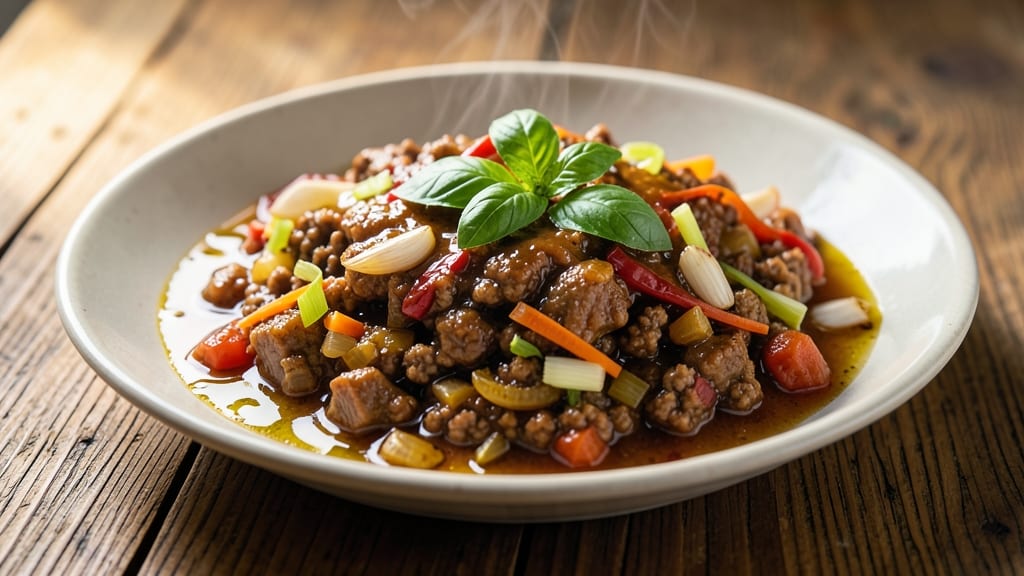
This minced pork ragu recipe transforms simple ingredients into a velvety, umami-rich masterpiece that belongs in any Italian restaurant. 💛 After years of perfecting ragu techniques—from browning meat to slow simmering—I’ve developed a method that delivers restaurant-quality depth without requiring hours at the stove.
The secret lies in patience: letting flavors meld through gentle heat until the sauce becomes irresistibly thick and aromatic.
What sets this ragu apart is the balance of textures and flavors—tender pork, caramelized onions, and tomatoes that dissolve into a luscious sauce, all tied together with white wine and fresh herbs.
The slow simmering process (about 2 hours) builds layers of complexity, turning basic ingredients into something extraordinary. Unlike quick versions, this method ensures every bite is packed with authentic Italian soul and rich, meaty satisfaction.
By the time you serve this ragu—whether over al dente pasta, creamy polenta, or crusty bread—you’ll have a dish that tastes like it’s been simmering all day. The sauce clings to each strand of pasta, coating your fork with deep, savory goodness that lingers long after the last bite.
It’s the kind of meal that makes weeknights feel like a celebration, and it freezes beautifully for those lazy days when you still crave homemade comfort.
For those who love tradition, this recipe stays true to classic techniques while offering flexibility—swap the wine for broth if needed, or add mushrooms for extra earthiness.
The key is confidence in the process, knowing that slow cooking unlocks flavors no shortcut can replicate. Let’s get cooking—your taste buds will thank you.
Ingredients for minced pork ragu
Pantry staples meet Italian tradition—this ragu builds depth with slow-simmered pork and aromatic herbs.
| Ingredient | Amount | Notes |
|---|---|---|
| Ground Pork 🥩 | 1 ½ lb | Freshly minced for best texture |
| Yellow Onions 🧅 | 2 whole | Finely chopped, about 2 cups |
| Garlic Cloves 🧄 | 6 cloves | Peeled, minced finely |
| Carrots 🥕 | 2 whole | Peeled, finely diced |
| Celery Stalks 🥬 | 2 whole | Finely chopped, about 1 cup |
| Canned San Marzano Tomatoes 🍅 | 28 oz | Crushed by hand, seeds removed |
| Dry White Wine 🍷 | ½ cup | Sauvignon Blanc preferred |
| Beef Broth 💧 | 2 cups | Low-sodium preferred |
| Fresh Rosemary 🌿 | ¼ cup | Chopped, leaves only |
| Fresh Thyme 🌿 | ¼ cup | Leaves only, finely chopped |
| Extra-Virgin Olive Oil 🫒 | ½ cup | High-quality, fruity |
| Tomato Paste 🍅 | 2 tbsp | Smooth, not chunky |
| Salt 🧂 | 1 ½ tsp | Diamond Crystal preferred |
| Black Pepper 🌶️ | ½ tsp | Freshly ground |
| Parmesan Cheese 🧀 | ½ cup | Freshly grated, for serving |
The pork is non-negotiable—freshly minced gives that authentic Italian texture. Costco or local butchers often sell pre-ground pork, but if you're buying whole cuts, ask for it minced fine. The San Marzano tomatoes are worth the splurge—they're sweeter and less acidic than regular canned tomatoes, which balances the richness of the pork. For the herbs, fresh is best, but dried thyme at one-third the amount works in a pinch. The celery, onion, and carrot combo is classic—don't skip it, even though it's just the 'soffritto' base.
No white wine? Substitute extra beef broth—just reduce the wine by half a cup. The tomato paste can be swapped for a tablespoon of red wine reduction if you're avoiding alcohol entirely. Fresh herbs wilt fast, so if you're prepping ahead, blanch them in boiling water for 30 seconds before storing. The Parmesan is purely for serving—skip it if you're making this vegetarian. For extra richness, stir in a splash of balsamic vinegar at the end, but it's optional. The key is patience: don't rush the simmering, or the sauce will turn mushy.
This ragu tastes even better the next day—plan ahead. It keeps for 5-6 days in the fridge, and freezes beautifully for up to 3 months. Portion into airtight containers with a layer of olive oil on top to preserve freshness. For serving, I like to reheat it gently with a splash of broth to loosen the sauce. The leftovers make amazing sandwiches—just pile it high on crusty bread with a sprinkle of that freshly grated Parmesan. Trust me, you'll want to make this twice in one week.
Why You'll Love This Recipe
- Pantry-Friendly Staples: I swear by this recipe because it uses things I always have on hand—no fancy shopping needed. The onions, carrots, and celery (the "holy trinity" of flavor) get tossed in raw, then caramelize while the pork browns. No peeling, no fancy prep—just chop and go.
- Deep, Savory Richness: That crispy edge on the pork? The slow simmer with garlic and onions pulls all the juices into a thick, velvety sauce. Honestly, it’s the kind of dish where every bite feels like a hug—especially when you add a splash of red wine or a sprinkle of herbs at the end.
- Leftovers That Shine: This ragu actually gets better the next day. I make a big batch on Sundays, then reheat portions for lunches—over pasta, in sandwiches, or even stuffed into crusty bread. (Yes, even on a Tuesday night.)
- One-Pot Magic: Between us, this is my secret weapon for busy evenings. The pork cooks down while the veggies soften, all in one pot. Minimal cleanup, maximum flavor—no fancy techniques, just reliable, comforting food that doesn’t require a lot of effort.
Step-by-step instructions for slow-simmered minced pork ragu
Here's how to transform simple ingredients into restaurant-quality ragu with deep umami flavor.
🍳 Step 1: Sear the Pork Until Deeply Browned
Heat the 0.5 cup extra-virgin olive oil in a heavy Dutch oven over medium-high heat until shimmering. Add the 1.5 lb ground pork in batches, breaking it up with a wooden spoon as it cooks. Don't overcrowd the pan—work in 2-3 batches if needed to ensure proper browning.
Cook the pork until it's deeply browned and loses its raw color, about 8-10 minutes. This step develops the rich, meaty foundation of your ragu. The pork should release from the pan easily when ready. Use a slotted spoon to transfer the browned pork to a plate and set aside—you'll need that pan for the next steps.
👨🍳 Step 2: Build the Flavor Base with Aromatics
In the same Dutch oven, add the finely chopped yellow onions, finely diced carrots, and finely chopped celery stalks. Cook over medium heat for 8-10 minutes until the vegetables soften and begin to caramelize, stirring occasionally. This "soffritto" technique creates the flavor backbone of your ragu.
Add the minced garlic cloves and cook for 1 minute until fragrant—don't let it brown or it'll turn bitter. Stir in the 2 tbsp tomato paste and cook for another 2 minutes, allowing it to deepen in color. This creates a rich, concentrated flavor that will carry through your entire dish.
🍳 Step 3: Deglaze and Simmer with Wine and Tomatoes
Pour in the 0.5 cup dry white wine and scrape up all the browned bits from the bottom of the pan with a wooden spoon. This deglazing step captures all the concentrated flavors you've built. Let the wine simmer for 3-4 minutes until it reduces by half and the alcohol cooks off.
Add the 28 oz crushed San Marzano tomatoes, 2 cups beef broth, 0.25 cup chopped fresh rosemary, and 0.25 cup chopped fresh thyme. Return the browned pork to the pot and bring everything to a gentle simmer. This is where the magic happens—your ragu needs 2-2.5 hours of slow simmering to develop its rich, velvety texture.
⏰ Step 4: Simmer Until Rich and Velvety
Partially cover the Dutch oven with a lid and maintain a gentle simmer over low heat. Stir occasionally to prevent sticking and ensure even cooking. The ragu should reduce gradually, becoming thicker and more concentrated. You're looking for a texture that coats the back of a spoon but still has some body.
After about 1.5 hours, taste and adjust seasoning with the 1.5 tsp salt and 0.5 tsp black pepper. If the ragu is too thin, uncover and simmer uncovered for 15-20 minutes to reduce further. The final consistency should be rich and velvety—thick enough to coat pasta beautifully but still saucy.
🍽️ Step 5: Finish and Serve with Fresh Parmesan
Once your ragu reaches the perfect consistency, remove it from heat. Let it rest for 10 minutes to allow flavors to meld. Stir in the 0.5 cup freshly grated Parmesan cheese just before serving—this adds a bright, salty contrast to the rich, umami flavors.
Serve the ragu immediately over your choice of al dente pasta, tossing gently to coat each strand. The finished dish should have a deep, complex flavor with layers of sweetness from the tomatoes, earthiness from the vegetables, and richness from the slow-cooked pork. Garnish with additional fresh thyme leaves for a pop of color and freshness.
Pro Tips For Making Minced Pork Ragu
- Brown the Pork Properly: Don’t rush this—break up the ground pork in the pan with a wooden spoon until it’s deeply browned, not just pink. I learned this the hard way: pale pork means a ragu that tastes raw and dull, no matter how long you simmer later.
- Soften the Veggies First: Dice onions, carrots, and celery into even ¼-inch pieces and sweat them in oil for 8–10 minutes before adding garlic. My grandmother swore by this, and she was right: it builds flavor without burning the garlic or letting the pork turn to mush.
- Deglaze Aggressively: After browning the pork, splash in ½ cup of liquid (wine, broth, or even water) and scrape the bottom relentlessly—every bit of stuck-on meat adds depth. I skip this when I’m lazy, but the dish is noticeably better when I don’t.
- Simmer Low and Long: Cover the pot and cook on the lowest heat setting that still bubbles gently—this isn’t a race. After 1.5 hours, taste it: if it’s still grainy or the pork is tough, keep going. Patience here makes the difference between good and showstopper.
Serving suggestions for this minced pork ragu
Pasta Pairings
This rich ragu clings perfectly to tagliatelle or fettuccine—their broad surfaces catch every velvety strand. For a rustic touch, I serve it over pappardelle (about 12 oz dry weight per serving), tossing gently to avoid breaking the noodles.
If you love texture, try rigatoni or penne—their ridges hold the sauce like little flavor traps. 🍝
For a lighter option, whole wheat spaghetti adds subtle earthiness that balances the pork's richness. I often make a double batch because this ragu tastes even better the next day over leftover pasta—the flavors deepen as it rests.
Pro tip: Reserve ½ cup pasta water before draining to loosen the sauce when tossing.
Polenta & Bread
Creamy polenta transforms this ragu into a hearty main course. Cook 1 cup polenta in 4 cups milk until thick, then spread it on a baking sheet, top with ragu, and broil for 3-4 minutes until bubbly. The contrast of silky polenta and meaty sauce is pure comfort. 🥣
For a no-cook option, serve ragu over toasted sourdough or crusty ciabatta. I like to spread a thin layer of garlic butter on the bread first, then pile on the ragu and top with extra Parmesan.
This makes an amazing lunch the next day—just reheat the ragu gently with a splash of broth.
Vegetable Sides
Bright, fresh vegetables cut through the ragu's richness. A simple sautéed garlic spinach (wilted in 1 tbsp olive oil with 2 minced garlic cloves) adds vibrant color.
For a Southern twist, serve with roasted Brussels sprouts tossed in balsamic glaze—their caramelized edges contrast beautifully with the creamy sauce. 🥦
Another favorite is creamy mashed potatoes—mix 2 cups mashed potatoes with 2 tbsp butter and ¼ cup sour cream, then top with ragu. The cool, buttery potatoes balance the warm, spiced pork perfectly. For a lighter option, steamed asparagus with a squeeze of lemon brightens the plate.
Cheese & Garnishes
Fresh Parmesan is non-negotiable—always grate it yourself for the best flavor. For extra richness, stir in 1 oz shaved pecorino at the end. A sprinkle of fresh thyme leaves or chopped parsley adds a pop of color and freshness. 🧀
Don't overlook crispy pancetta—fry 2 oz thin slices until golden, then crumble over the top for a salty crunch. For a vegetarian-friendly garnish, top with sun-dried tomatoes or pickled jalapeños if you like a little heat. The key is contrast—balance the ragu's richness with something bright or crisp.
Nutrition facts
Frequently asked questions
Can I substitute ground beef for the minced pork?
While ground beef works in a pinch, pork is ideal for its delicate, tender texture and mild flavor. If substituting, use 80/20 lean-to-fat ratio beef and reduce simmering time to 1.5 hours—beef releases more moisture and can make the sauce too thin. For best results, use a 50/50 pork-beef blend.
How do I prevent the ragu from becoming too thin?
Simmer uncovered for the last 15-20 minutes to thicken naturally, or mix 1 tbsp cornstarch with 2 tbsp water, stir into the sauce, and simmer for 5 minutes until thickened. Avoid adding too much broth initially—this recipe is designed to reduce beautifully.
Can I make this ragu in a slow cooker?
Brown the pork and aromatics in a skillet first, then transfer everything to a 6-quart slow cooker. Cook on low for 6-7 hours or high for 4 hours, stirring occasionally. The texture will be slightly thicker since slow cookers reduce differently. Add extra broth if needed.
What's the best way to store leftovers?
Cool the ragu completely, then transfer to airtight containers with a thin layer of olive oil on top. It keeps in the fridge for 5-6 days or freezes for up to 3 months. Reheat gently on the stove with a splash of broth to restore moisture—never microwave directly from frozen.
Why does my ragu taste bland after simmering?
Blandness usually means the pork wasn't browned enough or the sauce needs more acidity. Next time, sear the pork until deeply caramelized and finish with 1 tsp balsamic vinegar or a pinch of red pepper flakes. Also, taste as you go—adjust seasoning gradually rather than all at once.