
Sauces & Condiments
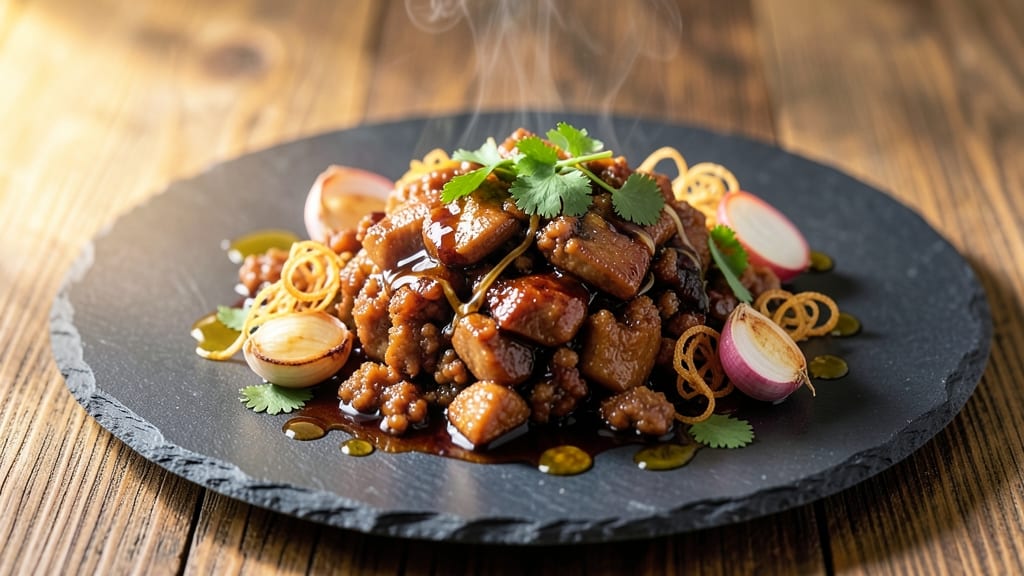
This minced pork soy sauce recipe delivers restaurant-quality umami in just 20 minutes, transforming simple ingredients into a savory, aromatic dish that's perfect for weeknight dinners.
The secret lies in properly browning the pork—creating deep, caramelized flavors that form the foundation of every bite—before balancing it with the perfect ratio of soy sauce, garlic, and ginger for that signature tangy-sweet profile.
What sets this recipe apart is its versatility: whether you're serving it over steamed rice, nestled in noodles, or paired with quick stir-fried vegetables, the rich, slightly sticky sauce clings perfectly to every component.
The technique is straightforward but critical—high-heat searing of the pork develops the wok hei (breath of the wok) that elevates home cooking to restaurant-level quality.
By the time you're done, you'll have tender, flavorful pork infused with layers of umami from the soy sauce, complemented by bright aromatics. The dish stays vibrant and full of character, with just the right balance of saltiness and depth.
This isn't just a quick meal—it's a flavor-packed experience that proves you don't need hours in the kitchen to create something extraordinary.
Pair it with steamed jasmine rice for a classic combination, or serve over rice noodles for a lighter option. The leftovers reheat beautifully, making this an ideal recipe for meal prep. Let's get started on creating this quick, umami-rich dish that will become a staple in your rotation.
Ingredients for minced pork soy sauce
Restaurant-quality umami comes from these 13 ingredients—simple but precise for perfect balance.
| Ingredient | Amount | Notes |
|---|---|---|
| Ground Pork 🐖 | 1 lb | Finely minced for even cooking |
| Light Soy Sauce 🥄 | ½ cup | Kikkoman preferred for balance |
| Dark Soy Sauce 🥄 | 1 tbsp | For deeper color and richness |
| Garlic Cloves 🧄 | 4 cloves | Minced finely for aromatic punch |
| Fresh Ginger 🌿 | 1 ½ tbsp | Grated, skin removed for purity |
| Sesame Oil 🫒 | 1 tbsp | Toasted for nutty aroma |
| Neutral Oil 🫒 | 1 tbsp | Vegetable or canola for high heat |
| Cornstarch 🌾 | 1 tbsp | For thickening the sauce |
| Green Onions 🧅 | 3 whole | Thinly sliced for garnish |
| Sugar 🍚 | 1 tsp | White granulated for balance |
| White Wine Vinegar 🍶 | 1 tbsp | For brightness and acidity |
| Salt 🧂 | ½ tsp | Diamond Crystal preferred |
| Black Pepper 🌶️ | ¼ tsp | Freshly cracked for heat |
The pork is non-negotiable—finely minced is critical for even cooking and maximum surface area for flavor absorption. Asian markets carry pre-minced pork, but if using ground pork, pulse it twice in a food processor for consistency. Kikkoman soy sauce delivers that classic umami depth, while dark soy sauce provides the signature color without overpowering. For ginger, peel and grate only the pale flesh—skin adds bitterness. The sesame oil should be toasted (heat gently in a dry pan for 30 seconds) to deepen its aroma before adding to the sauce.
No light soy sauce? Double the dark soy sauce plus 1 tsp sugar mimics the balance. Fresh ginger unavailable? Substitute 1 tsp ground ginger but reduce to half the amount. The cornstarch slurry (mix with 1 tbsp cold water) is essential for that signature sticky texture—don't skip it. For extra depth, add 1 tsp oyster sauce (ensure vegetarian-friendly if needed). The white wine vinegar cuts through richness; if omitted, substitute lemon juice at the same quantity. Diamond Crystal kosher salt dissolves cleanly—avoid table salt which can make the sauce cloudy.
Store leftovers in an airtight container for up to 4 days in the fridge, or freeze for 3 months. The sauce thickens when cold—rewarm gently with a splash of water to restore consistency. For meal prep, portion into ice cube trays before freezing—perfect for quick stir-fry boosts. Garnish with green onions right before serving to keep them vibrant. This dish reheats beautifully, with flavors actually deepening overnight as the soy sauce melds further.
Why You'll Love This Recipe
- Few Ingredients, Big Payoff: I swear by this recipe because it’s that simple—just pork, two soy sauces (light for brightness, dark for depth), and a handful of garlic and ginger. No fancy techniques, no hidden pantry staples. Honestly, I’ve made it with whatever was in my fridge, and it still hits the spot.
- Umami Bomb: That combo of light and dark soy sauce? Chef’s kiss. The light one keeps it savory but clean, while the dark adds that caramelized richness. Plus, the garlic and ginger sizzle until they’re fragrant but not overpowering—like a hug from a wok.
- Leftover Goldmine: This stuff tastes even better the next day. I’ll make a big batch on Sunday, freeze half, and pull it out for quick stir-fries, noodles, or even dumplings. No sad leftovers here—just versatile, crave-worthy pork that won’t let you down.
- Budget-Friendly Powerhouse: Ground pork is affordable, and a little goes a long way. I stretch it with rice or noodles, or mix it into sauces for extra flavor without breaking the bank. Between us, this is my go-to when I need a filling, flavorful meal that won’t drain my wallet.
Step-by-step instructions for minced pork soy sauce
This method delivers restaurant-quality umami flavor in under 20 minutes using precise timing and technique.
Prepare the Aromatics and Ground Pork
In a large skillet, heat the 1 tablespoon neutral oil over medium-high heat until shimmering. Add the 4 cloves minced garlic cloves and 1.5 tablespoons grated fresh ginger, cooking for 30 seconds until fragrant but not browned. This quick sear releases their essential oils without burning.
Push the aromatics to one side of the pan and add the 1 lb ground pork, breaking it apart with a wooden spoon. Cook for 4-5 minutes until the pork loses its raw color and begins to brown. The key here is to keep the heat steady—too low and it steams; too high and it burns. You want even browning throughout.
Build the Flavor Base
Pour in the 0.5 cup light soy sauce and 1 tablespoon dark soy sauce, stirring to deglaze the pan and scrape up any browned bits. Add the 1 tablespoon white wine vinegar and 1 teaspoon sugar, then bring to a gentle simmer. The vinegar cuts through the richness while the sugar balances the acidity.
Simmer uncovered for 3 minutes until the liquid reduces by about 25%. You'll notice the sauce thicken slightly and the pork absorb the flavors. This reduction concentrates the umami and creates a glossy finish. If the sauce clings to the pork in a thin layer, you're on the right track.
Thicken and Finish the Sauce
In a small bowl, whisk together the 1 tablespoon cornstarch with 2 tablespoons water until smooth. Pour this slurry into the skillet while stirring continuously. The cornstarch will immediately begin to thicken the sauce, creating that signature glossy sheen. Cook for 1-2 minutes until the sauce coats the back of a spoon.
Remove from heat and stir in the 1 tablespoon sesame oil, 0.5 teaspoon salt, and 0.25 teaspoon black pepper. The sesame oil adds nutty depth, while the seasonings balance the soy sauce's saltiness. Let the mixture rest for 2 minutes to allow the flavors to meld completely.
Garnish and Serve
Transfer the pork mixture to a serving dish and garnish with 3 whole green onions, thinly sliced. The fresh green onions provide a bright contrast to the deep umami flavors. Serve immediately over steamed rice or noodles to soak up the rich sauce.
For best results, serve while the pork is still warm. The sauce will continue to thicken slightly as it cools, but the texture remains silky. Each bite should deliver a perfect balance of salty, sweet, and savory notes with a hint of garlic-ginger heat.
Pro Tips For Making Minced Pork Soy Sauce
- STIR FAST, STOP LATE: The first 30 seconds on high heat are where the magic happens—get that pork golden and breaking apart. Once it’s mostly cooked, drop the heat to medium and keep stirring just until it’s fully done, or you’ll turn your stir-fry into a gluey mess. I learned this the hard way when my pork ended up mushy after a full 10 minutes of aggressive stirring.
- GRATE GINGER, DON’T SLICE: Thinly slicing ginger? That’s how you end up with chewy chunks in your sauce. Use a microplane or grate it directly into the pan—it dissolves faster and infuses the pork with flavor evenly. Skip the peeling too; the skin’s just as aromatic and adds depth without extra effort.
- DARK SOY SAUCE LAST: Add your dark soy sauce when the pork is almost done—it’s not just for color, but it burns easily. Toss it in the final 30 seconds, then immediately remove from heat. If you add it too early, you’ll end up with bitter bits instead of that glossy, caramelized finish.
- USE COLD PORK, NOT WARM: Take your ground pork straight from the fridge and pat it very dry with paper towels. Cold meat sears better and releases less grease, so you won’t end up with a soggy pan. I used to skip this, and my stir-fries always felt greasy—now they’re crisp and flavorful.
Perfect pairings for this dish
Rice Pairings
Steamed jasmine rice is my go-to pairing—its delicate floral aroma complements the soy sauce's depth without overpowering it. Cook 1 cup jasmine rice with 1.5 cups water and ½ teaspoon salt for a neutral base that lets the pork shine.
For extra flair, mix 1 teaspoon toasted sesame seeds into the rice before serving. 🌾
Need a heartier option? Try short-grain sushi rice—its stickiness helps the pork cling beautifully. Rinse 1 cup rice thoroughly, then cook with 1 cup water and 1 tbsp rice vinegar for a subtle tang. The rice absorbs the sauce like a sponge, creating each bite's perfect texture.
Noodle Pairings
For a lighter dish, serve over udon noodles—their chewy texture contrasts the tender pork. Cook 4 oz dried udon (about 2 servings) according to package instructions, then toss with 1 tsp toasted sesame oil before adding the pork mixture.
The noodles soak up the sauce while keeping the dish satisfyingly filling.
Egg noodles work too! Use 6 oz fresh egg noodles, cooked al dente, and stir-fry for 1 minute in the same pan as the pork. The egg adds richness that harmonizes with the soy sauce's umami. Garnish with extra green onions for freshness.
Vegetable Sides
Quick stir-fried bok choy adds brightness and crunch. Blanch 2 heads bok choy in boiling water for 30 seconds, then shock in ice water. Toss with 1 tsp sesame oil and serve alongside the pork. The slight bitterness cuts through the dish's richness beautifully.
For a sweeter contrast, try steamed snap peas with a sprinkle of toasted sesame seeds. Blanch 1 cup snap peas for 1 minute, then drizzle with ½ tsp soy sauce and sesame seeds. The peas' natural sweetness balances the pork's savory depth.
Beverage Pairings
A crisp green tea like japanese sencha cleanses your palate between bites. The tea's vegetal notes complement the pork's umami without competing. For a non-alcoholic option, try sparkling yuzu soda—its citrusy effervescence refreshes the palate.
For an alcoholic pairing, a dry sake with 15% ABV works perfectly. The sake's clean finish enhances the dish's savory notes. If you prefer wine, a light dry Riesling** offers acidity that cuts through the richness without overpowering the flavors.
Nutrition facts
Frequently asked questions
Can I substitute ground pork with another type of meat?
Yes! For a similar texture, use ground chicken or ground turkey, but reduce cooking time to 3-4 minutes to avoid drying out. For richer flavor, try ground beef (80/20 lean-to-fat ratio)—it browns beautifully and absorbs the soy sauce deeply. Avoid lean meats like shrimp or fish, as they cook too quickly and may overpower the sauce.
Why does my sauce turn out too salty?
Soy sauce is naturally salty, so taste as you go! If it's too strong, dilute with 1-2 tablespoons water or add a splash of white wine vinegar to balance. For prevention, use ½ cup light soy sauce instead of the full amount, then adjust to taste at the end. The cornstarch slurry also helps control saltiness by thickening the sauce.
How can I make this dish spicier?
Add ½ teaspoon red pepper flakes or 1 teaspoon sriracha when mixing the sauce. For heat without spice, include 1 minced chili (like Thai bird's eye) with the garlic and ginger. Toast the chili in the oil for 10 seconds to deepen its flavor before removing it—this infuses the oil without making the dish overly spicy.
Can I make this recipe ahead of time?
The flavors improve overnight. Store in an airtight container in the fridge for up to 4 days. The sauce will thicken further—rewarm in a skillet with 1 tbsp water to restore glossiness. For freezing, portion into ice cube trays before transferring to a bag, making it perfect for quick stir-fry boosts later.
What’s the secret to getting that glossy sauce?
The cornstarch slurry is key! Whisk 1 tbsp cornstarch with 2 tbsp cold water until smooth, then stir vigorously as you pour it into the hot pan. Keep stirring for 1-2 minutes until the sauce coats the back of a spoon. For extra shine, add ½ teaspoon toasted sesame oil at the end—it adds richness and a silky finish.