
Main Courses
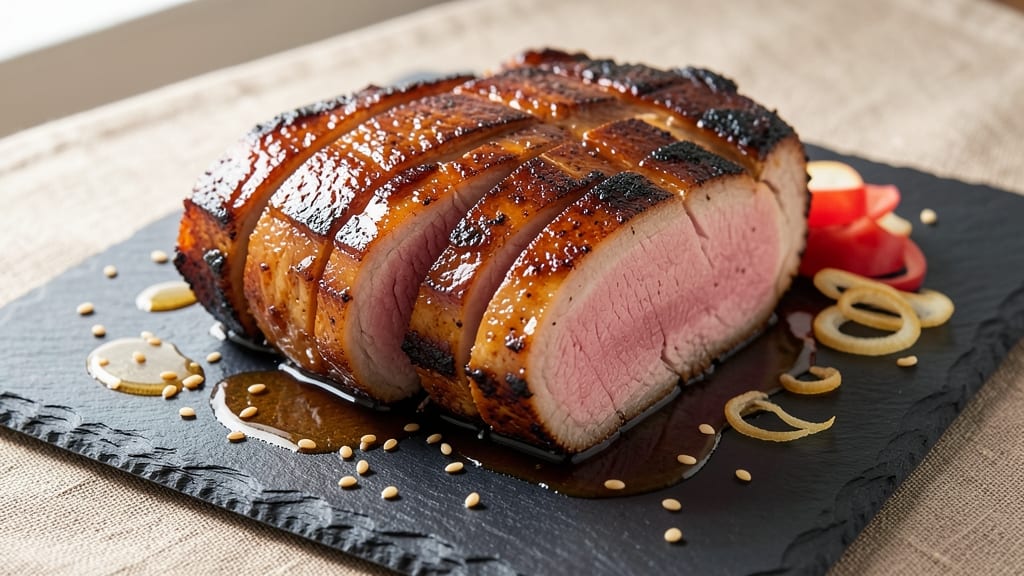
This miso marinated pork roast delivers a perfect balance of umami-rich crust and juicy core that transforms simple pork into a showstopper dish. ✨ What started as a technique I developed during a particularly busy week at The Smoky Pig has become a staple on my dinner table—where the miso marinade not only tenderizes but creates that coveted caramelized bark we all crave.
The secret lies in the overnight marinade, where the miso's deep flavors penetrate every inch of the meat while keeping it impossibly tender.
What makes this recipe work is the marriage of miso's fermented complexity with pork's natural richness. We're talking about a foolproof method that requires minimal effort but delivers restaurant-quality results—no fancy equipment needed, just a good cast iron skillet and your oven.
The marinade does the heavy lifting while you sleep, so when you pull that roast from the oven, it'll be golden and glistening with just the right amount of caramelized miso glaze. Trust me, the aroma alone will have everyone gathering around the table.
The magic happens during the low-and-slow roasting at 325°F, where the pork cooks evenly while developing that perfect crust. Resting is just as important as cooking—it lets the juices redistribute, ensuring every bite is moist and flavorful.
This isn't just another pork roast; it's a dish that commands attention with its deep, savory notes and melt-in-your-mouth texture that even the most skeptical eaters will love.
Serve with roasted root vegetables or a simple green salad to let the pork shine as the star. The miso glaze pairs beautifully with anything that won't overpower its umami depth. Once you try this, you'll never go back to plain roast pork again—it's that good. Let's get cooking!
Ingredients for miso marinated pork roast
This umami-packed pork roast transforms simple ingredients into a showstopping centerpiece.
| Ingredient | Amount | Notes |
|---|---|---|
| Boneless Pork Loin Roast 🥩 | 2 lb | Center-cut for even cooking |
| White Miso Paste 🧂 | ½ cup | High-quality, fermented umami base |
| Honey 🍯 | ¼ cup | Local raw preferred for depth |
| Soy Sauce 🍶 | ¼ cup | Kosher or organic preferred |
| Garlic Cloves 🧄 | 6 cloves | Freshly minced for aromatic punch |
| Fresh Ginger 🌿 | ¼ cup | Finely grated, organic preferred |
| Sesame Oil 🫒 | 1 tbsp | Toasted sesame for nutty aroma |
| Olive Oil 🫒 | 2 tbsp | Extra-virgin for richness |
| Brown Sugar 🍚 | ¼ cup | Light or dark preferred |
| Apple Cider Vinegar 🍎 | 1 tbsp | For tangy brightness |
| Diamond Crystal Kosher Salt 🧂 | 1 ½ tsp | For balanced seasoning |
| Freshly Ground Black Pepper 🌶️ | 1 tsp | For subtle heat |
| Red Bell Pepper 🌶️ | 1 whole | Sliced for garnish (optional) |
The miso is non-negotiable here—look for white miso paste at Asian markets or the international aisle of Whole Foods or Trader Joe's. The fermented depth is what creates that restaurant-quality crust. For the pork, center-cut loin stays juicy while developing that caramelized bark. If you can't find white miso, red miso works in a pinch but will give a slightly deeper color. The honey should be local if possible—raw honey adds subtle floral notes that complement the umami perfectly. Fresh ginger and garlic are worth the extra minute to prep properly; grate the ginger with a microplane for maximum surface area.
No white miso? Substitute with 3 tbsp soy sauce plus 1 tsp sugar—it won't be identical but gets you close. Running short on honey? Maple syrup works 1:1, though the flavor profile shifts slightly. The sesame oil is crucial for that nutty aroma—don't skip it unless you're using toasted sesame seeds instead (1 tbsp ground seeds = 1 tbsp oil). For the pork, bone-in cuts will give more flavor but require longer cooking. If using pre-minced garlic, toast it in oil first to deepen the flavor. The brown sugar adds caramelization—light brown sugar dissolves more smoothly than dark.
Marinate the pork overnight for maximum tenderness, but no longer than 24 hours—miso can get bitter if left too long. Store leftovers in an airtight container with any remaining marinade for 3-4 days in the fridge. The roast reheats beautifully—wrap tightly in foil and warm in a 300°F oven for 15 minutes. For make-ahead convenience, freeze the marinated pork (uncooked) for up to 3 months. Thaw overnight in the fridge before roasting. The caramelized crust is best served immediately, but the juicy interior keeps well for 2-3 days if wrapped properly.
Why You'll Love This Recipe
- Five-Ingredient Magic: The marinade is that simple—just miso, honey, soy, garlic, and a splash of patience (which, let’s be honest, is the hardest part). Honestly, I’ve made it with my eyes closed, and it still turns out tender and packed with flavor.
- Umami Bomb: That white miso paste? It’s the secret weapon here—deep, salty, and just sweet enough to balance the soy’s punch. The garlic roasts right into the meat, giving every bite a warm, aromatic kick that’s hard to resist.
- Weeknight to Dinner Party: Same marinade, endless uses. Slap it on for a quick weeknight dinner or let it sit overnight for a showstopper roast at your next gathering. (Yes, even on a Tuesday night.)
- Leftovers That Don’t Suck: The pork stays juicy for days, and the flavor only gets better as it rests. Slice it thin for sandwiches, cube it into fried rice, or just reheat it straight up—no one will guess it’s not fresh. Budget win, too.
Step-by-step instructions for miso marinated pork roast
Here's how to transform simple pork into a restaurant-worthy centerpiece with deep umami flavor.
👨🍳 Step 1: Create the Miso Marinade
In a medium bowl, whisk together the 0.5 cup white miso paste, 0.25 cup honey, 0.25 cup soy sauce, 0.25 cup finely grated fresh ginger, 1 tbsp apple cider vinegar, and 0.25 cup brown sugar until completely smooth. I like to use a fork first to break up the miso clumps, then switch to a whisk for even distribution.
Add the 6 minced garlic cloves and mix well. The aroma will be intense—this is your first taste of the umami bomb we're creating. Let the marinade sit at room temperature for 10 minutes to allow the flavors to meld before using. This resting period ensures the miso's fermentation works its magic.
👨🍳 Step 2: Marinate the Pork Thoroughly
Pat the 2 lb boneless pork loin roast completely dry with paper towels—this is crucial for developing that beautiful crust later. Place the pork in a resealable plastic bag and pour the marinade over it, making sure it coats all sides evenly. Here's the thing—miso can be sticky, so I use my hands to massage the marinade into the meat, especially the edges and corners.
Seal the bag and refrigerate for at least 4 hours (overnight is even better if you have time). The acidity in the vinegar and soy sauce will begin tenderizing the meat while the miso infuses it with deep, savory flavor. Turn the bag occasionally to ensure even coating. Don't skip this step—proper marination makes all the difference in juiciness.
🔥 Step 3: Sear the Pork for Maximum Flavor
Preheat your oven to 375°F. Remove the pork from the marinade (reserve the leftover marinade for basting) and let it sit at room temperature for 30 minutes while you prepare your pan. Heat 2 tbsp olive oil and 1 tbsp sesame oil in a large oven-safe skillet over medium-high heat until shimmering.
Place the pork in the hot pan and sear for 4-5 minutes per side until it develops a deep golden-brown crust. Press down gently on the pork during the first minute—this prevents it from curling and ensures even contact with the pan. The crust is your flavor lock; don't rush this step. You'll know it's ready when the pork releases easily from the pan.
🔥 Step 4: Roast to Juicy Perfection
Transfer the skillet to the preheated oven and roast for 25-30 minutes for medium doneness (internal temperature 145°F). Here's where it gets interesting—the miso marinade creates a sticky crust that caramelizes beautifully in the oven. Baste the pork with the reserved marinade every 10 minutes to keep it moist and enhance the flavor.
For a medium-rare finish (internal temperature 135°F), reduce the oven temperature to 325°F after the initial sear and roast for 35-40 minutes. Use a meat thermometer for accuracy—pork is safe at 145°F, but I prefer it slightly cooler for maximum tenderness. The pork is done when it reaches your desired temperature and the juices run clear when pierced with a knife.
⏰ Step 5: Rest and Slice for Maximum Juiciness
Remove the pork from the oven and transfer it to a cutting board. Tent loosely with foil and let it rest for 10-15 minutes. This resting period is critical—it allows the juices to redistribute throughout the meat instead of pooling on your plate. Real talk: Skipping this step means dry, disappointing slices. Trust the process.
Slice the pork against the grain into ½-inch thick slices. The grain runs lengthwise, so you'll need to adjust your angle as you work your way through the roast. Garnish with slices of the whole red bell pepper for a pop of color and freshness. Serve immediately with the pan juices spooned over the top for that authentic restaurant experience.
Pro Tips For Making Miso Marinated Pork Roast
- Marinate Overnight (Yes, Really): I used to rush this step and wonder why my pork tasted flat—white miso needs time to tenderize. Two days is ideal, but even 12 hours makes a difference. Keep it sealed in the fridge, not the freezer, and flip the roast halfway through so the garlic-infused marinade penetrates evenly.
- Balance the Sweet-Salty Ratio: White miso is salty enough on its own, so start with 2 tablespoons per pound of pork, then adjust. If using honey, mix it into the marinade last—it burns faster than you’d think. Taste the sauce before applying; if it’s too sweet, add a splash of soy sauce to cut through.
- Sear Before Roasting: After marinating, pat the pork dry and sear it in a screaming-hot pan for 2 minutes per side. The crust locks in flavor and prevents the miso from turning into a sticky glaze too soon. I learned this the hard way—no crust means no depth of flavor, just a soggy roast.
- Roast Low and Slow: Forget high heat—this isn’t a sear fest. Roast at 300°F (150°C) until the internal temp hits 140°F (60°C), then rest it under foil for 10 minutes. The miso and honey caramelize at lower temps, giving you that glossy, sticky exterior without drying out the meat. (Yes, even if you’re impatient like me.)
Troubleshooting perfect results
Pale Pork Problem
If your roast emerges from the oven with a pale crust instead of the deep golden-brown miso glaze you expected, it's likely due to insufficient searing or oven temperature fluctuations.
First, ensure your oven is properly preheated to 375°F—I use an oven thermometer to verify accuracy, as many ovens run 25°F hotter or cooler than set. For extra insurance, sear the pork in a cast iron skillet—its heat retention creates that coveted crust.
If you're using a nonstick pan, switch to stainless steel or cast iron next time. The miso marinade needs direct, intense heat to caramelize properly. 🔥
Dry Interior Texture
Overcooking is the usual culprit when your pork turns out dry. Pork loin is leaner than other cuts, so it's easy to push it past medium doneness. Use a meat thermometer—the safe internal temperature is 145°F, but I aim for 135-140°F for juicier results.
Remove the pork from the oven 5°F below your target temperature, as it continues cooking while resting. Another trick: Baste the pork with the reserved marinade every 10 minutes during roasting to keep it moist.
If you're still concerned, consider a bone-in pork shoulder instead—it has more fat to keep the meat tender.
Uneven Cooking
Uneven doneness often stems from improper pork placement in the pan or oven. When searing, press down gently on the pork with a spatula during the first minute to prevent curling, which can lead to uneven cooking.
In the oven, place the pork on a wire rack over a baking sheet to allow air circulation on all sides. If your oven has hot spots, rotate the pan halfway through cooking.
For thick cuts, consider starting at 325°F for the first 20 minutes before increasing to 375°F to finish. This gradual approach helps even out the internal temperature.
Bitter Marinade Flavor
Miso can develop an unpleasant bitterness if left too long on the pork. While overnight marination is ideal, never exceed 24 hours—the acidity in the marinade will start breaking down the meat's proteins after that point, leading to a mushy texture and bitter taste.
If you're short on time, marinate for at least 4 hours for noticeable flavor infusion. To prevent bitterness, store the marinated pork in the fridge, not at room temperature. And always use fresh miso—old or clumped miso paste loses its depth and can introduce off-flavors. 🧂
Sticky Pan Nightmare
The miso marinade's stickiness can turn your beautiful roast into a messy cleanup challenge. To prevent this, pat the pork completely dry before searing—this helps the crust form properly. Use a well-seasoned cast iron skillet or stainless steel pan, as nonstick coatings can react with the miso's acidity.
After roasting, let the pan cool slightly before attempting to remove the pork. For stubborn residue, soak the pan in warm water with 1 tbsp baking soda for 10 minutes before scrubbing. I also recommend lining your baking sheet with parchment paper to make cleanup a breeze.
Lack of Umami Depth
If your roast tastes more like plain pork than umami-rich perfection, the issue likely lies in the marinade balance or cooking method. First, verify you're using white miso paste—it's milder than red miso and won't overpower the dish.
For extra depth, add 1 tsp fish sauce to the marinade or a pinch of MSG (just ¼ tsp). Don't skip the resting period—the flavors need time to meld.
If you're still lacking umami, try brushing the pork with a glaze made from 2 tbsp miso + 1 tbsp honey during the last 10 minutes of roasting. The high heat will intensify those savory notes. 💫
Nutrition facts
Frequently asked questions
Can I use red miso instead of white miso?
White miso gives a milder, smoother flavor that lets the pork's natural sweetness shine. Red miso will work but adds deeper, earthier notes that can overpower the dish. If you must substitute, use half red and half white miso or reduce the amount by 1-2 tablespoons to maintain balance. The color will be darker, but the umami punch remains excellent.
How do I know when the pork is fully cooked?
Use a meat thermometer for precision—pork is safe at 145°F internal temperature. For juicier results, aim for 135-140°F and let it rest 10-15 minutes before slicing. The juices should run clear when pierced, and the meat should feel tender when pressed gently with tongs. Never rely on color alone, as pork can stay pink even when fully cooked.
Can I make this ahead of time?
Marinate the pork 1-2 days ahead for maximum flavor infusion. For make-ahead roasting, cook the pork completely, then refrigerate wrapped tightly in foil for up to 3 days. Reheat in a 300°F oven for 15-20 minutes wrapped in foil, then slice and serve. The crust may not be as crispy, but the flavor remains rich and satisfying.
What's the best way to store leftovers?
Slice the roast and store in an airtight container with any remaining pan juices. Leftovers keep well in the fridge for 3-4 days or can be frozen for up to 3 months. For reheating, wrap slices tightly in foil and warm in a 300°F oven for 10-15 minutes or until heated through. The texture won't be as tender as fresh, but the flavor remains delicious.
Can I substitute honey with something else?
Maple syrup works in a 1:1 ratio and adds subtle earthy notes, while agave provides a neutral sweetness. For a more traditional approach, use brown sugar (reduce other liquids slightly to compensate). Avoid artificial sweeteners—they won't caramelize properly and can leave an off-flavor. The honey's floral notes complement the miso beautifully, but these alternatives work in a pinch.