
Main Courses
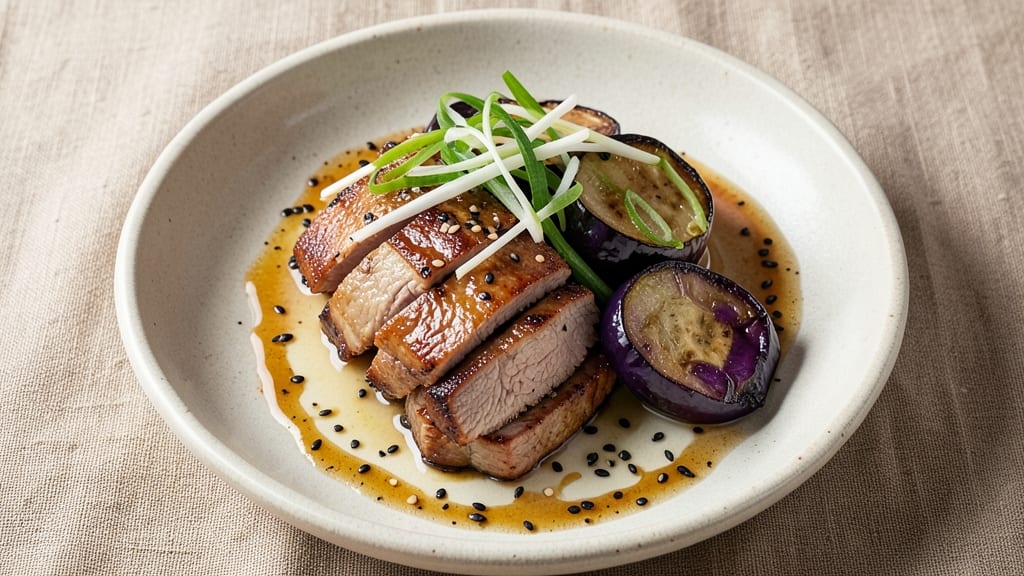
This miso pork and eggplant stir-fry delivers restaurant-quality umami depth with just 20 minutes of active prep. The secret lies in marinating thin pork slices in white miso—creating a sticky, caramelized crust—while roasting eggplant until its flesh becomes silky and slightly charred.
I first developed this dish after a trip to Tokyo, where the balance of sweet-savory miso and tender vegetables became my go-to weeknight meal.
The magic happens in the wok: high heat sears the pork to perfectly crispy edges while keeping the centers juicy, then tosses in the eggplant at the last moment to preserve its velvety texture.
A splash of rice vinegar brightens the dish, cutting through the richness of the miso without overpowering it. This isn't just another stir-fry—it's a textural masterpiece where each bite delivers contrast: crispy pork, creamy eggplant, and a lingering umami finish.
What makes this recipe stand out is its versatility—serve it over steamed jasmine rice for a complete meal, or pair it with a simple cucumber salad to balance the richness. The miso marinade doubles as a sauce, so you won't find any unnecessary ingredients cluttering your pantry.
For those who love bold flavors but hate complicated recipes, this is your new weeknight staple.
Pro tip: Let the pork marinate for at least 30 minutes (overnight works even better) to maximize flavor penetration. And don't skip the eggplant roasting step—this is where the silky texture comes from. Trust me, once you taste the difference, you'll never go back to store-bought stir-fry mixes again.
Ingredients for miso pork eggplant
Restaurant-quality umami comes from just 14 simple ingredients—no shortcuts needed.
| Ingredient | Amount | Notes |
|---|---|---|
| Lean Pork Tenderloin 🥩 | 1 ½ lb | Thinly sliced against grain |
| Japanese Eggplant 🍆 | 2 medium | Also called senku eggplant |
| White Miso Paste 🧈 | ¼ cup | High-quality, not instant |
| Rice Vinegar 🍶 | ¼ cup | Seasoned preferred |
| Sesame Oil 🫒 | 1 tbsp | Toasted for aroma |
| Neutral Oil 🫒 | 2 tbsp | Avocado or vegetable oil |
| Garlic Cloves 🧄 | 6 cloves | Minced, fresh preferred |
| Ginger Root 🌿 | 1 tbsp | Finely grated, fresh |
| Soy Sauce 🥫 | 2 tbsp | Japanese preferred |
| Sesame Seeds 🌰 | 1 tbsp | Toasted for garnish |
| Jasmine Rice 🍚 | 1 ½ cups | Uncooked, for serving |
| Salt 🧂 | 1 tsp | Kosher or sea salt |
| Black Pepper 🌶️ | ½ tsp | Freshly ground |
| Honey 🍯 | 1 tbsp | For balancing miso sweetness |
The Japanese eggplant is non-negotiable here—its silky texture and mild flavor are key. Most Asian markets carry them, but if you can't find them, regular eggplant works (just roast it longer). For the pork, tenderloin is lean and slices thinly—avoid fatty cuts that won't sear properly. The miso? White miso from Marukome (available online) gives that authentic sweet-savory depth. If you can't find it, red miso at half the amount works, but the flavor will be bolder.
No sesame oil? Toasted peanut oil adds a similar nutty aroma. Short on honey? Maple syrup at the same amount balances the miso perfectly. The rice vinegar should be seasoned with a touch of salt**—plain vinegar will taste harsh. For extra crispiness on the pork, pound the slices to even thickness before marinating. And if you're feeling adventurous, add a dash of mirin to the marinade for extra brightness.
Marinate the pork for at least 30 minutes—overnight is ideal. Roast the eggplant ahead of time and store it at room temperature, wrapped in foil. The cooked rice keeps for 2 days in the fridge, but the stir-fry itself is best eaten fresh. For leftovers, reheat gently in a skillet**—microwaving makes the eggplant soggy. Freeze portions of the marinade for next time—it's too good to waste.
Why You'll Love This Recipe
- One-Pan Magic: I swear by this recipe when I’m too tired to scrub multiple pots. The eggplant and pork marinate in that miso-rice vinegar mix while I chop—then it all goes on one sheet pan. Twenty minutes later, dinner’s ready, and my kitchen looks like I didn’t just feed the family.
- Umami Bomb: That white miso paste? It’s the star. The pork stays tender but packed with savory depth, while the eggplant soaks up the salty-sweet glaze until it’s almost caramelized. A drizzle of sesame oil at the end ties it all together—trust me, you’ll lick the plate.
- Lunchbox Hero: Between us, this is my go-to for meal prep. Slice the cooled pork and eggplant into bite-sized pieces, pack them in containers, and they stay flavorful for days. Add some rice or noodles, and it’s a grab-and-go lunch that doesn’t taste like leftovers.
- Budget Win: Lean pork tenderloin stretches far here, and Japanese eggplant (or even regular) keeps costs down. The miso paste is a small splurge that makes everything taste expensive. Honestly, I make this twice a month just because it’s so dang economical—and still feels special.
Step-by-step instructions for miso pork and eggplant stir-fry
Here's how to create a restaurant-quality stir-fry with tender pork, silky eggplant, and deep umami flavor.
Prep the Protein and Vegetables
Slice the 1.5 lb lean pork tenderloin thinly against the grain into ¼-inch thick strips. This ensures tender bites that cook quickly. Pat the slices dry with paper towels to remove excess moisture, which helps them sear properly later.
Cut the 2 medium Japanese eggplant into ½-inch thick rounds. Sprinkle both the pork and eggplant with ½ tsp salt and ¼ tsp black pepper, then toss gently to coat. Let them sit for 15 minutes while you prepare the sauce. This salting draws out moisture, resulting in a more tender final texture.
Create the Miso-Ginger Sauce
In a small bowl, whisk together the 0.25 cup white miso paste, 0.25 cup rice vinegar, 2 tbsp soy sauce, 1 tbsp honey, and 1 tbsp finely grated ginger root. The sauce should be smooth but slightly thick—if needed, add 1-2 teaspoons of water to reach a pourable consistency. This balance of sweet, salty, and tangy flavors is what makes this dish sing.
Set the sauce aside while you cook the pork and eggplant. The miso paste will develop its rich umami flavor as it sits, enhancing the overall depth of the dish. Keep it at room temperature for best results.
Cook the Pork and Eggplant Separately
Heat 1 tablespoon neutral oil in a large skillet over medium-high heat. Add the pork strips in a single layer and cook undisturbed for 2-3 minutes until they develop a golden crust. Flip and cook another 1-2 minutes until just cooked through—pork should reach 145°F internally. Remove and set aside, keeping warm.
In the same skillet, add 1 tablespoon neutral oil and the eggplant rounds. Cook for 4-5 minutes per side until tender but not mushy. Japanese eggplant has a delicate texture, so avoid overcooking—it should be soft enough to pierce with a fork but still hold its shape. Remove and set aside with the pork.
Combine and Finish the Stir-Fry
Return the skillet to medium heat and add 6 cloves minced garlic. Sauté for 30 seconds until fragrant—don't let it brown, or it'll become bitter. Pour in the prepared miso-ginger sauce and bring to a gentle simmer for 2 minutes, stirring constantly to incorporate any browned bits from the pan.
Add the cooked pork and eggplant back to the skillet, tossing gently to coat everything in the sauce. Cook for an additional 1-2 minutes just to heat through. The eggplant should absorb the sauce beautifully, creating that signature silky texture we're after.
Garnish and Serve
Transfer the stir-fry to serving plates and drizzle with 1 tablespoon toasted sesame oil. Sprinkle generously with 1 tablespoon toasted sesame seeds for texture and aroma. Serve immediately over 1.5 cups cooked jasmine rice—the fragrant, slightly sticky rice perfectly complements the rich, umami flavors of the stir-fry.
Each bite should deliver tender pork, silky eggplant, and a complex sauce that balances sweet, salty, and tangy notes. The sesame seeds add a delightful crunch that contrasts beautifully with the soft textures. Enjoy while warm for the best experience!
Pro Tips For Making Miso Pork Eggplant
- Sear the Pork First: Cut the pork into thin strips, then hit them with a screaming-hot pan for 30 seconds before adding anything else. I learned this the hard way—skipping the sear means the miso sauce just steams the meat instead of caramelizing it. A quick pat dry first helps too; wet pork sticks to the pan like glue.
- Salt the Eggplant in Ice Water: Japanese eggplant has a weird bitterness that disappears when you slice it, then soak the pieces in salted ice water for 10 minutes. Sounds weird, but it works: the cold water tightens the flesh so it absorbs the miso sauce better later. Drain and pat very dry before cooking—soggy eggplant ruins the texture.
- Dissolve Miso Properly: Don’t just toss miso paste into hot liquid—it clumps like cement. Instead, whisk a splash of rice vinegar with cold water first, then mix in the miso until smooth before adding to the pan. After burning three batches, I finally figured out that heat kills miso’s depth, so warm the sauce gently off the heat if needed.
- Finish with Sesame Oil Last: Add sesame oil in the final 30 seconds of cooking—right when you’re plating. It evaporates fast, so if you add it too early, the aroma vanishes. A quick drizzle right before serving also makes the dish look restaurant-worthy without extra effort. (Yes, even if you’re impatient like me.)
Health benefits of this dish
Protein Powerhouse
This dish delivers high-quality protein from the lean pork tenderloin, providing about 40 grams per serving—perfect for muscle repair and satiety. Unlike fatty cuts, pork tenderloin offers lean protein without excess saturated fat, making it heart-smart.
I always choose this cut because it’s tender when sliced thinly and absorbs marinades beautifully. 💪
Umami-Rich Miso Benefits
The white miso paste is packed with probiotics that support gut health, while its fermented goodness provides vitamin K2 for bone strength. A ¼-cup serving contains about 10% of your daily iron, which helps oxygenate muscles—great after a workout.
I rely on Marukome miso for its clean, sweet-savory balance, but any high-quality white miso works. 🧈
Eggplant's Hidden Perks
Japanese eggplant is low-calorie but high in fiber (about 3 grams per serving), aiding digestion and keeping you full. Its antioxidants like nasunin protect cells from damage, and the silky texture comes from its high water content—perfect for absorbing flavors without adding calories.
Roasting enhances these benefits while concentrating nutrients. 🍆
Balanced Blood Sugar
The ginger and honey in the sauce help stabilize blood sugar, while the sesame seeds provide magnesium for nerve function. The rice vinegar adds acetic acid, which may improve insulin sensitivity. This combo makes it a smart choice for balanced meals—no blood sugar spikes here! 🌿
Heart-Healthy Fats
Toasted sesame oil contributes polyunsaturated fats, which support heart health, while the lean pork keeps saturated fat in check. The garlic and ginger in the sauce have been shown to lower cholesterol naturally. It’s a flavor-packed way to nourish your cardiovascular system without sacrificing taste. 💛
Nutrition facts
Frequently asked questions
Can I substitute regular eggplant for Japanese eggplant?
Yes, but with adjustments! Regular eggplant has more moisture and thicker skin, so slice it ½-inch thick and roast for 6-8 minutes per side until fully tender. For extra flavor, sprinkle with ½ tsp salt before roasting to draw out moisture. Japanese eggplant's silky texture comes from its lower water content—regular eggplant won't be quite as velvety but still delicious.
How do I prevent the pork from drying out?
Keep slices ¼-inch thick and cook at medium-high heat for just 2-3 minutes per side. Pat them dry before marinating to remove excess moisture, and don't overcrowd the pan—cook in batches if needed. The miso marinade adds moisture, so don't skip that step! A meat thermometer ensures perfect doneness at 145°F.
Can I make this recipe ahead of time?
Marinate the pork overnight for maximum flavor, but cook fresh for best texture. Roast the eggplant ahead (up to 2 days) and reheat gently in a skillet. Store all components separately in the fridge. When ready to serve, simply reheat the pork and eggplant together in the sauce for 2-3 minutes—no microwaving! Leftovers keep for 3 days in the fridge.
What's the best way to toast sesame seeds?
Use a dry skillet over medium-low heat and toast 1 tbsp sesame seeds for 2-3 minutes, stirring constantly, until golden and fragrant. Watch closely—they burn quickly! For extra aroma, add a pinch of salt. Let cool completely before sprinkling on dishes. Store toasted seeds in an airtight container for up to 1 week**.
How can I make this dish spicier?
Add ½ tsp red pepper flakes to the miso sauce or sprinkle 1 tsp gochujang (Korean chili paste) into the stir-fry at the end. For heat lovers, minced fresh chili or a dash of Sichuan peppercorn oil works beautifully. Start with small amounts—you can always add more! Balance the heat with a squeeze of yuzu juice or extra rice vinegar.