
Main Courses
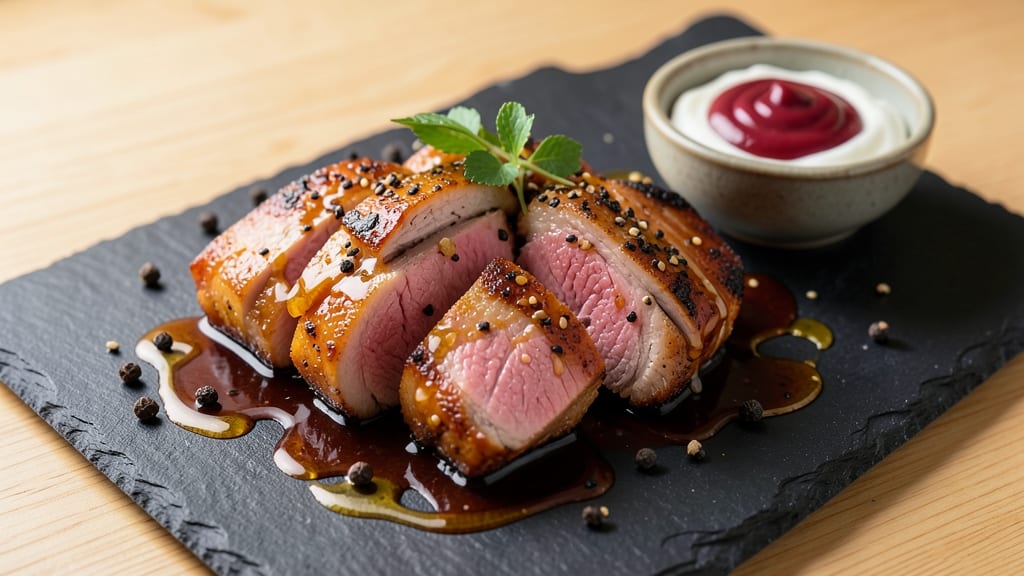
This miso shoyu pork recipe delivers the perfect marriage of Japanese umami and Southern comfort—tender pork bathed in a glossy, sticky-sauce that clings to every bite.
After years of perfecting the balance between miso’s earthy depth and shoyu’s salty punch, I’ve developed a method that transforms simple pork into restaurant-worthy flavor. The key?
A slow marinade that tenderizes while building layers of complexity, followed by a quick sear that locks in juices and creates that signature caramelized crust.
The beauty of this dish lies in its versatility—whether you’re grilling over charcoal, braising in a Dutch oven, or stir-frying in a hot skillet, the technique remains the same.
I use thick-cut pork chops or shoulder for maximum tenderness, marinated overnight in a blend of white and red miso, shoyu, and a touch of honey for balance.
The sauce isn’t just for dipping; it’s the star, reducing into a velvety glaze that coats the pork and adds a touch of sweetness to cut through the saltiness.
What you’ll end up with is pork so tender it falls apart with the slightest pressure, enveloped in a sauce that’s rich yet bright, with just the right amount of stickiness to make every bite irresistible.
Serve it over steamed jasmine rice to soak up those last delicious drops, or pair with quick-pickled vegetables for a contrast of textures and flavors. This isn’t just pork—it’s a full sensory experience, where every element works in harmony.
For those who love to experiment, try finishing the pork with a quick char over an open flame or drizzle the sauce with a splash of mirin for extra depth. The leftovers? Even better the next day, as the flavors meld and the sauce thickens into something even more complex.
Let’s make this dish—it’s the kind of recipe that turns weeknight dinners into something special.
Ingredients for miso shoyu pork
Pantry staples meet Japanese umami magic—just 14 ingredients for pork that falls apart with every bite.
| Ingredient | Amount | Notes |
|---|---|---|
| Thick-Cut Pork Chops 🥩 | 4 whole | 1-inch thick, bone-in preferred |
| White Miso Paste 🍶 | ½ cup | High-quality, non-GMO preferred |
| Red Miso Paste 🍶 | ¼ cup | For depth and color |
| Japanese Shoyu (Soy Sauce) 🥄 | ⅓ cup | Use Kikkoman or Yamasa brand |
| Honey 🍯 | 2 tbsp | Light or wildflower preferred |
| Sesame Oil 🫒 | 1 tbsp | Toasted for nutty aroma |
| Garlic Cloves 🧄 | 6 cloves | Minced, fresh preferred |
| Fresh Ginger 🌿 | 1 tbsp | Grated, peeled |
| Mirin 🍶 | ¼ cup | Sweet rice wine, not imitation |
| Neutral Oil 🫒 | 2 tbsp | Avocado or vegetable oil |
| Jasmine Rice 🌾 | 1 ½ cups | Uncooked, long-grain |
| Diamond Crystal Kosher Salt 🧂 | 1 ½ tsp | For seasoning and sauce |
| Black Peppercorns 🌶️ | ½ tsp | Freshly cracked |
| Green Onions 🧅 | 4 whole | Thinly sliced, for garnish |
The pork is non-negotiable—bone-in chops stay juicier than boneless, and thick-cut (1-inch) ensures tenderness. For the miso, Miso Master or Hibiki are my go-tos, but any high-quality paste works. If you can't find white miso, substitute 100% red miso—just reduce the honey slightly to balance. The shoyu matters too: Kikkoman is ubiquitous for a reason, but Yamasa adds a deeper complexity. For the rice, jasmine is ideal, but long-grain white works in a pinch. Pro tip: pat the pork dry before marinating—it helps the sauce cling better later.
No mirin? Substitute 1 tbsp honey plus 1 tbsp water—it won’t be identical, but it’s close. Short on sesame oil? Toast the seeds separately and use just 1 tsp oil, then sprinkle seeds on top. The garlic and ginger can be pre-minced from a jar (like Minced Garlic from Trader Joe’s) to save time, but fresh is always better. For a quick-pickled veggie side, thinly slice cucumbers, carrots, and radishes, then toss with rice vinegar, sugar, and salt—it cuts through the richness perfectly. The honey balance is key: too much makes it cloying, so start with 2 tbsp and adjust to taste.
Marinate the pork overnight for maximum tenderness, but at least 4 hours works if you're short on time. The sauce keeps 5 days in the fridge—it actually improves as it reduces further. For leftovers, reheat gently in a skillet with a splash of water to prevent drying. The pork freezes beautifully for up to 3 months—just thaw in the fridge overnight. Double the sauce if you know you’ll have seconds; it’s the star of this dish. Store extra sauce in a glass jar in the fridge, where it’ll stay vibrant for up to 2 weeks. Garnish with toasted sesame seeds right before serving for that restaurant touch.
Why You'll Love This Recipe
- Same recipe, different vibes: serve it sliced over rice for a quick weeknight meal or platter it with steamed greens for guests. The thick-cut pork stays juicy either way—no last-minute stress.
- One-Pan Magic: I swear by this for nights when I’d rather not wash a million dishes—just sear the pork, toss in the miso-shoyu glaze, and let the oven do the work. That sticky, caramelized crust? Zero scrubbing required.
- Sweet-Savory Umami Bomb: The combo of red and white miso with honey creates this addictive balance—salty, funky, and just sweet enough to make your taste buds dance. Honestly, I’ve caught myself licking the pan afterward.
- Weeknight to Dinner Party: Same recipe, different vibes: serve it sliced over rice for a quick weeknight meal or platter it with steamed greens for guests. The thick-cut pork stays juicy either way—no last-minute stress.
Step-by-step instructions for miso shoyu pork with jasmine rice
Here's how to create a restaurant-quality miso shoyu glaze that clings perfectly to each pork chop.
Prepare the Pork Chops for Maximum Flavor
Pat the 4 whole thick-cut pork chops completely dry with paper towels—this helps the marinade adhere and creates a better sear. Place them in a shallow dish and season both sides generously with the 1.5 teaspoons diamond crystal kosher salt and freshly cracked 0.5 teaspoon black peppercorns. Let them sit at room temperature for 30 minutes while you prepare the marinade.
I press down gently on the chops during the first minute of marinating—this prevents them from curling and ensures even contact with the sauce. The salt will begin drawing out moisture, which is why we pat them dry first. This step is crucial for developing that signature crispy exterior while keeping the interior juicy.
Create the Miso Shoyu Glaze
In a small saucepan, combine the 0.5 cup white miso paste, 0.25 cup red miso paste, 0.33 cup Japanese shoyu, 2 tablespoons honey, 1 tablespoon toasted sesame oil, 6 cloves minced garlic, 1 tablespoon grated fresh ginger, and 0.25 cup mirin. Place the saucepan over medium heat and whisk constantly for 5-7 minutes until the mixture thickens slightly and becomes glossy.
The red miso adds depth and color, while the white miso provides that umami richness we love. You'll notice the mixture will bubble gently—this is normal. If it starts to separate, whisk vigorously to re-emulsify. Remove from heat once it reaches a consistency where it coats the back of a spoon but still flows smoothly.
Marinate and Sear the Pork Chops
Pour the warm miso shoyu glaze over the seasoned pork chops, coating them completely. Let them marinate for at least 30 minutes at room temperature—this allows the flavors to penetrate deeply. While they marinate, heat a large skillet over medium-high heat and add the 2 tablespoons neutral oil.
When the oil is shimmering (around 350°F), add the pork chops and cook for 4-5 minutes per side until they develop a beautiful golden-brown crust. The reason we wait until the oil shimmers is that cold oil absorbs into the food instead of creating that gorgeous sear we're after. Don't crowd the pan—cook them in batches if needed to maintain proper heat.
Simmer in the Glaze for Maximum Flavor
Once the chops are browned, reduce heat to medium-low and return the reserved marinade to the pan. Spoon the sauce over the chops and let them simmer for 5-7 minutes, basting frequently with the sauce. You're looking for an internal temperature of 145°F when measured with an instant-read thermometer—this ensures perfectly cooked pork that's juicy throughout.
The sauce should reduce slightly and become even more glossy as it coats the chops. If it thickens too much, add 1-2 tablespoons of water to maintain the perfect consistency. The chops should have a beautiful caramelized crust while remaining tender inside. Remove from heat and let them rest for 5 minutes before serving.
Prepare Jasmine Rice and Garnish
While the pork rests, prepare the 1.5 cups jasmine rice according to package instructions—typically a 1:1.5 rice-to-water ratio. Once cooked, fluff with a fork and cover to keep warm. Thinly slice the 4 whole green onions and set aside for garnish.
To serve, place each pork chop over a generous portion of rice and spoon the reduced miso shoyu sauce over the top. Garnish with the sliced green onions and a drizzle of any remaining sauce. The contrast between the tender pork, glossy sauce, and fragrant rice creates a harmonious balance of flavors that will have everyone asking for seconds.
Pro Tips For Making Miso Shoyu Pork
- Sear First, Glaze Later: Hit your pork chops with a screaming-hot pan for 2-3 minutes per side before adding the miso mixture. I used to toss them in the sauce too soon, and the chops ended up steamed instead of caramelized—now they’ve got that deep, sticky crust that holds up to the glaze.
- Whisk Miso Like Mad: Mix your white and red miso pastes with shoyu and honey until it’s completely smooth—no lumps, no grit. I learned this the hard way when a chunk of miso stuck to my chop mid-bite. Use a fork first, then a whisk if needed; your sauce will coat the pork evenly.
- Don’t Overcrowd the Pan: Cook the pork chops in batches if your pan’s too small. I once tried to rush it and ended up with soggy, undercooked edges. A single chop should sizzle freely—crowding turns your glaze into a sad, watery mess.
- Finish with a Splash of Water: Right before serving, add 1-2 tablespoons of water to the pan and let it bubble for 30 seconds. The steam loosens the glaze, making it glossy and clinging. Sounds weird, but it works—your pork will look restaurant-worthy in seconds.
Make-ahead tips for this dish
Marinade Prep Ahead
Prepare the miso shoyu marinade 24 hours in advance—this lets the flavors meld deeply and tenderizes the pork beautifully. Store it in an airtight container in the fridge, where it’ll develop even more complexity.
I like to make a double batch because the leftovers make an incredible dipping sauce for spring rolls or grilled vegetables. The sauce actually improves over time, so don’t hesitate to prep it early. 💫
Pork Prep Timeline
Pat the pork chops dry and season them the night before, then refrigerate uncovered on a wire rack. This dries the surface for better searing and prevents soggy marinating. Wrap them in parchment paper and store in the fridge until ready to marinate.
I find this step cuts down on last-minute prep and ensures perfect texture every time. The chops can marinate in the fridge for up to 12 hours—just bring them to room temperature before cooking.
Sauce Reduction Shortcut
Simmer the miso shoyu sauce uncovered on the stove for 10-15 minutes before using it to marinate the pork. This reduces it to a thicker consistency right away, so you don’t have to worry about it being too thin later.
Store the reduced sauce in a glass jar in the fridge for up to 5 days—it’s perfect for drizzling over rice bowls or tossing with noodles. The longer it sits, the more concentrated the flavors become. ✨
Freezer-Friendly Pork
Marinate the pork as directed, then freeze it in a single layer on a tray before transferring to a freezer bag. This prevents the pieces from sticking together. Thaw overnight in the fridge before cooking—never at room temperature.
The pork maintains its tenderness perfectly after freezing, and the marinade keeps it flavorful. I’ve found that frozen pork actually develops a slightly deeper flavor profile when cooked after thawing. Just add 2-3 extra minutes to the cooking time to account for the cold start.
Make-Ahead Serving Strategy
Cook the pork completely, then store it in the fridge for up to 3 days. The flavors deepen overnight, and reheating is a breeze—just warm in a skillet with a splash of water or broth.
I like to serve the pork cold in rice bowls the next day with quick-pickled veggies for a refreshing twist. The sauce can be reheated separately and drizzled over the top before serving. This approach turns a weeknight dinner into a stress-free meal with minimal effort. 💡
Batch Cooking Tips
Double the recipe and freeze half of the cooked pork and sauce in portioned containers. This lets you grab a meal on busy nights without sacrificing flavor. I use quart-sized glass containers for easy reheating—just pop them in the microwave for 2-3 minutes or warm in a skillet.
The sauce keeps beautifully in the freezer for up to 3 months, though I recommend using it within 2 months for peak freshness. Label everything clearly so you can identify the contents at a glance. 📅
Nutrition facts
Frequently asked questions about miso shoyu pork
Can I use boneless pork chops instead of bone-in?
You can, but bone-in chops stay juicier and more flavorful. If using boneless, pat them extra dry and consider adding 1/4 cup water to the marinade to prevent drying out. For best results, choose 1-inch thick boneless chops to maintain tenderness. The bone helps regulate cooking temperature naturally.
What's the difference between white and red miso in this recipe?
White miso is milder and sweeter, adding subtle umami without overpowering. Red miso is deeper, saltier, and more complex—it gives the sauce its rich color and robust flavor. For this recipe, the combination creates perfect balance: white miso for tenderness, red miso for depth. If you only have red miso, reduce the shoyu by 1 tablespoon to compensate for the extra saltiness.
How do I prevent the pork from drying out when cooking?
Start with properly dried chops and don't overcook! Use a meat thermometer to check for 145°F internal temp. For extra moisture, add 1/4 cup water to the pan when simmering. I also recommend resting the pork for 5 minutes after cooking—this lets juices redistribute. Another trick: sear at medium-high heat first, then finish at medium-low to gently cook through.
Can I make this recipe with pork shoulder instead of chops?
Cut the shoulder into 1-inch cubes and marinate for 4-12 hours (longer = more tender). Cook in batches to develop crispy edges, then simmer in the sauce until fork-tender (165°F internal temp). The texture will be more robust than chops but equally delicious. For extra flavor, add 1/2 cup water to the pan when braising to prevent drying.
What's the best way to reheat leftovers?
Reheat gently in a skillet with 1 tablespoon neutral oil over low heat for 3-4 minutes, adding 1-2 tablespoons water to prevent drying. For saucy leftovers, cover and warm on the stove for 2-3 minutes. Never microwave—it makes the pork rubbery. Leftovers keep well in the fridge for 3 days or freeze for 3 months.