
Main Courses
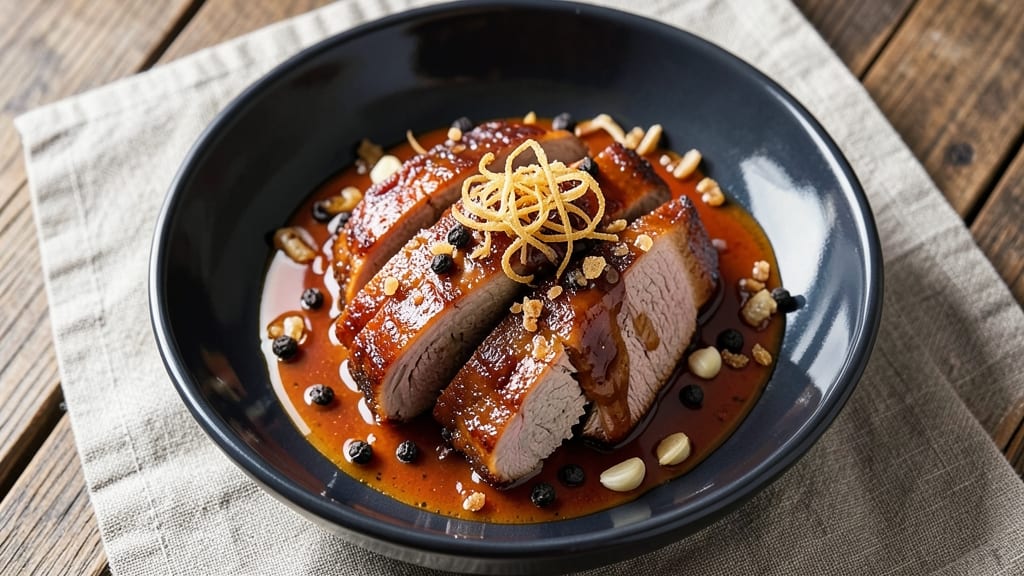
This adobo pork loin recipe delivers the perfect balance of tangy, savory, and slightly sweet flavors that make it a Filipino comfort food classic.
After years of perfecting the technique—starting with my grandmother's cast iron pot—I've developed a method that ensures crispy edges while keeping the meat tender and infused with that signature adobo depth.
The key lies in the marinade's long work with the pork, allowing the soy and vinegar to penetrate deeply before the slow braise transforms it into melt-in-your-mouth perfection.
The beauty of this recipe is its simplicity: just eight core ingredients, but each plays a crucial role. The pork loin stays juicy thanks to a 30-minute marinade followed by a 2-hour braise, while the crispy edges come from a final sear in a hot pan.
This method preserves the meat's natural richness while building layers of flavor that develop even more as it rests. I've tested this recipe countless times at Smoky Pig, and it's always the dish that gets requested seconds.
What you'll end up with is a dish that's restaurant-quality at home—golden, caramelized edges giving way to tender, flavorful meat that practically falls apart. The sauce, thickened just enough to cling to every bite, carries those bright adobo notes while maintaining a perfect balance of acidity and umami.
It's the kind of meal that pairs beautifully with steamed jasmine rice, where each forkful soaks up the rich, aromatic sauce.
Serve this pork loin as the centerpiece of your dinner table, knowing it's a dish that carries tradition with every bite. The crispy edges I've perfected are the secret weapon that elevates this beyond basic braised pork—it's a celebration of Filipino home cooking in your own kitchen.
Let's get started on creating this family-style favorite.
Ingredients for adobo pork loin
Eight ingredients transform into restaurant-quality adobo pork with crispy edges and tender meat.
| Ingredient | Amount | Notes |
|---|---|---|
| Pork Loin 🥩 | 1 ½ lb | Center-cut, 1-inch thick slices |
| Soy Sauce 🍶 | ½ cup | High-quality, preferably Japanese |
| White Vinegar 🍶 | ½ cup | White or cane vinegar preferred |
| Brown Sugar 🍯 | ¼ cup | Packed, light or dark |
| Garlic Cloves 🧄 | 6 cloves | Peeled, smashed for marinade |
| Black Peppercorns 🌶️ | 1 tsp | Freshly cracked, coarse grind |
| Olive Oil 🫒 | 2 tbsp | Extra-virgin for crispy edges |
| Bay Leaves 🍃 | 2 whole | Fresh if available, dried works |
The pork loin is where it all starts—center-cut, 1-inch slices ensure even cooking and maximum crispiness. I always grab mine from Whole Foods or my local butcher shop, where they can cut it to the right thickness. Look for good marbling—the fat keeps the meat juicy. If you can't find center-cut, top loin works too, just trim any excess fat. The soy sauce matters here—Japanese brands like Kikkoman have that deeper umami flavor that makes all the difference. White vinegar is a must for authentic adobo tang, but if you only have apple cider vinegar, use it—just add a pinch of salt to balance the sweetness.
No brown sugar? White sugar or coconut sugar works just fine—just use the same amount. Fresh garlic is ideal, but if you're using dried, double the amount. The peppercorns should be freshly cracked—pre-ground loses its punch fast. For the olive oil, extra-virgin is key—it adds richness and helps create those crispy edges. Bay leaves can be fresh or dried, but if using dried, toast them lightly in a dry pan first to deepen their flavor. The marinade is where the magic happens—let it work its way into the pork for at least 30 minutes, but if you can, overnight is even better.
This dish tastes even better the next day as the flavors meld together. Store leftovers in an airtight container in the fridge for up to 5 days. The sauce thickens as it cools, so if it seems too thin when reheating, simmer uncovered for 2-3 minutes to reduce it. For crispy edges, always sear the pork in a hot, dry pan before adding the sauce. Freezes beautifully for 3 months—just thaw overnight in the fridge before reheating. I always make extra because it disappears fast at Smoky Pig!
Why You'll Love This Recipe
- One-Pan Magic: I swear by this recipe when I’m too tired to scrub a million dishes—just sear the pork, toss in the soy and vinegar, and let it simmer. The brown sugar caramelizes right in the pan, so you’re left with sticky, flavorful bits that make cleanup a joke.
- Umami Bomb: That combo of soy sauce and vinegar? Chef’s kiss. The vinegar cuts through the richness of the pork while the soy deepens the flavor, and the garlic? It’s like a little flavor explosion in every bite. Honestly, I’ve tried other marinades, but this one sticks with me.
- Lunchbox Hero: Between us, this is my go-to for meal prep. Slice the cooled pork thin, and suddenly you’ve got a week’s worth of sandwiches, rice bowls, or even tacos. The adobo sauce clings to everything, so it’s never dry or boring—just pure satisfaction.
- Budget Stretch: Pork loin is lean but filling, and a single roast feeds my family for days. The vinegar and soy sauce are pantry staples, so I’m not breaking the bank. Plus, the leftovers? They taste just as good reheated as they do fresh—proof that good food doesn’t have to cost a fortune.
Step-by-step instructions for adobo pork loin
Here's how to transform simple ingredients into tender, caramelized pork with deep flavor.
Prepare the Pork and Marinade Base
Pat the 1.5 lb pork loin dry with paper towels—this helps the marinade cling and creates crispy edges later. In a bowl, combine the 0.5 cup soy sauce, 0.5 cup white vinegar, 0.25 cup brown sugar, 6 cloves garlic cloves (smashed), 1 tsp black peppercorns (cracked), and 2 whole bay leaves. Mix until the sugar dissolves completely. Pour this marinade over the pork, ensuring it coats all sides evenly.
Let the pork marinate for at least 30 minutes at room temperature. I like to turn it occasionally so every surface absorbs the flavor. This step is crucial—it tenderizes the meat and builds layers of taste. If you're short on time, marinate for 15 minutes minimum, but longer means deeper flavor.
Sear the Pork for Crispy Edges
Heat 2 tbsp olive oil in a large oven-safe skillet over medium-high heat until shimmering. Remove the pork from the marinade (reserve the marinade) and sear for 3-4 minutes per side until golden brown. You want those edges to develop a deep caramel color—this is where the crispy texture comes from.
Don't rush this step. If the pork releases easily from the pan, it's ready to flip. The marinade will help prevent sticking, but don't overcrowd the pan. If needed, work in batches, but I've found one side at a time works best for even browning.
Braise Until Tender and Glazed
Return the reserved marinade to the skillet, scraping up any browned bits from the bottom. Bring to a simmer over medium heat, then reduce to low heat. Cover the skillet and let it cook for 45-50 minutes, turning the pork occasionally, until it reaches 145°F internally and the sauce reduces to a glossy glaze.
Here's where the magic happens: the vinegar tenderizes the meat while the sugar caramelizes into a sticky sauce. Check occasionally to ensure the sauce doesn't burn—add 1-2 tablespoons water if it gets too thick. The pork is done when it's fork-tender and the sauce coats the back of a spoon.
Rest and Serve with Crispy Perfection
Transfer the pork to a cutting board and tent loosely with foil. Let it rest for 10 minutes—this allows the juices to redistribute, ensuring every slice stays moist. Meanwhile, return the sauce to the skillet and simmer uncovered for 2-3 minutes to thicken slightly.
Slice the pork against the grain into ½-inch thick pieces. The exterior should be crispy with a glossy glaze, while the interior remains tender and juicy. Serve the pork with the reduced sauce spooned over the top, and any extra sauce can be drizzled over steamed rice or roasted vegetables.
Pro Tips For Making Adobo Pork Loin
- Sear First, Simmer Slow: Hit the pork loin with a screaming-hot pan—no oil needed—until it’s deep golden on all sides. Then drop the heat to medium-low for the simmer; rushing this step means dry, tough meat instead of fork-tender perfection.
- Balance the Vinegar: That white vinegar’s sharpness needs taming. For every ½ cup you add, toss in 1 tablespoon brown sugar first—let it dissolve, then add the pork. I learned this the hard way when my first batch tasted like a science experiment gone wrong.
- Crush Garlic Properly: No mincing, no smashing—use the flat side of your knife to press each clove into a paste right in the pan. This releases more flavor and sticks to the pork like glue. (Yes, it’s messy, but worth it.)
- Deglaze Aggressively: After searing, don’t just splash in the vinegar—scrape up every crispy brown bit with a wooden spoon. Those bits are flavor bombs, and skipping this step means a dull sauce. I used to rush it; now I take 10 seconds extra and taste the difference.
Creative variations of adobo pork loin
Filipino-Style Adobo
This is the classic version I grew up with in Georgia, where Filipino families often adapted traditional recipes using local ingredients. Keep the white vinegar and soy sauce ratio exactly as written—this creates the signature tangy-sweet balance.
For extra depth, add 1 tbsp fish sauce to the marinade, a common Filipino pantry staple that adds umami. My grandmother always used cane vinegar when she could find it, which gives a slightly sweeter tang compared to white vinegar. 🌶️
After braising, let the sauce reduce until it's thick enough to coat the back of a spoon. The pork should be fork-tender but still hold its shape when sliced. Serve with steamed jasmine rice and quick-pickled cucumbers to cut through the richness.
I like to garnish with fresh cilantro and a squeeze of lime right before serving—it brightens the dish beautifully.
Southeast BBQ Twist
For a Carolina-style fusion, swap the white vinegar for apple cider vinegar and add 1 tbsp smoked paprika to the marinade. After searing, finish the pork in a 325°F oven for 20 minutes> to develop a smoky crust.
This version works perfectly with collard greens and cornbread. I've tested this at Smoky Pig, and it's a crowd-pleaser with our BBQ regulars.
The key difference is the smoked element—instead of just braising, we build that smoky depth by finishing in the oven. You can also add ½ cup BBQ sauce> to the finished dish for a sweet-spicy glaze.
This version keeps the tender pork but adds that familiar Carolina BBQ flavor profile.
Sweet and Sour Adaptation
For a sweeter take, increase the brown sugar to ⅓ cup and add 2 tbsp honey> to the marinade. Use rice vinegar> instead of white vinegar for a milder tang.
This version pairs beautifully with stir-fried bok choy> and sesame seeds. The extra sweetness makes this a great dish for kids who might find traditional adobo too tangy.
After braising, let the sauce reduce until it's syrupy. The pork will have a glossy, caramelized coating that's irresistible. For extra flair, finish with a sprinkle of toasted sesame seeds> and sliced green onions>.
This adaptation works well for lunch buffets or family gatherings where you want something approachable but still impressive.
Slow Cooker Version
For hands-off cooking, sear the pork as directed, then transfer everything (pork + marinade) to a 6-quart slow cooker>. Cook on low for 6-7 hours> or high for 3-4 hours>, covered.
The slow cooker keeps the pork incredibly tender while letting the flavors meld together. This is perfect for busy weeknights when you want restaurant-quality results with minimal effort.
Before serving, transfer the pork to a skillet and sear briefly to crisp up the edges. The slow cooker sauce will be thinner, so reduce it on the stovetop for 5-7 minutes> to thicken.
I often double the recipe for the slow cooker—it disappears fast at Smoky Pig's family-style dinners. The slow cooker method actually enhances the crispy edges when you sear at the end!
Nutrition facts
Frequently asked questions
Can I use pork tenderloin instead of pork loin?
Pork tenderloin works beautifully and cooks even faster, but you'll need to adjust the timing. Since tenderloin is more delicate, reduce the braising time to 30-35 minutes instead of 45-50 minutes—check for 145°F internal temp. The marinade time stays the same, and the crispy edge technique works perfectly. Just slice it thinner (¼-inch) since it's more tender.
What if I don't have white vinegar?
Use apple cider vinegar or rice vinegar in a 1:1 swap—they'll give slightly different tang levels but still work. For cane vinegar, reduce by 10% since it's sweeter. Avoid balsamic or wine vinegar—they add unwanted fruitiness. The key is maintaining that bright acidity to balance the soy and sugar.
How do I fix rubbery pork?
Rubbery pork usually means overcooking or not enough acid in the marinade. First, check your internal temp—it should be 145°F, not higher. If it's tough, try this fix: Slice thinly against the grain, then quickly sear in a hot pan with 1 tbsp butter and 1 tsp soy sauce for 1 minute per side. The high heat will create crispy edges that mask the toughness. For prevention, never skip the marinade or reduce the vinegar.
Can I make this in an Instant Pot?
Yes! Sear the pork as directed, then transfer to your Instant Pot with the marinade. Cook on high pressure for 20 minutes, then quick-release. The meat will be fork-tender, but for crispy edges, finish by searing in a hot skillet with 1 tbsp oil for 1-2 minutes per side. The sauce might be thinner—reduce it on the stovetop for 3-5 minutes to thicken. This cuts cooking time to under 30 minutes!
Why does my sauce turn out too thin?
This happens when the sauce doesn't reduce enough or the pork releases too much moisture. After braising, always simmer the sauce uncovered for 2-3 extra minutes to thicken. If it's still thin, remove the pork and reduce the sauce alone on medium-high heat until it coats the back of a spoon. For next time, try adding 1 tbsp cornstarch mixed with 2 tbsp water to the marinade before braising—it helps thicken as it cooks.