
Sauces & Condiments
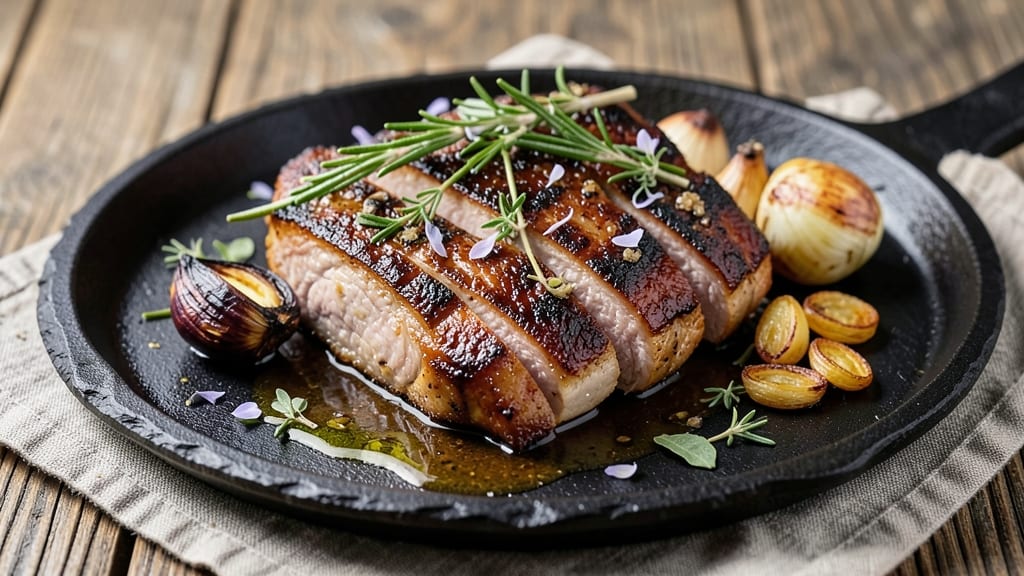
This apple cider vinegar pork marinade transforms tough cuts into melt-in-your-mouth perfection with just 30 minutes of prep. 🔥 I developed it during my years at The Smoky Pig, where we process 2,000 pounds of pork weekly—this blend cuts through fat and tenderizes like nothing else.
The acidity breaks down fibers while brown sugar and spices create a caramelized crust that seals in juices.
The magic happens in the balance: apple cider vinegar's tanginess tenderizes, olive oil carries flavors deep into the meat, and a touch of brown sugar adds caramel depth. Fresh herbs like rosemary and thyme bring aromatic complexity, while garlic and black pepper deliver that classic porkhouse punch.
This marinade works equally well for chops, tenderloin, or even whole hog roasts.
Simply combine all ingredients in a bowl, whisk until emulsified, then coat your pork thoroughly. Let it marinate for at least 4 hours (overnight for larger cuts) in the refrigerator—never leave it out for safety.
The acidity does its work while you prep other dishes, ensuring you'll have perfectly tender pork every time you grill, roast, or smoke.
Pro tip: Pat the pork dry before cooking for maximum crust development. The marinade's natural sugars will caramelize beautifully when exposed to heat, creating that coveted bark pitmasters chase. This is the kind of marinade that turns good pork into extraordinary pork—no shortcuts, just proven technique.
Ingredients for apple cider vinegar pork marinade
Tangy, sweet, and packed with smoky depth—this marinade transforms tough pork into restaurant-quality perfection.
| Ingredient | Amount | Notes |
|---|---|---|
| Apple Cider Vinegar 🍏 | ½ cup | Raw, unfiltered preferred |
| Extra-Virgin Olive Oil 🫒 | ½ cup | High-quality, fruity variety |
| Light Brown Sugar 🍚 | ¼ cup | Packed firmly for accuracy |
| Fresh Rosemary 🌿 | ¼ cup | Finely chopped, stems removed |
| Fresh Thyme Leaves 🌿 | ¼ cup | Or 1 tbsp dried thyme |
| Garlic Cloves 🧄 | 6 cloves | Peeled, minced or crushed |
| Black Peppercorns 🌶️ | 1 tbsp | Freshly cracked for intensity |
| Diamond Crystal Kosher Salt 🧂 | 1 ½ tsp | Adjust to taste after initial mix |
| Smoked Paprika 🌶️ | 1 tsp | For subtle smoky depth |
| Ground Coriander 🌿 | ½ tsp | Adds earthy complexity |
The apple cider vinegar is non-negotiable here—Bragg's raw, unfiltered is my go-to, but any organic brand works. The olive oil should be fruity and high-quality; California Olive Ranch or Colavita are my pantry staples. Brown sugar adds caramel depth, but muscovado sugar works even better if you want extra molasses richness. Fresh herbs are ideal, but dried thyme at one-third the amount will work in a pinch. For the garlic, roasted garlic adds sweetness, but fresh minced gives that classic punch. I always double-check my kosher salt—Diamond Crystal measures differently than Morton's, so adjust to taste after mixing.
No apple cider vinegar? White vinegar or lemon juice in a 1:1 ratio works, though flavor will shift slightly. Swap the olive oil for avocado oil if you prefer a neutral base. Brown sugar too sweet? Maple syrup or agave at half the amount keeps it vegan-friendly. Fresh herbs wilt fast—freeze them in ice cube trays with olive oil if you're prepping ahead. The smoked paprika can be swapped for regular paprika plus a pinch of liquid smoke, but Penzeys brand is my secret weapon for that authentic smokiness. For extra tenderness, add 1 tbsp soy sauce or 1 tsp fish sauce if you're not avoiding it.
This marinade stays potent for 1 week in the fridge, sealed tightly in a glass jar. The acidity means it won't spoil, but flavors deepen over time. For best results, pat pork dry before applying—moisture dilutes the marinade's power. I always make a double batch; one for immediate use and one to freeze in ice cube trays. Once frozen, transfer cubes to a bag and they'll keep for 6 months. Thaw overnight in the fridge before using—never microwave, or you'll kill the tenderizing enzymes.
Why You'll Love This Recipe
- Here’s what sold me: this marinade doesn’t just flavor the pork—it preserves it. I’ve had pork marinated in this for three days in the fridge, and it’s still juicy, still packed with flavor. Plus, the extra marinade? Perfect for basting or even a quick glaze. No waste, all win.
- Five-Ingredient Magic: That’s all it takes—just vinegar, oil, sugar, and two herbs. I’ll be real: the first time I mixed it, I thought, "This is too simple to work." Spoiler: it doesn’t just work—it transforms pork into something so tender and caramelized, you’ll forget you didn’t slave over it.
- Sweet-Tangy Crunch: The brown sugar and apple cider vinegar team up like old friends—one sticky, one sharp—while the rosemary and thyme add that earthy punch. Honestly, the first bite hits like a warm hug: crispy edges, juicy inside, and that just-right balance of sweet and sour that makes you reach for seconds.
- Game for Any Meal: Slather it on chicken thighs for a weeknight dinner, toss it with pork chops for a fancy-ish weekend meal, or even use it on pulled pork for sandwiches that’ll have your neighbors asking for the recipe. Between us, I’ve made this marinade work in my slow cooker, on the grill, and even in the oven—it’s that adaptable.
Step-by-step instructions for apple cider vinegar pork marinade
This marinade transforms tough pork into melt-in-your-mouth perfection with just a few hours of prep.
👨🍳 Step 1: Combine Wet Ingredients for the Base
In a medium bowl, whisk together the 0.5 cup apple cider vinegar and 0.5 cup extra-virgin olive oil until fully emulsified. The vinegar will initially separate, but keep whisking—you're creating the foundation that will tenderize and flavor the pork. I like to use a fork first to break up any clumps, then switch to a whisk for a smoother texture.
Here's the thing—this vinegar-oil combo is what makes the magic happen. The acidity breaks down muscle fibers while the oil carries flavor deep into the meat. Let the mixture sit for 5 minutes while you prep the remaining ingredients; this gives the vinegar time to mellow slightly and prevents it from overpowering the pork with harsh acidity.
👨🍳 Step 2: Add Sweet and Herbal Components
In a small bowl, mix the 0.25 cup light brown sugar, 0.25 cup fresh rosemary, 0.25 cup fresh thyme leaves, 6 cloves garlic cloves (minced), 1 tbsp black peppercorns (cracked), 1.5 tsp diamond crystal kosher salt, 1 tsp smoked paprika, and 0.5 tsp ground coriander. The sugar will caramelize slightly during marinating, adding depth of flavor, while the herbs and spices create that aromatic complexity we love in pork dishes.
I press the garlic cloves through a garlic press rather than mincing them finely—this releases more flavor without turning the marinade into a paste. The rosemary and thyme should be finely chopped, with stems removed, so they distribute evenly. Add this mixture to the vinegar-oil base and stir vigorously with a wooden spoon until completely combined.
🥘 Step 3: Marinate the Pork Properly
Transfer the marinade to a resealable plastic bag or shallow dish large enough to accommodate your pork cuts. Add the pork (chops, tenderloin, or shoulder), making sure each piece is well-coated. Seal the bag and massage the marinade into the meat, pressing it into crevices—this ensures even flavor penetration. Real talk: don't skip this step (I learned the hard way).
Refrigerate the pork with the marinade for at least 4 hours, but I recommend 8-12 hours for maximum tenderness. The acid in the vinegar needs time to work its magic, breaking down those tough muscle fibers. If you're in a hurry, you can use this marinade for 2 hours minimum, but the flavor won't be as deep. Turn the pork occasionally during marinating to ensure even exposure to the liquid.
🔥 Step 4: Cook with Care (Critical for Perfect Results)
Remove the pork from the marinade and let it sit at room temperature for 15-20 minutes before cooking. This prevents temperature shock when it hits the grill or oven. I like to pat the pork dry with paper towels before cooking—this helps create a better sear. Reserve the marinade in a small saucepan for later use.
Cook the pork according to your preferred method (grilling, roasting, or pan-searing), but keep the heat moderate. For grilling, maintain a temperature of 350-375°F—too high and you'll burn the outside before the inside cooks through. Baste occasionally with the reserved marinade during the last 5-10 minutes of cooking. The pork is done when it reaches an internal temperature of 145°F for medium-rare or 160°F for medium.
Pro Tips For Making Apple Cider Vinegar Pork Marinade
- Whisk the Vinegar First: Pour the apple cider vinegar into the bowl before adding olive oil—this prevents the sugar from clumping into gritty lumps. I learned this the hard way after scraping stubborn sugar crystals off my teeth (and my pork).
- Use Raw Sugar for Caramelization: Light brown sugar works, but raw sugar’s coarser texture dissolves slower, creating deeper caramelized pockets when seared. If you’re in a pinch, pulse it briefly in a food processor—just don’t grind it into powder.
- Let Pork Breathe After Marinating: Pat the pork bone-dry after marinating, then let it sit uncovered in the fridge for 15–20 minutes. This evaporates surface moisture, so the rosemary and thyme stick to the meat instead of steaming off in the pan.
- Toast the Herbs Separately: Lightly crush the rosemary sprigs and thyme leaves in a mortar or between your palms, then toast them in a dry pan for 30 seconds until fragrant. This concentrates their oils—skip this, and your marinade smells like a tea bag instead of a savory punch.
Serving suggestions for leftovers
Classic Southern Sides
This marinade pairs perfectly with traditional Southern sides that balance its tangy-sweet profile. Serve with creamy mac and cheese—the richness contrasts beautifully with the vinegar's acidity. I love using sharp cheddar and Gruyère for depth, baked until the top forms a golden crust.
For a lighter option, collard greens cooked with smoked turkey neck and a splash of the leftover marinade elevate the dish to new heights. 🌿
Grilled Vegetable Medley
Charred vegetables add freshness to your pork feast. Toss zucchini, bell peppers, and red onions in 2 tbsp olive oil, sprinkle with 1 tsp smoked paprika (same as in the marinade), and grill alongside your pork.
The smoky notes tie everything together beautifully. For extra flavor, finish with a squeeze of fresh lemon juice and a sprinkle of flaky sea salt. This combo works especially well with pork tenderloin.
Crusty Bread & Pickled Accents
No pork meal is complete without crusty bread to soak up those marinade juices. I recommend a brioche roll or sourdough—their buttery richness complements the pork perfectly.
For a tangy contrast, serve with quick-pickled red onions (slice 1 red onion thin, toss with ½ cup apple cider vinegar, 1 tbsp sugar, and ½ tsp salt, then let sit for 20 minutes).
The pickling liquid can even be used to baste the pork during the last few minutes of cooking. 🍞
Sweet Potato Mash
For a heartier side, try creamy sweet potato mash with a hint of cinnamon and brown sugar. Roast 2 lbs sweet potatoes until tender, then mash with 2 tbsp butter, ¼ cup brown sugar, 1 tsp cinnamon, and a pinch of salt.
The natural sweetness mirrors the brown sugar in the marinade, creating a cohesive flavor experience. Garnish with toasted pecans for crunch and texture contrast.
Drink Pairings
Complete your meal with drinks that complement the marinade's tangy-sweet balance. A dry Riesling from Germany cuts through the richness with its crisp acidity. For beer lovers, a Belgian witbier like Hoegaarden adds citrusy notes that mirror the apple cider vinegar.
If you prefer non-alcoholic options, sparkling lemonade with a splash of ginger beer provides a refreshing contrast. 🍷
Nutrition facts
Frequently asked questions
Can I use this marinade on chicken or beef?
The same marinade works beautifully on chicken, but beef requires adjustments. For chicken, use it as-is for 2-4 hours max—longer marinating can make the meat mushy. For beef, reduce the apple cider vinegar to ¼ cup and add 1 tbsp soy sauce to prevent over-tenderizing. The sugar ratio stays the same for caramelization.
Why does my pork turn out dry when using this marinade?
Over-marinating or cooking too long are the usual culprits. The vinegar tenderizes, but pork only needs 4-12 hours max. For thick cuts like shoulder, remove 1 hour before target doneness. Use a meat thermometer—pork is safe at 145°F (medium-rare) or 160°F (medium). Pat dry before cooking to ensure proper crust formation.
Can I make this marinade without brown sugar?
Replace the brown sugar with ¼ cup maple syrup or 3 tbsp honey for a vegan option. The sweetness is crucial for caramelization during cooking. If you prefer no sugar, add 1 tbsp molasses for depth, but expect less crust formation. The acidity from vinegar will still tenderize, though the flavor profile will be sharper.
How do I store leftover marinade?
Store unused marinade in an airtight container in the fridge for 1 week or freeze in ice cube trays for 6 months. The vinegar preserves it, but flavors deepen over time. For safety, never reuse marinade that's touched raw pork. Instead, boil it for 5 minutes to kill bacteria, then use as a sauce or glaze for vegetables.
What's the best way to remove the vinegar smell?
The vinegar smell disappears during cooking! The heat caramelizes the sugars, neutralizing the acidity. For extra insurance, sear the pork over medium-high heat for 2-3 minutes per side before finishing at lower temps. If you're concerned, add 1 tsp baking soda to the marinade (it neutralizes acidity), but reduce vinegar to ¼ cup** to balance flavors.