
Main Courses
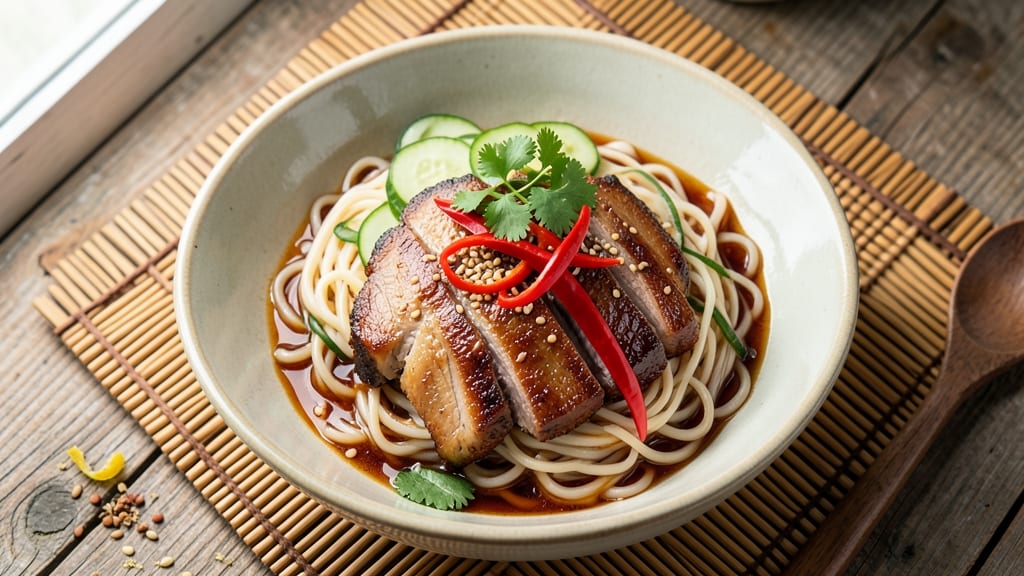
This Asian pork noodle bowl recipe delivers restaurant-quality umami in just 30 minutes, combining quick stir-fried pork with chewy noodles and a bold, balanced sauce.
I perfected this technique during my time in Charleston, where wok-fried dishes became a weekly staple—crispy edges, tender meat, and perfectly al dente noodles every time. The secret lies in high-heat searing for that signature wok hei flavor, followed by a sauce that marries sweet, tangy, and savory notes.
The recipe starts with thinly sliced pork shoulder, marinated in a blend of soy sauce, rice vinegar, and sesame oil, then stir-fried until caramelized at the edges.
While the pork cooks, wide rice noodles soak up just enough water to soften without turning mushy, ensuring they hold their shape when tossed. The sauce comes together in minutes with a simple mix of fish sauce, honey, and chili paste, creating depth without overwhelming the dish.
What you end up with is a bowl that’s visually striking and packed with contrasting textures—crispy pork, springy noodles, and a glossy sauce that clings to every bite.
The aroma alone will have everyone gathering around the table, while the flavors balance perfectly: sweet from the sauce, salty from the pork, and a hint of heat to keep it interesting. This is the kind of meal that feels both comforting and exciting, ready in under half an hour.
Whether you’re serving a weeknight dinner or prepping for meal prep, this recipe scales effortlessly. Use leftover pork in sandwiches or salads, and adjust the sauce to suit your spice tolerance. The technique is simple, but the results are undeniably restaurant-worthy—proof that home cooking can rival your favorite takeout spot.
Ingredients for asian pork noodle bowl
Pantry staples plus a few specialty finds for that restaurant-quality wok hei flavor.
| Ingredient | Amount | Notes |
|---|---|---|
| Pork Shoulder 🥓 | 1 ½ lb | Thinly sliced against grain |
| Wide Rice Noodles 🍜 | 8 oz | Flat or square shape preferred |
| Soy Sauce 🥄 | 3 tbsp | Light or dark variety |
| Rice Vinegar 🍶 | 2 tbsp | Seasoned preferred for depth |
| Sesame Oil 🫒 | 1 tbsp | Toasted for aroma |
| Fish Sauce 🍢 | 1 ½ tbsp | Red Boat preferred |
| Honey 🍯 | 1 ½ tbsp | Wildflower for floral notes |
| Chili Paste 🌶️ | 1 tbsp | Thai or sambal oelek |
| Garlic Cloves 🧄 | 4 cloves | Minced for marinade |
| Green Onion 🧅 | ½ cup | Sliced for garnish |
| Sesame Seeds 🌱 | 1 tsp | Toasted for crunch |
| Neutral Oil 🫒 | 2 tbsp | Avocado or vegetable oil |
| Lime 🍋 | 1 whole | Juiced for finishing |
| Salt 🧂 | 1 tsp | Kosher or sea salt |
| Black Pepper 🌶️ | ½ tsp | Freshly ground |
The pork shoulder is non-negotiable—its fat content gives you that signature crispy edge when stir-fried. Costco or your local butcher will have it pre-sliced for convenience, but if you're ambitious, slice it yourself against the grain for maximum tenderness. For the noodles, Asian markets carry the best selection—look for wide rice noodles, either flat or square. If you're in a pinch, Trader Joe's has a decent pre-packaged version. The fish sauce is where umami magic happens: Red Boat is my go-to, but any reputable brand works. Just make sure it doesn't smell funky—fresh fish sauce should have a clean, salty aroma, not a sour or ammonia-like scent.
No fish sauce? Soy sauce plus a splash of Worcestershire gets you close, though it won't be identical. Swapping chili paste? Sriracha or gochujang work in a pinch, but adjust the heat to taste. The sesame oil is purely for aroma—don't cook with it, just add it at the end. Want extra depth? Toss in a dash of oyster sauce with the marinade. For the noodles, soak them in warm water just until pliable (about 10-15 minutes), then drain and toss with a tiny bit of oil so they don't stick. The pork marinade can sit for up to 2 hours, but even 15 minutes makes a difference.
Pork marinade keeps 2 days in the fridge, but use it fresh for best results. The cooked pork reheats beautifully—just toss with a splash of water and cover for 2 minutes in the microwave. Noodles are best served immediately, but you can reheat them with a splash of water to soften. Store leftovers in airtight containers for 3 days. Pro tip: Double the sauce and freeze half in ice cube trays—perfect for quick flavor boosts later. The lime should be fresh-squeezed; bottled juice lacks the bright acidity that cuts through the richness.
Why You'll Love This Recipe
- One-Pan Wonder: I swear by this for nights when I’m too tired to wash dishes. The pork shoulder caramelizes right in the same pan you’ll toss the noodles in—no extra pots, just rich, sticky flavors that practically cook themselves.
- Umami Bomb: That combo of soy sauce and rice vinegar? It’s like a flavor explosion in your mouth. The pork stays juicy while the noodles soak up the tangy, salty-sweet sauce—every bite is a little taste of takeout, but way better.
- Lunchbox Hero: Between us, this is my secret weapon for meal prep. Cook a big batch of pork, store the sauce separately, and just toss everything together when you’re ready. It reheats like a dream and keeps for days—perfect for students, office lunches, or anyone who hates cooking twice.
- Budget Magic: Pork shoulder is cheap, and a single package of wide rice noodles stretches forever. I make this for four people for under $10, and honestly? No one ever complains about leftovers. It’s the kind of dish that makes grocery day feel like a win.
Step-by-step instructions for Asian pork noodle bowl
This umami-packed dish comes together faster than you'd think—just 30 minutes of hands-on work.
Marinate and Slice the Pork Shoulder
In a medium bowl, combine the 1.5 lb pork shoulder, 3 tbsp soy sauce, 1.5 tbsp fish sauce, 1.5 tbsp honey, 1 tbsp chili paste, 4 minced garlic cloves, 1 tsp salt, and 0.5 tsp black pepper. Mix until the pork is evenly coated and the marinade clings to every piece. Let it sit for 10-15 minutes at room temperature while you prep the rest—this ensures maximum flavor penetration.
While the pork marinates, use a sharp knife to slice it thinly against the grain into ¼-inch thick strips. The thinner the slices, the more tender they'll be after cooking. If you're worried about handling raw pork, wear gloves or wash your hands thoroughly after touching the meat.
Cook the Pork in a Hot Wok
Heat a large wok or skillet over high heat until it's smoking hot. Add 2 tbsp neutral oil and swirl to coat the bottom. Once the oil shimmers, add the marinated pork in a single layer—don't overcrowd the pan. Let it sear undisturbed for 2-3 minutes until the edges turn deep golden brown and the pork releases easily from the pan.
Stir the pork and cook for another 2-3 minutes until it's no longer pink in the center. Remove the pork and set it aside on a plate. Here's the thing—don't drain the wok yet. Those flavorful browned bits (fond) are the foundation of your sauce. Keep the heat at medium-high for the next step.
Build the Sauce and Cook the Noodles
Return the pork to the wok and add 2 tbsp rice vinegar and 1 tbsp sesame oil. Stir everything together for 1 minute until the pork is evenly coated in the sauce. Taste and adjust seasoning if needed—you might want to add a splash more soy sauce or a pinch of salt to balance the flavors.
In a separate large bowl, prepare the 8 oz wide rice noodles by soaking them in hot water for 8-10 minutes until pliable but still slightly firm. Drain the noodles and rinse briefly under cold water to stop the cooking process. Toss the noodles with 1 tbsp sesame oil to prevent sticking as they cook in the wok.
Wok-Fry the Noodles with Pork
Add the drained noodles to the wok with the pork and sauce. Using tongs, toss everything together vigorously for 2-3 minutes until the noodles are hot and slightly charred in spots. The high heat will finish cooking the noodles while infusing them with the pork's flavor. If the noodles seem dry, add 1-2 tablespoons of water and toss again.
Here's where it gets fun—taste the noodles and adjust the seasoning one last time. You might want to add a bit more soy sauce for saltiness, a squeeze of lime juice for brightness, or a pinch of chili paste for heat. The goal is a perfect balance of savory, sweet, and slightly spicy.
Garnish and Serve Immediately
Transfer the noodle bowl to serving plates and garnish with 0.5 cup sliced green onion and 1 tsp toasted sesame seeds. Give everything a final toss to distribute the garnishes evenly. Serve immediately while the noodles are still hot and the pork is juicy—this dish doesn't wait.
For extra brightness, squeeze a little lime juice over each serving right before eating. The contrast of the tangy lime with the rich, umami pork and noodles is what makes this dish truly special. Pair it with a cold beer or iced tea for the perfect meal.
Pro Tips For Making Asian Pork Noodle Bowl
- SEAR PORK HARD FIRST: Don’t treat this like a slow-cooker starter—get that pork shoulder screaming hot in a dry pan for 5-6 minutes until it’s deep brown. I used to rush this, and the sauce would never cling right; the crust locks in flavor and keeps the meat tender when it braises later.
- SOAK NOODLES JUST BEFORE USE: Wide rice noodles turn to mush if you soak them too early. Keep them dry in a sealed bag until you’re ready to cook, then soak for 3-4 minutes in hot water—no longer, or they’ll turn to paste. (Yes, even if you’re impatient like me.)
- BALANCE SOY AND VINEGAR: Soy sauce alone makes this bowl flat. For every 2 tablespoons of soy, add 1 teaspoon of rice vinegar—it brightens the whole dish. I learned this after a batch tasted like a sad takeout left in the fridge too long.
- FINISH WITH SESAME OIL LAST: Drizzle sesame oil over the entire bowl right before serving—no exceptions. Heat destroys its nutty aroma, so save it for the final touch. (Your future self will notice the difference.)
Creative variations of this asian pork noodle bowl
Spicy Thai-Inspired
Transform this bowl into a Thai-style dish by swapping the chili paste for 2 tbsp red curry paste (like Mae Ploy) and adding 1 tbsp fish sauce to the marinade. Stir in 1 cup coconut milk with the noodles for a creamy, aromatic twist.
Top with sliced Thai basil and crushed peanuts for crunch. I first tried this variation during a trip to Bangkok, and it became an instant favorite—especially with a squeeze of lime at the end. 🌶️
Japanese Tonkatsu Twist
For a Japanese-inspired version, bread the pork in panko breadcrumbs mixed with 1 tbsp grated Parmesan before stir-frying. Use teriyaki sauce (store-bought or homemade) instead of the soy-fish sauce blend, and add shredded cabbage to the wok for texture.
Garnish with pickled ginger and sesame seeds. This version feels like a cross between ramen and tonkatsu—perfect for a cozy weeknight dinner. 🍜
Vietnamese Pho-Inspired
Infuse the dish with Vietnamese flavors by simmering the pork in 2 cups chicken or pork broth with 1-inch ginger, 2 star anise pods, and 1 cinnamon stick for 10 minutes before stir-frying.
Swap rice noodles for rice vermicelli, and top with bean sprouts, Thai basil, and sliced jalapeños. Serve with a side of hoisin sauce for dipping. The broth adds depth that elevates the entire bowl—trust me, this is a game-changer. 🌿
Gluten-Free Adaptation
Make this bowl gluten-free by using tamari (gluten-free soy sauce) and ensuring your fish sauce is certified gluten-free (like Red Boat). For noodles, opt for rice noodles or shirataki noodles (soaked in water for 5 minutes).
The flavor stays bold without gluten—just double-check labels on sauces and broths. I’ve tested this version with friends who have celiac disease, and they’ve never noticed the difference. ✨
Protein Swaps
No pork? No problem. Swap it for chicken thigh (marinate with the same sauce) or shrimp (toss in the last 2 minutes of cooking). For a vegetarian version, use mushrooms (like shiitake) or tofu (pressed and pan-fried until crispy).
The sauce and noodles remain the same, so the dish stays cohesive. My farm-raised heritage chicken works beautifully here—just slice it thinly for even cooking. 🥓
Meal Prep Hack
Prep components ahead for easy assembly: marinate the pork, cook the noodles al dente (they’ll soften when reheated), and store the sauce separately. When ready to eat, reheat the pork in a pan with a splash of water, toss in the noodles, and add the sauce.
The flavors meld perfectly even after reheating. I double the recipe on Sundays and freeze half—just thaw and reheat for a quick lunch. ⏰
Nutrition facts
Frequently asked questions
Can I use pork tenderloin instead of pork shoulder?
Pork tenderloin works but requires adjustment—slice it ⅛-inch thick (much thinner than shoulder) and cook for only 1-2 minutes per side to avoid overcooking. The leaner cut won't develop the same crispy edges, so add ½ tsp cornstarch to the marinade for better browning. Tenderloin is ideal for quick weeknight meals when you're short on time.
How do I prevent the noodles from turning mushy?
Soak the rice noodles in hot water for exactly 8-10 minutes (no longer!) until pliable but still firm. Drain immediately and rinse with cold water to stop cooking. Toss with 1 tsp oil before adding to the wok—this creates a protective barrier. The key is high heat when tossing: medium-high to high for 2-3 minutes max. Over-soaking or low heat = mushy noodles.
What's the best way to make this dish spicier?
For extra heat, add 1 tbsp gochujang (Korean chili paste) to the marinade, then top with sliced Fresno peppers or chili crisp before serving. For smoky heat, stir in ½ tsp smoked paprika with the sauce. I like to serve with sriracha on the side so everyone can adjust to taste. The lime juice helps balance the heat beautifully.
Can I make this recipe in an Instant Pot?
Yes! Sauté the pork in the Instant Pot on sauté mode until browned, then add ½ cup water and the marinade ingredients. Pressure cook for 8 minutes (natural release). For the noodles, cook them separately in boiling water for 6 minutes, then toss with the pork and sauce. The texture won't be identical to wok-fried, but it's a great shortcut. The flavors still shine through!
How do I store leftovers?
Store components separately in airtight containers: pork in one, noodles in another, and sauce in a small jar. Reheat pork and noodles together with a splash of water for 2 minutes in the microwave. The noodles will soften further, and the sauce will cling beautifully. Leftovers keep for 3 days in the fridge or 1 month in the freezer. I always double the sauce and freeze it in ice cube trays for quick flavor boosts later.