
Main Courses
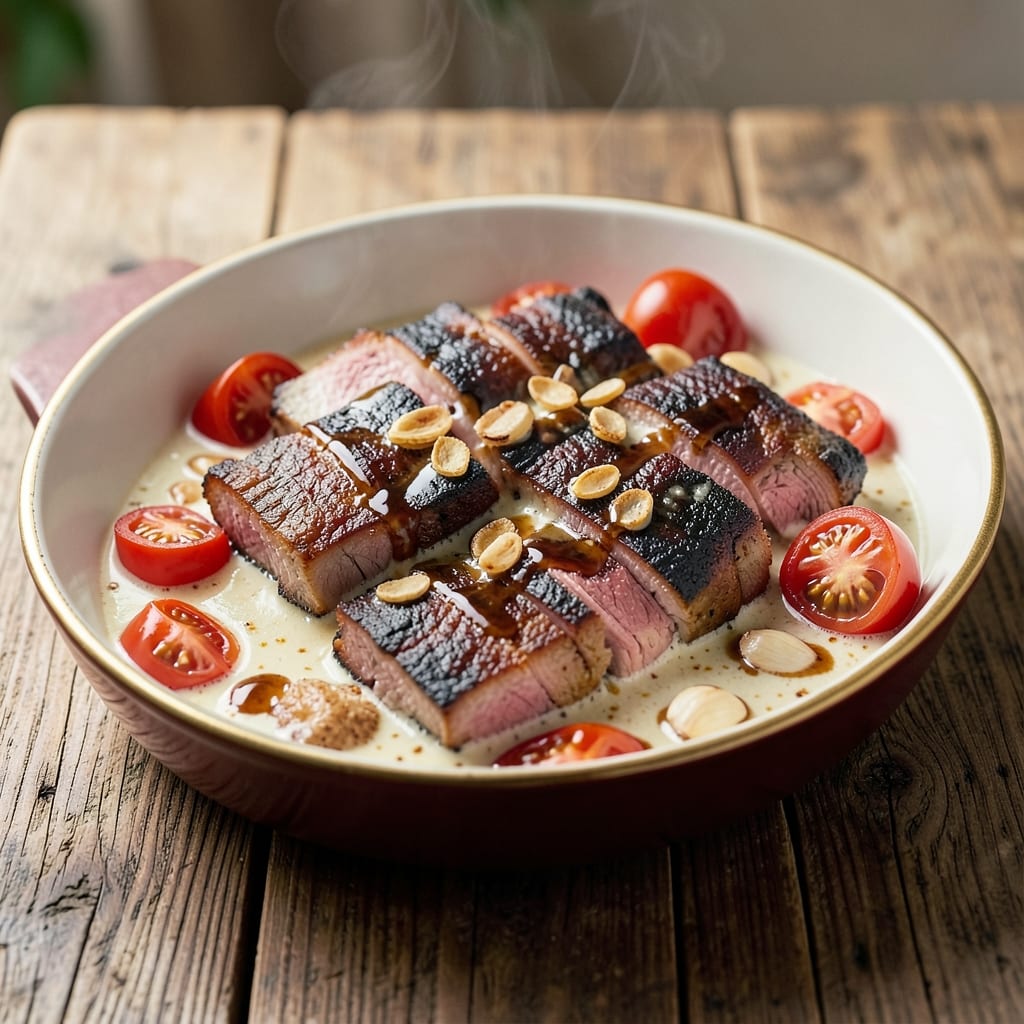
This Batangas pork caldereta recipe brings the rich, comforting flavors of the Philippines straight to your kitchen—where tender pork belly melts in a thick, coconut-vinegar sauce. I first tasted this dish during a trip to Batangas, where the locals swear by its balance of sweet, tangy, and savory notes. The key? Slow-braising pork until it’s fork-tender, then simmering it with tomatoes, potatoes, and just enough coconut milk to create that signature creamy texture. What sets this recipe apart is the sweeter, thicker sauce compared to other regional versions—thanks to a touch of brown sugar and a long simmer that lets the flavors deepen. I use pork belly for its marbling, which keeps the meat juicy even after hours of cooking. The vegetables—carrots, potatoes, and bell peppers—soak up the sauce perfectly, making every bite hearty and satisfying. By the end, you’ll have a dish that’s restaurant-quality at home, with layers of flavor that’ll have everyone asking for seconds. The aroma alone—warm spices, vinegar, and coconut—will fill your kitchen with nostalgia. Serve it over garlic rice or with crusty bread to soak up every last drop of that rich sauce. This is the kind of recipe that feels like a hug in a bowl, especially when you’re craving something comforting yet bold. Let’s get cooking—your taste buds will thank you.
Ingredients for batangas pork caldereta
Pork belly, coconut milk, and vinegar create this rich, comforting dish that melts in your mouth.
| Ingredient | Amount | Notes |
|---|---|---|
| Pork Belly 🥓 | 1 ½ lb | Skin-on, cut into 2-inch pieces |
| Coconut Milk 🥥 | 1 can (13.5 oz) | Full-fat for creaminess |
| White Vinegar 🍶 | ½ cup | Distilled or cane vinegar |
| Tomatoes 🍅 | 4 medium | Roma or vine-ripened |
| Brown Sugar 🍯 | 2 tbsp | Light or dark variety |
| Garlic Cloves 🧄 | 6 cloves | Minced for sauce |
| Bay Leaves 🌿 | 2 whole | Dried, crushed slightly |
| Ground Black Pepper 🌶️ | 1 tsp | Freshly cracked preferred |
| Salt 🧂 | 1 ½ tsp | Kosher or sea salt |
| Carrots 🥕 | 4 medium | Peeled, cut into chunks |
| Russet Potatoes 🥔 | 4 medium | Peeled, cut into chunks |
| Red Bell Pepper 🌶️ | 1 whole | Cut into strips |
| Olive Oil 🫒 | 2 tbsp | For searing pork |
| Fresh Ginger 🌿 | 1 inch | Peeled, grated |
The pork belly is the star here—look for thick-cut pieces with good marbling at your local butcher or Costco for the best flavor. If you can't find pork belly, pork shoulder works too, but it won't be as rich. The coconut milk? Full-fat is non-negotiable—light versions won't give that creamy texture. For the tomatoes, Roma or vine-ripened make the best sauce, but any firm tomatoes will do in a pinch. I always grab extra garlic and ginger—they’re the secret to that deep, aromatic flavor.
No coconut milk? Substitute with 1/2 cup heavy cream plus 1/2 cup water—it won’t taste identical, but it’ll get you close. Running out of vinegar? Apple cider vinegar works too, though it’ll have a slightly different tang. The brown sugar adds just enough sweetness to balance the tangy sauce—don’t skip it, but if you’re watching sugar, reduce to 1 tbsp. For the veggies, baby carrots or pre-cut potatoes save time, but whole ones hold up better during the long simmer. The bell pepper can be swapped for green or yellow—color’s just for looks here.
This dish tastes even better the next day—make extra and freeze portions for lazy weeknights. Store leftovers in the fridge for up to 5 days, or freeze for 3 months. The sauce thickens as it cools, so you can thin it with a splash of water or coconut milk when reheating. Serve it over garlic rice or with crusty bread to soak up every last drop of that rich, tangy sauce—trust me, you’ll want seconds.
Why You'll Love This Recipe
- Pork Belly Magic: The rich, fatty pork belly melts into tender perfection—no fancy cuts needed. I swear, the first bite makes you forget you didn’t spend hours marinating.
- Vinegar Kiss: That splash of white vinegar? It’s the secret weapon—brightens the coconut milk’s creaminess while cutting through the sweetness. Honestly, it’s the balance that makes this dish ridiculously addictive.
- Weeknight Crowd-Pleaser: Simmering in one pot means less cleanup, and the leftovers? Even better the next day. Between us, I’ve served this to picky eaters, date nights, and family gatherings—no complaints.
- Budget Luxury: Pork belly feels indulgent, but it stretches across multiple meals. The coconut milk and brown sugar add depth without breaking the bank—solid comfort for under $15.
Step-by-step instructions for Batangas pork caldereta
This rich, tangy braise transforms simple ingredients into a restaurant-worthy dish with minimal effort.
Sear the Pork Belly for Deep Flavor
Heat a large Dutch oven over medium-high heat until hot. Add the 2 tablespoons olive oil and swirl to coat the bottom. Working in batches if needed, add the 1.5 lb pork belly in 2-inch pieces, skin-side down. Let it sear undisturbed for 4-5 minutes until the skin is golden brown and crispy.
Flip the pork pieces and cook for another 3-4 minutes until browned on all sides. The goal here is to develop a rich, caramelized crust that will infuse the sauce with incredible depth of flavor. Remove the pork from the pot and set it aside on a plate, leaving all the rendered fat in the Dutch oven.
Build the Aromatic Base
In the same Dutch oven, add the 6 cloves minced garlic and 1-inch peeled, grated fresh ginger. Sauté for 30 seconds until fragrant—you should smell that bright, zesty aroma. Be careful not to let the garlic burn; it should just barely start to color.
Next, add the 4 medium tomatoes, cut into wedges, and cook for 5 minutes until they soften and break down. Stir in the 2 whole crushed bay leaves, 1.5 teaspoons salt, and 1 teaspoon ground black pepper. Let the mixture cook for another 2 minutes until the tomatoes have released their juices and the flavors meld together.
Deglaze and Simmer the Sauce
Pour in the 0.5 cup white vinegar and scrape up any browned bits from the bottom of the pot with a wooden spoon. This step is crucial—those bits are packed with flavor that will make your caldereta taste restaurant-quality. Let the vinegar simmer for 3-4 minutes until it reduces by half and the acidity mellows.
Add the 1 can (13.5 oz) full-fat coconut milk and stir gently to combine. Bring the mixture to a gentle simmer, then add the 2 tablespoons brown sugar. The sugar will help balance the tangy vinegar and add a subtle sweetness that complements the rich pork. Return the pork belly to the pot, skin-side up.
Add Vegetables and Braise to Perfection
Add the 4 medium peeled, chunked carrots, 4 medium peeled, chunked russet potatoes, and 1 whole red bell pepper in strips to the pot. Stir gently to distribute the vegetables evenly in the sauce. The vegetables should be mostly submerged but not completely covered.
Cover the Dutch oven with a lid and transfer it to a preheated 325°F oven. Braise for 1 hour to 1 hour 15 minutes, or until the pork is fork-tender and the vegetables are easily pierced with a fork. The sauce should have thickened slightly and coat the back of a spoon. Check the pork's internal temperature—it should reach 200°F for the most tender texture.
Rest and Serve with Crispy Edges
Once the pork and vegetables are tender, remove the pot from the oven and let it rest for 10 minutes uncovered. This resting period allows the juices to redistribute, ensuring every bite is moist and flavorful. The sauce will continue to thicken slightly as it cools.
Serve the caldereta hot, spooning the rich, tangy sauce over the pork and vegetables. The pork belly should be fork-tender with crispy skin, the vegetables perfectly cooked, and the sauce perfectly balanced between creamy, tangy, and slightly sweet. Garnish with extra black pepper if desired, and enjoy with steamed rice to soak up every last drop of that irresistible sauce.
Pro Tips For Making Batangas Pork Caldereta
- SEAR THE BELLY FIRST: Get that pork belly sizzling hard in a dry pan before adding anything else—high heat for 5-6 minutes per side until deep golden. I used to skip this, and the stew always tasted flat. The crust locks in flavor and prevents it from turning mushy in the coconut milk later.
- USE TWO TOMATO BATCHES: Simmer the first batch of tomatoes (peeled, chopped) until they break down into a thick paste, then set aside. Add the second batch raw with the vinegar and brown sugar to balance the acidity. This two-step approach keeps the sauce rich without making it overly tangy or sweet.
- CONTROL THE COCONUT MILK HEAT: Once you add the coconut milk, keep the heat at a gentle simmer—never a rolling boil. After burning through three batches, I learned that scalding it turns the sauce grainy and separates the fats. Stir often, and if it starts to curdle, lower the heat further.
- SALT THE COCONUT MILK: Stir in ½ teaspoon of salt with the coconut milk before combining it with the stew. My grandmother swore by this, and it cuts through the natural sweetness while balancing the vinegar’s bite. Skip it, and the dish tastes one-note.
Storing and reheating this dish
Fridge Storage
Let your caldereta cool completely before transferring to an airtight container—I use glass Pyrex with snap-on lids. Store in the fridge for up to 5 days, but I’ve found the flavors actually deepen after 24 hours as the sauce continues to meld. The pork belly stays juicy, and the vegetables absorb more of that rich, tangy sauce. Just
Freezer Magic
For long-term storage, portion the caldereta into quart-sized freezer bags (squeeze out excess air to prevent freezer burn). It keeps beautifully for 3 months—perfect for lazy weeknights. When ready to eat, thaw overnight in the fridge, then reheat gently. The sauce may thicken slightly after freezing, so add 1-2 tablespoons of water or coconut milk while reheating. 🧊
Stovetop Reheating
My preferred method is stovetop because it preserves texture. Place the caldereta in a heavy-bottomed pot over medium-low heat, then add ¼ cup water or coconut milk to prevent sticking. Simmer uncovered for 10-15 minutes, stirring occasionally, until heated through (165°F internal temp). The sauce will loosen up beautifully, and the pork belly stays tender. Taste and adjust seasoning—sometimes it needs a pinch more salt after reheating. 🔥
Microwave Shortcut
For quick meals, transfer a portion to a microwave-safe dish, cover loosely with a paper towel, and heat on 50% power for 3-4 minutes. Stir halfway, then continue in 30-second bursts until hot (165°F). Add a splash of water if the sauce looks too thick. The texture won’t be as perfect as stovetop, but it’s a lifesaver on busy days. ✨
Oven Refresh
If you want restaurant-quality results, preheat the oven to 350°F, transfer the caldereta to an oven-safe dish, cover with foil, and bake for 20-25 minutes. The residual heat redistributes juices, and the sauce thickens slightly—just like it did on the first day. This method is ideal if you’re serving a crowd and want everything piping hot. 🍽️
Sauce Adjustments
The sauce may thicken as it cools or reheats. Thin it with 1-2 tablespoons of water, coconut milk, or even a splash of vinegar if it’s too thick. For extra richness, stir in 1 tablespoon of butter at the end. If the pork belly feels dry, add 2-3 tablespoons of the sauce to keep it moist. Every batch is different—trust your taste buds! 💡
Nutrition facts
Frequently asked questions about Batangas pork caldereta
Why does Batangas caldereta use vinegar instead of wine?
Traditional Batangas-style caldereta relies on vinegar to create that signature tangy-sweet balance. Unlike wine-based versions, vinegar cuts through the richness of the pork and coconut milk, giving the sauce its signature sharpness. The acidity also helps tenderize the meat during the long braise, making it melt-in-your-mouth tender.
Can I substitute pork belly with another cut?
Yes, but pork belly delivers the best results with its fat marbling that keeps the meat juicy. For a leaner option, use pork shoulder (cut into 2-inch chunks)—just add 1 extra tablespoon of coconut milk to compensate for less fat. Avoid tenderloin as it becomes dry during the long braise.
How do I know when the pork is perfectly tender?
The pork should easily fall apart with a fork and reach an internal temperature of 200°F. For extra assurance, test a small piece—if it shreds effortlessly, it's ready. The vegetables should also be fork-tender but still hold their shape. Overcooking by 15 minutes can turn the pork rubbery.
What makes Batangas caldereta different from other Filipino calderetas?
Batangas-style stands out for its sweeter, thicker sauce thanks to the brown sugar and longer simmer time. While other regions might use more wine or less coconut milk, this version balances creamy, tangy, and slightly sweet notes perfectly. The pork belly also gives it a richer texture compared to chicken-based versions.
Can I make this in a slow cooker?
Brown the pork first, then transfer everything to a 6-quart slow cooker and cook on low for 6-7 hours or high for 4 hours. The sauce will be slightly thinner, so reduce it by 10 minutes uncovered at the end. The slow cooker method is perfect for hands-off cooking while you're busy.