
Main Courses
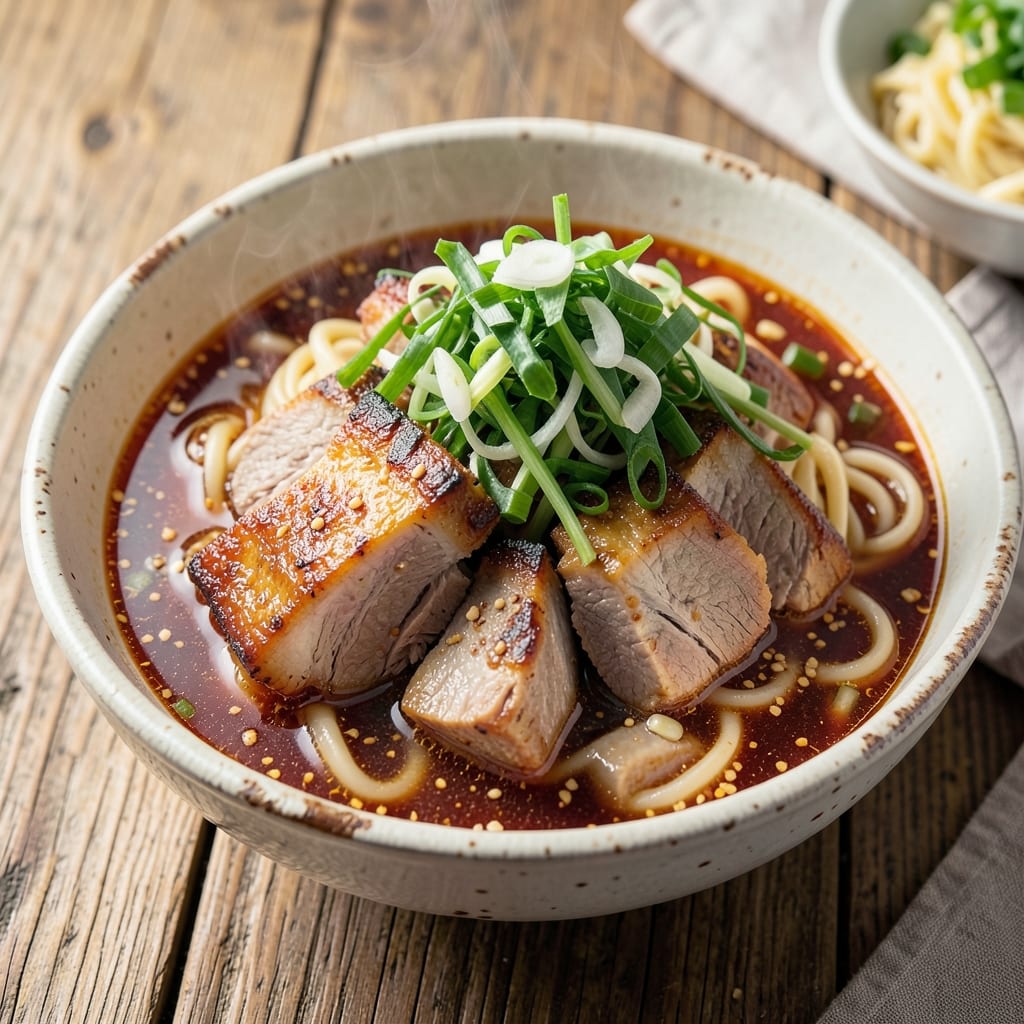
The batchoy recipe with pork brings the sizzling energy of Cebu's street food stalls into your kitchen. This rich egg noodle stew features tender pork slices and crispy pork bites simmered in a savory broth, creating a dish that's both comforting and deeply satisfying. I've perfected the balance between tender pork and crispy edges—just like the version I first tasted during a trip to the Philippines, where the aroma alone could draw a crowd.
What sets this recipe apart is the two-stage cooking process: first, the pork is seared until golden and crispy, then gently simmered in a pork-based broth that develops deep, umami-rich flavors. The egg noodles absorb the aromatic broth while maintaining their signature chewy texture. Toppings like liver, century eggs, and fresh chives add layers of complexity, making each bowl a flavor adventure.
By the time you serve this dish, you'll have a steaming bowl of batchoy with perfectly balanced textures—crispy pork bites, tender noodles, and a savory broth that's rich without being heavy. The dish is hearty enough to be a main course but versatile enough to serve as a comforting meal for any occasion.
The beauty of batchoy lies in its regional variations—Cebu-style focuses on crispy pork and a lighter broth, while Iloilo versions lean into richer, creamier textures. This recipe delivers the Cebu classic, with all the crispy, sizzling elements that make it a street food legend. Let's get cooking!
Ingredients for batchoy recipe pork
Crispy pork bites, tender noodles, and rich broth—this batchoy needs just 14 ingredients.
| Ingredient | Amount | Notes |
|---|---|---|
| Pork Belly Slices 🥓 | 1 ½ lb | Thinly sliced, 1/4-inch thick |
| Pork Shoulder 🥩 | 1 lb | Cut into 1-inch cubes |
| Egg Noodles 🍜 | 12 oz | Fresh or dried, batchoy-style |
| Pork Broth 💧 | 4 cups | Homemade or store-bought |
| Green Onions 🧅 | ½ cup | Sliced, for garnish |
| Fresh Chives 🌿 | ¼ cup | Chopped, for garnish |
| Garlic Cloves 🧄 | 6 cloves | Minced, for aroma |
| Ginger 🌿 | 1 tbsp | Fresh, grated |
| Soy Sauce 🍶 | 2 tbsp | Light or dark |
| Oyster Sauce 🍶 | 1 tbsp | For umami depth |
| Sesame Oil 🫒 | 1 tsp | For finishing |
| Vegetable Oil 🫒 | ¼ cup | For searing pork |
| Salt 🧂 | 1 tsp | Adjust to taste |
| Black Pepper 🌶️ | ½ tsp | Freshly ground |
The pork makes or breaks this dish. Pork belly slices are key for those crispy edges—ask your butcher to slice them thin. If you can't find pork belly, pork shoulder cubes work too, but they won't be as crispy. For the broth, homemade pork broth is ideal, but Swanson or Knorr work in a pinch. The egg noodles? Fresh batchoy noodles from Asian markets are perfect, but regular egg noodles work if you can't find them. Just boil them al dente—they'll finish cooking in the broth.
No pork belly? Pork tenderloin or pork loin sliced thin can work, but they won't crisp as well. Short on oyster sauce? Soy sauce plus a pinch of sugar mimics the flavor. Fresh ginger and garlic are non-negotiable for that authentic aroma, but if you're in a bind, paste or powdered ginger at half the amount will do. The sesame oil is for finishing—don't skip it, but add it at the very end. And if you're feeling adventurous, swap out the green onions for bok choy or water spinach for extra greens.
Pork cubes and slices can be prepped a day ahead—they keep well in the fridge. The broth should simmer for at least 30 minutes to develop flavor, so plan ahead. Noodles should be cooked just before serving so they don't get mushy. Leftovers? Store in an airtight container for 3-4 days, but the noodles will get softer each time. Reheat the broth and noodles separately, then toss together—it keeps the texture perfect.
Why You'll Love This Recipe
- No-Chop Needed: I swear, the pork belly and shoulder do most of the work here—just slice them thick, sear them until golden, and let the broth do its magic. The noodles cook in the same pot? That’s not lazy, that’s genius.
- Rich, Umami Bomb: That first sip of pork broth swimming with tender belly slices? Pure satisfaction. The shoulder melts into shreds while the belly stays juicy, and the green onions add a bright finish that cuts through the richness—like a hug in a bowl.
- Leftovers That Beg: Honestly, I make this on Sundays just so I can reheat it all week. The broth gets even deeper in flavor overnight, and the noodles absorb it perfectly—no soggy mess, just hearty, restaurant-quality bites every time.
- Budget-Friendly Feast: Pork shoulder stretches for miles, and belly slices add that special touch without breaking the bank. A big pot means feeding a crowd or stretching meals for days, and the ingredients? Mostly pantry staples with a few affordable upgrades.
Step-by-step instructions for batchoy with pork
Here's how to create a rich, sizzling batchoy with perfectly crispy pork bites and tender noodles.
Sear the Pork Shoulder for Maximum Flavor
Heat the 0.25 cup vegetable oil in a large wok or deep skillet over medium-high heat until shimmering. Add the 1 lb pork shoulder cut into 1-inch cubes in a single layer, leaving space between pieces. Let them sear undisturbed for 3-4 minutes until they develop a deep golden-brown crust.
This initial sear creates the crispy texture you want in batchoy. Once browned, stir occasionally for another 2-3 minutes until the pork loses its raw color and begins to crisp at the edges. Remove the pork and set aside on a plate, leaving the rendered fat in the pan. You'll notice the fat will be rich and golden—this is what gives batchoy its signature depth of flavor.
Cook the Pork Belly Slices Until Crispy
In the same pan with the remaining pork fat, add the 1.5 lb pork belly slices in batches if needed to avoid crowding. Cook over medium heat for 2-3 minutes per side until they develop a beautiful golden-brown crust and the edges begin to curl slightly. The pork belly should be tender but still hold its shape when pierced with a fork.
Here's the thing—pork belly needs gentle heat to render its fat properly without becoming greasy. If you see the fat smoking excessively, reduce the heat slightly. Once all slices are crispy, remove them and set aside with the pork shoulder. You'll use both types of pork later to create that signature sizzle and richness in your batchoy.
Build the Flavorful Broth Base
Return the pan to medium heat and add the 6 cloves minced garlic cloves and 1 tbsp grated ginger. Cook for 30 seconds until fragrant—you should smell that aromatic garlic and spicy ginger wafting through your kitchen. Be careful not to burn them; they cook quickly.
Pour in the 4 cups pork broth and bring to a gentle simmer. Add the 2 tbsp soy sauce, 1 tbsp oyster sauce, 1 tsp salt, and 0.5 tsp black pepper. Let the broth simmer for 5 minutes to allow the flavors to meld together. The sauce should reduce slightly, becoming more concentrated and flavorful. This is the foundation of your batchoy's rich, savory taste.
Combine and Finish with Noodles
Add the 12 oz egg noodles to the simmering broth and cook for 3-4 minutes until they're just tender but still have a slight bite. The noodles should float to the surface when they're ready. Return the crispy pork shoulder and pork belly slices to the pan, spooning some of the broth over them to help them re-crisp slightly.
Cook everything together for 2-3 minutes until the pork is heated through and the noodles are fully cooked. The pork should sizzle again in the hot broth, creating that signature batchoy experience. Taste and adjust seasoning if needed—you might want to add a splash more soy sauce for extra umami.
Garnish and Serve Immediately
Remove from heat and stir in the 1 tsp sesame oil. This adds a beautiful aroma and slight nutty flavor that complements the rich pork and noodles. Divide the batchoy among bowls and garnish each serving with 0.5 cup sliced green onions and 0.25 cup chopped fresh chives. The bright green garnishes provide a nice contrast to the rich, savory stew.
Serve immediately while everything is hot and sizzling. The contrast of crispy pork bites against tender noodles in a rich, flavorful broth makes this dish truly special. Each bite should deliver that perfect combination of textures and flavors that define great batchoy. Enjoy with extra green onions on the side if you're feeling extra!
Pro Tips For Making Batchoy Recipe Pork
- CRISP THE BELLY FIRST: The pork belly slices won’t caramelize properly if you toss them straight into the broth. Sear them in a dry pan over medium-high heat for 3-4 minutes per side until golden—this builds flavor and texture that simmering alone can’t match. (Yes, even if you’re impatient like me, don’t skip this.)
- CUT SHOULDER IN CHUNKS: Pork shoulder turns to mush if you leave it in big hunks. Ask your butcher for 1-inch cubes, or slice it yourself against the grain—this keeps the meat tender and makes it melt into the broth. I learned this the hard way after serving rubbery chunks to guests.
- SIMMER NOODLES SEPARATELY: Dumping egg noodles directly into the broth will turn them into a sad, mushy mess. Cook them in a separate pot with a pinch of salt, then add them to the soup just before serving—hot noodles in hot broth is the only way to get that perfect bite.
- SAVE THE BROTH FAT: The golden foam that rises while simmering is pure flavor. After 20 minutes of cooking, skim it off and reserve it in a small bowl—then stir it back in at the end. It adds richness without making the soup greasy. (Your future self will thank you.)
Troubleshooting great batchoy recipe pork
Pork Not Crispy
If your pork belly slices aren't getting crispy enough, you're likely cooking them too quickly or at too high a heat. I find that medium heat with patience works best—let them cook undisturbed for 2-3 minutes per side until the edges curl slightly. If your pan isn't hot enough, the fat will steam instead of render, leaving you with greasy pork. Try this: heat your pan until a drop of water sizzles instantly, then add the pork. 🔥
Broth Too Thin
A watery broth ruins the dish's richness. Always reduce your broth by simmering uncovered for at least 5-10 minutes before adding noodles. For extra depth, I recommend reducing it by ¼ cup—this concentrates the flavors beautifully. If your broth is still too thin, remove the lid and let it reduce further, stirring occasionally to prevent scorching.
Noodles Mushy
Overcooking noodles in batchoy turns them into a sad, mushy mess. Cook them separately for just 1-2 minutes less than package instructions, then finish them in the hot broth for 2-3 minutes—this ensures they absorb flavor without losing texture. Pro tip: Use fresh egg noodles—they hold up better than dried ones in long simmering times.
Lacking Umami Depth
If your batchoy tastes flat, it's likely missing that essential umami punch. Beyond soy and oyster sauce, try adding 1 tbsp fish sauce or ½ tsp MSG to the broth. I also recommend toasting 1 tsp dried shrimp in the pan before adding broth—it adds a salty, savory depth that's hard to replicate. For extra richness, a splash of pork fat from searing the pork works wonders.
Pork Too Greasy
Excessive grease happens when pork releases too much fat too quickly. To fix this, pat the pork slices dry with paper towels before cooking, and avoid overcrowding the pan. If your batchoy ends up greasy, skim excess fat from the broth while simmering. For future batches, try using leaner cuts like pork tenderloin—they render less fat but still deliver great flavor.
Broth Too Salty
Over-salting is a common mistake when balancing flavors. If your broth tastes too salty, dilute it by adding ½ cup hot water and simmering for another 2-3 minutes to let flavors rebalance. For prevention, taste your broth before adding noodles—it should be seasoned but not overwhelming. A pinch of sugar (½ tsp) can also help balance excessive saltiness by highlighting other flavors.
Nutrition facts
Frequently asked questions
Can I substitute chicken for pork in batchoy?
While pork is traditional, you can use chicken thighs (bone-in for flavor) if you prefer. For best results, marinate the chicken in 1 tbsp soy sauce and ½ tsp black pepper for 30 minutes before cooking. The texture will be milder than pork, but the dish still works beautifully. Avoid chicken breast—it dries out too easily in the broth.
What makes batchoy noodles different from regular egg noodles?
Batchoy noodles are thicker, chewier, and slightly springy compared to regular egg noodles. They're made with a higher egg content and often include a touch of baking soda for that signature texture. If you can't find them, use fresh egg noodles or udon noodles as a substitute—they hold up better in long simmering times.
How do I make the broth richer without extra fat?
Simmer the broth uncovered for 10-15 minutes to reduce it by ¼ cup—this concentrates the flavors. For extra depth, add 1 tbsp fish sauce or ½ tsp MSG to the broth while simmering. You can also toast 1 tsp dried shrimp in the pan before adding liquid for a salty, umami kick.
Can I prepare batchoy ahead of time?
Cook the pork and broth up to 2 days ahead and store in an airtight container. Reheat the broth and pork separately, then add fresh noodles when serving. The pork will re-crisp slightly in the hot broth. For best texture, only cook the noodles right before eating—they won't hold up well when reheated.
What are the best toppings for batchoy?
Classic toppings include century eggs, pork liver slices, and hard-boiled quail eggs for extra richness. Fresh herbs like chives and cilantro add brightness, while sliced green onions provide crunch. For heat, add sliced chili peppers or a dash of calamansi juice at the table.