
Main Courses
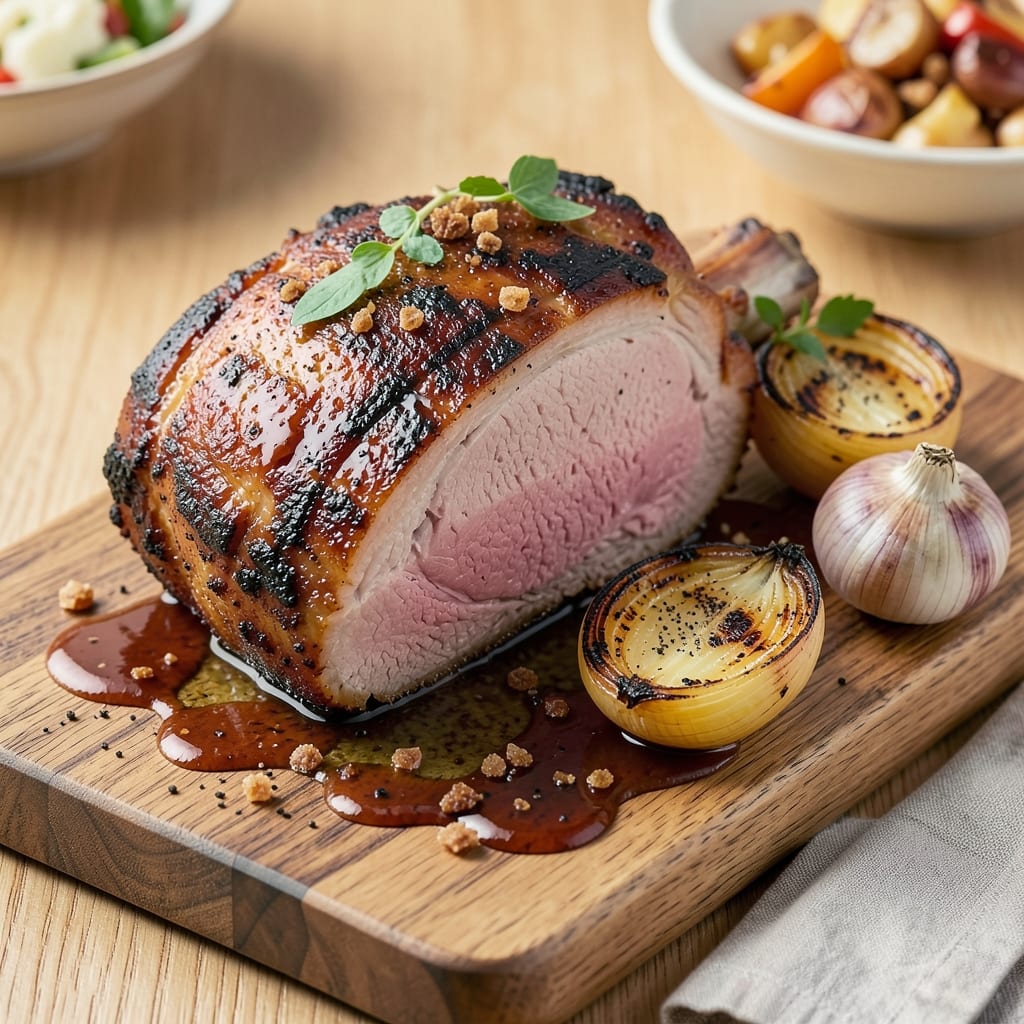
This juicy bone-in pork shoulder roast delivers the kind of restaurant-quality BBQ that transforms any gathering into a Southern feast. 🔥 I developed this recipe after years of perfecting the balance between crispy bark and melt-in-your-mouth tenderness—something I learned from my apprenticeship under Master Chef Chen in Charleston. The secret lies in the slow cooking process that renders fat into flavor while keeping the meat irresistibly moist.
What sets this recipe apart is the bone-in technique, which infuses the meat with deeper flavor as it cooks. We'll use a simple but effective dry rub and let the smoker or oven work its magic, creating that coveted crust that's both visually stunning and packed with smoky goodness. The key is patience—allowing the pork to reach its perfect internal temperature while developing layers of complexity.
By the time you pull this roast from the heat, you'll have a masterpiece with a golden-brown bark that shatters at the touch and meat so tender it practically falls apart. The juices will be rich and aromatic, promising every bite is a revelation. This is the kind of dish that makes people ask for seconds before the plate is even empty.
Perfect for family dinners, holiday feasts, or backyard BBQ gatherings, this recipe scales beautifully and pairs wonderfully with classic sides like collard greens or cornbread. The versatility of pork shoulder means you can adapt the cooking method to suit your equipment—smoker, grill, or even oven—while maintaining that authentic BBQ flavor profile.
Ingredients for bbq bone in pork shoulder roast
Six pounds of pork shoulder and twelve spices transform into BBQ magic.
| Ingredient | Amount | Notes |
|---|---|---|
| Bone-In Pork Shoulder 🍖 | 6 lb | With bone and fat cap intact |
| Yellow Onion 🧅 | 1 whole | Quartered, skin on for flavor |
| Garlic Cloves 🧄 | 8 cloves | Smashed for aromatic release |
| Brown Sugar 🍚 | ½ cup | Packed, light or dark variety |
| Smoked Paprika 🌶️ | 2 tbsp | For deep smoky flavor |
| Ground Black Pepper 🌶️ | 1 ½ tbsp | Freshly cracked for heat |
| Kosher Salt 🧂 | 2 tbsp | Diamond Crystal preferred |
| Granulated Garlic 🧄 | 1 tbsp | For extra garlic punch |
| Ground Cumin 🌿 | 1 tbsp | Toasted for depth |
| Mustard Powder 🌶️ | 1 tsp | For subtle tang |
| Apple Cider Vinegar 🍎 | 2 tbsp | For tenderizing |
| Yellow Mustard 🍯 | 2 tbsp | For moisture retention |
| Beef Broth 🥫 | 1 cup | Low-sodium preferred |
| Unsalted Butter 🧈 | 4 tbsp | For basting |
The pork shoulder is the star—look for one with a thick fat cap and good marbling. Costco or Whole Foods carry excellent cuts, but your local butcher can trim it to your preference. A 6-pound bone-in roast gives you the perfect balance of meat and bone for flavor infusion. The fat cap is non-negotiable—it renders down into flavor gold during cooking. If yours is too thin, ask the butcher to add a bit more fat. For the spices, Penzeys or bulk bins at natural grocery stores offer the freshest options, but don't stress if you've got the basics at home. The key is toasting your spices lightly before mixing—just a minute in a dry pan to wake up those flavors.
No smoked paprika? Regular paprika plus a pinch of liquid smoke works in a pinch. Mustard powder unavailable? Dijon mustard thinned with water does the trick. The apple cider vinegar is optional but worth it—it tenderizes the meat and adds a subtle tang. For the beef broth, low-sodium is crucial so you control the saltiness. If you're using pre-made rubs, cut the salt in half since most blends already contain it. The butter for basting should be unsalted—you're controlling the seasoning here. And if you're short on time, a 6-hour smoke at 225°F still delivers incredible results, though 8 hours is ideal for maximum tenderness.
This roast rewards patience—plan for 8-12 hours depending on your method. The magic happens in the bark, so spritz with apple juice every hour to keep it moist while developing that crispy crust. Leftovers? Better the next day—the meat continues to tenderize. Store in the fridge for 4-5 days or freeze portions for up to 3 months. I always make double batches—one for the table, one for sandwiches. The bones make incredible broth too—just simmer them with veggies for 2-3 hours after carving. The fat rendered from the pork will give your broth a rich, golden hue.
Why You'll Love This Recipe
- One-Pan Magic: I swear by this for lazy Sundays—just toss the pork, onions, and garlic on a sheet pan with the rub, pop it in the oven, and walk away. The bone stays crispy while the meat falls apart, and honestly? That’s half the battle won.
- Smoky Sweet Obsession: The brown sugar and smoked paprika team up to create this caramelized crust that’s ridiculously good—like a cross between a slow-cooked brisket and a sticky, savory glaze. My kids fight over the last bite, and I don’t even pretend to care.
- Budget Meal, Big Impact: Bone-in pork shoulder is cheaper than chicken thighs, and a single roast feeds six for under $20. Between us, that’s a steal—especially when you consider how many meals you’ll stretch it across. Plus, the bone adds depth without extra cost. Win.
Step-by-step instructions for slow-smoked pork shoulder
Transform that tough cut into melt-in-your-mouth perfection with this foolproof smoking method.
🔥 Step 1: Prepare and Season the Pork Shoulder
Start by trimming any excess fat from the pork shoulder, leaving about ¼-inch of fat cap intact—this protects the meat during smoking. Pat the shoulder dry with paper towels, then place it fat-side up on a wire rack set over a baking sheet. This elevation allows smoke to circulate freely underneath.
In a small bowl, combine the 2 tbsp smoked paprika, 1.5 tbsp ground black pepper, 2 tbsp kosher salt, 1 tbsp granulated garlic, 1 tbsp ground cumin, and 1 tsp mustard powder. Rub this mixture all over the pork shoulder, pressing firmly so the spices adhere. In a separate small bowl, mix the 0.5 cup brown sugar, 2 tbsp apple cider vinegar, and 2 tbsp yellow mustard until smooth. Brush this mixture evenly over the seasoned pork shoulder. Let it sit at room temperature for 1 hour—this ensures even cooking and maximum flavor penetration.
🔥 Step 2: Set Up the Smoker and Smoke Low and Slow
Preheat your smoker to 225°F using hickory or oak wood chips. I like to use a water pan in the smoker to maintain moisture levels throughout the cook. Once the smoker reaches temperature and you see thin, blue smoke (not thick white smoke), place the pork shoulder fat-side up on the smoker grate. Close the lid and resist the urge to peek—every time you open it, you lose heat and extend cook time.
Smoke the pork shoulder undisturbed for 6-8 hours until the internal temperature reaches 165°F. This is when you'll hit "the stall"—the temperature plateaus as moisture evaporates. Don't panic; this is completely normal. At this point, the pork will have developed a beautiful dark bark on the outside, signaling it's ready for the next phase.
🥘 Step 3: Wrap and Finish the Cook
When the pork shoulder hits 165°F, it's time to wrap it. I use butcher paper for this step—it allows the meat to breathe while retaining moisture better than foil. Place the pork shoulder on a large sheet of butcher paper, then fold the paper up around it, sealing the edges tightly. Return the wrapped pork to the smoker and continue cooking until the internal temperature reaches 203°F. This usually takes another 3-5 hours, but trust the thermometer over time.
Here's the thing—this wrapping technique, known as the "Texas crutch," helps you power through the stall while maintaining that crispy bark. The pork will continue to cook gently in its own juices, becoming fork-tender without drying out. The key is patience; don't rush this step. The meat needs time to break down collagen and become truly tender.
⏰ Step 4: Rest and Slice for Maximum Juiciness
Once the pork shoulder reaches 203°F, remove it from the smoker and let it rest on a cutting board for at least 1 hour (I prefer 2 hours if possible). This resting period allows the juices to redistribute throughout the meat, ensuring every slice is moist and flavorful. Tent the pork loosely with foil to keep it warm during this time.
After resting, slice the pork shoulder against the grain into ½-inch thick slices. You'll notice the grain direction by looking at the muscle fibers—they run in one direction, and you want to cut perpendicular to these lines. Serve immediately with the 1 cup beef broth reduced by half (simmer on the stovetop) and the 4 tbsp unsalted butter melted and brushed over the slices. Each bite should deliver that perfect balance of smoky, sweet, and savory flavors with a juicy, tender texture.
Pro Tips For Making Bbq Bone In Pork Shoulder Roast
- SEAR THE FAT SIDE DOWN: Lay the pork shoulder fat-side down first—it’ll render into crispy crackling while the meat stays juicy underneath. I used to flip it too soon and ended up with greasy pan smoke instead of golden edges.
- CHAR THE ONIONS FIRST: Slice the yellow onion thick (½-inch) and caramelize them in the same pan before adding the pork—this builds deeper flavor without extra effort. Skip this, and your sauce will taste bland even with all the smoked paprika.
- DON’T PEEK BEFORE 2 HOURS: Let that pork shoulder cook undisturbed for at least 2 hours before checking internal temp—poking it too early releases juices and turns the crust soggy. (Yes, even if you’re impatient like me.)
- USE LESS BROWN SUGAR: The recipe probably calls for 2 tablespoons, but cut it to 1 unless you’re feeding a crowd—too much sugar burns fast and makes the bark bitter. A light hand keeps the smoky paprika flavor shining.
Common mistakes when making great bbq bone in pork shoulder roast
Skipping the Rest
I can't stress this enough—never skip the rest. That hour (or two) after pulling the pork from the heat is when the magic happens. The meat continues to cook internally as it rests, and those juices redistribute. Skipping this step means dry, stringy meat that's a far cry from the tender masterpiece you worked so hard to create. I've seen home cooks rush this process and end up with meat that falls apart at the touch—literally. 💫
Overlooking the Stall
The stall is a natural part of the cooking process where the meat's temperature plateaus around 165°F. Many beginners panic and crank up the heat, which ruins the bark and can turn the meat tough. Instead, embrace the stall—it's your signal to wrap the pork in butcher paper (the Texas crutch) and let it cook through gently. This is where patience pays off, and that's when the collagen breaks down for maximum tenderness.
Using Too Much Fat
While you want a ¼-inch fat cap for flavor, leaving too much fat can create steam pockets that prevent proper bark formation. Trim excess fat down to that ¼-inch layer—any more than that, and you risk a soggy crust. I've seen people leave ½-inch or more of fat, and while it does add flavor, it can also make the bark uneven and less crispy. The key is balance—enough fat for flavor, but not so much that it interferes with the cooking process.
Ignoring the Thermometer
Guessing the doneness of pork shoulder is a recipe for disaster. Always use a meat thermometer inserted into the thickest part of the meat, avoiding the bone. Many beginners pull the pork too early, resulting in meat that's still tough. Aim for 203°F internal temperature—this ensures the collagen has fully broken down, and the meat is fork-tender. I use a ThermoWorks Smoke thermometer because it's reliable and easy to read, even in smoky conditions.
Peeking Too Often
Every time you open the smoker lid, you lose heat and extend cooking time. I've seen people open the lid every 30 minutes to check on the pork, and by the time they're done, it's 4-5 hours longer than it should be. Resist the urge to peek—trust your thermometer and the process. If you must check, do it quickly and minimize the time the lid is open. The bark will develop best when left undisturbed, and the meat will cook more evenly.
Skimp on the Rub
A light dusting of spices won't cut it for pork shoulder. The rub needs to be generous—press those spices into the meat so they adhere well. I've seen people use too little salt or skip the brown sugar entirely, and the result is a lackluster flavor profile. The spices aren't just for taste; they also help form that beautiful bark. Don't be shy—rub that pork shoulder until it's coated evenly, and you'll taste the difference in every bite.
Nutrition facts
Frequently asked questions
Can I cook this pork shoulder in an oven instead of a smoker?
Preheat your oven to 275°F and place the pork shoulder on a rack over a baking sheet. Follow the same seasoning and wrapping steps, but expect a slightly longer cook time—about 10-12 hours total. Use a meat thermometer and wrap at 165°F just like with smoking. The key is maintaining low heat and patience for that tender result.
What's the best way to use the leftover pork bones?
Save those bones! Simmer them with 2 cups water, 1 onion, 2 carrots, and 2 celery stalks for 2-3 hours to make rich pork broth. The rendered fat from the bones will give your broth a golden hue and incredible depth of flavor. Strain and use it for soups, gravies, or even as a base for BBQ sauce.
How do I adjust this recipe for a smaller or larger crowd?
This recipe scales beautifully. For 4 servings, reduce to 4 pounds of pork shoulder and halve all other ingredients. For 8+ servings, increase to 8-10 pounds while maintaining the same 1-hour per pound cooking time. Keep the rub and sauce ratios consistent—just increase the total amount proportionally. The key is maintaining the same thickness for even cooking.
Can I make this ahead of time for a party?
This is one of the best make-ahead dishes! Cook the pork shoulder completely, then let it rest and refrigerate for up to 4 days. Reheat in a 300°F oven until warmed through (165°F internal temp). The flavors actually improve overnight as the meat continues to tenderize. Slice just before serving for the best texture. Perfect for stress-free entertaining!
What's the secret to getting that perfect crispy bark?
The bark forms through a combination of smoke exposure, low heat, and time. Keep the pork fat-side up, maintain 225°F temperature, and spritz with apple juice every hour to prevent drying. The spices in your rub create a crust that caramelizes beautifully. Don't rush it—great bark takes 6-8 hours to develop properly. Patience is key!