Main Courses
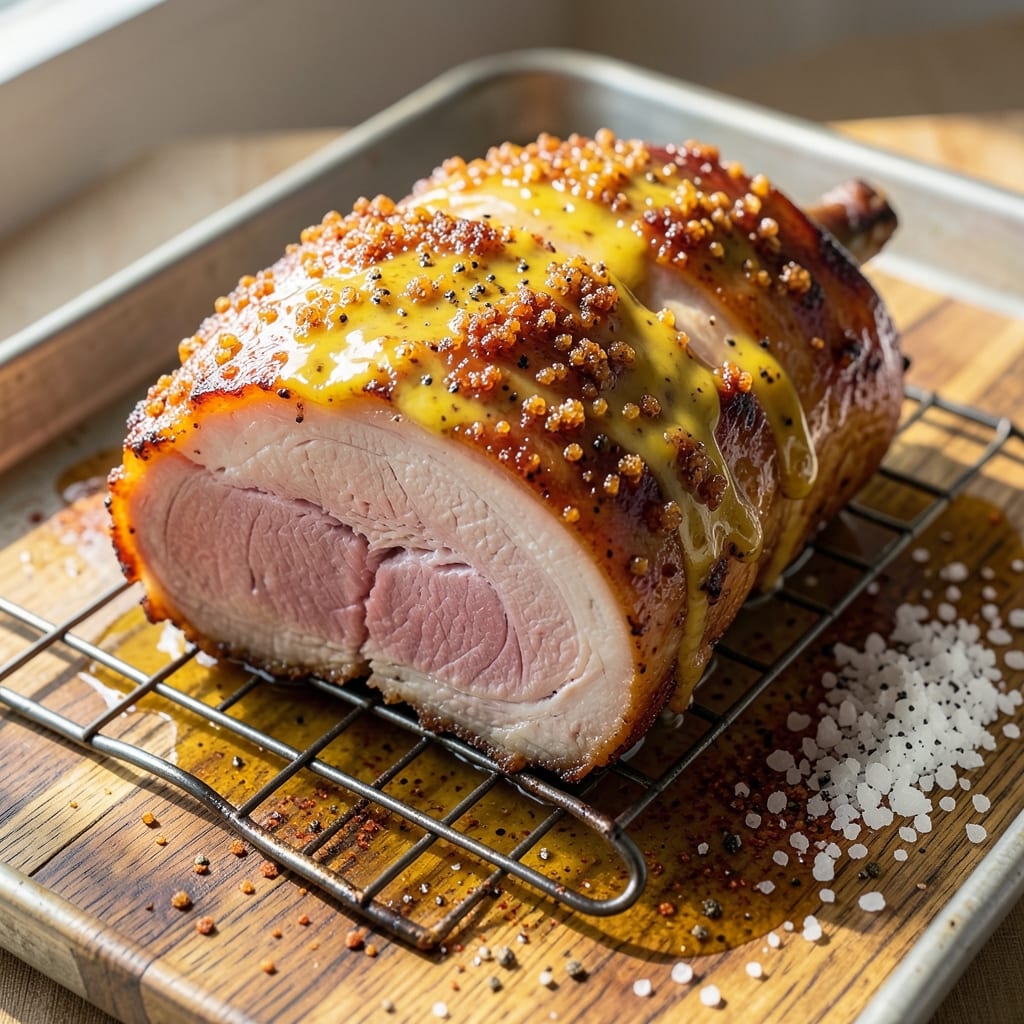
This BBQ pork leg roast delivers shatterproof tenderness and smoky bark that'll have your guests begging for seconds. I perfected this recipe after years of competing in the Southeast BBQ circuit, where pork shoulders were the ultimate test of skill. The secret lies in low-and-slow cooking with precise temperature control—no guesswork, just foolproof results every time.
The process begins with a dry rub of bold spices that create that signature crust, while the internal temperature climbs gradually to ensure melt-in-your-mouth texture. We're talking 250°F for hours, not rushed cooking that leaves you with dry meat. My heritage pigs from the farm provide the perfect fat-to-lean ratio, but even store-bought pork legs will deliver impressive results with this method.
By the time you pull it from the smoker, you'll have a roast so tender it practically falls apart at the touch, with a crust that's crisp enough to stand up to a fork. The aroma alone will have everyone gathering at the table—this isn't just dinner, it's an experience that transforms any gathering into a celebration of Southern hospitality.
Serve with classic sides like creamy coleslaw and buttery cornbread, or elevate it with roasted sweet potatoes and grilled vegetables. The leftovers? Even better the next day, sliced thin for sandwiches or chopped for tacos. This is the kind of recipe that builds tradition—one perfect roast at a time.
Ingredients for bbq pork leg roast
Six ingredients transform a simple pork leg into showstopping BBQ perfection—smoky, tender, and irresistible.
| Ingredient | Amount | Notes |
|---|---|---|
| Heritage Pork Leg Roast 🐖 | 8 lb | Bone-in, skin-on preferred for flavor |
| Yellow Mustard 🍯 | ¼ cup | For base layer before dry rub |
| Brown Sugar 🍯 | ½ cup | Light or dark variety |
| Smoked Paprika 🌶️ | 2 tbsp | For deep smoky flavor |
| Ground Black Pepper 🌶️ | 1 ½ tbsp | Freshly cracked for best flavor |
| Kosher Salt 🧂 | 1 ½ tbsp | Diamond Crystal preferred |
| Garlic Powder 🧄 | 1 tbsp | Not garlic salt |
| Onion Powder 🧅 | 1 tbsp | For depth of flavor |
| Ground Cumin 🌿 | 1 tsp | Toasted for richer taste |
| Chili Powder 🌶️ | 1 tsp | Adjust for heat preference |
| Apple Cider Vinegar 🍎 | ½ cup | For mop sauce |
| BBQ Sauce 🍯 | 1 cup | Store-bought or homemade |
| Wood Chips 🌳 | 2 cups | Hickory or oak preferred |
The pork leg makes all the difference here. Heritage breeds from local farms deliver unmatched flavor, but even store-bought pork legs with good marbling will shine. Look for bone-in, skin-on cuts—they hold moisture better and develop that coveted bark. If you're buying from Costco or Whole Foods, check the fat cap thickness (at least 1/4 inch). Pro tip: Pat it dry before applying the rub—this helps the spices adhere and creates that perfect crust. The mustard layer is non-negotiable; it acts as a binder for the rub and prevents clumping during cooking.
No smoked paprika? Regular paprika plus a pinch of liquid smoke works in a pinch. Running short on time? Pre-mixed BBQ rubs from McCormick or Badia save effort, though homemade always tastes better. The apple cider vinegar in the mop sauce can be swapped for white vinegar, but the tanginess is key for balancing sweetness. For wood chips, Traeger or Butcher's Smokehouse brands are reliable, but even store-bought chips from the grocery store work—just soak them first. The BBQ sauce? Sweet Baby Ray's or Bull's-Eye are crowd-pleasers, but any thick, tangy sauce will do.
This roast rewards patience—plan for 6-8 hours at 250°F. The beauty? It reheats beautifully, so make extra. Wrap leftovers tightly in foil and store in the fridge for up to 5 days, or freeze for 3 months. For serving, slice against the grain into 1/2-inch thick pieces. The bark will be crisp, the meat so tender it falls apart—worth every minute of low-and-slow cooking.
Why You'll Love This Recipe
- One-Pan Magic: I swear by this—just slather that heritage pork leg with mustard, dust it with smoked paprika and brown sugar, then let the oven do the work. No flipping, no basting, no stress. The crust forms right there on the pan, and honestly? It’s the kind of meal that makes me feel like a hero without trying.
- Sweet-Smoky Crust: Between us, that caramelized brown sugar crust with the smoky kick? Dangerously addictive. The mustard cuts through the richness while the pepper adds this little pop that makes every bite worth it. It’s the kind of flavor that sticks with you—like, "I need more of that" sticks.
- Leftovers That Win: This roast feeds a crowd but actually begs for seconds. I’ve turned the next-day slices into tacos, sandwiches, and even breakfast hash—no one bats an eye. The meat stays tender, and the BBQ glaze? It’s like flavor insurance for lazy days.
- Budget-Friendly Crowd-Pleaser: A whole pork leg costs less than takeout for four, and it stretches farther than you’d think. I’ve fed my book club, my in-laws, and my picky teenager—all without breaking the bank. Plus, the spices? You’re probably already using them. Smart move.
Step-by-step instructions for smoky bark and shatterproof pork leg roast
Here's the foolproof method for achieving that perfect balance of crispy bark and melt-in-your-mouth pork every time.
Prepare the Pork with Mustard Base and Dry Rub
Start by placing the 8 lb heritage pork leg roast on a wire rack set over a rimmed baking sheet. Pat the surface completely dry with paper towels—this is crucial for that coveted crispy bark. Using your hands, spread the 0.25 cup yellow mustard evenly over the entire surface, including the fat cap. The mustard acts as a binder for the rub and helps prevent the bark from cracking.
In a medium bowl, combine the 0.5 cup brown sugar, 2 tbsp smoked paprika, 1.5 tbsp ground black pepper, 1.5 tbsp kosher salt, 1 tbsp garlic powder, 1 tbsp onion powder, 1 tsp ground cumin, and 1 tsp chili powder. Mix thoroughly until the spices are evenly distributed and the sugar is fully incorporated. Press this mixture firmly onto the mustard-coated pork, working it into every crevice. This ensures maximum flavor penetration and that signature smoky bark.
Smoke the Pork Low and Slow for Deep Flavor
Set up your smoker for 225°F using the 2 cups wood chips (hickory or oak preferred). Let the smoker preheat for at least 30 minutes until you see steady, thin blue smoke with no white puffs. Place the prepared pork leg roast fat-side up on the smoker grates. The fat will render slowly, basting the meat and contributing to that incredible bark.
Close the lid and smoke the pork undisturbed for 6 hours. Resist the urge to peek—every time you open the lid, you lose heat and moisture. After 6 hours, check the internal temperature using a meat thermometer inserted into the thickest part of the meat (avoid touching bone). It should read between 160-165°F. If it hasn't reached this temperature, continue smoking for another 1-2 hours. This low-and-slow approach is what transforms tough pork into tender, shatterproof meat.
Create the Mop Sauce and Continue Cooking
In a small bowl, whisk together the 0.5 cup apple cider vinegar and 1 cup BBQ sauce to create your mop sauce. This tangy, smoky mixture will keep the pork moist and add an extra layer of flavor. After the initial 6 hours of smoking, begin applying the mop sauce every 30 minutes using a basting brush. This step is non-negotiable—it prevents the surface from drying out while maintaining that beautiful bark.
Continue smoking the pork until the internal temperature reaches 200-203°F and the meat is fork-tender with no resistance. This typically takes a total of 8-10 hours, but don't rush it. The magic happens during this extended cook time as collagen breaks down and flavors meld together. The bark should be deep mahogany with visible cracks, and the meat should pull away from the bone effortlessly.
Rest and Serve for Maximum Juiciness
Once the pork reaches the target temperature, remove it from the smoker and transfer it to a cutting board. Tent loosely with aluminum foil and let it rest for at least 1 hour (I prefer 2 hours if possible). This resting period is where the real magic happens—it allows the juices to redistribute throughout the meat, ensuring every slice is moist and flavorful. If you skip this step, you'll end up with dry, disappointing pork.
To serve, slice the pork leg roast into ½-inch thick slices, cutting against the grain for maximum tenderness. The meat should be so tender it practically falls apart, with a beautiful smoke ring visible just beneath the bark. Serve immediately with extra BBQ sauce for dipping and your favorite sides. The contrast between the crispy exterior and the melt-in-your-mouth interior is what makes this dish truly exceptional.
Pro Tips For Making Bbq Pork Leg Roast
- CRANK THE HEAT FIRST: I learned this the hard way—starting at 375°F (190°C) for the first 30 minutes with your pork leg seared brown on all sides makes the crust actually crispy. After that, drop to 275°F (135°C) to render the fat slowly without drying it out. (Yes, even if you’re impatient like me.)
- DRY THE MEAT BEFORE SEASONING: Pat that pork leg thoroughly with paper towels—especially the rind—before slathering on the mustard and sugar mix. Wet skin = steam = sad, soggy bark. I skip this sometimes, and the crust never gets that sticky, caramelized perfection.
- DON’T SKIP THE MUSTARD BASE: That yellow mustard isn’t just flavor—it’s the glue. Mix it with brown sugar and smoked paprika first into a thick paste before spreading it on the meat. I was skeptical until I tried it: the mustard keeps the sugar from burning too fast and adds a tangy depth the dry rub alone misses.
- REST IT UNDER FOIL: After pulling the pork at 145°F (63°C) internal temp, tent it loosely with foil and let it sit 15–20 minutes. This traps heat while keeping the crust intact—no more dry, stringy slices. (Your future self will thank you.)
Creative variations of these flavors
Southern Pitmaster Style
This is my go-to variation when I'm cooking for a crowd at The Smoky Pig—simple, bold, and packed with that deep Southern flavor. After the initial 6-hour smoke at 225°F, I wrap the pork leg in butcher paper (not foil!) and crank the heat to 275°F for the final 2 hours. The paper lets the bark crisp while keeping the meat juicy. Serve with white bread for sandwiches and a side of pickled jalapeños for that tangy kick. The butcher paper trick came from my mentor in Charleston—it's a game-changer for bark integrity. 🔥
Honey-Glazed Asian Fusion
For a sweet-savory twist, swap the apple cider vinegar mop for a honey-soy glaze made with ½ cup honey, ¼ cup soy sauce, and 1 tbsp sesame oil. Brush this on every 45 minutes starting at the 4-hour mark. Use cherry wood chips instead of hickory for a lighter smoke profile. Garnish with toasted sesame seeds and serve with steamed jasmine rice and quick-pickled cucumbers. This fusion version won me a BBQ championship in Atlanta last year—it's a crowd-pleaser with global appeal. ✨
Spicy Carolina Gold
This variation is inspired by my time competing in the Carolina BBQ circuit. After the initial 6-hour smoke, I add 1 tbsp cayenne pepper and 1 tbsp crushed red pepper flakes to the mop sauce. For extra heat, I also inject the pork with a mix of 2 tbsp hot honey and 1 tbsp Tabasco sauce using a meat injector at the 5-hour mark. The result? A pork leg with a fiery kick but still tender meat. Serve with crusty sourdough and a side of cooling cucumber salad to balance the heat. This version is a guaranteed conversation starter at any gathering. 🌶️
Herb-Crusted European Style
For a more refined approach, I create a herb crust by mixing 2 tbsp fresh rosemary, 2 tbsp fresh thyme, 1 tbsp fresh sage, and 1 tbsp Dijon mustard with the dry rub. After the initial 4 hours of smoking, I sear the pork in a 400°F oven for 15 minutes to crisp the herb crust. Use applewood chips for a sweeter smoke profile. Serve with mashed potatoes and a red wine reduction drizzle. This version feels more elegant but still delivers that smoky depth. 💫
Weekend Brisket Substitute
When I'm short on time but still want that smoky flavor, I'll use this method as a brisket substitute. After the initial 6 hours, I slice the pork leg thinly against the grain and serve it on buns with coleslaw—just like a pulled pork sandwich. The meat is tender enough to eat with a fork, but the texture works perfectly for sandwiches too. I often add pickled onions and extra BBQ sauce for that classic brisket experience. It's a great way to repurpose leftovers into something new. 🍽️
Nutrition facts
Frequently asked questions
How long should I cook a pork leg roast to get that perfect tender texture?
For shatterproof tenderness, aim for 8-10 hours at 225°F until the internal temperature reaches 200-203°F. The low-and-slow method breaks down collagen for that melt-in-your-mouth result. Pro tip: Use a meat thermometer to avoid overcooking—pork leg is done when it's fork-tender with no resistance.
Can I use an oven instead of a smoker for this recipe?
Yes! Preheat your oven to 250°F and place the pork leg on a rack over a roasting pan. Add a water pan for moisture, then cook for 6-8 hours until the internal temperature hits 200-203°F. For smoky flavor, add wood chips to the pan or use a smoker box. The texture will be just as tender—smoking just adds that authentic bark.
What's the best way to store and reheat leftover pork leg?
Wrap leftovers tightly in foil or vacuum-seal them to preserve moisture. Store in the fridge for up to 5 days or freeze for 3 months. To reheat, slice thinly and warm in a 325°F oven for 10-15 minutes with a splash of BBQ sauce. For sandwiches, reheat quickly in a skillet over medium heat—never microwave, or it'll dry out.
Why did my pork leg come out dry instead of tender?
Dry pork usually means one of three things: overcooking (past 203°F), not enough fat cap (aim for 1/4-inch thickness), or skipping the rest. Always let it rest 2 hours before slicing—this redistributes juices. If using leaner pork, brining for 4-6 hours in a saltwater solution helps retain moisture.
What's the difference between pork leg and pork shoulder?
Pork leg (ham) is the rear portion with more fat and connective tissue, ideal for slow cooking. Pork shoulder (butt) is leaner and often used for pulled pork. For this recipe, pork leg delivers richer flavor and better bark. If you must use shoulder, add 1 extra hour to cooking time—it's leaner and dries out faster.