
Main Courses
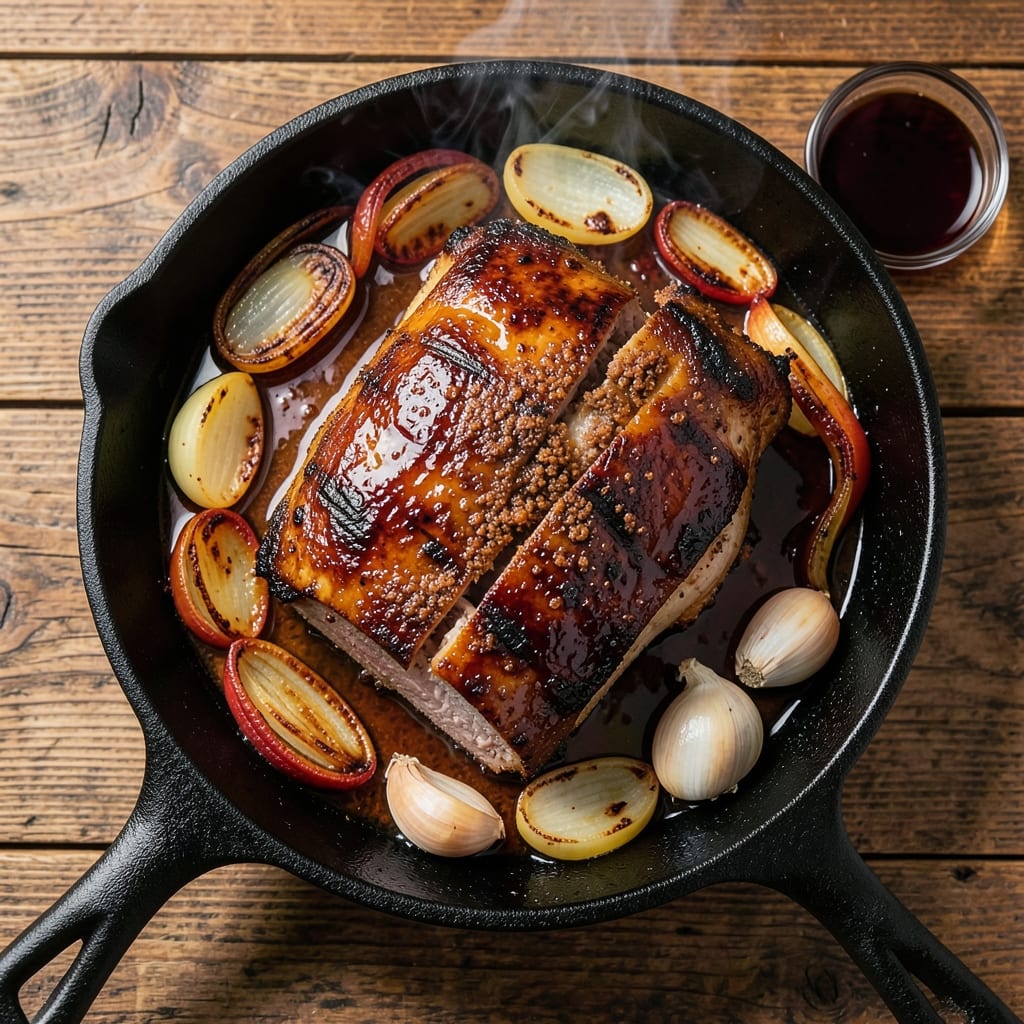
This BBQ pork recipe grill delivers juicy, tender pork with a smoky bark that'll have your guests begging for seconds. I perfected this method after years of grilling experiments—where the secret lies in a 30-minute marinade that tenderizes while building that signature flavor. The key? Low-and-slow cooking on indirect heat to keep the meat moist, even as the outside develops that irresistible crust.
What sets this recipe apart is the two-stage grilling technique: sear the pork over direct heat first to lock in juices, then move it to indirect heat to cook through evenly. This ensures perfectly pink centers without drying out, while the sauce caramelizes into a sticky, flavorful glaze. The result? A dish that tastes like it came from a pitmaster's smoker, but with half the effort.
By the time you're done, you'll have fall-apart pork that's juicy in every bite, with a deeply caramelized exterior that's impossible to resist. The sauce clings beautifully, making every slice worth the wait. Serve it sliced thick over buns, on a platter with pickles and coleslaw, or even in tacos—this pork adapts to any meal.
This recipe works best with bone-in pork shoulder, which stays juicy and flavorful as it cooks. The marinade (just four ingredients!) infuses the meat with smoky, tangy notes, while the grilling process creates that restaurant-quality bark. Trust me—once you try this method, you'll never buy pre-cooked pork again.
Ingredients for bbq pork recipe grill
Four ingredients transform raw pork into smoky, fall-apart perfection on your grill.
| Ingredient | Amount | Notes |
|---|---|---|
| Bone-In Pork Shoulder 🐖 | 2 lb | 2-3 inches thick, well-marbled |
| Yellow Onion 🧅 | 1 whole | Medium size, sliced into wedges |
| Garlic Cloves 🧄 | 6 cloves | Fresh, peeled and smashed |
| Apple Cider Vinegar 🍏 | ½ cup | Raw, unfiltered preferred |
| Brown Sugar 🍚 | ¼ cup | Light or dark, packed |
| Smoked Paprika 🌶️ | 1 tbsp | High-quality, not cayenne |
| Ground Black Pepper 🌶️ | 1 tbsp | Freshly cracked preferred |
| Kosher Salt 🧂 | 1 ½ tbsp | Diamond Crystal preferred |
| Extra-Virgin Olive Oil 🫒 | 2 tbsp | For marinade and searing |
| BBQ Sauce 🍯 | ½ cup | Store-bought or homemade |
| Charcoal or Hardwood Chunks 🔥 | 10 pieces | Hickory or oak preferred |
| Wooden Skewers 🪵 | 2 whole | Soaked for 30 minutes |
| Fresh Parsley 🌿 | ¼ cup | Chopped, for garnish |
The pork shoulder is non-negotiable here—bone-in, well-marbled cuts stay juicy while the fat renders into flavor. Costco or local butcher shops are your best bets for quality; look for cuts with visible fat marbling. If you can't find bone-in, a thick-cut boneless shoulder works, but expect slightly less moisture. The apple cider vinegar should be raw and unfiltered—Mott's or Bragg are reliable brands. For the paprika, Penzeys or bulk bins at Whole Foods ensure maximum smokiness without cayenne heat.
No apple cider vinegar? White vinegar or lemon juice works in a pinch, but the tang will be sharper. Swap brown sugar for maple syrup or honey if you prefer a less caramelized bark. The BBQ sauce can be any brand—Sweet Baby Ray's or Stubb's are crowd-pleasers, but homemade with tomato paste, molasses, and spices elevates the dish. For the grill, charcoal or hardwood chunks are essential; propane grills can mimic this with a smoker box and wood pellets. The skewers? Soak them in water for 30 minutes to prevent burning—store-bought bamboo works fine, but cedar adds subtle aroma.
Marinate the pork for at least 30 minutes (overnight for deeper flavor). Store any leftover marinade in the fridge for up to 1 week, but don't reuse it for cooking. The cooked pork reheats beautifully—200°F oven for 15 minutes restores juices perfectly. For leftovers, slice thin and serve on buns with pickles and coleslaw. The bark freezes well for 3 months if you're planning ahead; just reheat in a 350°F oven until crispy.
Why You'll Love This Recipe
- One-Pan Magic: I swear by this for lazy nights—just toss the pork shoulder, chopped onions, and minced garlic on the grill, let the vinegar and brown sugar work their sweet-tart magic, and walk away. No chopping boards, no extra pans, just pure grill satisfaction.
- Sweet-Savory Crust: That caramelized brown sugar crust? It’s the star. The vinegar keeps it tangy while the garlic melts into the pork, giving you a perfect balance of sticky, smoky, and just a hint of sharpness that makes every bite unforgettable.
- Tailgate Ready: Between us, this is my go-to for game days or backyard hangouts. It’s hearty enough to feed a crowd but simple enough that I’m not stuck in the kitchen while everyone’s watching the big play. (Yes, even on a Tuesday night.)
- Leftovers That Don’t Suck: I make double batches because the pulled pork reheats like a dream—moist, flavorful, and way better than takeout. Plus, the onions and garlic in the sauce make it taste fresh, not sad, the next day. Budget win, flavor win.
Step-by-step instructions for smoked grilled pork shoulder
This method delivers melt-in-your-mouth tenderness with a perfect smoky bark in under an hour.
Prepare the Dry Rub and Marinate the Pork
In a small bowl, combine the 2 tbsp extra-virgin olive oil, 1 tbsp smoked paprika, 1 tbsp ground black pepper, 1.5 tbsp kosher salt, 0.25 cup brown sugar, and 6 cloves garlic cloves (smashed). Mix until the sugar dissolves and the spices coat the oil evenly. This creates a balanced rub that will penetrate the meat while developing that signature bark.
Pat the 2 lb bone-in pork shoulder completely dry with paper towels—this is critical for crispy bark. Apply the rub generously over all surfaces, pressing firmly so it adheres. Let the pork sit at room temperature for 30 minutes while you prepare the grill. This step ensures even cooking and maximum flavor penetration.
Set Up the Grill for Indirect Heat
Arrange the 10 pieces charcoal or hardwood chunks on one side of your grill, creating a two-zone heat setup. Close the lid and let the charcoal heat for 15-20 minutes until covered with white ash. This creates the ideal indirect heat environment for slow, even cooking without burning the exterior.
While the grill heats, slice the 1 whole yellow onion into wedges and thread them onto 1 of the soaked wooden skewers. This will be your flavor infusion tool during cooking. Once the coals are ready, spread them evenly across the grill, leaving the other side clear for indirect cooking. Place the pork shoulder directly over the clear zone, fat side up.
Grill with the Onion Method for Maximum Flavor
Close the grill lid and cook the pork for 30 minutes without moving it. This initial sear develops the bark while the fat renders. After 30 minutes, carefully place the onion skewer on the grill near the pork. Every 10 minutes for the next 20 minutes, baste the pork with the onion juices using tongs—this infuses incredible sweetness and depth of flavor.
After 50 minutes total, check the internal temperature using a meat thermometer. It should read 165-170°F in the thickest part. If not yet ready, continue basting with the onion skewer every 10 minutes. The onion will caramelize beautifully, creating a natural glaze that enhances the pork's natural sweetness.
Finish with BBQ Sauce and Rest
Once the pork reaches 165-170°F, remove it from the grill and transfer to a cutting board. Brush the 0.5 cup BBQ sauce generously over all surfaces, letting it sit for 5 minutes to create a sticky, flavorful crust. This final step adds that signature tangy-sweet balance while locking in juices.
Let the pork rest for 10 minutes before slicing against the grain into ½-inch thick portions. Serve immediately with the 0.25 cup fresh parsley sprinkled on top. The resting period is crucial—it allows the juices to redistribute, ensuring each bite is perfectly juicy with that irresistible smoky bark.
Pro Tips For Making Bbq Pork Recipe Grill
- Trim the Fat First: Cut away the thick layer of fat on the pork shoulder’s surface before grilling—it’s the stuff that smokes up your grill like a fog machine and makes cleanup a nightmare. Use a sharp knife and don’t be shy; you’re not losing flavor, just saving yourself from a greasy mess. ---
- Sear On High Heat: Get that pork shoulder screaming hot on the grill for the first 5 minutes—no half-hearted searing. The crust forms fast, and it’s the difference between "meh" and "fall-off-the-bone delicious." Watch it like a hawk; charred edges are easy to fix, but pale spots mean you’ve lost your chance. ---
- Vinegar Early, Not Late: Toss your onions and garlic in apple cider vinegar before they hit the grill—let them sit for 10 minutes while you prep. This softens them up and keeps them from burning into bitter sludge. (Yes, even if you’re impatient like me.) ---
- Wrap It Tight at 160°F: Once the internal temp hits 160°F, wrap that pork shoulder in foil with a splash of vinegar and a spoonful of brown sugar. This isn’t just resting—it’s turning tough meat into tender heaven. Skip it, and you’ll be left with something that’s still chewy at 203°F.
Troubleshooting this dish
Dry Rub Not Sticking?
If your rub slides off the pork, the meat might be too moist. Pat it extra dry with paper towels—double-check every side—then let it sit uncovered in the fridge for 10 minutes to dry the surface further. For extra grip, mix 1 tbsp cornstarch into your rub before applying. I learned this trick from my Nonna after my first disastrous attempt with sticky pork—trust me, it makes all the difference. 💡
Uneven Cooking?
If one side cooks faster than the other, you’re likely dealing with hot spots on your grill. Move the pork to the cooler side of the grill and rotate it 90 degrees (not 180) every 15 minutes to ensure even exposure. A two-zone fire setup is key—keep the coals on one side only, with the pork resting over the empty side. For propane grills, close the lid completely and let the heat distribute naturally. 🔥
Sauce Too Thin?
If your BBQ sauce runs off the pork instead of sticking, it’s likely too watery. Simmer ½ cup store-bought sauce with 1 tbsp cornstarch for 5 minutes to thicken it before brushing. For homemade sauce, reduce it longer—10-15 minutes on medium heat—until it coats the back of a spoon. I once ruined a whole batch by skipping this step; now I always test the consistency first. 🍯
Pork Too Tough?
Overcooking is the #1 reason for tough pork. Use a meat thermometer and pull it at 165-170°F—never let it exceed 175°F. If it’s still tough, slice it thin against the grain and serve it with pickles or a tangy coleslaw to cut through the richness. For next-level tenderness, marinate overnight instead of just 30 minutes. 💪
Grill Smoking Too Much?
If your pork tastes like campfire ash instead of smoky, your grill is overloaded with wood. Use only 10 pieces of hardwood chunks (hickory or oak) and avoid direct flame contact. For propane grills, use a smoker box with just 2-3 pellets—too much wood creates bitter smoke. I once turned my pork into charcoal-flavored leather by ignoring this; less is more with wood. 🌬️
Bark Not Crispy?
A thin, sad bark usually means low heat or moisture. Increase your grill temperature to medium-high (375-400°F) for the first 20 minutes to sear the surface, then drop to indirect heat. For extra crispiness, pat the pork dry again before applying the rub and avoid basting too early. The bark should crackle when you press it—that’s the golden sign. 🍳
Nutrition facts
Frequently asked questions
Can I use pork chops instead of pork shoulder?
Pork chops work differently—they cook much faster and won't develop the same tender, fall-apart texture. For this recipe, stick with bone-in pork shoulder (2-3 inches thick) for that signature juicy interior and crispy bark. If you're set on chops, try a 20-minute marinade with a quick medium-high heat sear on the grill, but expect a firmer bite.
How do I adjust the recipe for a propane grill?
Propane grills need a smoker box with 2-3 hardwood pellets (hickory or oak) for authentic smoke flavor. Preheat to 375°F with the lid closed, then create a two-zone fire by turning one burner off. The onion basting method still works—just place the skewer near the pork and baste every 10 minutes. Keep the lid closed as much as possible to maintain even heat.
What's the best way to serve this grilled pork?
Slice it ½-inch thick against the grain for maximum tenderness. Serve on toasted buns with pickles and coleslaw for classic BBQ sandwiches, or pile it high on a platter with grilled vegetables and crusty bread. For a Boston twist, try it in mini sliders with caramelized onions—my Nonna's favorite! The sauce pairs especially well with tangy slaw or spicy mustard.
Can I make this recipe ahead of time?
Yes! Cook the pork as directed, then let it cool completely. Store in an airtight container in the fridge for 3-4 days or freeze for 3 months. Reheat in a 350°F oven for 15 minutes until warmed through. The bark stays crispy, and the meat reheats beautifully. For serving, brush with a little extra BBQ sauce before reheating to restore that sticky glaze.
Why does the recipe call for bone-in pork?
The bone-in cut stays juicier and more flavorful because the bone holds moisture and renders fat during cooking. The marrow adds richness that boneless cuts can't match. If you absolutely must use boneless, choose a thick-cut shoulder (2+ inches) and increase the marinade time to 2 hours to compensate. The bark will still form, but the interior might be slightly less tender without the bone's natural insulation.