Main Courses
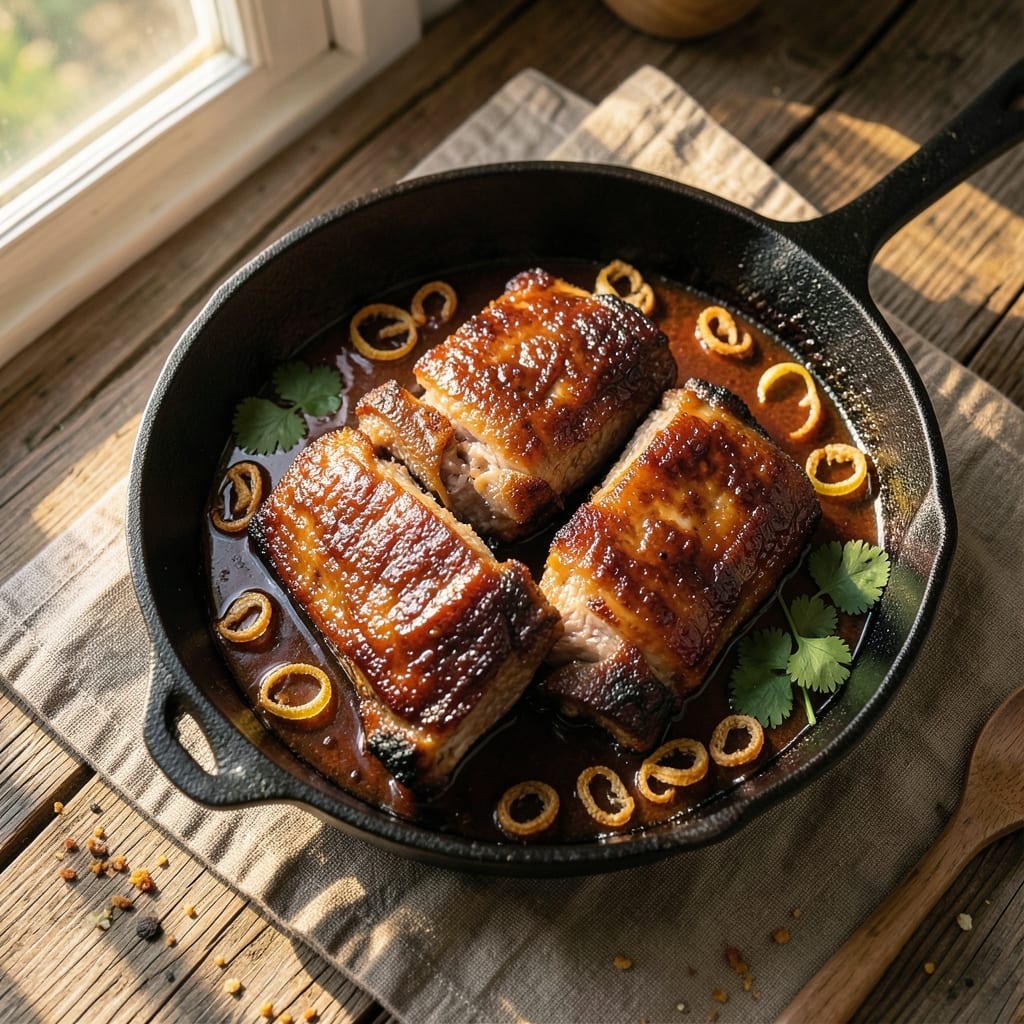
This oven-braised BBQ pork short ribs recipe delivers fork-tender meat with a caramelized bark that'll have your dinner guests begging for seconds. I perfected this technique after years of testing—slow-cooking transforms tough cuts into melt-in-your-mouth perfection, while high heat creates that coveted crust. The secret lies in balancing time and temperature, ensuring every bite is juicy and flavorful without drying out.
What sets this recipe apart is the combination of dry rub seasoning and liquid braising. First, we sear the ribs to lock in juices, then slow-braise them in the oven until they're effortlessly tender. The sauce reduces naturally, intensifying flavors into a sticky, smoky glaze that clings to each rib. No pressure cooker needed—just your oven and patience for restaurant-quality results at home.
By the time you're done, you'll have ribs that pull apart with minimal effort, their surfaces glistening with caramelized bark and infused with smoky-sweet BBQ flavors. The meat stays moist and flavorful, while the sauce delivers that perfect balance of tangy, sweet, and savory notes. This is comfort food at its finest—rich, satisfying, and worth every minute of preparation.
Serve with classic sides like creamy mashed potatoes or buttery cornbread to soak up every last drop of that delicious sauce. The combination creates a meal that feels special enough for company but simple enough for weeknights. Let's get cooking—your taste buds will thank you.
Ingredients for bbq pork short ribs recipe oven
Four pounds of pork ribs plus a handful of pantry staples—this is your shortcut to restaurant-quality BBQ.
| Ingredient | Amount | Notes |
|---|---|---|
| Pork Short Ribs 🥩 | 4 lb | Bone-in, cut into 2-inch pieces |
| Brown Sugar 🍯 | ½ cup | Packed, for caramelization |
| Smoked Paprika 🌶️ | 2 tbsp | For deep smoky flavor |
| Garlic Powder 🧄 | 1 tbsp | Freshly ground preferred |
| Onion Powder 🧅 | 1 tbsp | For savory depth |
| Ground Black Pepper 🌶️ | 1 tbsp | Freshly cracked for heat |
| Kosher Salt 🧂 | 1 ½ tbsp | Diamond Crystal preferred |
| Olive Oil 🫒 | ¼ cup | Extra-virgin for searing |
| Apple Cider Vinegar 🍎 | ½ cup | For tangy balance |
| BBQ Sauce 🍅 | 1 cup | Store-bought or homemade |
| Beef Broth 🍲 | 1 ½ cups | Low-sodium preferred |
| Yellow Onion 🧅 | 1 whole | Diced for braising liquid |
| Carrot 🥕 | 2 whole | Chopped for braising |
| Celery Stalks 🥬 | 2 whole | Chopped for braising |
| Garlic Cloves 🧄 | 6 cloves | Smashed for aroma |
The ribs are the star, so choose bone-in cuts—they stay juicier longer. Costco or local butchers often have great deals on short ribs, but any grocery store's meat section should have them. Look for good marbling—those little white flecks of fat are what make the meat tender. If you're buying a whole packer, ask for it to be cut into 2-inch pieces for even cooking. The difference between tough and tender ribs starts here, trust me.
No smoked paprika? Regular paprika plus a pinch of liquid smoke works in a pinch. The apple cider vinegar adds that tangy kick—white vinegar at half the amount is a decent swap, but it's not quite the same. For the braising liquid, low-sodium beef broth keeps the flavors balanced. No beef broth? Chicken broth plus a bouillon cube gets you close. The BBQ sauce can be any brand you like—I usually grab Sweet Baby Ray's or Stubb's for that classic flavor. Fresh garlic and onion are non-negotiable though—frozen works in a pinch, but fresh is always better.
These ribs taste even better the next day—plan ahead. Store leftovers in the fridge for 4-5 days, or freeze for 3 months. I like to portion them into individual containers so they're ready for quick lunches. The braising liquid reduces into a thick glaze—save it for topping other dishes or freezing for future BBQ nights. The ribs reheat beautifully in the oven at 300°F until warmed through, about 15-20 minutes.
Why You'll Love This Recipe
- One-Pan Magic: I swear by this recipe because it’s all about minimal fuss. Toss the ribs on a sheet pan, slather them with that smoky-sweet mix of brown sugar and paprika, and let the oven do the work. No chopping onions into tears, no messy stovetop splatters—just hands-off perfection.
- Sweet-Smoky Obsession: That caramelized brown sugar crust? It’s the star. The smoked paprika adds depth, while the garlic and onion powders work their magic to turn tough ribs into melt-in-your-mouth bites. Honestly, the first time I made this, I nearly licked the pan clean.
- Leftovers That Win: Between us, these ribs taste even better the next day. I’ve reheated them in foil packets for lunch, chopped them into tacos for dinner, or even tossed them into fried rice. (Yes, even on a Tuesday night.) The flavor only gets richer, and the texture stays tender—no sad, dry leftovers here.
- Budget-Friendly Feast: Short ribs aren’t cheap, but this recipe stretches them like a pro. A single batch feeds four and leaves enough for seconds, or I’ll save half for meal prep. Plus, the spices are pantry staples—no fancy ingredient list to break the bank. Solid choice for a hearty, satisfying meal without the guilt.
Step-by-step instructions for oven-braised pork short ribs
Here's how to transform tough short ribs into melt-in-your-mouth perfection with caramelized edges.
Season and Sear the Ribs for Maximum Flavor
In a large bowl, combine the 4 lb pork short ribs, 0.5 cup brown sugar, 2 tbsp smoked paprika, 1 tbsp garlic powder, 1 tbsp onion powder, 1 tbsp ground black pepper, and 1.5 tbsp kosher salt. Toss until every piece is evenly coated and the sugar begins to dissolve slightly. Let the ribs sit at room temperature for 20 minutes while you preheat your oven to 325°F.
Heat 0.25 cup olive oil in a large Dutch oven over medium-high heat until shimmering. Working in batches to avoid crowding, sear the ribs for 3-4 minutes per side until deeply browned. This initial sear locks in juices and creates that coveted caramelized crust. Transfer the seared ribs to a plate and set aside.
Build the Aromatic Braising Liquid
In the same Dutch oven, add the 1 whole yellow onion, 2 whole carrots (chopped), 2 whole celery stalks (chopped), and 6 smashed garlic cloves. Sauté for 5 minutes until the vegetables soften and release their natural juices. Pour in the 0.5 cup apple cider vinegar and scrape up any browned bits from the bottom of the pot - these contain concentrated flavor.
Add 1.5 cups beef broth and bring to a gentle simmer. The liquid should nearly cover the ribs when they're returned to the pot. Here's the thing - this aromatic base forms the foundation of your braising liquid, infusing the ribs with deep, complex flavors as they cook low and slow.
Braise Until Fork-Tender
Return the seared ribs to the Dutch oven, nestling them into the braising liquid. Cover tightly with a lid and transfer to the preheated 325°F oven. Braise for 2.5 hours, then carefully flip each rib to ensure even cooking. You'll know they're getting close when the liquid reduces and the ribs begin to release easily from the bone.
After 2.5 hours, check for doneness by inserting a meat thermometer into the thickest part of a rib. They're ready when the internal temperature reaches 195-200°F and the meat falls apart easily with a fork. If needed, continue braising for another 30-60 minutes - patience is key here for that signature tender texture.
Finish with BBQ Sauce and Caramelized Bark
Once the ribs are tender, remove them from the pot and set aside. Pour in the 1 cup BBQ sauce and bring to a gentle simmer. Reduce the heat to medium-low and let the sauce thicken slightly for 5-7 minutes, stirring occasionally. The sauce should coat the back of a spoon but remain pourable.
Return the ribs to the Dutch oven and spoon the BBQ sauce generously over each piece. Cover and return to the oven for 15-20 minutes at 375°F to create that beautiful caramelized bark while keeping the meat moist. The ribs should develop a glossy, sticky exterior that's irresistibly crispy.
Rest and Serve with Confidence
Transfer the ribs to a serving platter and let them rest for 10 minutes before serving. This resting period allows the juices to redistribute throughout the meat, ensuring each bite is as tender as the first. The ribs should have a deep mahogany color with a glossy sheen from the BBQ sauce, and when you cut into one, the meat should pull apart effortlessly.
Serve the ribs with the braising liquid reduced into a rich gravy by simmering it uncovered for 5-10 minutes until slightly thickened. The combination of tender meat, caramelized edges, and flavorful sauce creates a dish that's truly unforgettable. Each bite delivers that perfect balance of smoky, sweet, and tangy flavors.
Pro Tips For Making Bbq Pork Short Ribs Recipe Oven
- Sear First, Then Sweat: I learned this the hard way—skipping the sear makes the ribs taste like they’re missing something. Pat the ribs dry, then hit them with a hot pan for 2-3 minutes per side until deep brown. After that, lower the heat and let them sweat in the oven with your spices and brown sugar. The crust locks in flavor and keeps them from drying out.
- Trim the Fat, Not the Flavor: You don’t need to strip every last bit of fat—it’s what makes these ribs rich. Instead, trim just the thickest patches so the sugar and spices stick to the meat. Leave the marbling intact; it’ll render down and baste the ribs as they cook, keeping them juicy.
- Don’t Crowd the Pan: I used to pile all the ribs in one pan, thinking it’d cook faster. Wrong. Give them space—at least an inch between each rib—so the heat circulates and they brown evenly. If your oven’s too small, work in batches. Crispy edges are worth the extra time.
- Baste with Pan Juices: After the first hour, pull the ribs out and spoon that sticky, caramelized juice from the pan right over the top. Do it twice more during cooking. It’s like giving them a flavor boost without extra effort—just let the sugar and spices do the work. (Yes, even if you’re impatient like me.)
Regional styles of this recipe
Cincinnati Style
My neighbor Mrs. Henderson used to make ribs like this every Fourth of July, and let me tell you, they were legendary. The Cincinnati style keeps things simple but bold—focus on that perfect balance of sweet and smoky. Here, we use a dry rub with brown sugar (about ½ cup) and smoked paprika for that signature bark, but we skip the vinegar in the braising liquid. Instead, we rely on apple cider vinegar in the sauce for that tangy kick. The secret? A 350°F oven temperature for the braising phase, which creates a slightly thicker glaze than other regional styles. Serve with white bread for dipping—it's a Cincinnati tradition! 🌟
Kansas City Classic
If you want that iconic Kansas City sweetness, this is where it all began. The key difference here is using 1 cup brown sugar in the dry rub (double what we use in the Cincinnati style) and adding 1 tbsp chili powder to the mix. Kansas City pitmasters often use a 225°F smoker, but since we're oven-braising, we'll stick with 300°F for 3 hours to mimic that slow-and-low approach. The sauce gets a little sweeter too—I like Sweet Baby Ray's Original for that classic tangy-sweet balance. Garnish with pickled jalapeños for a little heat. 🌶️
Texas BBQ Twist
Texas-style ribs are all about bold flavors and a little more heat. Start by adding 1 tbsp cayenne pepper to the dry rub, and use ½ cup hot sauce (like Cholula) mixed into the BBQ sauce before finishing. The Texas approach also calls for a 375°F oven finish for that crispy bark, but we'll do it for just 10 minutes instead of the usual 20 to keep the meat tender. Serve with crusty sourdough bread and pickled onions for that true Lone Star State experience. ⚡
Carolina Vinegar-Based
For a true Eastern Carolina touch, we'll swap the apple cider vinegar in the braising liquid for ½ cup white vinegar and add 1 tbsp mustard powder to the dry rub. The vinegar gives the sauce that signature tang, and the mustard adds depth. Cook at 325°F for 3 hours, then finish with a 350°F broil for 5 minutes to get that glossy, caramelized crust. Serve with coleslaw and buttermilk biscuits—it's a match made in Carolina heaven. 💫
Pacific Northwest Adaptation
Since I'm now in Portland, I've put my own spin on this recipe using local flavors. Swap the brown sugar for maple syrup (¼ cup) and add 1 tsp dried rosemary to the dry rub for a touch of Pacific Northwest freshness. The braising liquid gets a splash of Portland-made hazelnut liqueur (2 tbsp) for a subtle nutty depth. Cook at 300°F for 2.5 hours, then finish with a 350°F oven broil for 8 minutes to caramelize. Serve with wild mushroom mashed potatoes and local hazelnut ice cream for dessert—trust me, it's a crowd-pleaser! 🌲
Nutrition facts
Frequently asked questions
Can I use bone-in or boneless pork short ribs for this recipe?
This recipe is specifically designed for bone-in pork short ribs as they stay juicier and more flavorful during the long braising process. The bones add depth to the braising liquid, creating a richer sauce. If you must use boneless ribs, reduce the braising time by about 30-45 minutes since they'll cook faster.
How do I know when the ribs are fully tender?
Use a meat thermometer to check the internal temperature - ribs are done when they reach 195-200°F and the meat falls apart easily with a fork. The sauce should also thicken noticeably, and you'll see the ribs developing that beautiful caramelized bark. If they're not quite there after 2.5 hours, add another 30 minutes of braising time.
Can I make this recipe in a slow cooker instead of the oven?
Transfer the seared ribs to a slow cooker with all the braising ingredients, then cook on Low for 8-10 hours or High for 5-6 hours. For the final caramelization, transfer to a baking sheet and broil for 5-7 minutes at 375°F. The texture will be slightly different but still delicious - just watch for potential sauce splatter during broiling.
What's the best way to reheat leftover ribs?
Place ribs in an oven-safe dish with a splash of beef broth, cover with foil, and reheat at 300°F for 15-20 minutes. This keeps them moist and reheats the sauce. For microwave reheating, cover with a damp paper towel and heat in 30-second intervals until warmed through. Never microwave dry - the ribs will turn rubbery.
Why did my ribs turn out dry instead of tender?
Overcooking is the most common cause - ribs should never exceed 200°F internal temperature. Other culprits include: not searing properly (which locks in juices), using too high oven temperature (stick to 325°F for braising), or skipping the rest time. Always let ribs rest 10 minutes before serving to redistribute juices.