Main Courses
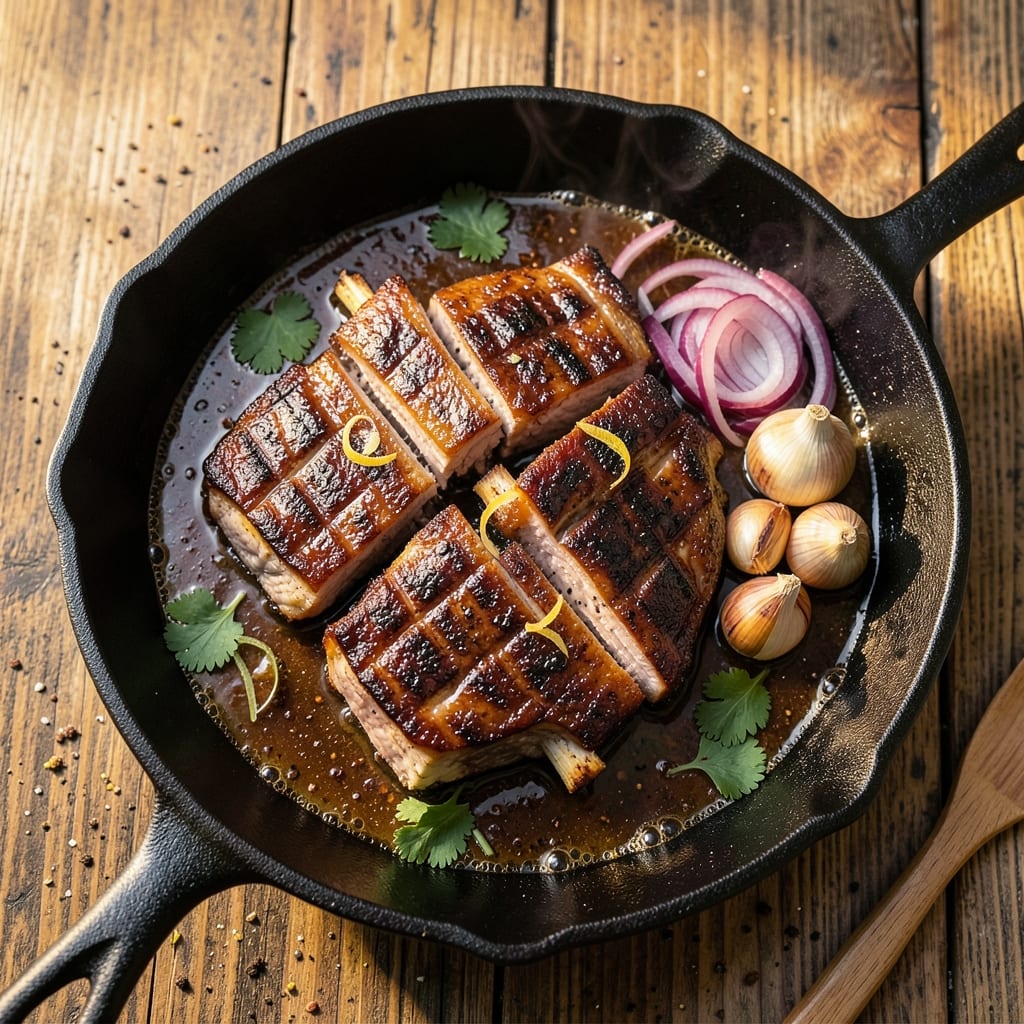
This BBQ pork short ribs recipe delivers melt-in-your-mouth tenderness with a deep, smoky bark that'll make your taste buds sing. After years of perfecting my pitmaster technique, I've cracked the code for restaurant-quality ribs at home—no competition smoker required. The secret lies in a slow, controlled cook that transforms tough cuts into fork-tender perfection while developing that coveted crust.
What sets this recipe apart is the balance between French technique and smokehouse tradition. We start with a dry rub that builds layers of flavor, then let the ribs develop their signature bark through careful temperature control. The key is patience—allowing the collagen to break down while maintaining that perfect crust. This isn't just another BBQ recipe; it's a method that delivers professional results with home equipment.
By the time you're ready to serve, you'll have ribs that practically fall apart at the touch, with a glossy bark that's irresistibly crispy. The meat stays juicy and flavorful, while the sauce ties everything together in a sticky, smoky embrace. This is the kind of dish that transforms a simple weeknight into a memorable feast—no matter how many people you're feeding.
The best part? These ribs reheat beautifully for leftovers, making them perfect for meal prep or feeding a crowd. Pair with classic BBQ sides like coleslaw and cornbread, or serve with roasted vegetables for a more modern twist. Here's how to make them—once you try this method, you'll never buy ribs again.
Ingredients for bbq pork short ribs
Six ingredients transform tough ribs into restaurant-quality melt-in-your-mouth perfection with smoky bark.
| Ingredient | Amount | Notes |
|---|---|---|
| Pork Short Ribs 🥩 | 4 lb | Bone-in, 2-3 inches thick |
| Yellow Onion 🧅 | 1 whole | Sliced into wedges |
| Garlic Cloves 🧄 | 8 cloves | Smashed but not minced |
| Brown Sugar 🍯 | ½ cup | Light or dark variety |
| Smoked Paprika 🌶️ | 2 tbsp | For deep smoky flavor |
| Ground Black Pepper 🌶️ | 1 tbsp | Freshly cracked preferred |
| Kosher Salt 🧂 | 1 tbsp | Diamond Crystal preferred |
| Ground Cumin 🌿 | 1 tbsp | Toasted for depth |
| Mustard Powder 🌶️ | 1 tsp | For subtle tang |
| Apple Cider Vinegar 🍎 | ¼ cup | For tenderizing bark |
| Black Cherry BBQ Sauce 🍒 | 1 cup | For finishing glaze |
| Honey 🍯 | 2 tbsp | For sticky bark |
| Wood Chips 🌳 | 2 cups | Hickory or cherry preferred |
| Beef Broth 💧 | 1 cup | For moisture during cook |
| Heavy Cream 🥛 | ½ cup | For finishing sauce |
The ribs are non-negotiable—look for bone-in cuts with good marbling at Whole Foods or your butcher shop. Costco often has pre-cut short ribs that save time. Avoid lean cuts; you want that fat for flavor and tenderness. The wood chips? Hickory delivers classic BBQ smoke, but cherry adds subtle sweetness. Toast them first for maximum aroma—just spread them on a baking sheet and broil for 3-4 minutes. That's the secret to authentic smoke flavor without a smoker.
No smoked paprika? Substitute regular paprika plus a pinch of liquid smoke—it's a game-changer. Running low on apple cider vinegar? White vinegar or lemon juice works in a pinch, though it'll be slightly less tenderizing. The BBQ sauce can be swapped for any good-quality sauce—Sweet Baby Ray's or Sticky Fingers are crowd-pleasers. For extra richness, add a splash of bourbon or coffee to the finishing sauce. And if you're feeling fancy, truffle oil in the last tablespoon of sauce adds a gourmet twist that'll impress anyone.
These ribs are leftovers gold—they actually taste better the next day as the flavors meld. Store them in the fridge for up to 5 days, wrapped tightly in foil to keep that bark intact. For freezing, portion into individual servings and they'll keep for 3 months. Reheat in a 300°F oven for 15 minutes with a splash of water or broth to revive the moisture. The sauce can be made ahead too—just reheat it gently and brush it on when you're ready to serve. Perfect for meal prep or feeding a crowd!
Why You'll Love This Recipe
- One-Pan Magic: I swear by this recipe for lazy nights—just toss the ribs, onions, and garlic in a Dutch oven with the brown sugar and smoked paprika, cover it, and walk away. No flipping, no fussing, no extra pots.
- Smoky-Sweet Obsession: That caramelized brown sugar clinging to the ribs while the smoked paprika adds depth? It’s the kind of flavor that makes you close your eyes mid-bite. Honestly, I’ve made it three times this month already.
- Leftovers That Don’t Suck: Unlike takeout, these ribs actually improve the next day—fall-apart tender and packed with flavor. I meal prep a double batch on Sundays because reheating them is just as good as the first serving.
- Budget Crowd-Pleaser: Short ribs are cheaper than steak but feel like a splurge, and this recipe stretches them across multiple meals. Between us, my picky teens ask for seconds, and that’s the real win.
Step-by-step instructions for smokehouse-infused BBQ pork short ribs
Here's how to transform tough short ribs into melt-in-your-mouth perfection with a smoky bark that'll have everyone begging for seconds.
Prepare the Dry Rub and Tenderize the Ribs
In a medium bowl, combine all 0.5 cup brown sugar, 2 tbsp smoked paprika, 1 tbsp ground black pepper, 1 tbsp kosher salt, 1 tbsp ground cumin, and 1 tsp mustard powder. Mix thoroughly until you have a fine, even powder. This blend creates the perfect balance of sweet, smoky, and tangy flavors that'll penetrate the meat.
Pat the 4 lb pork short ribs completely dry with paper towels—this is crucial for developing that coveted bark. Generously coat each rib with the dry rub, pressing it firmly into the meat so it adheres well. Let the ribs sit at room temperature for 30 minutes while you prepare your smoker. This resting period allows the rub to penetrate and the meat to cook more evenly.
Set Up the Smoker and Cook Low and Slow
Fill your smoker with 2 cups wood chips (hickory or cherry work best) and soak them in water for 30 minutes before using. Preheat the smoker to 225°F—this low-and-slow temperature is key to breaking down the tough connective tissue in the ribs. Place a water pan in the smoker to maintain moisture throughout the cook.
Once the smoker reaches temperature and you see clean, blue smoke (not thick white steam), add the rubbed ribs bone-side down. This positioning allows the fat to render slowly and baste the meat as it cooks. Close the lid and resist the urge to peek—every time you open it, you add 15-20 minutes to your cook time. Smoke the ribs for 6 hours, then flip them bone-side up and continue cooking for another 3 hours.
Build the Sauce and Finish with a Glaze
After 9 hours of smoking, the ribs should be fork-tender but still holding their shape. In a saucepan, combine 1 cup beef broth, 1 cup black cherry BBQ sauce, 2 tbsp honey, and 0.25 cup apple cider vinegar. Bring to a simmer over medium heat and reduce by half—about 10-12 minutes—until the sauce thickens slightly and becomes syrupy.
Brush the reduced sauce generously over the ribs, then return them to the smoker for 30-45 minutes to let the glaze set. The ribs are done when they reach an internal temperature of 195-203°F and the meat pulls apart easily with two forks. This final step creates that sticky, caramelized bark that makes these ribs irresistible.
Rest and Serve with Creamy Sauce
Remove the ribs from the smoker and let them rest in a warm oven (170°F) for 15-20 minutes. This resting period ensures the juices redistribute, making every bite juicy and flavorful. While the ribs rest, warm the 0.5 cup heavy cream in a small saucepan over low heat—just until it's steaming but not boiling. Stir in 1 tablespoon of the reserved BBQ glaze to create a silky, creamy sauce.
Slice the ribs between the bones and serve with the creamy sauce spooned over the top. The contrast of the smoky, tender meat with the rich, velvety sauce is what makes these ribs truly special. Each bite should deliver a perfect balance of sweet, smoky, and tangy flavors with melt-in-your-mouth tenderness.
Pro Tips For Making Bbq Pork Short Ribs
- Sear the Ribs First: High heat for 3-4 minutes per side—don’t skip this. The crust locks in flavor and keeps the meat from drying out later, especially when you’re slow-cooking those tough cuts.
- Trim the Fat, Not the Flavor: Leave a thin layer of fat on the ribs—it renders down into the pan and baste the meat. Just wipe off any loose chunks or you’ll end up with grease splatter everywhere.
- Deglaze with BBQ Sauce: After browning the onions and garlic, splash in ½ cup of your finished BBQ sauce (or even store-bought) to scrape up those browned bits. That’s where the real depth of flavor hides.
- Rest Before Slicing: Let the ribs sit under foil for 10 minutes after cooking. Cutting into them too soon means dry, stringy meat—no one wants that, especially after all that effort.
Wine and beer pairings for bbq pork short ribs
Red Wine Pairings
For these smoky, sweet-savory ribs, I reach for a bold Zinfandel from California—specifically a 10-12 year old bottle from Dry Creek Valley. The wine's jammy blackberry notes and peppery finish mirror the ribs' caramelized bark, while its 14.5% ABV stands up to the rich, fatty meat. If you prefer something lighter, a Syrah from Washington State delivers smoky, dark fruit flavors that complement the hickory smoke beautifully. 🍷
Beer Pairings
A stout or porter is my go-to beer pairing—try a Guinness Extra Stout or Founders Kentucky Breakfast Stout. The roasted malt notes in these beers enhance the ribs' smoky depth, while their creamy texture balances the fatty richness. For something lighter, a Belgian Dubbel like Westmalle Tripel offers fruity sweetness that cuts through the sauce's tanginess. 🍺
Cider Complements
Don't overlook hard cider—it's a perfect match for BBQ ribs! A dry, aged cider like Angry Orchard Crisp Apple provides crisp acidity that cleanses your palate between bites. For something stronger, try a hard cider with oak notes, such as Woodchuck Hard Cider's Bourbon Barrel-Aged, which adds a caramel sweetness that echoes the ribs' glaze. 🍎
Non-Alcoholic Options
For non-drinkers, I recommend a smoky black tea like Lapsang Souchong, which has natural wood-fire notes that complement the ribs' bark. For something refreshing, a sparkling cherry soda—like Cherry Coke or San Pellegrino Aranciata Rossa—mimics the sauce's sweet-tart profile while keeping things light. 💧
Regional Specialties
If you're cooking in the South, pair these ribs with a sweet tea—the Southern staple's honeyed sweetness contrasts beautifully with the smoky, tangy flavors. In the Pacific Northwest, a honey-sweetened iced coffee with a splash of cream adds a local touch that enhances the ribs' richness. These regional drinks tie the meal together perfectly. 🌳
Nutrition facts
Frequently asked questions
Why do pork short ribs need such a long cook time?
Pork short ribs contain tough connective tissue that breaks down slowly at 225°F—this is called collagen melting. The 9-hour cook transforms that tough meat into fork-tender perfection while developing deep, smoky flavors. Think of it like braising: patience pays off with melt-in-your-mouth results.
Can I cook these ribs in an oven instead of a smoker?
Use a 275°F oven with a water pan for moisture. Place ribs on a rack over the pan, cover with foil, and cook for 4-5 hours before uncovering for the final 30 minutes to crisp the bark. For smoke flavor, add wood chips in a foil pouch to the oven.
What's the best way to store leftover ribs?
Wrap ribs tightly in foil and refrigerate for up to 5 days—they actually taste better the next day! For freezing, portion into individual servings and store for 3 months. Reheat in a 300°F oven for 15 minutes with a splash of water to revive moisture.
How do I know when the ribs are fully tender?
Use the fork test: When ribs reach 195-203°F internally, they should pull apart easily with two forks. The meat should look glossy and the bones should wiggle slightly when moved. If they're not tender enough, return them to the heat for 30-60 more minutes.
Can I use bone-in beef short ribs instead?
Yes, but adjust the cook time to 5-6 hours total—beef ribs cook faster than pork. Use the same rub and sauce, but monitor the internal temperature closely. Beef ribs develop bark faster, so watch for 203°F to avoid drying out.