
Main Courses
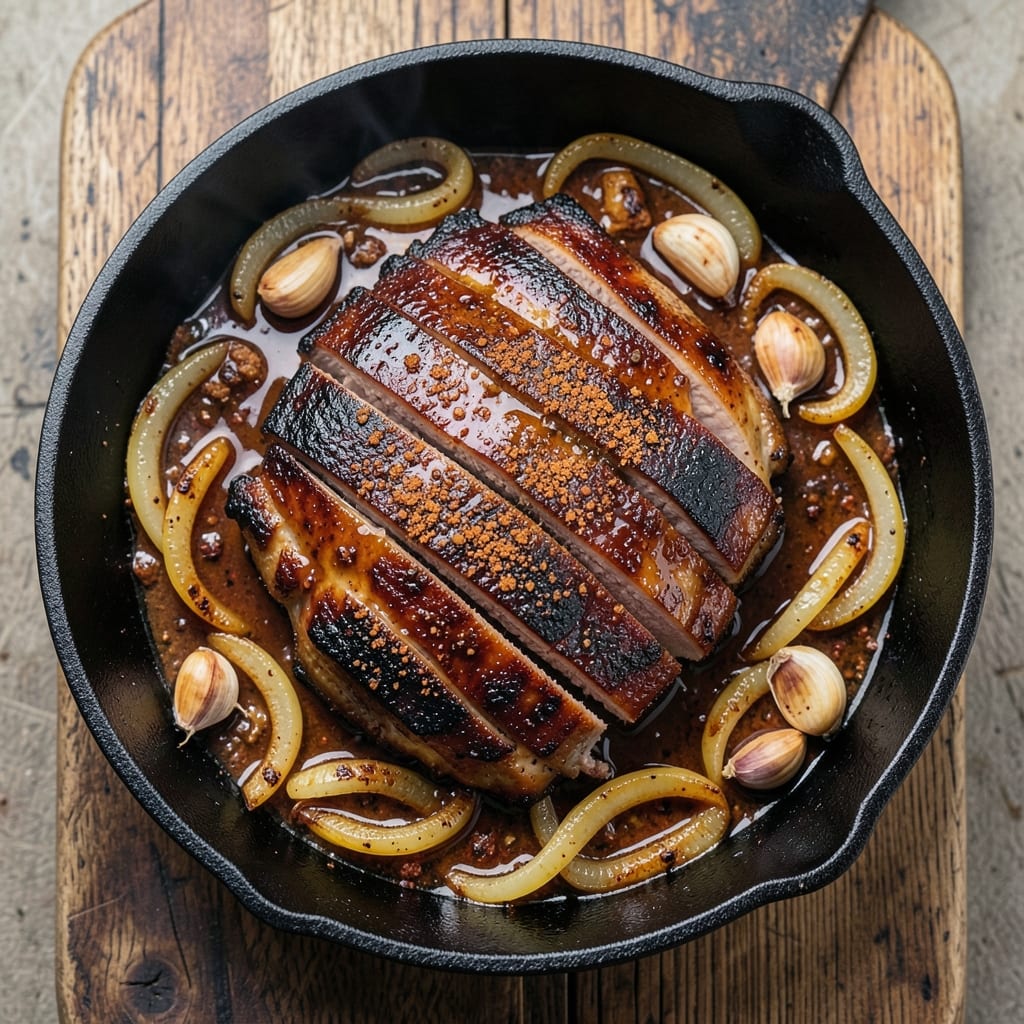
This BBQ pork smoker recipe delivers the kind of smoke-ringed tenderness and crispy bark that makes every bite unforgettable. I've spent years perfecting the balance between low-and-slow cooking and that perfect crust—what separates good smoked pork from extraordinary. The secret lies in the rub, the wood choice, and knowing exactly when to pull it from the smoker.
We're talking about a foolproof method that transforms tough pork shoulder into melt-in-your-mouth perfection with a bark so crisp it shatters between your teeth. No fancy equipment needed—just patience, the right temperature control, and a good dose of hickory or pecan smoke. The marinade works overnight to tenderize while building flavor depth, and the smoking process at 225°F ensures that fall-apart texture without drying out.
What you end up with is a masterpiece that looks stunning on the cutting board—juicy pink centers surrounded by that dark, crackling bark. The aroma alone will have your neighbors asking what you're cooking, and the first slice reveals why smoked pork is worth the wait. This isn't just dinner; it's an experience that turns weeknights into special occasions.
Serve with classic sides like tangy coleslaw and buttery cornbread to complete the meal. The beauty of this recipe is its versatility—whether you're feeding a crowd or meal prepping for the week, the leftovers reheat beautifully. Let's get that smoker fired up and create something legendary.
Ingredients for bbq pork smoker
Six pounds of pork shoulder and a handful of pantry staples transform into legendary smoked pork with crispy bark.
| Ingredient | Amount | Notes |
|---|---|---|
| Pork Shoulder (Boston Butt) 🐖 | 6 lb | Bone-in, well-marbled cut preferred |
| Yellow Onion 🧅 | 1 whole | Large, roughly chopped for marinade |
| Garlic Cloves 🧄 | 8 cloves | Peeled, minced for marinade |
| Apple Cider Vinegar 🍎 | ½ cup | For tangy marinade base |
| Brown Sugar 🍚 | ½ cup | Packed, for marinade sweetness |
| Smoked Paprika 🌶️ | 2 tbsp | For deep smoky flavor |
| Ground Black Pepper 🌶️ | 1 tbsp | Freshly cracked for heat |
| Kosher Salt 🧂 | 1 ½ tbsp | Diamond Crystal preferred |
| Dry Mustard 🌿 | 1 tbsp | For subtle tang |
| Hickory Wood Chips 🌳 | 2 cups | Soaked for 30 minutes |
| Butter 🧈 | ½ cup | Unsalted, softened for bark |
| Yellow Mustard 🌿 | ¼ cup | For final glaze |
| Honey 🍯 | ¼ cup | For sticky glaze |
The pork shoulder is non-negotiable here—bone-in, well-marbled cuts from Costco or local butchers deliver the best texture. Look for good fat coverage; that's what keeps it juicy during the long smoke. For the wood chips, hickory or pecan gives that classic BBQ flavor, but fruitwoods like apple or cherry add sweetness. I always buy mine in bulk from Traeger or local smoke shops—cheaper and fresher than the pre-soaked packets. The butter for the bark? European-style unsalted melts cleaner than American butter, but regular works too if that's what you've got.
No hickory wood? Cherry or apple chips work beautifully for a sweeter profile. Running short on mustard? Hot sauce or Worcestershire adds depth, though the mustard's tang is key. The brown sugar can be swapped for white sugar or maple syrup, but the molasses notes in brown sugar are worth it. For the glaze, if you're avoiding honey, agave or maple syrup works just as well. And if you're prepping ahead, make the marinade up to 3 days early—the flavors meld perfectly overnight.
This pork reheats like a dream—165°F internal temp is your target for serving. Wrap leftovers tightly in foil and store for up to 5 days in the fridge, or freeze for up to 3 months. For serving, I like to slice against the grain into 1/2-inch thick pieces—that's when the magic happens. The bark stays crispy for about 2 days if you keep it wrapped in parchment, but honestly, it's best eaten fresh off the smoker.
Why You'll Love This Recipe
- Foolproof Prep: I swear by this—just rub the pork shoulder with garlic, onion, and brown sugar, then let the smoker do the work. No fancy techniques, no stress.
- Sweet-Smoky Magic: That apple cider vinegar in the rub? It cuts through the fat while caramelizing into a sticky, tangy crust. The kind of flavor that makes you close your eyes and sigh.
- Party in a Pan: One batch feeds a crowd, and the leftovers? Even better cold in sandwiches or reheated for breakfast. My secret weapon for game days and lazy Sundays.
- Budget Boon: Pork shoulder is cheap, but it tastes like a splurge. Between us, this recipe stretches my grocery budget without sacrificing taste—plus, the leftovers last forever.
Step-by-step instructions for BBQ pork smoker recipe
Here's how to transform a tough pork shoulder into melt-in-your-mouth, bark-crusted perfection.
Prepare the Marinade for Deep Flavor
In a large bowl, combine the 0.5 cup apple cider vinegar, 0.5 cup packed brown sugar, 2 tbsp smoked paprika, 1 tbsp ground black pepper, 1.5 tbsp kosher salt, and 1 tbsp dry mustard. This tangy-sweet blend will tenderize the meat while infusing it with layers of flavor. I like to whisk it vigorously for about 30 seconds to fully dissolve the brown sugar and create a smooth marinade.
Next, roughly chop the 1 whole yellow onion and mince the 8 cloves garlic. Add these to the marinade and mix well. The onion will soften and mellow the acidity, while the garlic adds that essential aromatic punch. Let the marinade sit at room temperature for 10 minutes before using—this helps the flavors meld together more effectively.
Apply the Marinade and Prepare for Smoking
Remove the 6 lb pork shoulder (Boston Butt) from the refrigerator and let it sit at room temperature for 1 hour. This ensures even cooking and prevents cold spots in the meat. Pat the pork dry with paper towels—this critical step creates a better bark later. I press down firmly all over, especially in the crevices, to remove any moisture that might interfere with smoke penetration.
Generously coat the pork with the marinade, using about half the mixture on each side. Press the marinade into the meat so it clings well. Then, wrap the pork tightly in plastic wrap and refrigerate for at least 12 hours, or up to 24 hours. This long marinating time is what transforms tough pork into tender, juicy perfection. The acid in the vinegar breaks down muscle fibers, while the sugar and spices create that irresistible bark.
Set Up the Smoker for Perfect Low-and-Slow Cooking
Soak the 2 cups hickory wood chips in water for 30 minutes before using. This prevents them from burning too quickly and creates that classic smoky aroma. Set your smoker to 225°F and add the soaked wood chips. Let it smoke for 15 minutes before adding the pork—this ensures you have a steady stream of clean, blue smoke without thick white vapor.
Place the pork shoulder fat-side up on the smoker grates. The fat will render slowly and baste the meat, adding incredible flavor and moisture. Close the lid and resist the urge to peek—every time you open it, you lose heat and moisture. Smoke the pork for 6 hours, or until the internal temperature reaches 165°F. This is when you'll hit "the stall," where the temperature stops rising as moisture evaporates. Don't worry; this is completely normal and part of the process.
Wrap and Finish for Maximum Tenderness
When the pork reaches 165°F, it's time for the "Texas crutch." Remove the pork from the smoker and wrap it tightly in butcher paper (not foil—paper breathes better and preserves that precious bark). Return it to the smoker and continue cooking until the internal temperature reaches 203°F. This usually takes another 4-6 hours, but the key is to monitor the probe test—when it slides in like butter with no resistance, you're ready.
Once probe-tender, remove the pork from the smoker and let it rest for 1 hour before slicing. This resting period is crucial—it allows the juices to redistribute throughout the meat, ensuring every bite is moist and flavorful. During this time, prepare your serving setup: slice the pork against the grain into ¼-inch thick slices for maximum tenderness.
Create the Sticky Glaze and Serve
In a small saucepan, combine the 0.5 cup softened butter, 0.25 cup yellow mustard, and 0.25 cup honey. Heat over medium-low heat for 5-7 minutes, stirring constantly until the mixture is smooth and slightly thickened. This glaze adds a sweet-tangy contrast to the smoky pork and creates that signature sticky finish.
Brush the glaze generously over each slice of pork before serving. The heat from the glaze will make it slightly runny, creating pools of flavor on your plate. Serve immediately with classic BBQ sides like coleslaw, baked beans, or cornbread. The result? A perfect balance of crispy bark, tender meat, and that irresistible sticky glaze that makes every bite unforgettable.
Pro Tips For Making Bbq Pork Smoker
- Trim the Fat Cap: Scrape off that thick layer of fat on the Boston butt before smoking—it’s not doing you any favors. I learned this the hard way when my first batch rendered grease like a fire hazard instead of crispy bark. Aim for a ¼-inch layer max; it’ll brown better and keep the meat juicier. ---
- Slice Onions Thin: Caramelizing onions for the rub? Don’t be lazy—slice them paper-thin. Thick chunks turn mushy and watery, ruining your sauce base. A sharp knife and a steady hand make all the difference, and you’ll thank yourself when the vinegar and brown sugar cling to them perfectly. ---
- Wrap at 165°F: The moment your probe hits 165°F, wrap that pork in butcher paper or foil—no waiting. I used to drag it out at 170°F, and the bark turned soggy. At 165°, the meat’s safe to eat but still holds its crust, and you’ve got room to pull it when it’s tender enough to shred with a fork. ---
- Use Raw Vinegar: Skip the pre-cooked vinegar—raw apple cider vinegar adds depth the cooked stuff can’t match. I was skeptical until I tried it; the tang cuts through the sweetness of the brown sugar and balances the smoky pork like nothing else. Just reduce it properly, or you’ll end up with a runny glaze.
Creative variations of bbq pork smoker
Carolina-Style Vinegar Sauce
Swap the glaze for a classic Carolina vinegar sauce by simmering 1 cup apple cider vinegar, ½ cup ketchup, 2 tbsp brown sugar, 1 tbsp hot sauce, and 1 tsp black pepper for 10 minutes. Brush this tangy sauce over slices just before serving—it cuts through the fat beautifully. I learned this from my granddaddy's old recipe book, and it's a crowd-pleaser at any BBQ spread. 💛
Spicy Coffee Rub
For a bold twist, replace the marinade with a coffee-spiced rub. Mix 2 tbsp ground coffee, 1 tbsp smoked paprika, 1 tbsp brown sugar, 1 tsp cayenne, and ½ tsp cinnamon. Pat this onto the pork after marinating, then smoke as directed. The coffee deepens the flavor while the cayenne adds heat that lingers. I discovered this combo during a late-night forage trip when I stumbled upon wild coffee cherries—now it's my go-to for spicy pork. 🌶️
Honey-Glazed Ham Hock
Boost the marinade by adding 1 ham hock to the marinade mixture while it chills overnight. The hock infuses the liquid with rich, salty depth that transforms into a silky sauce when reduced. After smoking, shred the pork and mix it with the reduced ham hock marinade for a pulled pork variation. Serve on toasted brioche buns with pickled onions for a Southern-inspired feast. This trick comes from my coastal foraging days when I'd find wild onions to pickle fresh. ✨
Fruitwood Fusion
Experiment with fruitwood blends for a sweeter profile. Soak 1 cup apple chips and 1 cup cherry chips together for the smoke. The fruity notes pair perfectly with the pork's natural sweetness. I first tried this after a motorcycle ride through orchards, and it became an instant favorite. The bark develops a caramelized hue that's as beautiful as it is delicious. 🍎🌳
Breakfast Pork
Turn leftover smoked pork into a breakfast sensation by slicing it thin and serving it on buttermilk biscuits with scrambled eggs and sautéed hash browns. The smoky flavor complements the richness of breakfast perfectly. For extra indulgence, drizzle with maple syrup and crumbled bacon. This idea came from a lazy Sunday morning after a long smoke session—now it's a weekend staple. 🍳
Asian-Inspired Glaze
Swap the mustard-honey glaze for a ginger-soy glaze made with ¼ cup soy sauce, 2 tbsp honey, 1 tbsp grated ginger, and 1 clove minced garlic. Simmer for 5 minutes until thickened, then brush over slices. The umami from the soy sauce elevates the smoky pork to new heights. I picked up this fusion idea from a coastal market where I met a Vietnamese chef—now it's my go-to for a global twist. 🌟
Nutrition facts
Frequently asked questions
What's the secret to getting that perfect crispy bark on smoked pork?
The magic happens with a combination of dry meat and the right wood. Pat your pork shoulder very dry before applying the rub—this creates surface area for the bark to form. Use hickory or pecan wood chips for classic flavor, and maintain a steady 225°F temperature. The bark develops best when the pork reaches 165°F before wrapping, so don't rush this stage!
How do I know when my pork is done without overcooking it?
Use a meat thermometer and probe the thickest part of the shoulder. It's done at 203°F internal temperature—when the probe slides in like butter with no resistance, you've hit the "probe test" sweet spot. The Texas crutch (wrapping in butcher paper) helps maintain moisture while reaching this perfect tenderness.
Can I use a different cut of pork for this recipe?
While pork shoulder (Boston Butt) is ideal for its fat content and flavor, you can use pork butt (they're essentially the same cut) or even pork loin for a leaner option. Just reduce smoking time by 1-2 hours since loin cooks faster. Never use tenderloin—it's too lean and will dry out. The key is finding a cut with good marbling for juiciness.
What's the best way to reheat leftover smoked pork?
Slice your leftovers and reheat in a 350°F oven for 10-15 minutes until warmed through. For sandwiches, warm slices in a skillet over medium heat for 2-3 minutes per side to restore that crispy bark. Never microwave—it turns the meat rubbery. Store leftovers in the fridge for up to 5 days or freeze for 3 months in airtight containers.
Why did my pork turn out dry even though I followed the recipe?
This usually happens from one of three things: overcooking (pull it at 203°F, not higher), not wrapping during the stall, or using lean cuts. The Texas crutch (butcher paper wrap) is crucial—it traps steam while allowing bark to develop. Also, make sure your smoker maintains 225°F consistently. If you're still having issues, try brining the pork for 4 hours before smoking.