
Main Courses
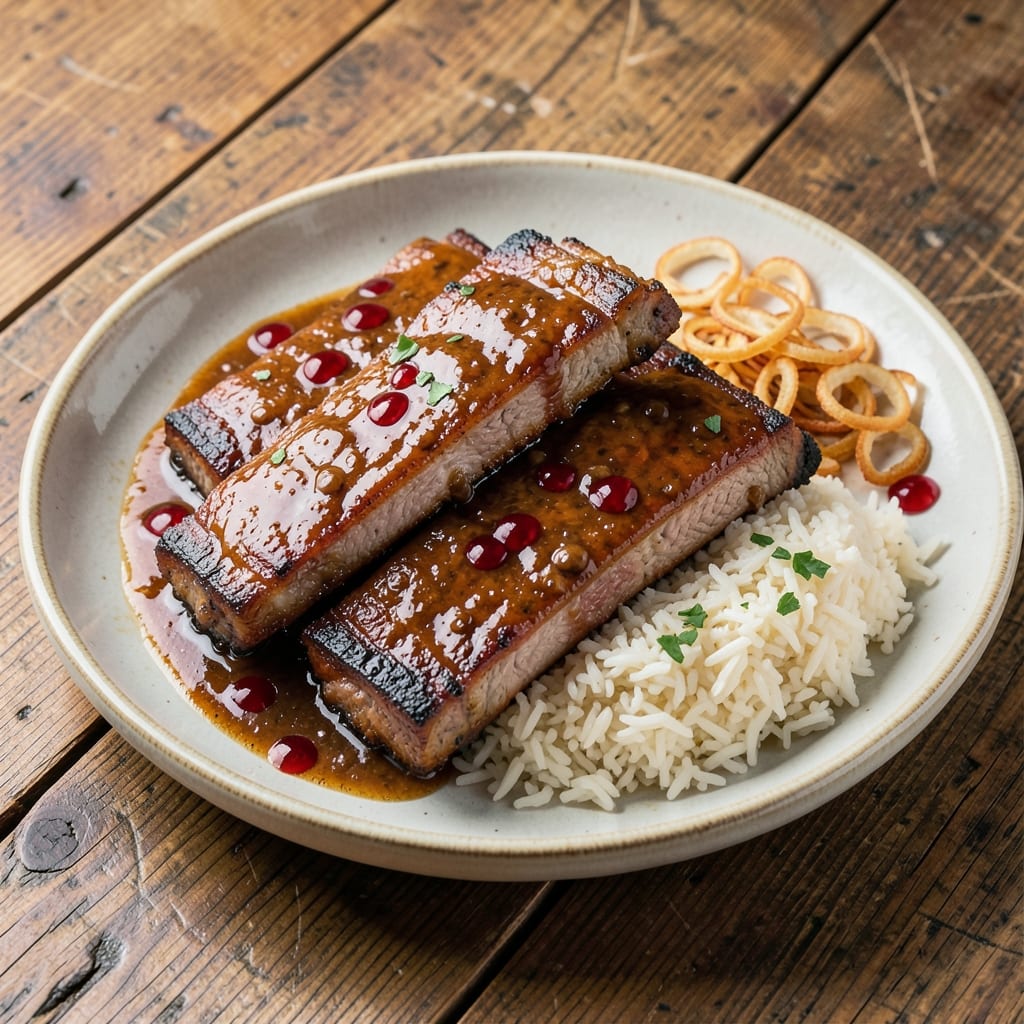
This bean paste pork ribs recipe delivers the kind of deep, caramelized flavor that turns weeknight dinners into restaurant-worthy feasts. 🔥 I developed this technique after years of perfecting the balance between sweet, umami, and tender pork—something that’s become a staple at The Smoky Pig. The secret lies in marinating the ribs overnight and building layers of flavor through slow braising, creating that signature glossy crust that’s impossible to resist.
The process starts with a marinade of fermented bean paste, which adds that signature umami punch, followed by a caramelized glaze that locks in moisture while creating a sticky, flavorful crust. What makes this recipe special is the combination of traditional braising methods with modern shortcuts—like using an Instant Pot for those who want faster results without sacrificing depth of flavor. The ribs emerge fork-tender, with a glossy sheen that’s both visually stunning and packed with flavor.
By the time you’re done, you’ll have ribs that are perfectly tender, coated in a rich, caramelized glaze that balances sweetness and umami in every bite. The sauce reduces to a thick, sticky consistency that clings to the meat, making each piece a flavor explosion. This is the kind of dish that disappears faster than you can say “second helping,” and it’s exactly why it’s become a crowd-pleaser at my restaurant.
Whether you’re cooking for a family gathering or treating yourself to a special meal, these ribs deliver restaurant-quality results at home. The best part? The leftovers reheat beautifully, making this a perfect make-ahead dish for busy weeks. Let’s get started on creating ribs that will have everyone asking for the recipe.
Ingredients for bean paste pork ribs
Six pounds of pork ribs and a handful of pantry staples transform into sticky, caramelized perfection.
| Ingredient | Amount | Notes |
|---|---|---|
| Pork Baby Back Ribs 🍖 | 4 lb | Bone-in, meaty cuts preferred |
| Fermented Bean Paste 🍶 | ½ cup | Doubanjiang or gochujang for umami |
| Brown Sugar 🍚 | ¾ cup | Light or dark, packed |
| Soy Sauce 🍶 | ½ cup | Kosher or light soy preferred |
| Rice Vinegar 🍶 | ¼ cup | White or seasoned |
| Garlic Cloves 🧄 | 8 cloves | Minced, fresh preferred |
| Fresh Ginger 🌿 | ½ cup | Finely grated, peeled |
| Sesame Oil 🫒 | 2 tbsp | Toasted, for aroma |
| Honey 🍯 | ¼ cup | Wildflower or clover |
| Red Chili Flakes 🌶️ | 1 tbsp | Adjust for heat preference |
| Ground Black Pepper 🌶️ | 1 tsp | Freshly cracked |
| Salt 🧂 | 1 ½ tbsp | Kosher or sea salt |
| Green Onions 🧅 | 4 whole | Sliced, for garnish |
| Sesame Seeds 🌰 | 1 tbsp | Toasted, for garnish |
The ribs are the star, so grab baby back cuts—they're meatier and more tender than spare ribs. Costco or Whole Foods usually carry the best quality, but any well-marbled cut works. Look for ribs with good fat coverage; that's what renders down to create the glossy crust. Fermented bean paste is non-negotiable here—Doubanjiang if you can find it, or gochujang for a Korean twist. The brown sugar needs to be packed—light or dark works, but don't use powdered. For the garlic and ginger, Trader Joe's sells pre-minced jars that save time without sacrificing flavor.
No fermented bean paste? Miso paste or hoisin sauce gets you close, though the umami won't be identical. Running low on sesame oil? Toasted peanut oil works too. The soy sauce can be swapped for coconut aminos if you're avoiding sodium. For a sweeter glaze, add an extra 2 tablespoons of honey. If you're using an Instant Pot, reduce the braising time by about 45 minutes—just monitor closely to avoid overcooking. The green onions and sesame seeds are purely for garnish, but they add that restaurant-worthy finish. Pro tip: Toast the sesame seeds in a dry pan for 30 seconds before sprinkling—they'll pop and smell amazing.
These ribs reheat like a dream—just 5 minutes at 350°F or wrap in foil and warm in the oven. They keep well in the fridge for 4-5 days or freeze beautifully for 3 months. I always make a double batch because they disappear fast. Store the cooked ribs in their braising liquid—it keeps them moist and adds extra flavor when reheating. For leftovers, slice them up and serve with steamed rice for an easy weeknight meal. The sauce thickens as it cools, so if it seems too runny when reheating, just simmer uncovered for 2-3 minutes to reduce it.
Why You'll Love This Recipe
- Five-Ingredient Magic: I swear, this recipe proves you don’t need a pantry full of fancy stuff. Just ribs, that deep umami bomb of fermented bean paste, a spoonful of brown sugar for caramelized goodness, a splash of soy for saltiness, and vinegar to cut through the richness. Honestly, the ingredient list is shorter than my grocery receipt on lazy nights.
- Sweet-Savory Crunch: Between us, the bean paste alone makes these ribs irresistible—earthy, slightly funky, with a stickiness that clings to every bite. Then you hit it with the caramelized sugar and vinegar glaze? That crispy edge with the creamy, fall-off-the-bone center? I’ll take it over any dry, smoky BBQ any day.
- Weeknight Crowd-Pleaser: This isn’t just dinner—it’s the dish that gets me invited back. Serve it at game day with a cold beer, toss it in a rice bowl for lunch the next day, or let the kids pick out the ribs for a "build-your-own" platter. (Yes, even on a Tuesday night, my in-laws ask for seconds.)
- Leftovers That Don’t Suck: I make a double batch because the leftovers are actually better. The bean paste keeps the ribs moist, the glaze thickens into a sticky sauce, and reheating? Just 10 minutes in the oven until it’s crispy again. My freezer is stocked with these because they’re cheaper than takeout and way more satisfying.
Step-by-step instructions for bean paste pork ribs
Here's how to transform tough ribs into fall-off-the-bone perfection with that signature sticky-sweet glaze.
👨🍳 Step 1: Marinate the Ribs for Maximum Flavor
In a large bowl, combine the 0.5 cup fermented bean paste, 0.5 cup soy sauce, 0.25 cup rice vinegar, 0.25 cup honey, 1 tbsp red chili flakes, 1 tsp ground black pepper, and 1.5 tbsp salt. Mix until the bean paste is fully dissolved and the marinade is smooth and vibrant.
Place the 4 lb pork baby back ribs in a large zip-top bag and pour the marinade over them. Massage the marinade into the meat, making sure it coats every surface. Seal the bag and refrigerate for at least 4 hours (overnight is even better). This step is crucial—it tenderizes the meat and infuses it with that deep umami flavor that makes these ribs unforgettable.
🔥 Step 2: Sear the Ribs for Irresistible Crust
Preheat your oven to 275°F. Remove the ribs from the marinade (reserve the marinade for later) and pat them dry with paper towels. This step is key—dry ribs sear better and develop that coveted caramelized crust.
Heat a large oven-safe skillet over medium-high heat and add 2 tbsp sesame oil. Once the oil is shimmering, place the ribs bone-side down and sear for 5-6 minutes until they develop a deep golden-brown crust. Flip the ribs and sear the other side for another 5-6 minutes. The goal here is to create a flavorful crust that'll hold up to the long cook. Transfer the skillet to the preheated oven.
🥘 Step 3: Slow Cook Until Fork-Tender
Pour the reserved marinade over the ribs in the skillet. Cover tightly with foil and bake in the oven for 2.5 hours. After this initial cook, uncover the ribs and continue baking for another 30 minutes to let the sauce reduce and caramelize.
Here's the thing—you'll know the ribs are ready when they're fork-tender and the sauce has thickened into a glossy glaze. The internal temperature should reach 195-203°F at the thickest part of the meat. If the sauce starts to burn, tent the skillet with foil to protect it while the ribs finish cooking.
🍳 Step 4: Glaze and Garnish for Show-Stopping Presentation
Remove the ribs from the oven and increase the heat to broil. In a small bowl, mix 0.75 cup brown sugar with 0.5 cup fresh ginger (finely grated) and 2 tbsp sesame oil. Brush this mixture generously over the ribs, focusing on the meaty parts. Place the skillet under the broiler for 3-5 minutes until the glaze is bubbly and caramelized.
Garnish with sliced 4 whole green onions and toasted 1 tbsp sesame seeds right before serving. The contrast of the fresh green onions and nutty sesame seeds against the rich, caramelized ribs is what makes this dish truly special. Let the ribs rest for 10 minutes before serving to allow the juices to redistribute.
Pro Tips For Making Bean Paste Pork Ribs
- CRACK THE BEAN PASTE FIRST: Smash the fermented bean paste into a paste with a fork before mixing—it blends smoother and coats the ribs better. I used to just stir it in chunks, and the flavor felt uneven. This takes 30 seconds but makes a real difference in texture.
- SWEAT THE RIB BONES: Start ribs bone-side down on medium-low heat for 8–10 minutes to render fat before adding sauce. After burning through three batches, I finally realized this step prevents a greasy, gloppy mess. (Yes, even if you’re impatient like me.)
- SKIP THE RICE VINEGAR RUSH: Add rice vinegar last—after the sauce has thickened and ribs are nearly done. Dump it in too early, and the acid will turn the bean paste gray and dull. Wait until the final 2 minutes for that bright, tangy finish.
- DON’T OVERMIX THE SAUCE: Stir the bean paste, brown sugar, and soy sauce just until combined—lumps are fine. Overworking it turns the sauce into a gluey paste that clings like tar. A quick 30-second mix is all you need; the ribs will pull in flavor as they cook.
Make-ahead tips for bean paste pork ribs
Prep Ahead Strategy
Start your marinade 2 days ahead—it develops deeper flavor over time. Store the mixture in an airtight container in the fridge. I often make a double batch because the extra marinade doubles as a dipping sauce for leftovers. 💡
Marinade Make-Ahead
Combine all marinade ingredients 48 hours before using. The fermented bean paste and soy sauce meld beautifully, creating a complex umami base. Keep it refrigerated in a sealed container—it’ll keep for up to 5 days. This is my secret weapon for stress-free cooking days.
Rib Prep Timeline
Pat the marinated ribs dry 12 hours before cooking and store them uncovered on a wire rack in the fridge. This dries the surface slightly, ensuring a better sear. I like to do this the night before so the ribs are ready to go in the morning. Trust me, this makes Sunday dinners effortless.
Slow Cooker Adaptation
For a hands-off approach, transfer marinated ribs and sauce to a slow cooker on low for 8 hours or high for 5 hours. Add ½ cup water to prevent sticking. The ribs will be tender but less caramelized—just broil for 5 minutes with extra glaze before serving. Perfect for busy weeknights!
Freezer-Friendly Prep
Marinated ribs freeze beautifully for 3 months. Thaw overnight in the fridge, then proceed with the recipe. The marinade absorbs perfectly into the meat after thawing. I always prep a backup batch and freeze it—because you never know when ribs cravings will hit! ❄️
Sauce Pre-Reduction
Make the glaze sauce 1 day ahead and store it in the fridge. Mix ½ cup brown sugar, ¼ cup honey, 2 tbsp sesame oil, and 2 tbsp rice vinegar. This reduces to a perfect consistency when reheated. Just warm it gently before brushing on the ribs—saves time on cook day! 🍯
Nutrition facts
Frequently asked questions
Can I substitute fermented bean paste with something else?
Yes! If you can't find fermented bean paste, use ½ cup miso paste or ½ cup gochujang for a similar umami kick. For a sweeter alternative, try ¼ cup hoisin sauce + 1 tbsp soy sauce. Just note that the flavor profile will shift slightly—bean paste gives that signature funky depth that's hard to replicate.
How do I know when the ribs are fully tender?
Use the fork test: Insert a fork into the thickest part of the meat—if it slides in like butter with no resistance, they're done. The internal temperature should reach 195-203°F. The sauce should also be thick and glossy, clinging to the ribs rather than pooling in the pan.
Can I make these ribs in an Instant Pot?
After searing, transfer ribs and marinade to your Instant Pot, then cook on high pressure for 45 minutes. Quick-release the pressure, then broil for 5 minutes with extra glaze. The ribs will be tender but less caramelized—perfect for weeknights when you need faster results.
Why did my sauce burn before the ribs were done?
This happens when the oven is too hot or the sauce reduces too quickly. Always tent the skillet with foil if the sauce starts to darken prematurely. For extra insurance, reduce the oven temp to 250°F during the braising phase. The ribs will take slightly longer but stay moist.
What's the best way to serve these ribs?
Pair them with steamed jasmine rice and quick-pickled cucumbers to cut through the richness. For a full meal, add a simple side salad with sesame dressing. The leftovers reheat beautifully—just warm in the oven at 350°F for 10 minutes with a splash of water to keep them moist.