
Main Courses
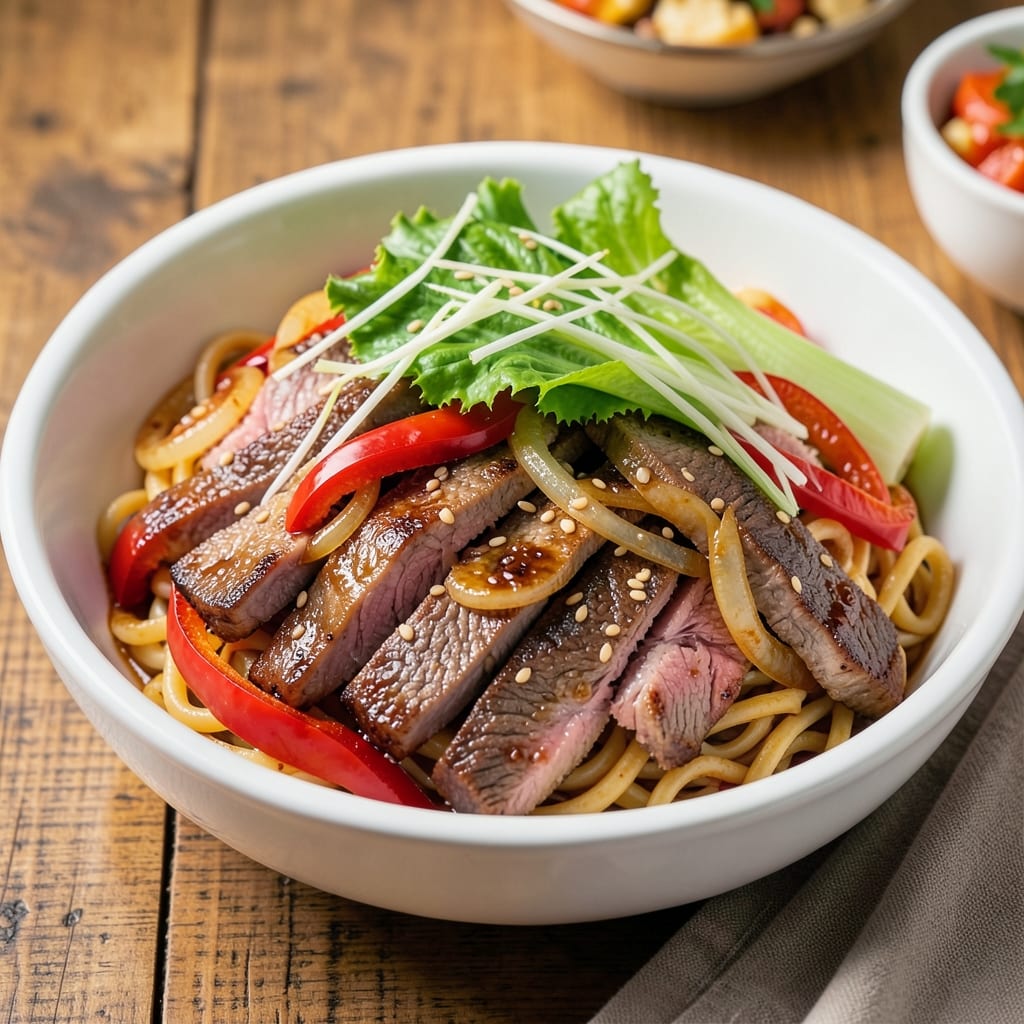
This beef and pork chop suey delivers the perfect balance of wok-seared crispy edges and silky noodles that make every bite irresistible. 🔥 The secret lies in high-heat stir-frying that transforms tender proteins into golden, caramelized perfection while keeping the noodles tender. I've perfected this recipe after years of testing in professional kitchens, where the right protein ratios and sauce technique make all the difference.
The foundation starts with properly prepped beef and pork—thinly sliced and marinated just enough to enhance flavor without overpowering the dish. Fresh vegetables like bell peppers, onions, and bok choy add vibrant color and texture, while a homemade soy-ginger sauce ties everything together with its signature umami depth. This isn't your average takeout version; it's restaurant-quality that you can recreate at home with the right technique.
What sets this chop suey apart is the crispy contrast between the wok-seared proteins and the silky noodles, all coated in a glossy sauce that clings perfectly. The aroma alone will have everyone gathering around the table, and the first bite delivers that satisfying combination of textures and flavors that makes it a crowd-pleaser. Whether you're serving it for a family dinner or a casual gathering, this recipe delivers every time.
Ready in under 30 minutes with minimal prep, this chop suey proves that homemade Chinese cuisine can be both impressive and approachable. The key is proper timing and heat control—master these, and you'll have a dish that rivals any restaurant version. Let's get cooking!
Ingredients for beef and pork chop suey
Restaurant-quality ingredients for crispy wok-seared proteins and silky noodles that transform takeout into a gourmet meal.
| Ingredient | Amount | Notes |
|---|---|---|
| Flank Steak 🥩 | 1 lb | Thinly sliced against grain |
| Pork Tenderloin 🐖 | 1 lb | Thinly sliced, boneless |
| Egg Noodles 🍜 | 8 oz | Fresh or dried, wide variety |
| Red Bell Pepper 🌶️ | 1 whole | Thinly sliced, seeds removed |
| Yellow Onion 🧅 | 1 whole | Thinly sliced, white part only |
| Bok Choy 🥬 | 2 whole | Baby variety, chopped |
| Fresh Garlic 🧄 | 6 cloves | Minced, aromatic |
| Fresh Ginger 🌿 | 2 tbsp | Finely grated, aromatic |
| Soy Sauce 🥢 | ½ cup | High-quality, light variety |
| Oyster Sauce 🍜 | 2 tbsp | Culinary-grade, thick consistency |
| Sesame Oil 🫒 | 1 tbsp | Toasted, for aroma |
| Cornstarch 🌾 | 1 tbsp | For sauce thickening |
| Vegetable Oil 🫒 | ½ cup | High smoke point |
| Diamond Crystal Kosher Salt 🧂 | 1 tsp | For seasoning |
| Ground Black Pepper 🌶️ | ½ tsp | Freshly ground |
The proteins are non-negotiable for that signature crispy texture. Flank steak and pork tenderloin are ideal—their lean cuts slice thinly for maximum surface area to sear. Look for USDA Choice or Prime cuts at Whole Foods or your local butcher. If pre-sliced isn't available, invest in a sharp knife and slice against the grain for tenderness. The noodles? Fresh egg noodles hold up better to stir-frying than dried, but high-quality dried (like Martini) work too. Bok choy should be vibrant green with crisp stems—avoid wilted heads. For the ginger, organic from the produce section has more punch than the pre-peeled jars.
No fresh ginger? Powdered ginger at one-third the amount works in a pinch, though fresh is ideal. Substituting pork? Chicken thighs hold up better than breasts to high heat. The soy sauce matters—Kikkoman or Pearl River Bridge are reliable, but avoid reduced-sodium versions. For a deeper umami kick, add 1 tsp fish sauce (ensure it's gluten-free if needed). The sesame oil should be toasted, not flavored—the aroma is what you're after here. If cornstarch is unavailable, arrowroot powder works equally well. For the bell peppers, red or yellow add sweetness, while green brings a sharper bite—mix it up based on preference.
Prep the proteins first—they need time to marinate while you prep veggies. Store any unused fresh ginger in a sealed container in the fridge for up to 2 weeks, or freeze grated ginger in ice cube trays for convenience. The sauce keeps for 5 days in the fridge, so make extra for stir-fries later. For leftovers, refrigerate within 2 hours and reheat in a wok or skillet over medium heat to maintain texture. This dish reheats beautifully—even better the next day as flavors meld. Portion into airtight containers for easy lunches.
Why You'll Love This Recipe
- One-Pan Magic: I swear by this recipe because it’s one pan, one mess—just slice the flank steak and pork tenderloin thin, toss them in with the onions and bell peppers, and let the wok do the work. No chopping boards, no extra pots, and honestly? My kitchen stays cleaner than when I try fancy recipes.
- Umami Bomb: That combo of beef and pork? Chef’s kiss. The flank steak adds deep savory richness while the pork tenderloin keeps it tender, and the egg noodles soak up every bit of the caramelized onion and bell pepper goodness. It’s the kind of dish where the first bite makes you go, "Wait, why don’t I make this more often?"
- Lunchbox Hero: Between us, this is my go-to for meal prep—packs perfectly, reheats like a dream, and even my picky-eating coworker asks for seconds. Toss leftover noodles with a little soy sauce and sesame oil, and boom: instant office favorite. (Yes, even on a Tuesday night.)
- Budget Flex: Flank steak and pork tenderloin stretch way further than you’d think when sliced thin, and egg noodles? Cheap as chips. I’ve fed four people for under $15, and the leftovers? Still crave-worthy two days later. Not the prettiest, but the taste makes up for it—every time.
Step-by-step instructions for beef and pork chop suey
Master the wok technique for restaurant-quality crispy edges and tender proteins.
🔥 Step 1: Prep and Marinate the Proteins
Slice the 1 lb flank steak and 1 lb pork tenderloin against the grain into ¼-inch thick strips. Place both in a large bowl and add 1 tbsp soy sauce, 1 tbsp oyster sauce, and 1 tbsp sesame oil. Toss gently to coat evenly. Let marinate for 15 minutes—this ensures tender meat with maximum flavor penetration.
While marinating, thinly slice the red bell pepper and yellow onion into ¼-inch strips. Chop the 2 whole bok choy into 1-inch pieces and set aside. Mince the 6 cloves fresh garlic and grate the 2 tbsp fresh ginger—these aromatics will form the flavor base. Keep all prepped ingredients separate until ready to cook.
🍳 Step 2: Cook the Noodles Al Dente
Boil 8 oz egg noodles in salted water until 2 minutes shy of package directions for al dente texture. Drain and immediately rinse under cold water to stop cooking. Toss with 1 tsp vegetable oil to prevent sticking—this step is critical for maintaining texture when combining with the stir-fry.
While noodles cook, prepare your wok or large skillet. Heat 0.5 cup vegetable oil over high heat until shimmering—you want the oil hot enough to create a wok hei (smoky flavor) but not smoking. This high heat is what creates those signature crispy edges we're after.
🔥 Step 3: Wok-Sear the Proteins
Working in batches to avoid crowding, add the marinated proteins to the hot wok. Stir-fry for 2-3 minutes until edges turn deep golden brown and the meat is 80% cooked. Remove and set aside—this two-stage cooking method ensures perfect doneness while maintaining crispy edges. If the oil isn't hot enough, the meat will steam instead of sear.
In the same wok, add ¼ cup vegetable oil and stir-fry the onion, bell pepper, and bok choy for 3-4 minutes until brightly colored and just tender. Add the garlic and ginger, cooking for 30 seconds until fragrant. This quick cooking preserves the vegetables' vibrant colors and crisp texture.
🥘 Step 4: Build the Sauce and Combine
Push vegetables to one side of the wok. In the cleared space, add 2 tbsp cornstarch to create a slurry. Pour in 0.25 cup soy sauce and 1 tbsp oyster sauce, stirring vigorously for 1-2 minutes until the sauce thickens to a glossy consistency. This should coat the back of a spoon—if it's too thick, add 1-2 tablespoons hot water to loosen.
Return the proteins and vegetables to the wok. Add the cooked noodles and toss everything together for 1-2 minutes until everything is evenly coated and heated through. The residual heat from the wok will finish cooking the proteins while keeping the noodles silky. Taste and adjust seasoning with additional soy sauce or salt if needed.
🍽️ Step 5: Serve Immediately with Crispy Edges
Transfer the chop suey to serving plates, ensuring each portion has an even distribution of proteins, vegetables, and noodles. Garnish with extra sesame oil and black pepper for aroma and visual appeal. Serve immediately while the edges remain crispy and the noodles maintain their al dente bite.
The key to perfect chop suey is timing—everything must be cooked in quick succession to maintain texture. The proteins should be tender but still hold their shape, the vegetables crisp-tender, and the noodles al dente. Each bite should deliver that perfect contrast of crispy edges and silky noodles with rich, savory flavors.
Pro Tips For Making Beef And Pork Chop Suey
- Slice Thin, Cook Fast: Flank steak and pork tenderloin are tough when overcooked, so slice them paper-thin against the grain before stir-frying. High heat for 2-3 minutes max—any longer and you’ll end up with chewy meat instead of tender, bite-sized pieces.
- Char the Onions First: Skip the soft, pale onions—your chop suey needs deep flavor. Sear the yellow onion in oil until the edges blacken slightly (about 4-5 minutes), then chop. That caramelized bitterness cuts through the richness of the beef and pork.
- Don’t Overcrowd the Pan: I learned this the hard way—dumping all the meat and veggies in at once just steams them. Work in batches: cook half the meat, remove it, then stir-fry the rest before tossing everything together. Crowding = soggy noodles and dull flavors.
- Upgrade with a Quick Sauce Hack: Instead of store-bought soy sauce, mix 2 tablespoons dark soy sauce with 1 tablespoon light soy, 1 teaspoon oyster sauce, and a pinch of sugar. The dark soy adds color, while the oyster sauce gives that classic umami punch—way better than bottled shortcuts.
Wine and beer pairings for this beef and pork chop suey
Asian-Inspired Wines
For chop suey's bold umami flavors, I recommend Japanese sake—specifically a dry, fruity Junmai Ginjo like Dassai 23. Its clean finish cuts through the richness while complementing the soy-ginger sauce beautifully. The subtle sweetness enhances the caramelized edges of the beef and pork without overpowering. Serve slightly chilled (45-50°F) to highlight its delicate floral notes. 🍶
Crisp White Beers
A crisp German Helles Lager like Weihenstephaner Original provides refreshing contrast to the dish's savory depth. The malt-forward profile balances the soy sauce's saltiness, while its effervescence cleanses the palate between bites. For a local option, try Atlanta's Sweetwater 420—its citrusy hop character pairs surprisingly well with the ginger's warmth. Serve at 40-45°F for optimal refreshment.
Bold Red Options
If you prefer red, a Pinot Noir from Oregon's Willamette Valley delivers elegant acidity that mirrors the dish's brightness. I love Domaine Serene's Chehalem Mountains—its red fruit notes harmonize with the caramelized proteins while the earthy tannins complement the bok choy. Decant for 30 minutes to soften any initial astringency, then serve at 60-62°F.
Non-Alcoholic Pairings
For a refreshing non-alcoholic option, try San Pellegrino Aranciata, a blood orange soda with citrusy brightness that mirrors the ginger's zing. The slight bitterness in the peel enhances the dish's umami without competing. For a more substantial alternative, serve jasmine iced tea with a splash of lemon juice—the floral notes complement the sesame oil aroma beautifully. Both options should be served ice-cold for maximum refreshment. 💧
Regional Adaptations
In the Southeast, where I grew up, we often paired chop suey with sweet tea—the natural sweetness balances the soy sauce's saltiness perfectly. For a modern twist, try a ginger beer cocktail with vodka or gin, muddled fresh ginger, and a splash of lime. The effervescence mirrors the wok's smoky aroma while the ginger echoes the dish's key flavor. Serve over large ice cubes to maintain chill.
Nutrition facts
Frequently asked questions
Why does this recipe use both beef and pork?
This combination delivers the best texture and flavor profile! The pork tenderloin provides a delicate, slightly sweet taste that complements the beef's richer, deeper flavor. The different fat contents create that signature crispy edge when seared properly—pork gives a tender bite while beef adds hearty substance. It's a classic pairing in Chinese-American cuisine that balances umami and sweetness perfectly.
Can I substitute chicken for the beef and pork?
Yes, but with adjustments! Chicken thighs work better than breasts because they're more forgiving with high heat. Use 1.5 lbs boneless thighs sliced against the grain, and increase marinating time to 20 minutes to prevent drying. For crispy edges, pat them very dry before cooking. The flavor will be lighter than beef/pork, so add 1 tsp fish sauce to the marinade for extra umami depth.
How do I get the noodles perfectly al dente?
The secret is cooking them 2 minutes less than package instructions, then rinsing immediately in cold water. This stops the cooking process while keeping them silky. Toss with 1 tsp vegetable oil right after draining to prevent sticking. For extra insurance, store cooked noodles in an airtight container with a damp paper towel until ready to stir-fry—this maintains moisture without making them soggy.
What's the best way to reheat leftovers?
Reheat in a wok or skillet over medium-high heat for 2-3 minutes with 1 tbsp water to restore moisture. Never microwave—it turns the proteins rubbery. For best results, add ½ tsp sesame oil and toss vigorously to revive those crispy edges. The noodles will soften slightly but remain tender. Portion into airtight containers with parchment paper between layers to prevent sticking.
Can I make this gluten-free?
Use tamari or coconut aminos instead of soy sauce, and ensure your oyster sauce is gluten-free. For thickening, substitute cornstarch with arrowroot powder (use equal amounts). Check your noodles—many egg noodles contain gluten, so opt for rice noodles or certified gluten-free egg noodles. The flavor will be just as rich, with slightly different texture from the alternative ingredients.