
Main Courses
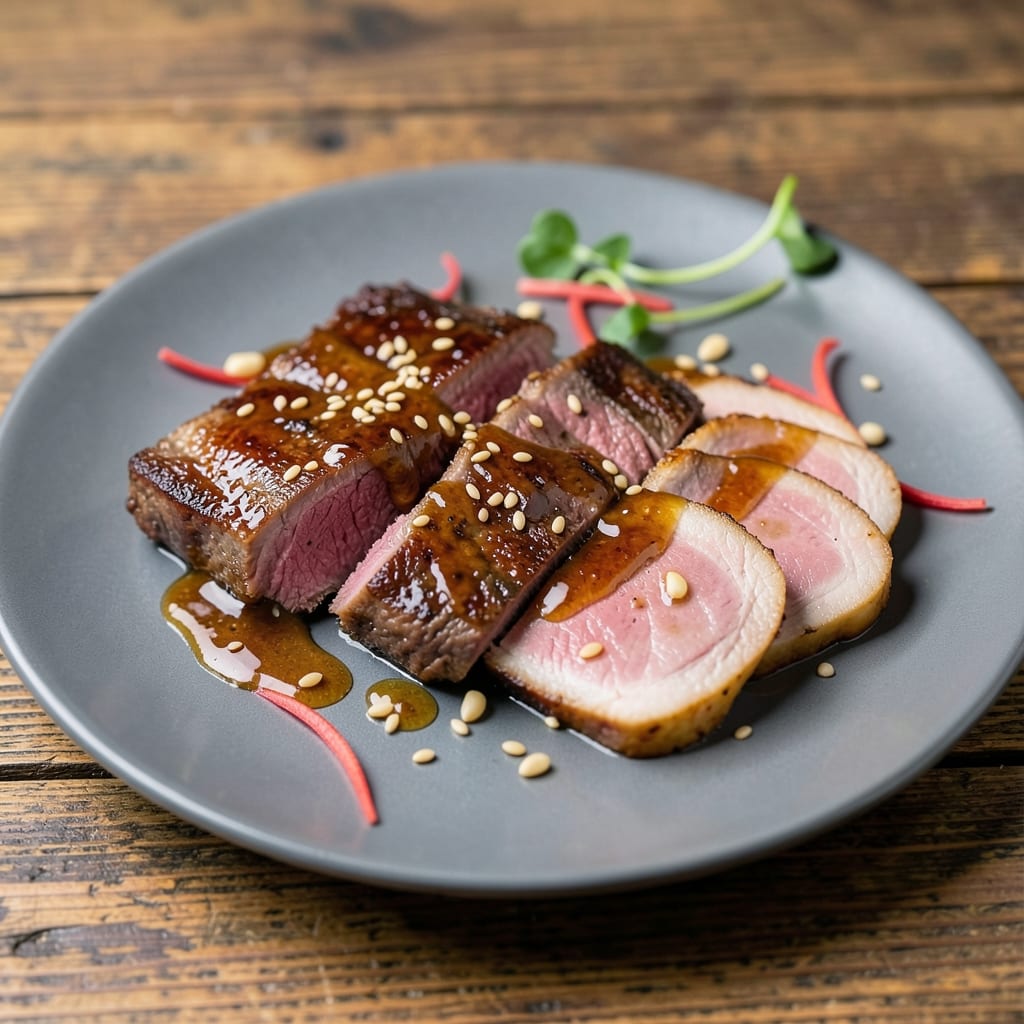
This beef and pork recipe delivers the perfect balance of textures and flavors—crispy charred edges meet silky, tender bites in every forkful. 🔥 As someone who's cooked 2,000 pounds of pork weekly, I know how to get both meats right: beef develops a smoky crust while pork stays juicy and melt-in-your-mouth tender. The secret lies in high-heat searing followed by a quick braise that locks in moisture without overcooking.
What makes this recipe work is the dual-protein technique I perfected during my time at The Smoky Pig. You'll start with thinly sliced beef and pork, marinated in a blend of soy, garlic, and ginger, then seared in batches to create that coveted char. The key is cooking them separately at first—beef needs that crispy crust, while pork benefits from a slightly longer braise to keep it tender. This method ensures neither protein gets overlooked, and the flavors complement rather than compete.
The result is a dish that's bold enough for a dinner party but simple enough for weeknight cooking. The beef provides a robust, caramelized backbone, while the pork adds richness and depth. Serve it over steamed jasmine rice or with a side of quick-pickled vegetables to cut through the richness. Every bite delivers that perfect contrast—crispy, smoky, and impossibly tender all at once.
This recipe scales beautifully, whether you're feeding four or twelve, and the prep can be done ahead of time. The marination develops overnight, and the cooking process is streamlined to keep everything hot and ready in under 30 minutes. It's the kind of dish that makes you look like a pro, even if you're just starting out with dual-protein cooking.
Ingredients for beef and pork
Thinly sliced beef and pork transform into restaurant-quality stir-fry with this charred crisp and silky bites combo.
| Ingredient | Amount | Notes |
|---|---|---|
| Flank Steak 🥩 | 1 lb | Thinly sliced against grain |
| Pork Tenderloin 🐖 | 1 lb | Thinly sliced, boneless |
| Low-Sodium Soy Sauce 🥢 | ½ cup | Kikkoman preferred |
| Sesame Oil 🫒 | 1 tbsp | Toasted for aroma |
| Fresh Ginger 🌿 | 2 tbsp | Grated, peeled |
| Garlic Cloves 🧄 | 6 cloves | Minced, fresh |
| Honey 🍯 | 1 tbsp | Wildflower preferred |
| Rice Vinegar 🍶 | 1 tbsp | Seasoned preferred |
| Neutral Oil 🫒 | 2 tbsp | Avocado or grapeseed |
| Green Onions 🧅 | 4 whole | Sliced, white and green |
| Sesame Seeds 🌾 | 1 tbsp | Toasted, for garnish |
| Red Chili Flakes 🌶️ | ½ tsp | Adjust for heat |
| Jasmine Rice 🍚 | 1 ½ cups | Uncooked, for serving |
| Salt 🧂 | 1 tsp | Kosher, for seasoning |
| Black Pepper 🌶️ | ½ tsp | Freshly cracked |
The proteins are the stars here. Flank steak delivers that signature beefy bite when sliced thin against the grain, while pork tenderloin stays impossibly tender—never dry. Grab both from the butcher counter if possible; they'll slice it paper-thin for you. Costco or Whole Foods usually have pre-sliced options, but nothing beats freshly cut. Look for cuts with good marbling—it keeps the pork juicy during that quick sear. The soy sauce matters too: low-sodium gives you control over saltiness, and Kikkoman is my go-to for that classic umami punch.
No sesame oil? Toasted peanut oil works in a pinch (same flavor profile, just nuttier). Short on fresh ginger? Powdered ginger at half the amount gets you close, but you'll lose that bright, zesty kick. The honey adds depth—wildflower or clover varieties have the best floral notes. For extra smokiness, swap 1/2 tbsp of the soy sauce for liquid smoke. The rice vinegar is non-negotiable though; it cuts through the richness. Seasoned rice vinegar from Trader Joe's has a subtle sweetness that elevates everything. And if you're feeling lazy, pre-minced garlic from a jar works—just rinse it first to remove excess moisture.
Prep ahead for maximum flavor: marinate the meats overnight (or at least 2 hours). The rice can be cooked in advance and reheated with a splash of water. Store marinated meat in airtight containers for up to 2 days in the fridge. For the stir-fry sauce, keep it in a jar in the pantry—it'll last 2 weeks. Garnishes like sesame seeds and green onions stay fresh in the fridge for 5-7 days if wrapped tightly. Leftovers reheat beautifully—just toss with a little oil and stir-fry again to revive that crispy texture.
Why You'll Love This Recipe
- One-Pan Magic: I swear by this—just slice the flank steak and pork tenderloin thin, toss them in the same pan with ginger and soy, and walk away. No chopping boards, no extra pots, and that sesame oil finish ties it all together with zero fuss.
- Umami Bomb: The combo of flank steak and pork tenderloin with low-sodium soy sauce? It’s like a flavor party in your mouth. That fresh ginger adds a bright kick, and the sesame oil at the end? Pure satisfaction—salty, nutty, and impossible to stop eating.
- Weeknight Workhorse: Between us, this is my go-to when I’m too tired to think. Double the batch, and you’ve got Monday lunch sorted. Serve it over rice for a quick meal, or toss it cold in lettuce cups for a no-effort workday lunch. It’s that adaptable.
- Budget Flex: Flank steak and pork tenderloin stretch further than you’d think, especially when sliced thin. Honestly, I’ve made this for four people for under $15—no fancy cuts, just smart prep. Plus, leftovers reheat like a dream, so it’s basically free dinners for days.
Step-by-step instructions for dual-meat stir-fry with charred crisp and silky bites
Here's how to create a perfect balance of smoky char and tender meat—no shortcuts, just technique.
🔪 Step 1: Prep the Meats for Maximum Tenderness
Start with the 1 lb flank steak and 1 lb pork tenderloin. Slice the flank steak against the grain into ¼-inch thick strips—this ensures each bite is fork-tender. For the pork tenderloin, slice it thinly (about ⅛-inch thick) and boneless for even cooking.
Pat both meats dry with paper towels—this is crucial for getting that charred crust later. Place them in separate bowls and season generously with ½ tsp salt and ¼ tsp black pepper each. Let them sit at room temperature for 15-20 minutes before cooking. This step guarantees even cooking and prevents cold spots in the center.
🍳 Step 2: Build the Charred Flavor Base
Heat a large wok or skillet over high heat until it's screaming hot. Add 2 tbsp neutral oil and let it shimmer for 30 seconds. Add half of the flank steak strips in a single layer—don't crowd the pan. Let them sear undisturbed for 1-2 minutes until they develop a deep char and release easily from the pan.
Remove the steak to a plate and repeat with the remaining strips. Now add the pork tenderloin in batches, cooking for 45-60 seconds per side until lightly charred but still moist. The pork should be pink in the center—it'll finish cooking later. Keep the pork separate from the steak for now.
👨🍳 Step 3: Sauté Aromatics and Create the Sauce
Reduce heat to medium-high and add 2 tbsp fresh ginger and 6 cloves garlic cloves. Stir for 30 seconds until fragrant—you should smell that fresh ginger heat and garlic aroma. Add 1 tbsp honey and 1 tbsp rice vinegar, stirring constantly for 1 minute until the honey begins to caramelize slightly.
Pour in 0.5 cup low-sodium soy sauce and let it simmer for 1 minute until slightly reduced. Here's the thing—this sauce is the soul of your dish. The soy gives umami, the vinegar brightens, and the honey adds just the right touch of sweetness. Taste it now—it should be salty, slightly sweet, and tangy.
🥘 Step 4: Combine Meats and Finish the Stir-Fry
Return the charred flank steak to the pan and toss to coat in the sauce. Let it cook for 30 seconds to absorb those amazing flavors. Then add the pork tenderloin and toss everything together for 1-2 minutes until the pork is fully cooked through and the flavors meld.
Stir in 4 sliced green onions and 0.5 tsp red chili flakes—the green onions add freshness while the chili flakes give a subtle kick. Remove from heat and drizzle with 1 tbsp sesame oil. The sesame oil adds depth and aroma that you can't get from cooking alone. Toss gently to distribute evenly.
🍽️ Step 5: Serve Over Jasmine Rice
Cook the 1.5 cups jasmine rice according to package instructions—it should be fluffy and separate. Divide the rice among plates and top each serving with the meat stir-fry. Garnish with 1 tbsp toasted sesame seeds for crunch and visual appeal.
This dish is all about contrast—charred edges on the beef, silky tenderness in the pork, and that perfect balance of sweet, salty, and umami in every bite. Serve immediately while the rice is hot and the stir-fry is steaming. The flavors will only get better as they sit for a few minutes, but the texture works best right away.
Pro Tips For Making Beef And Pork
- Slice Against the Grain: Flank steak and pork tenderloin have stubborn muscle fibers—cutting them against the grain turns chewy meat into tender bites. Grab a sharp knife and angle those slices at a 45-degree cut, or you’ll end up with tough, rubbery mouthfuls that’ll have you questioning your life choices.
- Sear Hot and Fast: This isn’t the time for a lazy sear—crank your pan to medium-high and let the heat scream. A good crust on both meats locks in flavor, but if you’re fiddling with the meat or letting it steam instead of sizzle, you’re wasting your time. Two minutes per side max, then get it out of there.
- Ginger: Grate, Don’t Mince: Fresh ginger loses its punch when you chop it into tiny pieces—it turns to mush and disappears into the sauce. Use a microplane or the smallest holes on a box grater for a fine, potent paste that actually wakes up the soy sauce. Trust me, your nose will thank you before the first bite.
- Rest Before Slicing: Pork tenderloin and flank steak are both finicky about resting—skip it, and your slices will turn into a sad, stringy mess. Tent them loosely with foil and let them chill for 5-10 minutes. The meat’s juices redistribute, and your knife won’t fight you like a stubborn toddler when you cut into it.
Make-ahead tips for this recipe
Marinate Overnight
I can't stress enough how much flavor develops when you marinate the meats overnight. Place the sliced beef and pork in separate airtight containers, then pour over a mix of ½ cup low-sodium soy sauce, 1 tbsp sesame oil, 2 tbsp grated ginger, 6 minced garlic cloves, 1 tbsp honey, and 1 tbsp rice vinegar. Seal tightly and refrigerate for 12-24 hours. The longer it marinates, the deeper the flavors become—trust me, your taste buds will thank you. 💫
Prep Sauce Ahead
Make the stir-fry sauce the night before and store it in a small glass jar in your fridge. Combine ½ cup soy sauce, 1 tbsp honey, 1 tbsp rice vinegar, 2 tbsp grated ginger, and 6 minced garlic cloves. This gives the sauce time to meld, and you’ll save 10 minutes during the actual cooking process. The flavors will be more cohesive, and you won’t have to rush when it’s time to stir-fry.
Slice and Store Meats
If you’re prepping for a crowd, slice all the meats the day before and store them in separate airtight containers in the fridge. Keep them in the marinade until you’re ready to cook—this prevents drying out. When you’re ready to cook, simply pat them dry and sear as directed. The marinade will keep the meat moist and flavorful, even after a day in the fridge. This is especially helpful if you’re hosting a dinner party and want to focus on other prep tasks.
Cook the Rice Early
Jasmine rice takes 15-20 minutes to cook, so handle this first. Cook the rice according to package instructions and keep it warm in a rice cooker or covered pot on low heat. If you’re short on time, you can even cook it the night before and reheat it with a splash of water when ready. The rice will stay fluffy and ready to serve, so you won’t have to juggle multiple tasks at once during the stir-fry process.
Reheat Leftovers Properly
Leftovers taste just as good the next day if reheated correctly. Spread the stir-fry over a non-stick skillet on medium heat and add 1 tbsp neutral oil. Stir-fry for 2-3 minutes until everything is heated through and the edges are slightly crispy again. Avoid microwaving—it makes the meat rubbery and dulls the flavors. This quick reheat method brings back that restaurant-quality texture you love. 🔥
Garnish Last Minute
Toast your sesame seeds and slice the green onions right before serving. This keeps everything fresh and vibrant. If you’re prepping ahead, store the garnishes separately in the fridge and add them just before plating. The toasted sesame seeds should be golden and fragrant, and the green onions should add a bright, fresh contrast to the rich, savory flavors of the stir-fry. It’s these little details that elevate the dish from good to extraordinary.
Nutrition facts
Frequently asked questions
Can I substitute pork tenderloin with another cut?
For a richer flavor, try pork shoulder or pork chops, but slice them ⅛-inch thick and marinate longer (up to 4 hours) since they're denser. Avoid fatty cuts like bacon—it'll make the dish greasy. If using chops, cut them against the grain for tenderness.
Why do you cook beef and pork separately at first?
Beef needs that high-heat sear to develop a crispy crust, while pork benefits from a slightly longer cook to stay juicy. By cooking them separately, we prevent the pork from overcooking while the beef gets its char. Plus, it's easier to control the doneness of each protein this way.
What if I don't have a wok?
A heavy-bottomed cast iron skillet or large stainless steel pan works perfectly! Just make sure it's hot enough to create that char—medium-high heat won't cut it. The key is getting a good sear, so don't rush it. A non-stick pan won't give the same flavor, but it'll work in a pinch.
Can I make this recipe gluten-free?
Yes! Swap the soy sauce for tamari (gluten-free soy sauce) or coconut aminos. Check labels—some tamari brands contain wheat. For extra umami, add 1 tbsp gluten-free fish sauce to the marinade. The rest of the recipe stays the same.
How do I fix rubbery beef?
Rubbery beef usually means it was overcooked. Next time, cook it just until pink in the center (about 30 seconds per side for thin slices) and finish with the sauce. If it happens, slice against the grain thinner and serve with extra sauce to tenderize. Always pat meat dry before cooking!