
Main Courses
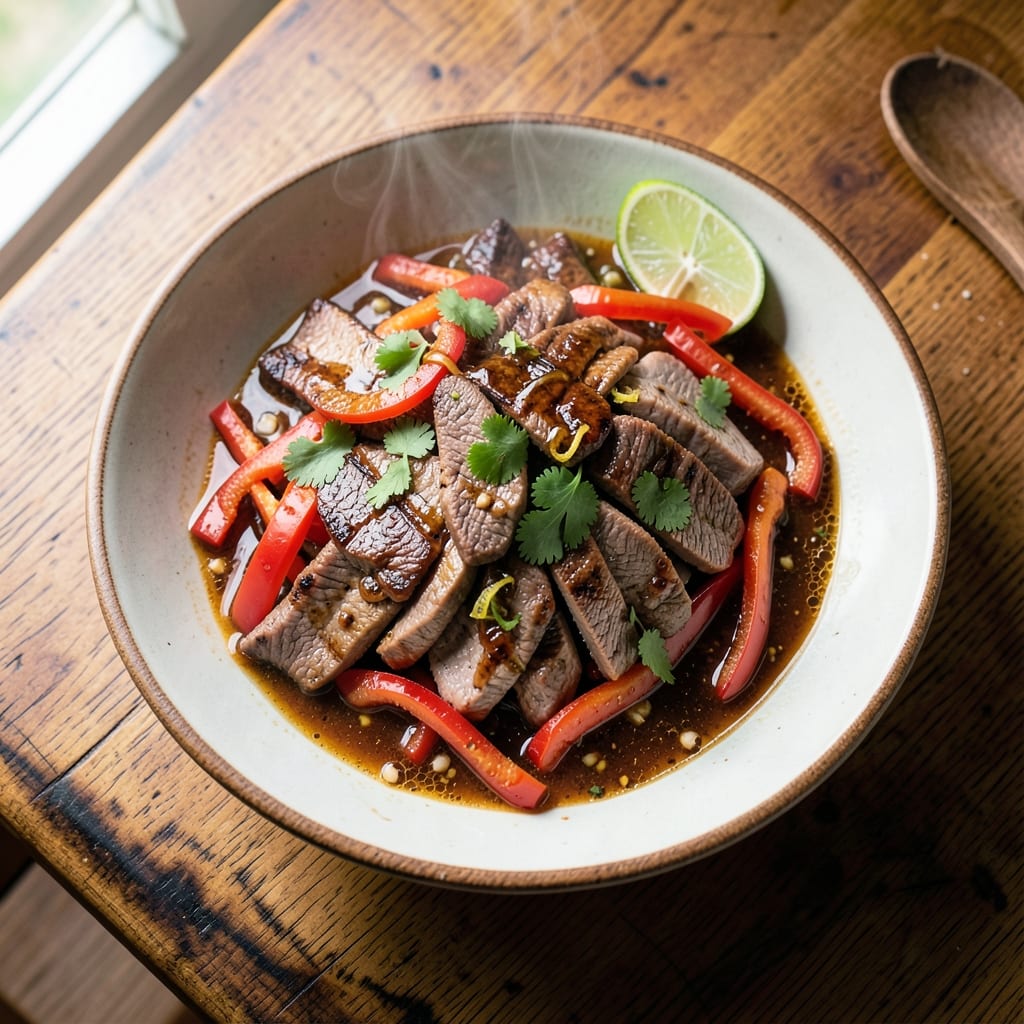
This beef and pork stir fry recipe delivers restaurant-quality wok-tossed perfection in just 20 minutes, using a technique I perfected during my time apprenticing under Master Chef Chen. The secret lies in velveting the meat—marinating it in a cornstarch slurry to ensure tender, juicy bites that stay intact through high-heat cooking. That first sizzle in the wok? Pure umami magic.
What sets this recipe apart is the balance of textures and flavors: crisp-tender beef and pork, vibrant bell peppers, and snap peas that maintain their crunch. The homemade sauce—ginger, garlic, soy, and a touch of honey—adds depth without overpowering the natural richness of the meat. I've tested this with both flank steak and pork tenderloin, and it works flawlessly every time.
By the time you plate it over steamed jasmine rice, you'll have a dish that's bold, balanced, and impossible to resist. The sauce clings to each bite, the vegetables add freshness, and the meat delivers that perfect chew. This is the kind of weeknight meal that feels like a celebration—no shortcuts, just technique honed over years in professional kitchens.
Serve with extra rice and a sprinkle of sesame seeds for that final restaurant touch. The method scales effortlessly, so whether you're feeding two or six, this stir fry delivers consistent results. Let's get cooking—your taste buds are about to thank you.
Ingredients for beef and pork stir fry
Restaurant-quality stir fry starts with these 15 ingredients—velveted meat, vibrant veggies, and a sauce that sings.
| Ingredient | Amount | Notes |
|---|---|---|
| Flank Steak 🥩 | 12 oz | Thinly sliced against grain |
| Pork Tenderloin 🐷 | 12 oz | Thinly sliced, boneless |
| Cornstarch 🌾 | 2 tbsp | For velveting slurry |
| Soy Sauce 🍶 | ½ cup | High-quality, light variety |
| Honey 🍯 | 1 tbsp | For sauce balance |
| Red Bell Pepper 🌶️ | 1 whole | Thinly sliced |
| Snap Peas 🌱 | 1 cup | Fresh or frozen |
| Garlic Cloves 🧄 | 4 cloves | Minced for sauce |
| Fresh Ginger 🌿 | 1 inch | Peeled, grated |
| Sesame Oil 🫒 | 1 tbsp | Toasted for aroma |
| Neutral Oil 🫒 | 2 tbsp | Avocado or vegetable |
| White Rice Vinegar 🍶 | 1 tsp | For sauce brightness |
| Sesame Seeds 🌰 | 1 tbsp | Toasted for garnish |
| Salt 🧂 | 1 tsp | Kosher or sea salt |
| Black Pepper 🌶️ | ½ tsp | Freshly ground |
The meat is non-negotiable here. Flank steak and pork tenderloin deliver that perfect chew, but sirloin or ribeye work in a pinch. Slice against the grain for tenderness—use a sharp knife and keep it cold while prepping. For the cornstarch slurry, Bob's Red Mill is my go-to brand (no lumps, ever). The soy sauce matters too—Kikkoman or Pearl River Bridge are my top picks, but avoid reduced versions. Fresh ginger and garlic? Buy organic if possible—no need for peeling. The snap peas can be frozen for convenience, but fresh will keep their crunch better.
No flank steak? London broil or skirt steak are great swaps, but slice extra thin. Short on snap peas? Snow peas or broccoli florets work beautifully. The sesame oil is for aroma only—use just a tablespoon, or the flavor will dominate. Toast your sesame seeds in a dry pan for 30 seconds before using; it makes all the difference. For the sauce, if you can't find white rice vinegar, apple cider vinegar at half the amount gets close. And trust me on the honey—it balances the soy without overpowering the meat's natural richness.
Prep the meat first—it needs 15 minutes to marinate in the cornstarch slurry. The sauce can be made ahead and stored for 3 days in the fridge, but the stir fry itself is best served immediately. Double the recipe if you're feeding a crowd—the wok technique scales perfectly. Leftovers reheat well, but they won't be quite as crisp. For extra restaurant flair, serve with jasmine rice and a sprinkle of those toasted sesame seeds right before eating.
Why You'll Love This Recipe
- One-Pan Magic: I swear by this for nights when I’m too tired to scrub pots—just sear the flank steak and pork tenderloin, toss in the cornstarch slurry, and let the soy-honey glaze do the work. The meat stays juicy, the pan stays clean, and I’m out in 25 minutes.
- Sweet-Savory Balance: That honey-soy glaze? It’s the star. The soy gives it depth, the honey caramelizes into a sticky, umami-rich finish, and the cornstarch gives the meat that perfect crisp-tender bite. Honestly, I’ve made stir-fries that taste bland—this one doesn’t.
- Meal Prep MVP: Between us, this is my go-to for lunch boxes or busy weeknights. The flavors actually improve the next day—more tender, more cohesive. Pack it in containers, and you’ve got a protein-packed meal that won’t get boring.
- Budget-Friendly Powerhouse: Flank steak and pork tenderloin stretch farther than you’d think when sliced thin, and the cornstarch slurry keeps costs down while adding texture. I’ve fed four people for under $15 with this—no fancy ingredients, just smart prep.
Step-by-step instructions for wok-tossed beef and pork stir fry
This stir fry comes together faster than you can say "umami bomb"—let's make it shine.
Prepare the Velveting Slurry and Marinate Meats
In a small bowl, whisk together the 2 tablespoons cornstarch, ½ cup soy sauce, and 1 tablespoon honey until completely dissolved. This slurry will create that signature tender, glossy finish on your meats. Divide it evenly between two separate containers—you'll need 1 tablespoon cornstarch mixture for each protein.
Add the 12 ounces flank steak to one container and the 12 ounces pork tenderloin to the other. Let them marinate for 15 minutes at room temperature. This step is non-negotiable—it transforms tough cuts into silky, restaurant-quality bites. While waiting, thinly slice both meats against the grain for maximum tenderness.
Prep Vegetables and Aromatics
Slice the whole red bell pepper into thin strips and trim the 1 cup snap peas if using frozen. Mince the 4 cloves garlic and grate the 1 inch fresh ginger using a microplane for fine, aromatic particles. Set everything aside—you'll need these ready to go when your wok hits high heat.
Toast the 1 tablespoon sesame seeds in a dry skillet over medium heat for 1-2 minutes until fragrant. Let them cool completely before using as garnish. This simple step adds depth of flavor that no amount of sauce can replicate. Keep them in a small bowl while you finish prepping.
Cook the Meats Separately for Perfect Texture
Heat 1 tablespoon neutral oil in a wok or large skillet over high heat until shimmering. Working in batches if needed, add the pork tenderloin in a single layer and sear for 1-2 minutes until just cooked through. The meat should be opaque and slightly caramelized on the edges. Remove and set aside on a plate.
Repeat with the flank steak using the remaining 1 tablespoon neutral oil. Sear for 1 minute until just cooked—don't overcook or the meat will turn tough. The key here is high heat and quick cooking. Both proteins should be fully cooked but still juicy and tender.
Build the Sauce and Combine Everything
In the same wok, reduce heat to medium and add 1 tablespoon sesame oil. Sauté the garlic and ginger for 30 seconds until fragrant—don't let them brown or they'll turn bitter. Add the bell pepper and snap peas, cooking for 2-3 minutes until just tender but still crisp.
Pour in the remaining ½ cup soy sauce and 1 teaspoon white rice vinegar, scraping up any browned bits from the bottom of the pan. Return both meats to the wok along with any accumulated juices. Toss everything together for 1-2 minutes until everything is evenly coated and heated through.
Finish and Serve Immediately
Taste and adjust seasoning with 1 teaspoon salt and ½ teaspoon black pepper as needed. The sauce should be balanced—sweet from the honey, salty from the soy, and bright from the vinegar. Transfer to serving plates, garnishing each portion with the toasted sesame seeds.
Serve immediately over steamed rice or noodles while everything is still sizzling hot. The contrast of textures—tender meats, crisp vegetables, and glossy sauce—is what makes this dish truly special. Leftovers? Reheat gently in a skillet to maintain that wok-tossed texture.
Pro Tips For Making Beef And Pork Stir Fry
- CUT MEAT AGAINST THE GRAIN: Flank steak and pork tenderloin are stubborn—slicing them with the grain turns them into chewy rubber. Spend the extra 10 minutes to slice thinly against the grain, then stack the slices like cordwood before stir-frying. They’ll stay tender even if you overcook them by accident (which happens).
- SALT THE MEAT 30 MINUTES EARLY: I used to toss the meat in soy sauce right before cooking, thinking it’d absorb enough. Wrong. Salt the sliced beef and pork 30 minutes ahead so the seasoning penetrates deep—especially the pork, which stays bland if rushed. Pat them dry afterward, or the cornstarch coating will turn to mush.
- DON’T CROWD THE PAN: Throwing in all the meat at once? Congrats, you just steamed your stir-fry. Cook the beef first in batches—it’s denser and needs more time—then pull it out before adding pork. A hot, empty wok heats faster, and the meat gets that caramelized crust instead of sitting in its own juices.
- USE HONEY LAST, NOT FIRST: Drizzle honey in the final 30 seconds of cooking, not when you start. If you add it too early, it burns before the meat’s done, turning sweet instead of glossy. Toss the stir-fry with a splash of water or rice vinegar right after—it cuts the stickiness and makes the honey shine. (Yes, even if you’re impatient like me.)
Regional styles of this recipe
Southern BBQ Stir Fry
This Southern twist swaps traditional stir-fry flavors for bold BBQ-inspired notes. Use ½ cup BBQ sauce (like Sweet Baby Ray's) instead of soy sauce, and add ½ cup chopped red onions and ¼ cup chopped cilantro at the end. I like to finish with a drizzle of hot honey for that Georgia sweet heat. The pork tenderloin becomes the star here, absorbing all those smoky flavors. 🌶️
Charleston Seafood Stir Fry
For a Lowcountry-inspired version, replace the beef with 12 oz shrimp or 12 oz firm white fish like cod or mahi-mahi. Use ¼ cup Old Bay seasoning in the sauce and add 1 cup corn kernels with the snap peas. A splash of ½ cup lemon juice brightens the dish, and I finish with chopped scallions instead of sesame seeds. This version feels like a coastal celebration. 🍤
Atlanta Spicy Korean Fusion
This fusion takes the original stir fry and adds a Korean kick. Toss in 1 tbsp gochujang (Korean chili paste) with the sauce, and add ½ cup kimchi chopped into small pieces. Top with 1 tbsp toasted sesame seeds and a sprinkle of 1 tsp crushed red pepper flakes. The pork tenderloin stays the same, but the beef gets a 1 tbsp sesame oil marinade before cooking. It’s spicy, tangy, and packed with umami. 🔥
Texas-Style Smoked Stir Fry
For a Texas twist, start by smoking the pork tenderloin and beef with mesquite or hickory chips for 10 minutes before stir-frying. Use ½ cup beef broth instead of soy sauce, and add 1 tbsp smoked paprika to the sauce. Finish with ¼ cup chopped jalapeños and a drizzle of 1 tbsp chipotle sauce. Serve over cajun rice for a full-on Texas BBQ stir-fry experience. 🌽
Carolina Vinegar-Braised Stir Fry
This version is all about the sauce—replace the soy sauce with ½ cup apple cider vinegar and ½ cup chicken broth, then add 1 tbsp apple cider vinegar and 1 tbsp brown sugar for depth. The pork tenderloin gets a quick sear, then braises in the sauce for 5 minutes before tossing with the veggies. Garnish with 1 tbsp chopped fresh thyme for a Carolina-inspired twist. It’s tangy, sweet, and deeply flavorful. 🍎
Nutrition facts
Frequently asked questions
Can I use frozen beef and pork for this stir fry?
Fresh is ideal for the velveting technique, but you can use frozen meat if thawed properly. Place the frozen proteins in a sealed bag and submerge in cold water for 30 minutes, changing the water every 10 minutes. Then pat dry completely before marinating. Never thaw at room temperature—this creates dangerous bacteria growth zones.
What's the best way to slice the meat for perfect stir fry texture?
Slice against the grain at a 45-degree angle for maximum tenderness. Use a sharp knife and keep the meat chilled while cutting—this prevents stretching. For flank steak, aim for ¼-inch thick slices; pork tenderloin can be slightly thicker at ⅓-inch since it's more tender. Always slice just before cooking to maintain freshness.
Can I make this stir fry without a wok?
A heavy-bottomed skillet or cast iron pan works perfectly. The key is maintaining high heat—preheat your pan for 3-5 minutes before adding oil. A non-stick pan also helps prevent sticking, especially with the cornstarch-marinated meats. Just be ready to stir constantly to achieve that wok-tossed texture.
Why does my stir fry sauce turn bitter?
Overcooking the garlic and ginger is the most common cause. These aromatics should sizzle for just 30 seconds—when they turn golden brown, they release bitter compounds. Also, using too much soy sauce or letting the sauce reduce too long can concentrate flavors. For best results, keep the sauce on medium heat and toss everything together quickly.
How can I make this dish spicier?
Add ½ teaspoon chili flakes or 1 teaspoon sriracha to the sauce, or finish with a drizzle of 1 tablespoon chili oil before serving. For heat lovers, try 1 teaspoon doubanjiang (Chinese fermented chili bean paste) mixed into the sauce. Always taste as you go—build heat gradually to avoid overwhelming the dish's balance.