
Main Courses
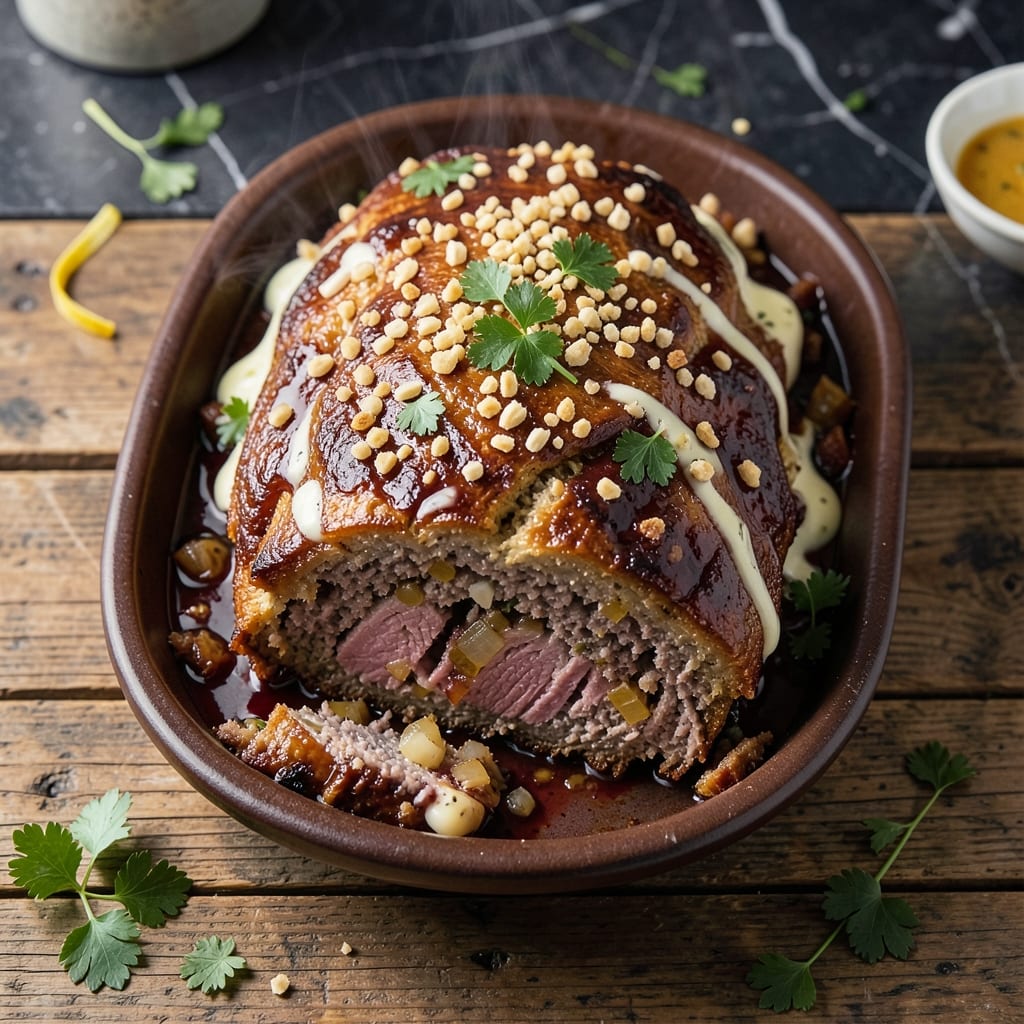
The beef pork and veal meatloaf delivers a rich, savory depth you won't find in single-meat versions. This tri-meat blend creates a tender, juicy loaf with a perfectly crispy top that holds up to slicing—no dry crumbs here. The secret lies in balancing textures and resting the loaf properly, ensuring every bite stays moist while the crust stays golden and crackling.
What sets this recipe apart is the combination of beef for heartiness, pork for fat content that keeps it tender, and veal for a delicate, slightly sweet flavor. A simple breadcrumb-egg binder holds everything together without overpowering the meat, while classic seasonings—salt, pepper, Worcestershire, and a touch of mustard—build layers of flavor. Baking at 350°F ensures even cooking, and the internal temperature check guarantees perfect doneness every time.
By the time you pull it from the oven, you’ll have a loaf with a crispy, caramelized crust and a moist interior that melts in your mouth. The aroma alone will have everyone gathering at the table—this isn’t just meatloaf, it’s a centerpiece. Serve with tangy tomato sauce, mashed potatoes, or roasted vegetables for a complete meal that feels like a restaurant-worthy dish.
Pro tip: Let the loaf rest for 10 minutes before slicing—this ensures clean cuts and maximum juiciness. The result is a meatloaf so flavorful and tender, it’ll become your new go-to recipe for family dinners or holiday gatherings. Ready to make the most impressive meatloaf you’ve ever tasted?
Ingredients for beef pork and veal meatloaf
Rich tri-meat blend meets crispy perfection—just six ingredients transform into restaurant-quality meatloaf.
| Ingredient | Amount | Notes |
|---|---|---|
| Ground Beef 🥩 | 1 lb | 80% lean for juiciness |
| Ground Pork 🐖 | ½ lb | Lean but flavorful cut |
| Ground Veal 🍖 | ½ lb | Tender, slightly sweet |
| Yellow Onion 🧅 | 1 whole | Finely chopped for depth |
| Garlic Cloves 🧄 | 3 cloves | Minced for aromatic base |
| Plain Breadcrumbs 🍞 | ½ cup | Panko for extra crunch |
| Large Eggs 🥚 | 2 whole | Room temperature for binding |
| Kosher Salt 🧂 | 1 ½ tsp | Diamond Crystal preferred |
| Freshly Ground Black Pepper 🌶️ | 1 tsp | Cracked peppercorns preferred |
| Worcestershire Sauce 🍯 | 1 tbsp | Classic umami depth |
| Dijon Mustard 🟡 | 1 tbsp | Mild for subtle tang |
| Extra-Virgin Olive Oil 🫒 | 1 tbsp | For crispy exterior |
| Tomato Ketchup 🍅 | ¼ cup | For glaze topping |
The meat trio is non-negotiable. Costco or your butcher's counter for the best ground veal—look for bright red color and fine texture. If you can't find veal, extra-lean ground beef works in a pinch, but the sweetness of veal is worth hunting down. The pork adds fat content without overpowering, while the beef gives that hearty backbone. Pro tip: Pat the meats dry before mixing—they'll release more moisture during cooking, keeping your loaf juicy. For the onion, yellow is classic, but red adds subtle sweetness if you're feeling fancy.
No Worcestershire? Soy sauce plus a dash of balsamic mimics that umami punch. Short on mustard? Dijon mustard at half the amount works, but regular yellow mustard gets the job done. The breadcrumbs should be plain, not seasoned—you're controlling the flavors here. For the glaze, Heinz or Hunt's ketchup are reliable, but homemade tomato sauce with a pinch of sugar and vinegar elevates everything. If you're feeling adventurous, swap the ketchup for spiced tomato paste mixed with a splash of red wine—trust me, it's worth the effort.
This loaf keeps beautifully—3-4 days in the fridge wrapped tightly, or 3 months frozen in slices. For freezing, portion into individual servings so you can pull out just what you need. The crust stays crispy when reheated, but for best results, reheat at 325°F until warmed through. Leftovers? Double the batch—this meatloaf disappears fast, especially when served with homemade mashed potatoes and roasted carrots. The glaze sets up nicely, so you can brush it on fresh before serving straight from the fridge.
Why You'll Love This Recipe
- No-Fuss Mix: I swear by this combo of beef, pork, and veal—it’s the only meatloaf where I don’t have to fuss over ratios. The pork keeps it juicy, the veal adds richness, and the beef holds everything together without falling apart. (Yes, even if I’m distracted by the kids.)
- Garlic-Onion Magic: That onion and garlic base? It’s the secret weapon. The onions caramelize just enough to give it depth, while the garlic infuses every bite with warmth—no need for fancy seasonings. Honestly, the aroma alone makes my kitchen smell like a Sunday dinner.
- Leftovers That Win: This meatloaf reheats like a dream—crispy edges, tender middle, no dry spots. I make a double batch on Sundays because it’s the only leftovers my picky husband actually asks for. (And it freezes beautifully, too.)
- Budget Flexibility: Three types of meat might sound fancy, but it’s actually a smarter stretch than buying one expensive cut. The pork cuts costs, the veal elevates it, and the beef makes it hearty. My grocery bill thanks me every time.
Step-by-step instructions for beef pork and veal meatloaf
Here's how to craft a meatloaf with perfect texture and that signature crispy glaze.
Prepare the Meat Mixture
In a large mixing bowl, combine the 1 lb ground beef, 0.5 lb ground pork, and 0.5 lb ground veal. The beef provides structure, the pork adds richness, and the veal keeps it tender. Use your hands to break up any large clumps and distribute the meats evenly.
Add the finely chopped yellow onion and minced garlic cloves to the bowl. The onion will mellow during cooking, while the garlic infuses deep flavor. Let the mixture sit for 5 minutes while you prepare the remaining ingredients—this helps the aromatics begin melding together.
Bind and Season
In a separate bowl, whisk together the 2 whole large eggs, 1.5 tsp kosher salt, and 1 tsp freshly ground black pepper. The eggs act as a binder, while the salt and pepper create a balanced seasoning foundation. Pour this mixture over the meat and stir gently with a wooden spoon until just combined.
Add the 0.5 cup plain breadcrumbs, 1 tbsp Worcestershire sauce, and 1 tbsp Dijon mustard to the bowl. The breadcrumbs absorb excess moisture while adding structure, the Worcestershire sauce brings umami depth, and the Dijon mustard adds subtle tang. Mix everything together until the ingredients are evenly distributed—don't overwork the mixture or you'll develop tough gluten strands.
Shape and Pre-Bake
Lightly grease a 9x5-inch loaf pan with 1 tbsp extra-virgin olive oil to prevent sticking. Transfer the meat mixture to the pan and shape it evenly, pressing down gently to remove any air pockets. The loaf should fit snugly in the pan—this ensures even cooking and a uniform shape.
Preheat your oven to 375°F. Place the shaped meatloaf in the oven and bake for 30 minutes, uncovered. This initial baking step helps the meatloaf firm up before adding the glaze, preventing it from falling apart during the final crisping phase. The internal temperature should reach about 145°F by the end of this step.
Add the Glaze and Finish
After the initial 30 minutes, remove the meatloaf from the oven and spread the 0.25 cup tomato ketchup evenly over the top. The ketchup provides both sweetness and acidity, which caramelizes beautifully during the final baking phase. Return the meatloaf to the oven and bake for an additional 25-30 minutes until the internal temperature reaches 160°F and the glaze turns a deep, glossy golden brown.
This is where the magic happens—the glaze should bubble and caramelize, creating that perfect crispy top while keeping the interior juicy. If the glaze starts to darken too quickly, tent the meatloaf loosely with aluminum foil to prevent over-browning. The final internal temperature should be 160°F—this ensures the meat is fully cooked while remaining tender.
Rest and Serve
Remove the meatloaf from the oven and let it rest in the pan for 10 minutes before slicing. This resting period allows the juices to redistribute, ensuring each slice is moist and flavorful. The crust will firm up slightly as it cools, making it easier to slice without falling apart.
Slice the meatloaf into 6 even servings and serve immediately. The exterior should be crispy and caramelized, while the interior remains tender and juicy. The combination of beef, pork, and veal creates a rich, balanced flavor profile that's both hearty and refined. Pair it with roasted vegetables or mashed potatoes for a complete meal.
Pro Tips For Making Beef Pork And Veal Meatloaf
- Mix the Meats First: I learned this the hard way—combining the ground beef, pork, and veal before adding anything else lets the fats distribute evenly. The pork will try to shrink, so handle it gently when mixing to keep the texture consistent. (Yes, even if you're impatient like me.)
- Sweat the Onions Low: After burning three batches of onions, I finally figured out: 5 minutes on medium-low heat with a splash of water is all you need. Overcooking turns them bitter, and you want them soft enough to disappear into the loaf without tasting like they were overworked.
- Skip the Overmixing: This isn’t the prettiest method, but it’s the tastiest—fold just until combined. Overworking the meat makes it dense, and you’ll end up with a brick instead of something tender. Think "gentle kneading," not "beating a rug."
- Rest Before Baking: Give it a solid 5-10 minutes under foil at room temp before hitting the oven. The meat needs time to relax, or it’ll tighten up and release juices too fast, leaving you with a dry loaf. (Your future self will thank you.)
Pro cooking tips for beef pork and veal meatloaf
Mix Like a Pro
Resist the urge to overmix the meat mixture—just combine ingredients until just combined. Overworking develops gluten in the pork and beef, creating a tough, dense loaf. I use a gentle folding motion with a wooden spoon to keep everything tender. The breadcrumbs should be evenly distributed but not mashed into the meat—think of it like mixing cookie dough, not kneading bread. 🥩
Pan Prep Matters
Grease your loaf pan with extra-virgin olive oil and line the bottom with a strip of parchment paper for easy removal. I like to use a 9x5-inch pan because it gives the perfect height-to-width ratio for even cooking. The parchment prevents sticking without needing extra grease, which can make the crust soggy. Pro tip: Pat the meat mixture dry before shaping—this helps the glaze crisp up better.
Glaze Timing
Spread the ketchup glaze evenly in the final 25-30 minutes of baking. The glaze needs time to caramelize, so don't rush this step. If your oven runs hot, tent the loaf with foil for the last 10 minutes to prevent burning. I like to use Heinz ketchup because it's consistent, but a homemade tomato sauce with a pinch of sugar and vinegar adds depth. 🍅
Internal Temp Check
Use a meat thermometer to check the internal temperature—160°F is your target. The loaf should feel firm to the touch but still spring back slightly. I've seen home cooks guess by color or texture, but a thermometer is foolproof. If you don't have one, cut into the center—juices should run clear, not pink. The tri-meat blend cooks faster than beef-only loaves, so watch closely after 25 minutes.
Resting Prevents Fallout
Never slice meatloaf straight from the oven—rest for 10 minutes first. This lets the juices redistribute, so every slice stays moist. The crust will firm up slightly, making clean cuts easier. I like to tent the loaf loosely with foil during resting to keep it warm. Skipping this step is how you end up with dry, crumbly meatloaf—don't be that person! 💪
Slicing Technique
Slice the loaf against the grain of the meat fibers for tender bites. Use a sharp chef's knife and cut into ½-inch thick slices for even portions. The crispy crust should hold together, but if it crumbles, that's just proof it was cooked to perfection. For extra presentation, fan the slices slightly before serving. The tri-meat blend makes each slice hearty enough to stand alone, but it's even better with a side of mashed potatoes or roasted veggies.
Nutrition facts
Frequently asked questions
Why use all three meats instead of just beef?
The combination creates a perfect balance: beef gives structure and heartiness, pork adds fat for moisture, and veal contributes a delicate sweetness. This tri-meat blend prevents dryness while keeping each bite tender. The pork fat also helps create that signature crispy crust when glazed.
Can I substitute ground turkey for the veal?
Yes, but expect a different flavor profile. Ground turkey works in a pinch, though it's leaner and may result in a slightly drier loaf. For best results, use 93% lean ground turkey and add 1 extra tablespoon of olive oil to compensate for the lower fat content. The texture will be closer to beef-only meatloaf.
What's the secret to a crispy top without burning?
Spread the ketchup glaze in the final 25-30 minutes of baking at 375°F. The key is patience—let it caramelize slowly. If your oven runs hot, tent loosely with foil for the last 10 minutes to prevent over-browning while still achieving that perfect crispy texture.
How do I fix a meatloaf that's falling apart?
Most likely, you overmixed the ingredients or skipped the resting period. For immediate fixes, chill the loaf for 15 minutes before slicing to help it firm up. Long-term, mix more gently (just until combined) and always rest for 10 minutes after baking. Adding 1 extra tablespoon of breadcrumbs to the mixture can also help bind it better.
Can I make this ahead of time?
This meatloaf actually tastes better the next day. Let it cool completely, wrap tightly in plastic, and refrigerate for up to 4 days. For freezing, slice first and freeze individual portions for up to 3 months. Reheat at 325°F until warmed through—it reheats beautifully with the crust staying crispy.