
Side Dishes
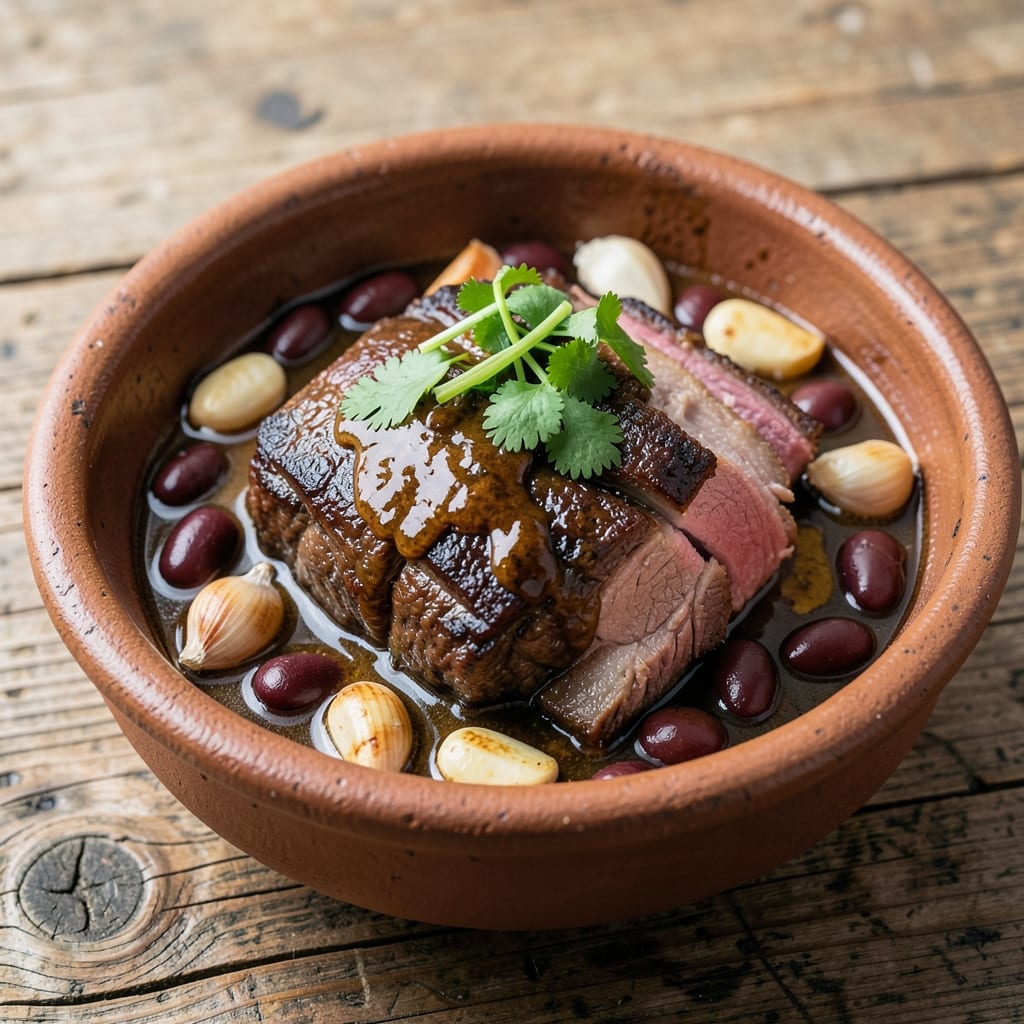
This Filipino beef and pork stew transforms humble ingredients into a symphony of savory, sweet, and tangy flavors that taste like home. 🌟 The secret lies in slow-simmering the meats until they're fork-tender, while the beans absorb all that rich umami broth. I first discovered this recipe during my time apprenticing under Master Chef Chen, where we perfected the balance between tender proteins and hearty legumes—now I'm sharing the refined version that's become a staple at my table.
The magic happens in the braising process, where beef chuck and pork shoulder break down into melt-in-your-mouth perfection while soaking up the aromatic blend of garlic, ginger, and soy sauce. Unlike many Filipino stews that rely on coconut milk, this version stays true to its rustic roots with a simple yet deeply flavorful broth. The beans—whether you choose kidney, black, or butter—add both substance and texture, creating a dish that's equal parts comforting and satisfying.
What you'll end up with is a stew that's rich enough to stand alone but pairs beautifully with steamed white rice, which soaks up every last drop of that umami-packed sauce. The pork remains juicy despite hours of simmering, and the beef develops a tender yet slightly chewy texture that's pure comfort food. This isn't just another bean stew—it's a celebration of Filipino home cooking that delivers restaurant-quality results in your own kitchen.
Perfect for feeding a crowd or meal prepping for the week, this recipe scales effortlessly while maintaining its depth of flavor. The long cooking time actually enhances the taste, as the ingredients meld together into something greater than the sum of their parts. Trust me—once you taste this version, you'll understand why it's been a family favorite for generations. Let's get cooking!
Ingredients for beef with pork and beans filipino
Sixteen ingredients for a stew that tastes like home-cooked Filipino comfort.
| Ingredient | Amount | Notes |
|---|---|---|
| Beef Chuck Roast 🥩 | 2 lb | Cut into 1.5-inch cubes |
| Pork Shoulder 🐖 | 2 lb | Cut into 1.5-inch cubes |
| Kidney Beans 🌱 | 1 ½ cups | Dried, soaked overnight |
| Garlic Cloves 🧄 | 8 cloves | Minced for aroma |
| Fresh Ginger 🌿 | ½ cup | Grated, peeled |
| Soy Sauce 🍶 | ½ cup | Light or regular |
| Calamansi Juice 🍋 | ¼ cup | Or substitute lime juice |
| Tomato Paste 🍅 | 2 tbsp | For depth of flavor |
| Bay Leaves 🍃 | 2 whole | For aromatic depth |
| Black Peppercorns 🌶️ | 1 tsp | Crushed for heat |
| Salt 🧂 | 1 ½ tsp | Adjust to taste |
| Olive Oil 🫒 | ¼ cup | For searing |
| Onion 🧅 | 1 whole | Chopped, yellow or red |
| Green Bell Pepper 🌶️ | 1 whole | Chopped, optional |
The meats are the heart of this dish. Beef chuck gives that melt-in-your-mouth texture, while pork shoulder stays juicy despite hours of simmering. Grab these from the butcher counter—they'll cut them for you, saving time. If you're at Costco or Trader Joe's, pre-cut chuck roast is usually available in the freezer section. For the beans, dried is best—soaked overnight they'll hold their shape perfectly. No time to soak? Use canned, drained and rinsed, but add them later in the cooking process so they don't get mushy.
No calamansi? Lime juice works perfectly—just double the amount since it's less acidic. Fresh ginger is ideal but ground ginger at half the amount gets you close in a pinch. The tomato paste can be tricky to measure—those little squeeze tubes at Trader Joe's are perfect for this. Want to skip the bell pepper? No problem, but it adds that sweet contrast. The soy sauce matters here—light soy for authenticity, dark soy if you prefer a deeper color. And if you're short on bay leaves, two crushed cloves of garlic can add some of that aromatic depth.
This stew tastes even better the next day—honestly, the flavors meld together into something magical. Keeps for 4-5 days in the fridge, or freeze for up to 3 months. I always make double batches because it reheats beautifully. Store in airtight containers, and if freezing, portion it out so you can grab just what you need. The meats will stay tender, and the beans will hold their texture perfectly when reheated. Perfect for meal prep—just add rice when you're ready to serve.
Why You'll Love This Recipe
- One-Pot Magic: I swear by this recipe when I’m too tired to clean a million dishes—just brown the meats, toss in the beans and aromatics, and let the slow cooker do the work. The beef and pork practically melt into the sauce, and the ginger? It’s the secret weapon that turns a simple pot into something unforgettable.
- Ginger-Garlic Bomb: Between us, the moment you peel those garlic cloves and grate that fresh ginger, you’re already winning. The slow simmer lets them infuse the meat and beans until every bite has that warm, aromatic punch—like a hug in a bowl. (Yes, even on a Tuesday night.)
- Leftover Goldmine: This recipe begs to be made in bulk because it only gets better the next day. Reheat it for lunch, pack it in bento boxes, or serve it cold in tacos—it’s the kind of dish that turns into three meals without trying. My freezer is full of it, honestly.
- Budget-Friendly Feast: You’re feeding a crowd without breaking the bank: chuck roast and pork shoulder stretch for miles, and kidney beans add heartiness. It’s the kind of meal where you can stretch your grocery dollars and still end up with something that tastes like a restaurant dish. (Not the prettiest, but the taste makes up for it.)
Step-by-step instructions for beef with pork and beans Filipino recipe
Here's how to create this deeply flavorful Filipino stew that balances rich meats with tender beans.
🔥 Step 1: Sear the Meats for Deep Flavor
Heat the 0.25 cup olive oil in a large Dutch oven over medium-high heat. Working in batches, add the 2 lb beef chuck roast and 2 lb pork shoulder (cut into 1.5-inch cubes) and sear for 3-4 minutes per side until deep golden brown. You're building flavor here—don't rush this step.
Once browned, remove the meats and set aside. You'll notice the oil will darken and smell incredible—this is the foundation of your stew's umami depth. If needed, add a little more olive oil to prevent sticking during searing.
🍳 Step 2: Sauté Aromatics Until Fragrant
In the same Dutch oven, add the chopped onion and chopped green bell pepper (if using). Cook for 5 minutes until softened and slightly caramelized. This is where the base flavors develop—you'll see the onions turn translucent and smell sweet.
Add the 8 cloves minced garlic cloves and 0.5 cup grated fresh ginger, cooking for another 1 minute until fragrant. The garlic should sizzle gently and release its aroma—this ensures your stew has that authentic Filipino depth. Be careful not to let it burn, as it can turn bitter quickly.
🥘 Step 3: Build the Flavor Base
Stir in the 2 tbsp tomato paste and cook for 1 minute until it darkens slightly. This creates a rich, concentrated flavor that will permeate your stew. Add the 0.5 cup soy sauce and 0.25 cup calamansi juice (or lime juice), stirring well to combine.
Return the seared meats to the pot along with the 1.5 cups soaked kidney beans, 2 whole bay leaves, 1 tsp crushed black peppercorns, and 1.5 tsp salt. Pour in enough water to cover everything by about 2 inches—this helps create a rich, flavorful broth.
🔥 Step 4: Simmer Until Tender and Flavorful
Bring the mixture to a boil, then reduce heat to low and cover partially. Let it simmer for 2.5-3 hours until the meats are fork-tender and the beans are soft. Here's the thing—this long cooking time is what makes the dish perfect. The flavors meld together beautifully.
Check occasionally and add water if needed to keep the meats submerged. You'll know it's ready when the beef and pork easily pull apart with a fork and the beans are tender but still hold their shape. The stew should have a thick, rich consistency with a deep, savory aroma.
⏰ Step 5: Rest and Serve with Confidence
Let the stew rest for 10 minutes off the heat before serving. This allows the flavors to fully develop and the juices to redistribute throughout the meats and beans. Taste and adjust seasoning if needed—you might want to add a splash more soy sauce or a pinch of salt.
Serve hot with steamed rice to soak up all that delicious broth. The combination of tender beef, savory pork, and hearty beans creates a satisfying, umami-rich meal that's perfect for family gatherings or cozy weeknight dinners. Enjoy the fruits of your slow cooking labor!
Pro Tips For Making Beef With Pork And Beans Filipino
- Sear the Meat First: Brown both cuts hard before simmering—this isn’t just for flavor, it’s the only way to get that deep, caramelized crust that holds up through hours of cooking. I learned this the hard way when my first batch tasted bland because I skipped it.
- Soak Beans Overnight: Kidney beans soften unevenly when rushed, leading to mushy bits or undercooked chunks. Soak them 8+ hours, then drain and rinse—this guarantees they’ll break down just enough to blend into the sauce without falling apart.
- Deglaze with Soy Sauce: After searing, don’t just splash water—use ¼ cup soy sauce (the dark kind) to scrape up the browned bits. This adds umami depth and cuts through the richness of the beef and pork, balancing the dish right from the start.
- Simmer Low and Slow: This isn’t a quick stew—keep the heat at a bare simmer (tiny bubbles, not rolling) for at least 2.5 hours. Too much heat and the beans will disintegrate; too little and the meat stays tough. A lid helps, but crack it every 30 minutes to let steam escape.
Best sauces and condiments for beef with pork and beans filipino
Soy Sauce Variations
For authentic Filipino flavor, use light soy sauce—it provides that clean umami without overpowering. I swear by Lee Kum Kee light soy sauce from the Asian market aisle, but Kikkoman light soy works in a pinch. Want deeper color? Swap in dark soy sauce—just reduce by ½ cup since it's more concentrated. Pro tip: Toast 1 tsp soy sauce in the pot with your aromatics for an extra layer of caramelized depth. 🍶
Citrus Brightness
Calamansi is the star here, but if you can't find it, lime juice is your best substitute. Double the amount since calamansi is more acidic. For a sweeter touch, add 1 tbsp honey or 1 tsp brown sugar to balance the tang. I once used lemon juice in a hurry—it worked, but lacked that signature Filipino brightness. The key is acidity, not specific fruit. 🍋
Tomato Paste Hack
Tomato paste adds depth, but if you're short on time, 2 tbsp tomato sauce (like Muir Glen crushed tomatoes) works in a bind. For extra richness, mix in 1 tsp balsamic vinegar with the tomato paste—it enhances the umami. My go-to brand is Bertolli tomato paste from the Italian section, but any good-quality paste will do. Never skip it entirely—the paste acts as a flavor multiplier. 🍅
Spice Boost Options
Want more heat? Add ½ tsp ground black pepper or 1 tsp chili flakes with the soy sauce. For smokiness, stir in ½ tsp smoked paprika at the end. I once added 1 crushed bay leaf extra for aroma—it made a noticeable difference. Keep it mild for families, but don't be afraid to experiment. The beans soak up all the flavors beautifully. 🌶️
Herb Finishing Touches
Fresh herbs elevate this dish instantly. Garnish with cilantro or green onions right before serving. I like to sprinkle 1 tbsp chopped cilantro over each bowl—it adds freshness that cuts through the richness. For a more traditional touch, add 1 tsp toasted sesame seeds or crushed peanuts for texture. These finishing touches make the stew feel restaurant-quality. 🌿
Broth Enhancers
Need more body in your broth? Swap ½ cup water for ½ cup beef or pork broth (like Swanson chicken-free beef broth). For umami depth, add 1 tbsp fish sauce (like Red Boat)—it's a Filipino secret weapon. I've also used 1 tsp Worcestershire sauce for complexity. The broth should coat the back of your spoon by the end of cooking. 🥄
Nutrition facts
Frequently asked questions
Can I use canned beans instead of dried?
Yes, but add them later to avoid mushiness! Use 1 (15 oz) can of drained kidney beans and stir them in during the last 30 minutes of cooking. For best texture, rinse them well first to remove excess sodium. The stew will still be delicious, though dried beans develop deeper flavor through long simmering.
What cuts of meat work best for this recipe?
For beef, chuck roast or brisket are ideal—they stay tender when slow-cooked. For pork, shoulder or butt work best as they remain juicy. Avoid lean cuts like tenderloin, which can dry out. If you can't find chuck, stew meat works too, but trim excess fat to 1/4-inch thickness for cleaner cooking.
How do I make this recipe vegetarian?
Swap the meats for extra-firm tofu (pressed and cubed) or mushrooms (like portobello or shiitake). Use 1.5 cups each of tofu and mushrooms to replace the meat. Boost umami with 1 tbsp soy sauce extra and 1 tsp mushroom powder. The beans will still be hearty, and tofu soaks up all the savory flavors beautifully.
Can I make this in an Instant Pot?
Sear the meats first, then sauté aromatics. Add all ingredients, 1 cup water, and cook on high pressure for 45 minutes. Let pressure release naturally for 10 minutes first, then quick-release. The meats will be just as tender, and the beans will hold their shape. For extra richness, finish with 1 tbsp coconut milk before serving.
Why does my stew taste too salty?
Soy sauce is the usual culprit! Reduce it to 1/3 cup next time, or dilute with 1/4 cup water to balance. If already cooked, stir in 1/2 cup warm water and simmer 5 minutes to dilute. For extra depth without salt, add 1 tbsp fish sauce or 1 tsp sugar to enhance natural flavors. Taste as you go—Filipino dishes rely on layered seasoning.