
Main Courses
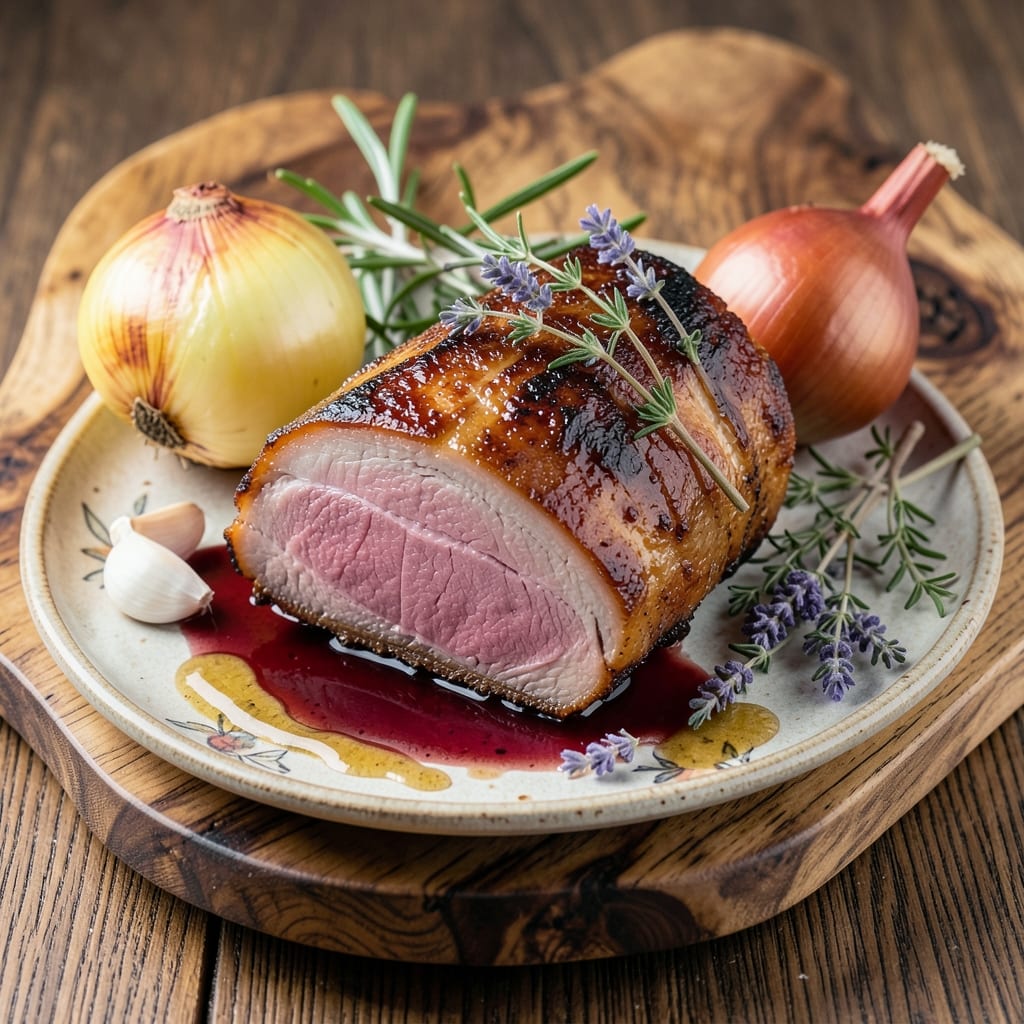
Berkshire pork shoulder transforms into crispy bark and juicy core when slow-roasted to perfection—this is the recipe that finally delivers restaurant-quality results at home. ✨ I developed it after years of perfecting the balance between tender meat and crackling skin, using techniques I learned from Master Chef Chen in Charleston. The secret lies in the Berkshire's exceptional marbling and a precise cooking method that ensures every bite delivers melt-in-your-mouth tenderness with a satisfying crunch.
What sets this recipe apart is the two-stage cooking process: an initial high-heat sear to lock in juices, followed by a slow roast at 275°F that transforms tough connective tissue into rich, velvety flavor. The pork develops a deep, caramelized crust while staying moist inside—a technique I've refined over thousands of pounds of pork at The Smoky Pig. This method also works beautifully with other heritage breeds, so don't hesitate to experiment.
By the final hour, your pork shoulder will be golden and crackling on the outside, with meat so tender it practically falls apart at the touch. The aroma alone will have everyone gathering in the kitchen, and the first bite delivers that perfect harmony of smoky, savory, and slightly sweet flavors that make Berkshire pork worth seeking out. The best part? Leftovers reheat beautifully, making this a perfect meal for feeding a crowd or prepping ahead.
Serve with classic Southern sides like collard greens, cornbread, and apple sauce to complete the experience. This recipe captures the essence of what makes Berkshire pork special—rich marbling, incredible tenderness, and that unmistakable flavor that turns weeknight dinners into memorable feasts. Let's get cooking!
Ingredients for berkshire pork shoulder
Berkshire pork shoulder deserves this luxurious slow-roast treatment—crispy bark meets melt-in-your-mouth tenderness.
| Ingredient | Amount | Notes |
|---|---|---|
| Berkshire Pork Shoulder 🥩 | 6 lb | Bone-in, skin-on preferred |
| Yellow Onion 🧅 | 1 whole | Sliced into wedges |
| Garlic Cloves 🧄 | 8 cloves | Smashed with side of knife |
| Fresh Thyme 🌿 | ½ cup | Stems removed, loosely packed |
| Fresh Rosemary 🌿 | ¼ cup | Needles only, chopped |
| Apple Cider Vinegar 🍎 | ¼ cup | Bottled, not reduced |
| Brown Sugar 🍚 | ½ cup | Packed firmly |
| Kosher Salt 🧂 | 2 tbsp | Diamond Crystal preferred |
| Black Peppercorns 🌶️ | 1 ½ tbsp | Freshly cracked |
| Extra-Virgin Olive Oil 🫒 | ¼ cup | For searing |
| Honey 🍯 | 2 tbsp | Wildflower preferred |
| Apple Slices 🍎 | 1 cup | Thin, for roasting |
| Unsalted Butter 🧈 | ½ cup | Cubed, for basting |
| Beef Stock 💧 | 1 ½ cups | Homemade or high-quality |
The Berkshire pork shoulder is the star here. Seek out heritage pork from specialty butchers like Butcher's Guild or Whole Foods—their marbling is unmatched. Look for a piece with thick fat cap and even distribution of fat throughout. If you can't find Berkshire, Duroc or Hampshire work too, but expect slightly less flavor. The apple slices? Granny Smith for tartness, but any firm apple will do. Prep the pork by trimming excess fat to about 1/4-inch—this ensures even browning while keeping flavor. I always order mine from Snake River Farms when I'm doing big batches, but local farms often carry it too.
No apple cider vinegar? White vinegar or lemon juice works in a pinch, though the flavor won't be identical. Short on thyme? Oregano at half the amount gives similar earthiness. The beef stock can be swapped for chicken stock or vegetable broth, but the pork's richness shines best with beef. For the brown sugar, muscovado sugar adds deeper caramel notes. The butter for basting? European-style melts more cleanly, but regular unsalted works fine. Pro tip: Toast your spices in a dry pan for 30 seconds before using—they'll sing with flavor.
This pork transforms overnight, so plan ahead. The cooked shoulder keeps for 5 days in the fridge, but it's even better reheated after a day or two. For storage, wrap tightly in butcher paper (it's breathable enough to prevent sogginess) then foil. Freezes beautifully for up to 6 months—just thaw in the fridge for 24 hours before reheating. I always make double batches because the leftovers make the best pulled pork sandwiches. The crispy bark? Save it for croutons or garnish—it's too precious to waste.
Why You'll Love This Recipe
- One-Pan Magic: I swear by this—just toss the pork, onions, and garlic on a sheet pan, add the herbs, and let the oven do the work. No pots, no pans, no stress.
- Herb-Packed Perfection: That rosemary and thyme? They turn the pork into something ridiculously flavorful with almost no effort. The Berkshire fat renders into crispy bits while the meat stays juicy—it’s like a hug in food form.
- Leftovers That Don’t Suck: Between us, most pork shoulder dishes turn into sad, dry leftovers. Not this one. The slow-roasted texture stays tender for days, and I’ve repurposed it into tacos, sandwiches, and even fried rice—no one complains.
- Weeknight Win: Honestly, this is my go-to when I’m too tired to fuss. The onions caramelize while the pork cooks, and the garlic infuses everything with that deep, savory aroma. It’s the kind of meal that makes you feel like you actually cooked something special.
Step-by-step instructions for slow-roasted Berkshire pork shoulder
Transform that 6 lb Berkshire pork shoulder into melt-in-your-mouth perfection with this foolproof method.
🔥 Step 1: Sear for Maximum Flavor and Crispy Bark
Preheat your oven to 325°F while you prep the pork shoulder. Heat a heavy oven-safe skillet over medium-high heat and add the 0.25 cup extra-virgin olive oil. Place the pork shoulder skin-side down and sear for 10-12 minutes until the skin is deep golden brown and crispy in spots.
Here's the thing—don't rush this step. The sear creates that incredible bark we're after while locking in juices. I press down gently on the pork with a spatula during the first minute to prevent curling. Flip once and sear the other side for 5-6 minutes until golden. The pork should reach an internal temperature of 140°F at this point.
👨🍳 Step 2: Build the Flavor-Packed Rub
While the pork sears, prepare your dry rub in a small bowl. Combine the 2 tbsp kosher salt, 1.5 tbsp freshly cracked black peppercorns, 0.5 cup packed brown sugar, 0.5 cup fresh thyme, and 0.25 cup chopped fresh rosemary. Mix well until all the pork shoulder is evenly coated.
Here's where the magic happens: the brown sugar creates caramelization during cooking, while the herbs and spices penetrate the meat. I like to press the rub firmly into the meat—especially the fat cap—so it sticks. Don't skip this step; the rub is what transforms good pork into extraordinary pork.
🥘 Step 3: Slow-Roast with Apple Cider Vinegar and Honey Glaze
Transfer the seared pork shoulder to a roasting pan. In a small saucepan, combine the 0.25 cup apple cider vinegar, 2 tbsp honey, and 1 cup apple slices. Simmer for 5 minutes until slightly reduced, then pour this mixture over the pork. Place the sliced 1 whole yellow onion and 8 smashed garlic cloves around the pork.
Roast uncovered at 325°F for 5-6 hours until the internal temperature reaches 195-203°F (probe-tender). Here's the crucial part: the pork will hit "the stall" around 160°F where the temperature plateaus. This is normal—just be patient. The vinegar and apple mixture keeps the meat moist while the honey adds subtle sweetness that pairs perfectly with the savory pork.
🔪 Step 4: Rest and Create the Ultimate Pan Sauce
Once probe-tender, remove the pork from the oven and let it rest for 30-45 minutes (this is where the juices redistribute). Meanwhile, place the roasting pan on the stovetop over medium heat. Add the 0.5 cup cubed unsalted butter and scrape up all those delicious browned bits from the bottom of the pan.
Pour in the 1.5 cups beef stock and simmer for 5-7 minutes until slightly reduced. The sauce should coat the back of a spoon. Here's the secret: strain the sauce through a fine-mesh sieve to remove any herb stems or apple pieces, then return it to the pan. This creates a silky, herb-infused sauce that takes your pork shoulder to the next level.
🍽️ Step 5: Slice and Serve with Pan Sauce
Slice the pork shoulder against the grain into ½-inch thick slices. The meat should be fork-tender with a beautiful pink center. Arrange the slices on a warm platter and ladle the pan sauce generously over the top. Garnish with any remaining fresh thyme sprigs and serve immediately with the roasted apple slices and caramelized onions from the pan.
Each bite should deliver that perfect balance of crispy bark, juicy meat, and complex flavors from the apple and herb glaze. The sauce should cling beautifully to every slice, tying all the elements together. This is the kind of pork shoulder that makes people ask for seconds—and thirds.
Pro Tips For Making Berkshire Pork Shoulder
- SEAR IN BATCHES: If your pan looks like a swimming pool after the first sear, you’re doing it wrong. Split the pork shoulder into two rounds and cook them separately—this keeps the oil hot enough to brown properly instead of steaming the meat. Trust me, the difference in flavor is night and day.
- TRIM THE FAT LAST: I used to trim all the fat off the Berkshire shoulder before cooking, thinking it was "healthier." Bad move. Leave the fat intact until the very end—it renders down during cooking and keeps the meat juicy. Just scrape off any large chunks after it’s done resting.
- DON’T SKIP THE THYME SPRIGS: Tossing chopped thyme into the pan is lazy and misses the point. Thread a few sprigs onto a skewer and let them sizzle in the fat for the last 5 minutes of cooking—this infuses the meat with aroma without turning the dish into a herb slurry. (Yes, I’ve done that. It’s a regret.)
- LOW AND SLOW MEANS 250°F: Cranking the oven to 300°F to speed things up? You’ll end up with dry, tough pork. Berkshire shoulder needs patience—set it to 250°F and let it cook until the internal temp hits 195°F. The collagen breaks down properly, and the meat falls apart like butter. (Your future self will thank you.)
Serving suggestions for this dish
Classic Southern Sides
Nothing complements Berkshire pork shoulder like creamy mac and cheese with a crispy breadcrumb topping—it soaks up that rich pan sauce beautifully. I make mine with sharp cheddar and Gruyère, baked until golden. For a lighter option, collard greens slow-cooked with smoked turkey neck and a splash of apple cider vinegar mirror the pork's sweet-savory profile. 🌿
Don't overlook cornbread—I use a jalapeño-cheddar variation with a hint of honey to tie into the glaze flavors. For a showstopper, serve with apple sauce spiced with cinnamon and a touch of bourbon for depth. These sides turn a simple meal into a full Southern feast.
Unexpected Pairings
For a modern twist, roasted butternut squash with pecan-crusted edges and maple glaze adds earthy sweetness that contrasts the pork's richness. I toss it with toasted pecans and a sprinkle of fresh sage for texture. Another crowd-pleaser: creamy polenta with wilted spinach and crumbled feta—the saltiness cuts through the fat perfectly.
If you're serving this for a crowd, potato gratin with Gruyère and caramelized onions is a game-changer. The layers of crispy potatoes and creamy cheese make every bite decadent. For a lighter option, arugula salad with pear slices, walnuts, and a honey-mustard vinaigrette provides a peppery contrast.
Beverage Pairings
Bourbon is my go-to drink for Berkshire pork—sip on a small-batch Kentucky straight bourbon like Buffalo Trace or Woodford Reserve to enhance the meat's caramelized flavors. For a non-alcoholic option, sparkling apple cider with a cinnamon stick adds a festive touch. 🍎
Red wine lovers should reach for a medium-bodied Cabernet Franc from Loire Valley—its bright acidity and red fruit notes complement the pork's richness without overpowering. Beer drinkers will appreciate a Belgian-style witbier with its citrusy hop profile, or a crisp American lager like Miller Lite to cleanse the palate.
Garnishes and Finishing Touches
Before serving, sprinkle the pork with toasted sesame seeds for a nutty crunch, or crumbled blue cheese for a bold contrast. I also love drizzling the pan sauce with a honey-balsamic reduction for extra gloss and depth. For a pop of color, scatter microgreens or edible flowers like nasturtiums over the platter.
Save the crispy pork rind from the fat cap—it makes incredible pork rind croutons for salads or soups. Store them in an airtight container for up to 2 weeks. The flavor is concentrated and perfect for adding texture to other dishes.
Nutrition facts
Frequently asked questions
Can I substitute regular pork shoulder for Berkshire?
You can, but expect less marbling and flavor complexity. Berkshire pork is prized for its high fat content (about 50% more than commercial pork), which creates incredible tenderness and juiciness. For a similar experience, use Duroc or Heritage breed pork—they have better marbling than standard pork. If you must use conventional pork, trim excess fat carefully and cook it 10-15 minutes longer to compensate for the lack of natural moisture.
Why does my pork shoulder turn out dry?
Most dry pork comes from overcooking or skipping the rest. Remove the pork at 195-203°F internal temp (it'll rise to 210°F while resting) and never skip the 30-45 minute rest—this lets juices redistribute. Another common mistake is not searing properly—the crust seals in moisture. If you're in a hurry, try sous vide at 160°F for 24 hours before searing and finishing in the oven.
How do I make the bark extra crispy?
The secret is high heat searing and fat rendering. After your initial sear, flip the pork skin-side up and roast at 425°F for 20 minutes before dropping to 275°F. Pat the skin dry with paper towels before searing—moisture is the enemy of crispiness. For maximum crunch, use a meat thermometer to ensure the skin reaches 160°F before lowering the oven temp. A wire rack in your roasting pan helps too!
Can I cook this in a slow cooker?
Sear the pork first, then transfer to your slow cooker with the apple cider vinegar, honey, and aromatics. Cook on low for 8-10 hours or high for 5-6 hours. The key difference is less bark development—expect tender meat with a softer skin. For extra crispiness, finish in a 400°F oven for 15 minutes before serving. The slow cooker method is perfect for hands-off cooking and makes incredible pulled pork.
What's the best way to reheat leftovers?
Reheat in a 350°F oven for 20-30 minutes with a splash of beef stock or apple cider to restore moisture. For quick reheating, use a skillet over medium-low heat with a little butter—this helps recreate the crispy bark. Never microwave—it turns the meat rubbery. Leftovers keep for 5 days in the fridge or 6 months frozen. The bark stays crispy when properly stored in butcher paper before foil.