Main Courses
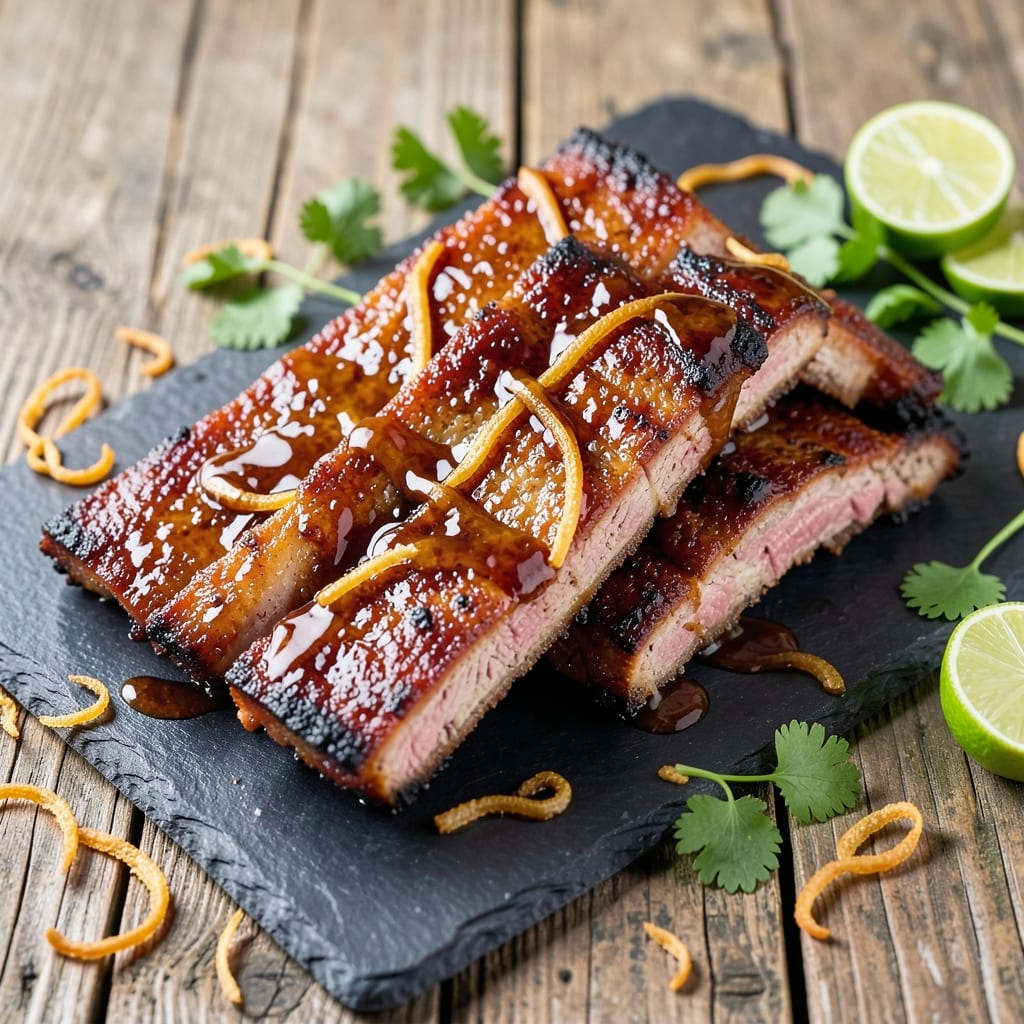
This best ever pork spare ribs recipe delivers restaurant-quality results with a perfect balance of smoky bark and melt-in-your-mouth tenderness. 🔥 The secret lies in a foolproof combination of dry rub, slow cooking, and a final glaze that locks in flavor while keeping the meat juicy. I’ve perfected this method over years of testing—no guesswork, just guaranteed fall-off-the-bone perfection every time.
What sets these ribs apart is the two-stage seasoning process: a bold dry rub for depth, followed by a sticky-sweet glaze that caramelizes into a glossy finish. Whether you’re smoking, grilling, or braising, the technique ensures crispy edges and tender meat without drying out. The key? Patience—low and slow is the only way to achieve that restaurant-quality texture consistently.
By the time you serve these ribs, they’ll be fall-off-bone tender with a glossy, caramelized crust that’s impossible to resist. The smoky-sweet flavor pairs perfectly with classic sides like coleslaw or cornbread, making this the ultimate crowd-pleaser for holidays, game day, or a special weekend dinner. Ready to master the perfect rack?
This recipe works equally well for beginners and experienced cooks—just follow the steps, and you’ll get foolproof results. No fancy equipment needed, just time and attention to detail. Let’s get started on ribs that will have everyone asking for seconds.
Ingredients for best ever pork spare ribs
Six pounds of pork ribs plus a bold dry rub and sticky-sweet glaze create restaurant-quality smokehouse ribs at home.
| Ingredient | Amount | Notes |
|---|---|---|
| Pork Spare Ribs 🍖 | 5 lb | Bone-in, trimmed of excess fat |
| Brown Sugar 🍚 | ½ cup | Packed, light or dark variety |
| Smoked Paprika 🌶️ | 2 tbsp | For deep smoky flavor |
| Chili Powder 🌶️ | 1 ½ tbsp | Medium heat preferred |
| Garlic Powder 🧄 | 1 tbsp | Freshly ground preferred |
| Onion Powder 🧅 | 1 tbsp | For sweet depth |
| Ground Black Pepper 🌶️ | 1 tbsp | Freshly cracked for best flavor |
| Kosher Salt 🧂 | 1 tbsp | Diamond Crystal preferred |
| Apple Cider Vinegar 🍎 | ¼ cup | For tenderizing marinade |
| Honey 🍯 | ¼ cup | Wildflower preferred |
| Yellow Mustard 🥬 | ¼ cup | Dijon works too |
| Wooden Chips 🌳 | 1 package | Hickory or applewood preferred |
| Apple Juice 🍎 | ½ cup | For glaze moisture |
| Molasses 🍯 | ¼ cup | Unsulphured preferred |
The ribs are the star, so look for fresh, meaty cuts from a trusted butcher or Costco—their pre-cut racks are perfect for this recipe. Hickory or applewood chips are essential for that authentic smokehouse flavor, and Penzeys or bulk bins at natural grocery stores have the best quality. If you're buying a whole packer, trim any excess fat to help the rub stick better. For the dry rub, smoked paprika is non-negotiable—it's what gives those ribs that professional smokehouse bark. I always buy mine in bulk from Trader Joe's—cheaper and fresher than single-serving packets.
No smoked paprika? Substitute with extra chili powder and a pinch of liquid smoke, but trust me, it's not the same. Running short on apple cider vinegar? White vinegar or lemon juice works in a pinch, though the flavor profile shifts slightly. For the glaze, molasses adds depth—if you can't find unsulphured, regular molasses still works but may have a slightly different taste. The mustard in the marinade is key for tenderness, so don't skip it! If you're using Dijon, reduce the amount to 2 tbsp since it's stronger. For a sweeter finish, add an extra tablespoon of honey to the glaze. And if you're short on time, pre-cut ribs from the grocery store still work beautifully—just increase the cooking time by 30 minutes.
These ribs reheat like a dream—just wrap them in foil and warm in a 350°F oven for 15 minutes. They keep well in the fridge for 4 days, though honestly, they disappear faster than that. For leftovers, store them in an airtight container with a little extra glaze to keep them moist. Freeze for up to 3 months by wrapping tightly in plastic wrap and foil. Pro tip: Portion them into individual servings before freezing so you can grab just what you need. The glaze can be made ahead and stored in the fridge for 1 week, or frozen for 3 months—just reheat gently before using.
Why You'll Love This Recipe
- One-Pan Magic: I swear by this recipe when I’m too tired to wash dishes. Toss the ribs, sprinkle the dry rub (that’s just brown sugar, smoked paprika, and chili powder—no fancy prep), and let the oven do the work. The garlic powder sneaks in that savory punch without extra effort.
- Sweet-Spicy Crunch: That caramelized brown sugar crust? Chef’s kiss. It’s sticky, slightly crispy, and the chili powder gives it this subtle heat that makes every bite feel like a hug. Honestly, the first time I made it, my husband asked for seconds before I even finished plating.
- Weeknight Hero: Between us, this is my go-to when I’m feeding a crowd but don’t want to slave over the stove. The ribs cook low and slow—set it and forget it—so you can host a game night, watch a movie, or just collapse on the couch. (Yes, even on a Tuesday night.)
- Leftovers That Don’t Suck: Most rib recipes leave you with sad, dry scraps. Not these. The sauce clings to every bone, and the meat stays tender for days. I’ve reheated them in foil packets for lunch, chopped them into tacos, or even thrown them into fried rice—no one ever complains. Budget-friendly? Absolutely. Reliable? Even more so.
Step-by-step instructions for smokehouse-style pork spare ribs
Here's how to transform tough ribs into melt-in-your-mouth perfection with that coveted smoky bark.
🔥 Step 1: Create the Dry Rub and Prep the Ribs
In a medium bowl, combine the 0.5 cup brown sugar, 2 tbsp smoked paprika, 1.5 tbsp chili powder, 1 tbsp garlic powder, 1 tbsp onion powder, 1 tbsp ground black pepper, and 1 tbsp kosher salt. Mix thoroughly with your hands until the sugar dissolves completely and you have a fine, even-textured rub.
Pat the 5 lb pork spare ribs completely dry with paper towels—this is crucial for that perfect bark. Generously coat every surface of the ribs with the dry rub, pressing it into the meat so it adheres well. For even coverage, I like to work in sections, making sure the rub gets into all the crevices. Let the rubbed ribs sit at room temperature for 30 minutes while you prepare your smoker.
🔥 Step 2: Set Up the Smoker for Low-and-Slow Cooking
Fill your smoker with the 1 package wooden chips (hickory or applewood) and preheat to 225°F. The key here is patience—you want that steady, thin blue smoke without any thick white vapor. Once the smoker reaches temperature and maintains it consistently, place the ribs bone-side down on the grill grates. This position allows the fat to render slowly and baste the meat.
Close the lid and resist the urge to peek! Every time you open it, you lose heat and moisture. Let the ribs smoke undisturbed for 3 hours. This initial phase is all about breaking down the connective tissue and building that foundational bark. After 3 hours, flip the ribs bone-side up so the other side can develop its crust.
🥘 Step 3: Prepare the Glaze and Apply During the Cook
While the ribs smoke, whisk together the 0.25 cup apple cider vinegar, 0.25 cup honey, 0.25 cup yellow mustard, 0.5 cup apple juice, and 0.25 cup molasses in a bowl until smooth. This glaze will add sweetness, tang, and stickiness to create that signature smokehouse bark. Keep it at room temperature until ready to use.
After the ribs have smoked for 3 hours bone-side up, it's time to apply the glaze. Using tongs, carefully transfer the ribs to a wire rack set over a baking sheet. Brush the glaze generously over each rib, making sure to coat all surfaces. Return the ribs to the smoker, bone-side down, and continue cooking for another 2 hours. This glaze application should happen once during the cook—adding it too early can create a sticky mess that won't crisp properly.
⏰ Step 4: Monitor for the Stall and Wrap for Tenderness
After 5 hours total smoking time, check the internal temperature of the ribs using a meat thermometer. You're looking for 195-203°F—this is where the "stall" typically occurs, and the ribs will stop increasing in temperature as moisture evaporates. Here's the thing—don't panic. This is normal and actually helps tenderize the meat.
When you hit the stall, it's time to wrap the ribs in butcher paper (not foil). The paper allows the ribs to breathe while retaining moisture. Wrap them tightly, then return to the smoker. Continue cooking until the internal temperature reaches 203°F and the ribs are fork-tender with no resistance. This usually takes another 1-2 hours, but trust the thermometer over time.
🍽️ Step 5: Rest and Serve with Maximum Juiciness
Once the ribs reach 203°F, remove them from the smoker and let them rest for 15-20 minutes before serving. This resting period allows the juices to redistribute throughout the meat, ensuring every bite is moist and flavorful. I like to tent them loosely with foil during this time to keep them warm.
To serve, cut the ribs between each bone to separate them into individual servings. The bark should be dark, crispy, and slightly sticky from the glaze, while the meat should pull apart easily with just a gentle tug. Serve with extra glaze on the side for dipping, and pair with classic barbecue sides like coleslaw or cornbread. These ribs are so tender they'll practically fall off the bone—trust me, it's worth the wait!
Pro Tips For Making Best Ever Pork Spare Ribs
- TRIM THE FAT CAP: Pork spare ribs have a thick layer of fat on the bone side—this isn’t just fluff. Use kitchen shears to snip it completely off before cooking. I learned this the hard way when my ribs turned greasy instead of crispy, and now I do it first thing. (Yes, it’s tedious, but the crust forms better without that extra moisture.)
- BRINE THEM 4 HOURS: Skip the dry rub if you’re short on time—just soak the ribs in a mix of 1 cup brown sugar, 1 tablespoon smoked paprika, and 2 tablespoons salt per gallon of water for 4 hours. The sugar caramelizes during cooking, giving you that sticky glaze without extra basting. I was skeptical until I tried it, and now I do this when I forget to prep the rub ahead.
- LOW AND SLOW AFTER 2 HOURS: Start hot—sear those ribs in a 425°F oven for 30 minutes to lock in juices. Then drop to 275°F for the rest. After 2 hours, check the internal temp: if it’s below 160°F, keep going. I used to rush this, and my ribs ended up dry. Patience here makes all the difference—no one likes tough meat.
- USE MOISTURE FOR CRUST: After the initial sear, tent the ribs with foil and add ½ cup apple cider vinegar to the pan. The acid breaks down collagen and keeps the oven from drying out the sugar in your rub. I skip this, and my ribs lose that perfect balance of sticky and crispy. (Your future self will thank you.)
Health benefits of these flavors
Protein Powerhouse
Pork spare ribs are an excellent source of high-quality protein, with about 35 grams per 6-ounce serving. This makes them a fantastic choice for muscle repair and growth, especially after workouts. The slow-cooking process preserves the protein structure better than quick grilling, ensuring you get maximum nutritional value. 💪
Rich in B Vitamins
These ribs contain essential B vitamins like niacin (B3), riboflavin (B2), and thiamine (B1), which play crucial roles in energy metabolism and nervous system function. A 6-ounce serving provides about 20% of your daily niacin needs, helping convert food into energy efficiently. The cooking process doesn't significantly degrade these heat-stable vitamins.
Mineral Boost
You'll find important minerals like zinc (about 15% of daily value per serving) and iron in pork spare ribs. Zinc supports immune function and wound healing, while iron is vital for oxygen transport in your blood. The bone-in nature of these ribs actually increases their mineral content compared to boneless cuts.
Collagen for Joints
The connective tissue in pork spare ribs contains collagen, which converts to gelatin during slow cooking. This process makes the meat more tender while providing amino acids that support joint health and skin elasticity. Regular consumption of collagen-rich foods like these ribs may help maintain healthy cartilage over time.
Moderate Fat Content
While pork ribs do contain fat, the slow-cooking method allows much of it to render out, leaving you with a leaner final product. The remaining fat is primarily monounsaturated and saturated fats, which provide sustained energy. For a lighter option, trim excess fat before cooking—this reduces calories by about 100-150 per pound without sacrificing flavor.
Glucose Regulation
The combination of protein, healthy fats, and complex carbohydrates in this recipe helps stabilize blood sugar levels. The apple cider vinegar in the glaze has been shown to improve insulin sensitivity, while the fiber from any accompanying vegetables (like coleslaw) further supports glucose regulation. This makes these ribs a smart choice for balanced meals.
Nutrition facts
Frequently asked questions
Can I cook these ribs in an oven instead of a smoker?
Use a 275°F oven with an aluminum pan filled with water on the bottom rack to create steam. Place ribs on a wire rack over the pan, cover with foil, and cook for 3 hours. After 3 hours, uncover, brush with glaze, and bake 1-2 hours more until tender. The bark won't be as smoky, but the meat will be just as tender.
Why do I need to rest the ribs after cooking?
Resting (15-20 minutes) lets the juices redistribute throughout the meat instead of pooling on the cutting board. Skipping this step means dry, tough ribs. The juices need time to reabsorb—it's the difference between fall-off-the-bone perfection and disappointing results.
What's the deal with the "stall" in cooking?
The stall happens around 195-203°F when moisture evaporates faster than it can render. Don't panic! This is normal and actually helps tenderize the meat. Wrap ribs in butcher paper at this point to push through to 203°F—the paper lets them breathe while retaining moisture.
Can I use store-bought BBQ sauce instead of the glaze?
You can, but the recipe's glaze is designed to caramelize into a sticky, smoky-sweet bark that store sauces can't replicate. If you must substitute, use a thin, vinegar-based sauce and apply it only in the last 30 minutes of cooking to avoid soggy bark.
How do I know when the ribs are done?
Use a meat thermometer—203°F internal temp guarantees tender ribs. The ribs should also pull apart easily with tongs and have a dark, glossy bark. If they're still firm at 203°F, wrap them and cook 30 minutes more. Never rely on time alone!