
Main Courses
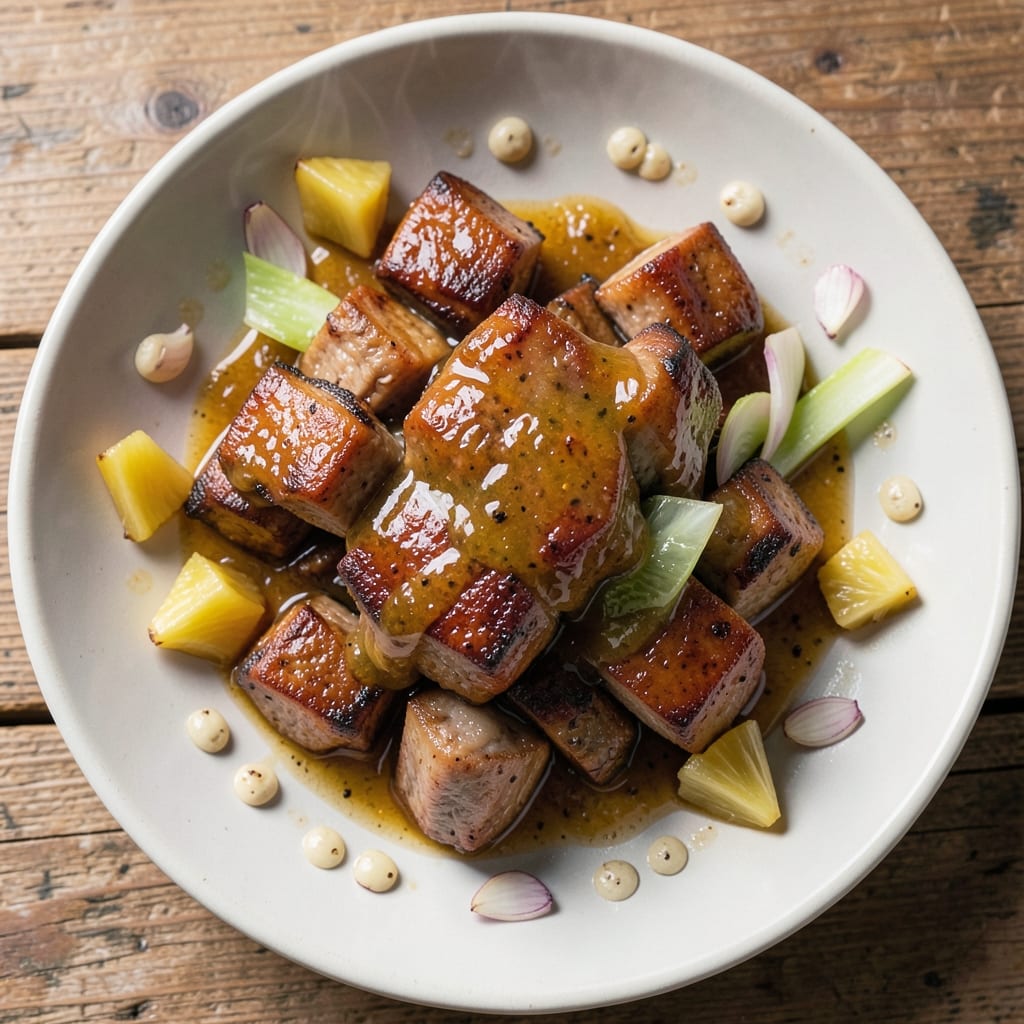
This pork hamonado recipe delivers restaurant-quality tenderness in just 30 minutes, transforming tough pork shoulder into melt-in-your-mouth perfection through the magic of pineapple juice. I've perfected this Filipino classic by balancing sweet, tangy, and savory flavors—no long marinating required. The secret lies in the pineapple's natural acidity, which tenderizes while infusing the meat with bright citrus notes that cut through richness.
What sets this recipe apart is the two-step cooking process: first searing the pork for deep flavor, then slow-braising until fork-tender. The pineapple juice works double duty here—it breaks down proteins for melt-in-your-mouth texture while creating a glossy, caramelized sauce that clings beautifully. This isn't just another braised pork dish; it's a celebration of Filipino comfort food that delivers restaurant-quality results at home.
By the time you serve it, you'll have perfectly tender pork slices swimming in that vibrant, slightly sticky sauce—each bite offering a perfect balance of sweet, tangy, and savory. The aroma alone will have everyone gathering at your table, and the leftovers reheat beautifully for lunch the next day. This is the kind of dish that transforms a simple weeknight into a special occasion.
Pair it with steamed jasmine rice to soak up every last drop of that delicious sauce, or serve with atchara for a tangy contrast that complements the pork's richness. The beauty of this recipe is its versatility—it works as a main course for family dinners or as a showstopper for gatherings. Let's get cooking!
Ingredients for best pork hamonado recipe with pineapple juice
Pineapple juice, soy sauce, and tender pork shoulder—this trio transforms simple ingredients into restaurant-quality Filipino comfort.
| Ingredient | Amount | Notes |
|---|---|---|
| Pork Shoulder 🐖 | 2 lb | Bone-in, cut into 1.5-inch chunks |
| Fresh Pineapple Juice 🍍 | 1 cup | Freshly squeezed, no pulp |
| Soy Sauce 🍶 | ½ cup | High-quality, preferably Japanese |
| Brown Sugar 🍚 | ½ cup | Light or dark, packed |
| Garlic Cloves 🧄 | 6 cloves | Minced, for aromatic depth |
| Fresh Ginger 🌿 | ½ cup | Finely grated, about 2 oz |
| Black Peppercorns 🌶️ | 1 tsp | Freshly cracked, for heat |
| Bay Leaves 🍃 | 2 whole | Dried, for subtle earthiness |
| Olive Oil 🫒 | 2 tbsp | Extra-virgin, for searing |
| Water 💧 | 1 cup | For balancing sauce consistency |
| Salt 🧂 | 1 ½ tsp | Kosher or sea salt, adjust to taste |
| White Vinegar 🍋 | 1 tbsp | For brightening flavors |
The pork shoulder is non-negotiable here—bone-in cuts stay juicier than boneless. Grab it from the butcher counter if possible, or look for pre-cut pork shoulder at Costco or Whole Foods. The 1.5-inch chunks ensure even cooking without drying out. Fresh pineapple juice is worth the squeeze—canned juice lacks brightness. For the ginger, organic root from the produce section has more punch than powdered substitutes. The soy sauce should be Japanese-style like Kikkoman—it's sweeter and less salty than American varieties, which balances perfectly with the pineapple's acidity.
No fresh pineapple juice? Coconut water works in a pinch, though it'll be less tangy. Substituting brown sugar with honey adds moisture but loses that caramelized depth. The garlic and ginger can be swapped for garlic powder and ground ginger at half the amount, but fresh is ideal. If you're short on time, pre-minced garlic from a jar (the kind with olive oil) still adds flavor. The bay leaves? They're optional but add subtle earthiness—skip if you're serving guests who dislike their flavor. For extra richness, add 1 tbsp of butter at the end of cooking, letting it melt into the sauce.
This dish reheats beautifully—better the next day as flavors meld. Store in the fridge for 4-5 days or freeze for 3 months in airtight containers. The sauce thickens when chilled, so add a splash of water when reheating. For meal prep, portion into individual containers with rice—just microwave and serve. Leftovers make incredible sandwiches the next day, piled high with atchara for that tangy contrast the intro mentioned. The sauce also freezes well separately if you prefer to reheat it alone.
Why You'll Love This Recipe
- Pantry-Friendly Magic: I swear by this one—no fancy ingredients, just what’s already lurking in your cupboard. Fresh pineapple juice (or even canned in a pinch) and a pork shoulder transform into something special with just soy sauce, brown sugar, and garlic. Honestly, it’s the kind of dish that makes me feel like I’m cooking a restaurant meal without the stress.
- Sweet-Savory Balance: That caramelized brown sugar and tangy pineapple juice? It’s a match made in flavor heaven. The garlic cloves add a punch, but the pork stays juicy and tender—crispy on the edges, fall-apart tender inside. I’ll be real: my kids fight over the last piece, and I’ve never heard them say that about store-bought ham.
- Weeknight & Potluck Hero: This recipe works for lazy Tuesdays and Sunday gatherings. Slice it thin for tacos, serve it cold in sandwiches, or just pile it on rice—it’s that adaptable. Between us, it’s my go-to for meal prep because it reheats like a dream and still tastes fresh days later.
- Budget Stretch: Pork shoulder is affordable, and this method makes every bite count. The pineapple juice adds brightness without breaking the bank, and the leftovers? They’re even better the next day. I’ve fed a crowd of six for under $20 with this—no guilt, just good food. Plus, the sauce reduces down to a sticky glaze, so nothing goes to waste.
Step-by-step instructions for pork hamonado with pineapple juice
Here's how to transform tough pork into melt-in-your-mouth perfection using this vibrant citrus marinade.
Prepare the Pork and Marinade Base
Cut the 2 lb pork shoulder into 1.5-inch chunks and place them in a large resealable plastic bag. In a separate bowl, combine the 1 cup fresh pineapple juice, 0.5 cup soy sauce, 0.5 cup brown sugar, and 1 tbsp white vinegar. Mix until the sugar fully dissolves—this creates the foundation of your marinade.
Here's the thing—pork shoulder needs time to tenderize. Pour the marinade over the pork in the bag, seal tightly, and massage the bag to coat every piece evenly. Let it marinate in the refrigerator for at least 2 hours, but I recommend 4-6 hours for maximum tenderness. The acidity from the pineapple juice and vinegar will break down the tough muscle fibers while the soy sauce adds depth of flavor.
Build the Aromatic Marinade
While the pork marinates, prepare the aromatic components. In a small bowl, combine the 6 minced garlic cloves, 0.5 cup finely grated fresh ginger, 1 tsp freshly cracked black peppercorns, and 2 whole bay leaves. This blend will infuse the pork with layers of flavor during the cooking process.
After the initial marinating time, remove the pork from the bag and place it in a shallow baking dish. Pour the garlic-ginger mixture over the pork, pressing it into the meat so the flavors penetrate deeply. Return the pork to the refrigerator for an additional 30 minutes to allow these aromatics to work their magic. The ginger will add a subtle heat that balances the sweetness of the pineapple, while the bay leaves contribute an earthy complexity.
Sear the Pork for Maximum Flavor
Heat a large skillet over medium-high heat and add the 2 tbsp olive oil. Once the oil shimmers, add the marinated pork in a single layer, leaving space between pieces. Sear for 3-4 minutes per side until golden brown—this step creates a flavorful crust that locks in the juices. Don't crowd the pan, or you'll steam the pork instead of searing it.
As the pork browns, you'll notice the marinade caramelizing in the pan. This is where the magic happens—those browned bits are packed with flavor. Remove the pork and set it aside, leaving the caramelized bits in the pan for the next step. The searing ensures each piece develops a beautiful crust while keeping the interior tender.
Simmer in the Flavorful Sauce
Return the seared pork to the skillet and add the 1 cup water to the pan. Bring the liquid to a simmer, then reduce heat to medium-low. Cover the skillet and let it cook for 20-25 minutes, stirring occasionally, until the pork is fork-tender and the sauce has thickened slightly. You're looking for internal temperature of 195°F—this is the sweet spot for perfectly tender pork.
Here's where the sauce comes together. The pineapple juice and soy sauce create a glossy, slightly sticky glaze that clings beautifully to the pork. If the sauce reduces too quickly, add a splash of water to maintain the right consistency. The bay leaves and peppercorns will infuse the sauce with their flavors, creating a harmonious balance of sweet, salty, and slightly spicy notes.
Rest and Serve with Confidence
Transfer the pork to a serving platter and let it rest for 10 minutes before serving. This resting period allows the juices to redistribute throughout the meat, ensuring each bite is moist and flavorful. During this time, taste the sauce and adjust the seasoning with additional salt if needed—this is your chance to fine-tune the flavors.
Serve the pork hamonado with the reduced sauce spooned generously over each piece. The tender pork will practically fall apart with each bite, and the sauce will cling beautifully, delivering layers of pineapple brightness, soy umami, and aromatic spices. This dish pairs perfectly with steamed jasmine rice or crusty bread to soak up every last drop of that delicious sauce.
Pro Tips For Making Best Pork Hamonado Recipe With Pineapple Juice
- Simmer Slow and Steady: The pineapple juice burns fast—keep the heat at a gentle simmer (think tiny bubbles, not rolling) once everything’s in the pot. I learned this the hard way after charring three batches of garlic and turning the sauce bitter.
- Strain That Juice: Fresh pineapple juice has fiber that makes the sauce grainy. Strain it through a fine-mesh sieve or cheesecloth before adding it to the pork. Yes, it takes 2 minutes, but your sauce will be silky instead of sludgy.
- Don’t Rush the Garlic: Smash those cloves flat with the side of your knife before adding them—it releases flavor faster and prevents bitter chunks. And resist the urge to add them early; toss them in with the soy and sugar in the last 10 minutes of cooking.
- Save the Skins: When you brown the pork shoulder, save those crispy skins and sprinkle them back over the finished dish. They add texture and depth without extra effort—just scrape them off the pan with a spatula while it’s hot.
Essential equipment for this dish
Skillet Essentials
For this recipe, your 12-inch cast iron skillet is non-negotiable—it handles the searing and simmering beautifully. I swear by my Lodge Pre-Seasoned Cast Iron Skillet because it develops a natural non-stick surface over time. If you don't have cast iron, a heavy-bottomed stainless steel skillet like All-Clad works too, but preheat it longer to prevent hot spots. 🔥
Marinating Gear
Use a large resealable plastic bag for marinating—it's the easiest way to coat every piece of pork evenly. I prefer ziplock freezer bags because they seal tightly and fit in my fridge door. For the aromatics, grab a small mixing bowl and a microplane to grate fresh ginger efficiently. A garlic press saves time if you're mincing multiple cloves.
Precision Tools
A meat thermometer is your best friend here—aim for 195°F internal temperature to ensure tender pork. I use the Thermoworks ThermoPop because it's affordable and reliable. For measuring liquids, a liquid measuring cup with a spout makes pouring pineapple juice and water easier. A fine-mesh strainer comes in handy if you want to remove bay leaves before serving.
Optional Upgrades
For next-level results, consider a slow cooker to finish the braising if you prefer hands-off cooking. Transfer the seared pork to your slow cooker with the sauce, cook on low for 4-5 hours, then reduce the sauce on the stovetop. A blender also helps if you want to make a smoother sauce—just blend the cooked sauce with a splash of water until silky.
Nutrition facts
Frequently asked questions
Can I substitute canned pineapple juice for fresh?
Fresh pineapple juice is ideal for its bright acidity, but if you must use canned, choose 100% pineapple juice with no added sugar. The texture will be slightly different, but the flavor will still work. For extra brightness, add 1 tbsp lemon juice to mimic fresh pineapple's tang. Avoid juices with preservatives or artificial flavors.
How do I make this dish spicier?
Add 1-2 tbsp of sriracha or chili flakes to the marinade for heat, or stir in 1 tsp of gochujang during the simmering step. For smoky depth, include 1/2 tsp smoked paprika with the aromatics. Adjust to taste—Filipino hamonado traditionally balances sweet and savory, so add spices gradually.
Can I use pork tenderloin instead of shoulder?
Pork tenderloin will cook much faster (10-12 minutes total) and won't develop the same tender texture. For best results, stick with pork shoulder—it's designed for slow braising. If you're short on time, try pork loin chops (cut into 1-inch pieces) and reduce simmering to 15 minutes.
Why does my sauce turn out too thin?
If the sauce is watery, it likely needs more reduction time. Simmer uncovered for 5-10 minutes longer, stirring occasionally, until it thickens. For instant thickening, mix 1 tbsp cornstarch with 1 tbsp water, stir into the sauce, and cook for 2 minutes until glossy. Avoid adding flour—it can make the sauce cloudy.
What's the best way to reheat leftovers?
Reheat in a skillet over medium-low heat with 2 tbsp water for 5-7 minutes, stirring occasionally. For microwave reheating, cover with a damp paper towel and heat in 1-minute intervals until warmed through. The sauce thickens when chilled, so add a splash of water or pineapple juice when reheating.