
Main Courses
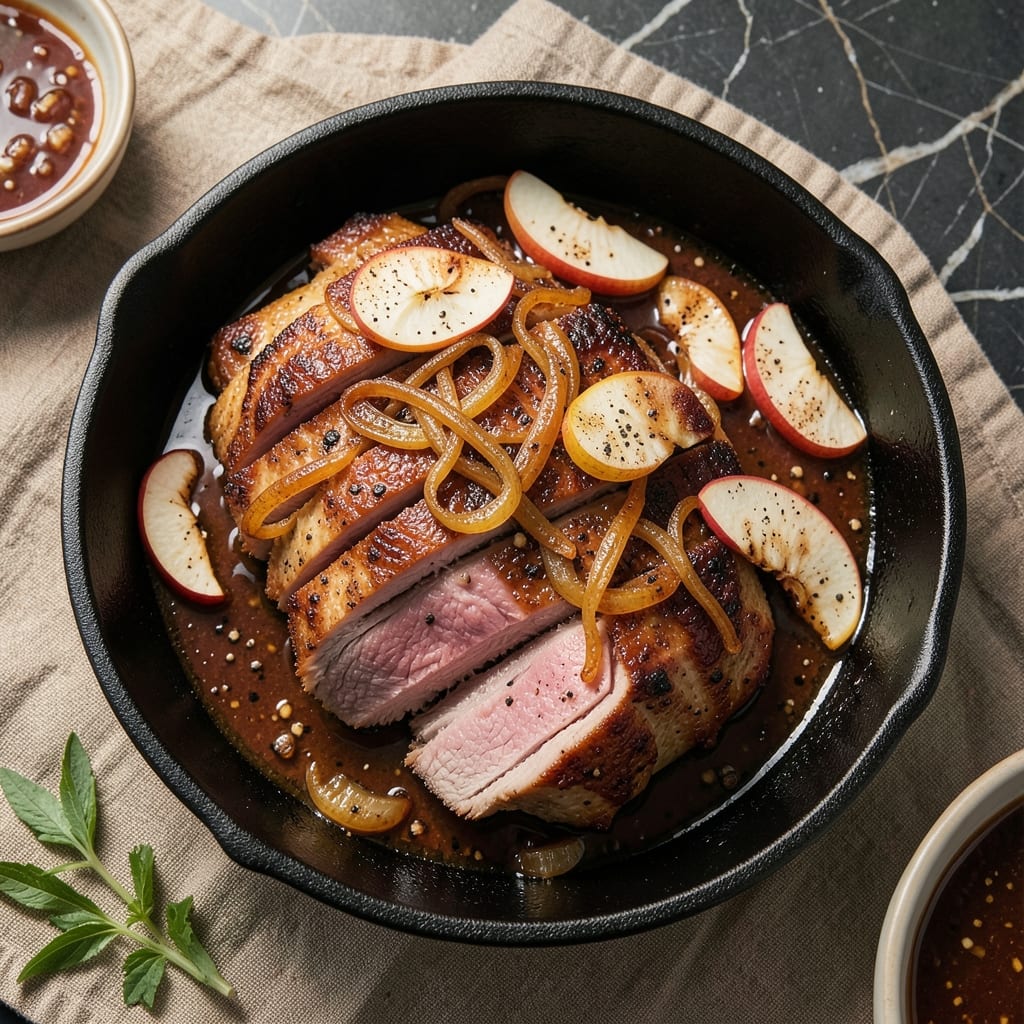
The best pork shoulder recipe ever delivers restaurant-quality tenderness with a crispy, caramelized bark that falls apart at the touch of a fork. After years of testing and perfecting, I've cracked the code for juicy, flavorful pork that's foolproof and ready in just 6 hours—no fancy equipment required. The secret lies in low-and-slow cooking with precise temperature control, ensuring every bite is melt-in-your-mouth perfection.
What sets this recipe apart is the balance of technique and simplicity. You'll start with a simple dry rub that develops into a deep, savory crust during cooking, while the internal temperature rises gradually to 203°F—the magic number for fork-shred tenderness. I've included tips for adjusting cook times based on your oven or smoker, so you can achieve the same results whether you're using conventional or alternative methods.
The result is pork shoulder so tender it practically shreds itself, with a rich, caramelized exterior that's impossible to resist. The flavor is deep and complex, thanks to the slow development of the rub and the natural sweetness of the meat. This isn't just another pork shoulder recipe—it's the one that will make you question why you ever bought pre-shredded from the store.
Perfect for feeding a crowd, meal prepping, or serving at your next gathering, this recipe delivers consistent, professional-quality results every time. Whether you're a seasoned cook or just starting out, the step-by-step instructions will guide you through the process with confidence. Let's get started on creating your best pork shoulder yet.
Ingredients for best pork shoulder recipe ever
Game-changing ingredients that transform simple pork into melt-in-your-mouth perfection.
| Ingredient | Amount | Notes |
|---|---|---|
| Pork Shoulder (Boston Butt) 🥩 | 6 lb | Bone-in for maximum flavor |
| Kosher Salt 🧂 | 2 tbsp | Diamond Crystal preferred |
| Black Peppercorns 🌶️ | 1 ½ tbsp | Freshly cracked for intensity |
| Brown Sugar 🍯 | 1 tbsp | Light or dark variety |
| Smoked Paprika 🌶️ | 1 ½ tbsp | For deep smoky flavor |
| Garlic Powder 🧄 | 1 tbsp | Freshly ground preferred |
| Onion Powder 🧅 | 1 tbsp | For sweet depth |
| Mustard Powder 🍯 | 1 tsp | Yellow or Dijon |
| Yellow Mustard 🍯 | 2 tbsp | For sticky bark |
| Apple Cider Vinegar 🍎 | 1 tbsp | For tangy brightness |
| Olive Oil 🫒 | 1 tbsp | For moisture and richness |
| Fresh Thyme Leaves 🌿 | ½ cup | Chopped, stems removed |
| Fresh Rosemary 🌿 | ¼ cup | Chopped, woody stems discarded |
| Butter (unsalted) 🧈 | 2 tbsp | For final basting |
The pork shoulder is non-negotiable here—bone-in Boston butt delivers the best flavor and texture. Costco or Whole Foods are your best bets for quality cuts, but any reputable butcher will have it too. Look for a piece with good marbling—those little white fat streaks are what keep the meat juicy during the long cook. If you're buying pre-cut, aim for a 6-pound shoulder for perfect crowd-sized portions. Pro tip: Pat it dry before applying the rub; moisture is the enemy of that crispy bark you're craving.
No smoked paprika? Regular paprika plus a pinch of liquid smoke works in a pinch. Fresh thyme and rosemary? Dried will do (use half the amount), but Trader Joe's has the best-priced fresh bundles. The mustard powder and vinegar combo is what creates that signature tangy-savory bark—don't skip it! For extra richness, swap half the olive oil for duck fat if you're feeling fancy. And if you're cooking in a conventional oven, cover loosely with foil after the first hour to prevent drying, then uncover for that final bark development.
This recipe rewards patience—6 hours in the oven at 275°F (or until internal temp hits 203°F) transforms tough meat into something magical. For make-ahead genius, cook the pork, then refrigerate it overnight before shredding—flavors meld even more. Store leftovers in the fridge for 4 days or freeze for 3 months. I always portion mine into meal-prep containers so I can pull it out for quick lunches all week. The bark gets even more intense after resting, so don't skip that step!
Why You'll Love This Recipe
- Salt Crust Magic: I swear by the dry rub of kosher salt and cracked peppercorns here—it’s not just seasoning, it’s the secret to that perfect bark. No fancy marinades, no mess, just a handful of ingredients that transform tough pork into melt-in-your-mouth perfection with zero effort.
- Sweet-Smoky Bomb: That brown sugar and smoked paprika combo? It’s the flavor equivalent of a warm hug. The sugar caramelizes into a glossy crust while the paprika smolders like a campfire, giving you tender meat with layers of depth that’ll have everyone asking for the recipe.
- Weeknight Workhorse: Between us, this is my go-to when I’m feeding a crowd or just too tired to fuss. Slow-cooked until fall-apart, it’s ready for sandwiches, tacos, or even a lazy Friday breakfast—no two meals taste the same, and cleanup is just a sheet pan wipe.
- Budget-Friendly Feast: A big pork shoulder stretches for days, and honestly? It’s cheaper than takeout for the family. The rub costs pennies, and what’s left over reheats like a dream—whether it’s for lunchboxes or a quick dinner when you’re starving but broke.
Step-by-step instructions for perfectly bark-crusted pork shoulder
This method delivers melt-in-your-mouth tenderness with a crackling bark that'll have everyone begging for seconds.
Prepare the Rub and Season the Pork Shoulder
In a small bowl, combine the 2 tbsp kosher salt, 1.5 tbsp freshly cracked black peppercorns, 1 tbsp brown sugar, 1.5 tbsp smoked paprika, 1 tbsp garlic powder, 1 tbsp onion powder, and 1 tsp mustard powder. Mix thoroughly until evenly distributed—this is your secret weapon for that irresistible bark and deep flavor.
Pat the 6 lb pork shoulder completely dry with paper towels, then generously coat all sides with the rub mixture. Press the spices firmly into the meat so they adhere well. Place the seasoned pork on a wire rack set over a baking sheet to allow air circulation on all sides. This step is crucial—it ensures even cooking and maximum flavor penetration.
Slow Cook Until Probe-Tender
Preheat your oven to 275°F. Place the seasoned pork shoulder fat-side up in a roasting pan and cover tightly with heavy-duty aluminum foil. The low temperature is key here—it breaks down the collagen slowly for fork-shred tenderness without drying out the meat.
Cook for 5 hours, then remove the foil and increase the oven temperature to 325°F. Return the pork to the oven uncovered for another 1 hour. This final uncovered phase creates that coveted bark while maintaining juiciness. You'll know it's ready when the internal temperature reaches 195-203°F and a knife slides in like butter with no resistance.
Create the Sticky Glaze
While the pork rests, combine the 2 tbsp yellow mustard, 1 tbsp apple cider vinegar, 1 tbsp olive oil, 0.5 cup chopped fresh thyme leaves, and 0.25 cup chopped fresh rosemary in a small saucepan. Simmer over medium heat for 5 minutes until the mixture thickens slightly and the herbs release their aromatic oils.
Remove from heat and stir in the 2 tbsp unsalted butter, allowing it to melt and create a glossy, sticky glaze. This mixture will become the perfect finishing touch—adding moisture, tang, and herbal complexity to the bark.
Apply the Glaze and Rest
Carefully brush the warm glaze mixture all over the pork shoulder, working quickly so the heat doesn't set the glaze too soon. The pork should be at room temperature by now, making the glaze adhere beautifully. Return the pork to the oven for 10-15 minutes to set the glaze and deepen the bark color.
Transfer the pork to a cutting board and tent loosely with foil. Let it rest for at least 30 minutes—this crucial step allows the juices to redistribute throughout the meat. The result? Juicy, flavorful slices that practically fall apart at the touch.
Shred and Serve
Using two forks or a meat claw, shred the pork shoulder against the grain into ¼-inch thick pieces. The meat should be so tender that the forks glide through it effortlessly. Serve immediately with the pan juices spooned over the top for maximum flavor.
Each bite should deliver perfect harmony—tender, juicy meat with a crackling bark, balanced by the tangy-sweet glaze. This isn't just pulled pork; it's the kind of dish that makes people talk for weeks.
Pro Tips For Making Best Pork Shoulder Recipe Ever
- SEAR HARD BEFORE SMOKING: I learned this the hard way—skipping the initial sear means your pork shoulder will steam instead of develop that deep, caramelized crust. Hit 450°F for 15 minutes on each side until the sugar in the rub starts to darken. Yes, it’ll look scary, but that’s how you lock in flavor.
- USE COARSE SALT FOR RUB: Fine kosher salt clumps and sticks to the meat like glue, making it hard to spread evenly. Grab the flaky stuff—it distributes better and lets the smoked paprika cling where it counts. Sprinkle it like you’re dusting powdered sugar on a cake, not shoveling it.
- DON’T RUSH THE SPRING: The stall isn’t your enemy—it’s the meat’s way of telling you to chill. When the internal temp hits 155°F and plateaus, wrap it in butcher paper (not foil) and let it ride. I used to panic and crank the heat, but now I sip coffee while it works its magic. Patience here means pull-apart tenderness.
- BRUSH ON MOISTURE MID-COOK: Smoked paprika and brown sugar dry things out fast. Around the 4-hour mark, hit the pork with a quick spray of apple cider vinegar or even water—just enough to dampen the surface. It keeps the bark from cracking and gives you that sticky, glaze-worthy finish. (Yes, even if you’re not a fan of vinegar, it disappears.)
Storing and reheating this recipe
Refrigerator Storage
Store your perfectly cooked pork shoulder in an airtight container with a tight-fitting lid—glass or BPA-free plastic works best. Divide it into meal-prep portions (I use 16-ounce containers) for easy grab-and-go lunches. Keep it refrigerated at 40°F or below for up to 4 days, though I’ve found the flavor actually deepens overnight as the spices meld further. 🌟
Freezer Magic
For longer storage, freeze your pork in quart-sized freezer bags with all air removed (use a straw to suck out excess air). Label with the date—this beauty keeps for 3 months without losing texture. When ready to eat, thaw overnight in the fridge, then reheat gently to preserve moisture. I swear by this method for weeknight dinners—just pull it out in the morning and let it sit while you prep sides.
Reheating Like a Pro
For the best texture, reheat pork shoulder in a heavy-bottomed pot with 2-3 tablespoons of broth or apple cider (from the original pan juices) over medium-low heat. Stir occasionally for 10-15 minutes until reaching 165°F. Avoid microwaving—it turns the meat rubbery. A splash of broth keeps it juicy and restores that restaurant-quality tenderness. ✨
Leftovers Reinvented
Transform leftover pork into tacos, sandwiches, or fried rice—the possibilities are endless. For tacos, warm the pork with 1 tsp lime juice and ½ tsp cumin for a bright twist. For sandwiches, pile it high on toasted brioche with caramelized onions and horseradish cream. My daughter Lily’s favorite is the "pork shoulder nachos"—just layer tortilla chips, cheese, and pork, then broil until bubbly. 💛
Bark Preservation
That coveted crispy bark softens when reheated, but you can revive it! After reheating, broil the pork for 2-3 minutes on high heat—just enough to crisp the edges again. For extra crunch, brush with a little melted butter before broiling. Store reheated pork in the fridge for 3 more days or freeze for another 2 months. The bark might not be as crisp, but the flavor? Still unbeatable.
Meal Prep Hack
Double the recipe and freeze half—this is my go-to strategy for busy weeks. Cook one 6 lb shoulder and another 4 lb (for smaller portions), then store separately. When you’re craving comfort food, just pull out what you need. I keep a dedicated freezer bin for pork—it’s my secret weapon for stress-free weeknights. The best part? The flavors only get better with time. 💡
Nutrition facts
Frequently asked questions
Why does this recipe use such a low oven temperature?
Cooking at 275°F for the first 5 hours breaks down collagen slowly, transforming tough meat into fork-shred tender perfection. This gentle heat preserves moisture while developing deep, complex flavors. The magic happens at 203°F internal temp—where the meat becomes so tender it practically melts!
Can I cook this in a slow cooker instead of the oven?
Place the seasoned pork in your slow cooker on low for 8 hours or high for 5 hours. Add ½ cup apple cider to the bottom for extra moisture. Finish with the glaze step (brush after cooking) and rest before shredding. The texture will be just as tender—promise!
What's the best way to test doneness without a meat thermometer?
Press your finger firmly into the meat—if it feels like very soft butter, it's ready. Another trick: The bone should wiggle slightly when you jiggle the shoulder. For visual confirmation, the bark should be deep brown and crispy. But 203°F is the gold standard for perfect tenderness!
How do I prevent the pork from drying out?
Keep the meat covered with foil during most of cooking to trap steam. The final 1 hour at 325°F uncovered creates bark while maintaining juiciness. Never skip the 30-minute rest—this redistributes juices throughout the meat. And always cook to 203°F, not higher!
What's the secret to that amazing bark?
The combination of brown sugar, mustard powder, and vinegar creates the perfect sticky foundation. Pressing spices firmly into the meat helps them adhere, and the final glaze locks in moisture while deepening the color. Patience is key—don't rush the uncovered phase! The longer it cooks uncovered, the better the bark.