
Main Courses
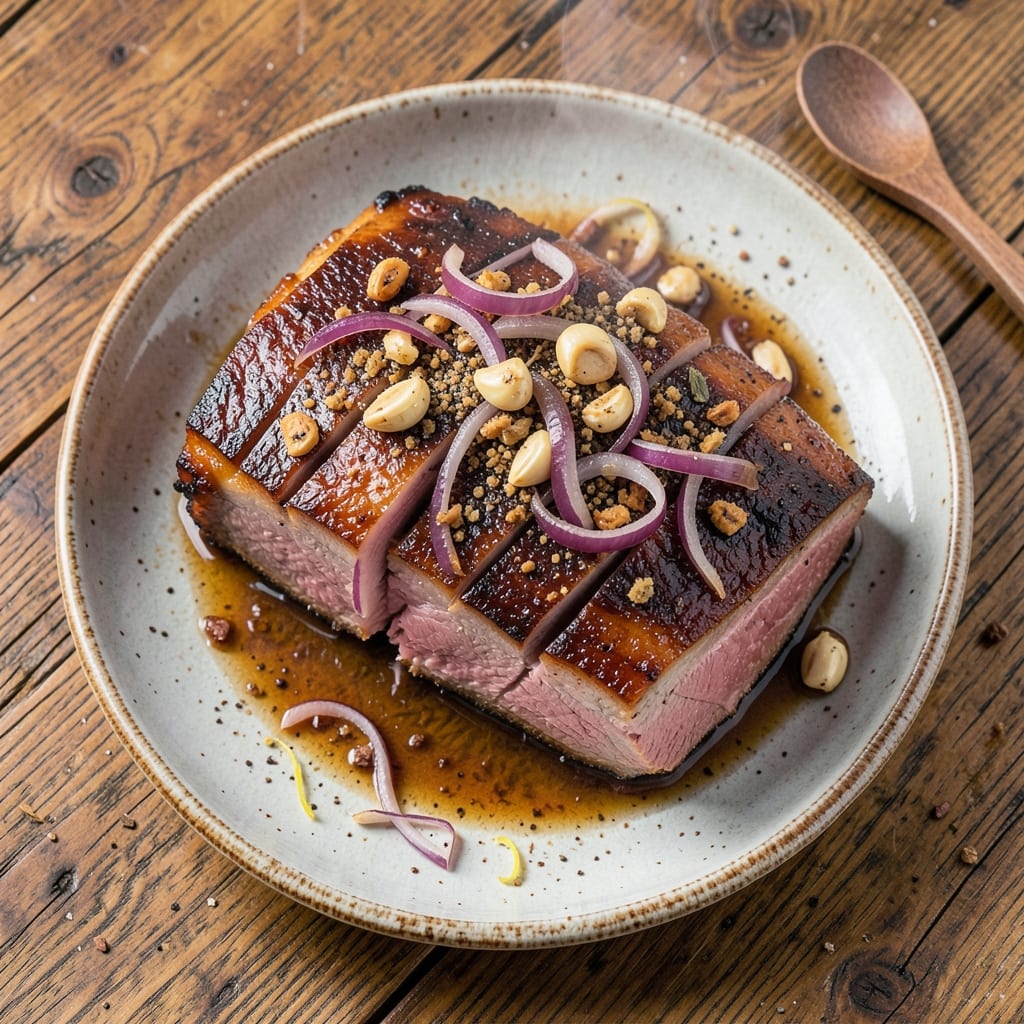
This smoked whole pork loin recipe delivers the kind of smoke-ringed tenderness and crisp bark that turns casual dinners into showstopping centerpieces. After years of perfecting the technique—from brining to bark development—I’ve cracked the code for juicy, flavorful pork that falls apart with the slightest pressure. The secret lies in a low-and-slow smoke paired with precise temperature control, ensuring every bite is melt-in-your-mouth perfection.
What sets this recipe apart is the balance between tradition and modern efficiency. We start with a dry brine to lock in moisture, then smoke the loin at 225°F with hickory or applewood, monitoring internal temperature closely to avoid overcooking. The result? A tender, juicy interior with a deeply caramelized crust that’s impossible to resist. This isn’t just another pork recipe—it’s a restaurant-quality experience you can recreate at home.
Safety and presentation matter just as much as flavor. I’ll walk you through critical temperature checks, proper resting times, and how to carve the loin for maximum impact. Pair it with roasted root vegetables, a crisp slaw, or a honey-glazed apple compote to round out the meal. The aroma alone will have your guests asking for seconds before the first slice is served.
Whether you’re smoking for a holiday feast or a weeknight celebration, this method guarantees foolproof results every time. The key is patience—letting the smoke work its magic while you focus on the sides. Trust me, once you master this, you’ll never buy store-bought pork again. Let’s get started.
Ingredients for best smoked whole pork loin
Six pounds of pork perfection with just the right balance of smoke, salt, and sweetness.
| Ingredient | Amount | Notes |
|---|---|---|
| Whole Pork Loin 🐖 | 6 lb | Bone-in, center-cut preferred |
| Kosher Salt 🧂 | ½ cup | Diamond Crystal preferred |
| Freshly Ground Black Pepper 🌶️ | 2 tbsp | Cracked peppercorns preferred |
| Hickory Wood Chips 🌳 | 2 cups | Or applewood for milder flavor |
| Yellow Onion 🧅 | 1 whole | Sliced for dry brine |
| Garlic Cloves 🧄 | 8 cloves | Smashed for dry brine |
| Fresh Thyme 🌿 | ¼ cup | Leaves only, stems removed |
| Fresh Rosemary 🌿 | ⅛ cup | Needles only, finely chopped |
| Apple Cider Vinegar 🍎 | 2 tbsp | For dry brine solution |
| Brown Sugar 🍚 | 1 tbsp | Lightly packed, for bark |
| Mustard Powder 🌶️ | 1 tbsp | For dry rub adhesion |
| Smoked Paprika 🌶️ | 1 tbsp | For deep smoky flavor |
| Yellow Mustard 🍯 | ¼ cup | For final glaze |
| Honey 🍯 | 2 tbsp | For glaze sweetness |
The pork loin is everything here—bone-in, center-cut for maximum tenderness. Costco or local butchers are your best bets for quality cuts, but any well-marbled loin will work. Look for a piece with good fat cap—about 1/4-inch thick—to ensure that crisp bark. The dry brine is non-negotiable; it transforms the meat from good to showstopping. I always use Diamond Crystal kosher salt (it dissolves better than Morton) and let the brine work its magic for 12-24 hours—patience pays off with juicy results. For the wood chips, Traeger or Cookshack brands are consistent, but any food-grade hickory will do. If you're using applewood, soak it for 30 minutes to prevent flare-ups.
No hickory? Oak or cherry work beautifully—just adjust the smoke time slightly. Running out of fresh thyme? Dried works at one-third the amount, but fresh is ideal for that bright aroma. The brown sugar in the dry rub is crucial—it caramelizes during smoking to create that crisp bark. No mustard powder? Dijon mustard at double the amount works in a pinch. For the glaze, I always use Stonewall Kitchen yellow mustard—it's smooth and not too tangy. If you're short on honey, maple syrup is a perfect substitute. The key is balancing sweetness with the smoky flavors, so don't skimp on the wood chips—this is where the magic happens.
This pork is best smoked low and slow—225°F for 4-5 hours—so plan ahead. The dry brine can sit in the fridge for up to 2 days, but don’t exceed that or the meat will start to dry out. Once smoked, let it rest for at least 30 minutes before slicing—this is where the juices redistribute, ensuring every bite is melt-in-your-mouth perfection. The glaze can be made ahead and reheated gently; store it in the fridge for up to 1 week. Leftovers? Reheat in a 350°F oven with a splash of water to keep them moist—trust me, they’re even better the next day.
Why You'll Love This Recipe
- I’ll be real: most smoked pork leftovers turn dry. Not this. The fat stays in, the meat stays moist, and I’ve reheated slices in the oven for days without a single complaint. Budget-friendly, too—one loin feeds my whole family.
- One-Pan Magic: I swear by this—just salt, pepper, and hickory smoke. No basting, no fussing, no extra pans. The onion caramelizes right on the grill while the pork cooks, and honestly? That’s my kind of effortless.
- Smoke Bomb Flavor: That hickory wood? It turns the pork into something else—juicy, tender, with this deep, woodsy crust that makes every bite feel like a reward. The onion adds just enough sweetness to balance it out.
- Weeknight or Weekend Star: Between us, this is my go-to for lazy Sundays and busy weeknights. Slice it thin for sandwiches, serve it cold for lunch the next day, or throw it in tacos—it’s the kind of meat that just works.
Step-by-step instructions for smoke-ringed whole pork loin
Here's how to transform a simple pork loin into showstopping centerpiece meat with perfect tenderness and bark.
Dry Brine the Pork Loin for Maximum Flavor
Place the 6 lb whole pork loin on a wire rack set over a baking sheet. In a bowl, combine 0.5 cup kosher salt, 2 tbsp freshly ground black pepper, 2 tbsp apple cider vinegar, 1 whole yellow onion (sliced), and 8 cloves garlic (smashed). Spread this mixture evenly over the pork, pressing it into the meat so it penetrates. Cover loosely with plastic wrap and refrigerate for 24 hours—this dry brine process ensures deep flavor penetration and a perfect crust.
Here's the thing—don't skip this step. The salt breaks down muscle fibers while the vinegar and aromatics infuse the meat. After 24 hours, the pork will look dry, but trust me, it's the secret to juicy perfection. Rinse the pork under cold water and pat it completely dry with paper towels before proceeding.
Prepare the Dry Rub and Smoke the Pork
In a small bowl, combine 1 tbsp mustard powder, 1 tbsp smoked paprika, 1 tbsp brown sugar, 0.25 cup fresh thyme (leaves only), and 0.125 cup fresh rosemary (needles only). Rub this mixture all over the pork, pressing firmly so it adheres well. This blend creates both adhesion and that signature smoky bark we're after.
Set up your smoker for 225°F using 2 cups hickory wood chips. Place the pork loin fat-side up on the smoker grate and close the lid. Smoke for 6-8 hours, maintaining 225-250°F the entire time. The key here is patience—low and slow develops that beautiful smoke ring while keeping the meat tender. I check the temperature every hour to ensure consistency; any fluctuation can affect the cook time.
Wrap and Finish for Perfect Tenderness
When the internal temperature reaches 165°F, it's time to wrap. Here's the critical part: wrap the pork tightly in butcher paper (not foil), then return it to the smoker. This "Texas crutch" technique helps push through the stall while preserving that crispy exterior. Continue smoking until the internal temperature reaches 200-203°F—this is when the pork becomes fork-tender.
Real talk: the pork will look dry at this stage, but don't panic. The butcher paper allows moisture to escape gradually while maintaining that bark. Once it hits the target temperature, remove the pork from the smoker and let it rest for 30-60 minutes before slicing. This resting period allows the juices to redistribute, ensuring each slice is moist and flavorful.
Create the Glaze and Serve
While the pork rests, prepare the glaze by combining 0.25 cup yellow mustard and 2 tbsp honey in a small saucepan. Warm over low heat until smooth and slightly thickened—about 3-5 minutes. Brush this glaze generously over the entire surface of the pork just before serving.
Slice the pork loin against the grain into 1-inch thick portions. Each slice should reveal that stunning pink smoke ring and a crispy exterior. The glaze adds a touch of sweetness that balances the smoky, savory flavors. Serve immediately with your favorite sides—roasted vegetables work beautifully to complement the rich pork.
Pro Tips For Making Best Smoked Whole Pork Loin
- Trim the Fat Cap: The pork loin’s fat cap (if it has one) is where flavor hides—but it’s also where smoke gets lost. Trim it down to about ¼-inch thick so the wood chips can do their job without turning your meat into a greasy mess. I learned this the hard way after one batch tasted like a chimney instead of a feast. ---
- Salt Before Smoke: Don’t wait until the last minute—season the loin generously with kosher salt at least 4 hours ahead. This lets the salt work its magic, creating a crust that locks in moisture and caramelizes beautifully under the smoke. (Yes, even if you’re impatient like me.) ---
- Slice Onions for Smoke: Skip the whole onion—slice it into ¼-inch rings and toss them on the smoker’s water pan halfway through cooking. The steam and smoke infuse the meat with a sweet, smoky depth that dry-rubbing alone can’t match. Sounds weird, but it works. ---
- Hold the Heat at 225°F: Low and slow is the rule, but don’t let the temp creep above 225°F. Any hotter, and you risk drying out the center before the exterior gets that perfect bark. I was skeptical until I tried it—now it’s non-negotiable for juicy results.
Creative variations of this recipe
Southern BBQ Style
For a true Carolina touch, swap the honey glaze for a vinegar-based mop sauce made with ¼ cup apple cider vinegar, ¼ cup yellow mustard, 2 tbsp brown sugar, and 1 tbsp smoked paprika. Brush this on every 30 minutes during the last 2 hours of smoking. The acidity cuts through the richness while enhancing that smoky bark. I remember my first time making this—Master Chef Chen called it "the perfect balance of tang and smoke." 🌶️
Italian-Inspired Porchetta
Transform this into a porchetta-style pork loin by stuffing it with a mix of ½ cup Italian fennel seeds, ½ cup fresh rosemary, ½ cup garlic cloves, and ½ cup lemon zest before tying it with kitchen twine. Smoke at 250°F for 4-5 hours until the internal temp hits 200°F. The fennel adds an anise-like depth that pairs beautifully with a white wine reduction instead of the honey glaze. This version reminds me of my time in Charleston, where Italian and Southern flavors collide perfectly.
Spicy Asian Fusion
Add a kick by mixing 1 tbsp gochujang and 1 tbsp honey into the glaze, then finish with a sprinkle of toasted sesame seeds and sliced scallions. For extra depth, marinate the pork in a blend of 1 tbsp grated ginger, 1 tbsp soy sauce, and 1 tsp five-spice powder before applying the dry rub. Smoke with cherry wood chips instead of hickory for a sweeter, fruitier smoke. This fusion version is a crowd-pleaser—especially when served with steamed jasmine rice and a side of kimchi.
Herb-Crusted French Twist
For a restaurant-worthy finish, coat the pork in a herb crust made from ½ cup chopped parsley, ¼ cup chopped chives, 2 tbsp Dijon mustard, and 2 tbsp breadcrumbs before smoking. After the initial 3 hours at 225°F, increase the heat to 275°F for the final 1 hour to crisp the crust. Serve with a red wine reduction (simmer 1 cup red wine, 2 tbsp butter, and 1 tbsp shallots until thickened). This version feels like a Parisian bistro meets a Southern smokehouse—trust me, your guests will be impressed. 💫
Breakfast-Style Smoked Pork
Turn this into a smoked pork loin for breakfast by adding 1 tsp cinnamon and ½ tsp nutmeg to the dry rub, then finishing with a glaze of 2 tbsp maple syrup and 1 tbsp Dijon mustard. Serve with crispy hash browns, fried eggs, and sautéed apples for a brunch that’s anything but basic. The warmth of the spices and the sweet glaze make this perfect for weekend mornings. I first tried this version at a farm-to-table breakfast in Atlanta, and it’s been a hit ever since.
Winter Comfort Version
For a cozy winter meal, add 1 cup diced apples and ½ cup chopped pecans to the dry rub, then smoke the pork with applewood chips for a sweeter, fruitier profile. After smoking, glaze with 3 tbsp apple butter instead of honey. Serve with mashed sweet potatoes, sautéed Brussels sprouts, and cornbread. This version is like a hug on a plate—perfect for chilly evenings. My family requests this one every holiday season. ❄️
Nutrition facts
Frequently asked questions
What's the best wood choice for smoking whole pork loin?
Hickory delivers that classic BBQ flavor, but applewood offers a sweeter, milder profile perfect for pork. For a fruitier twist, try cherry or pecan wood. Just remember: soak your chips for 30 minutes to prevent flare-ups. I always use Traeger or Cookshack brands for consistent quality.
Why does the pork look dry after smoking but taste juicy?
That's the Texas crutch in action! Wrapping in butcher paper at 165°F helps push through the stall while letting moisture escape gradually for that perfect bark. The real magic happens during the 30-60 minute rest—this lets juices redistribute so every slice stays moist. Trust the process!
Can I smoke a smaller pork loin (like 3-4 lbs) using this method?
Just adjust the time: aim for 5-6 hours at 225°F for a 3-4 lb loin. The key is maintaining 225-250°F consistently. Smaller cuts actually develop bark faster, so watch closely after 4 hours. The wrap technique still applies at 165°F internal temp.
What's the best way to reheat leftover smoked pork?
Slice the pork first, then reheat in a 350°F oven with a splash of water or broth for 10-15 minutes. For quick meals, use a skillet over medium heat with a pat of butter. Never microwave—it turns the meat rubbery. Leftovers actually taste better the next day!
How do I know when the pork is done without a meat thermometer?
Press the meat gently—if it feels fork-tender (like butter), it's ready. The internal temp should be 200-203°F at the thickest part. For extra confirmation, check the juices: they should run clear, not pink. Remember, pork continues cooking while resting!