
Main Courses
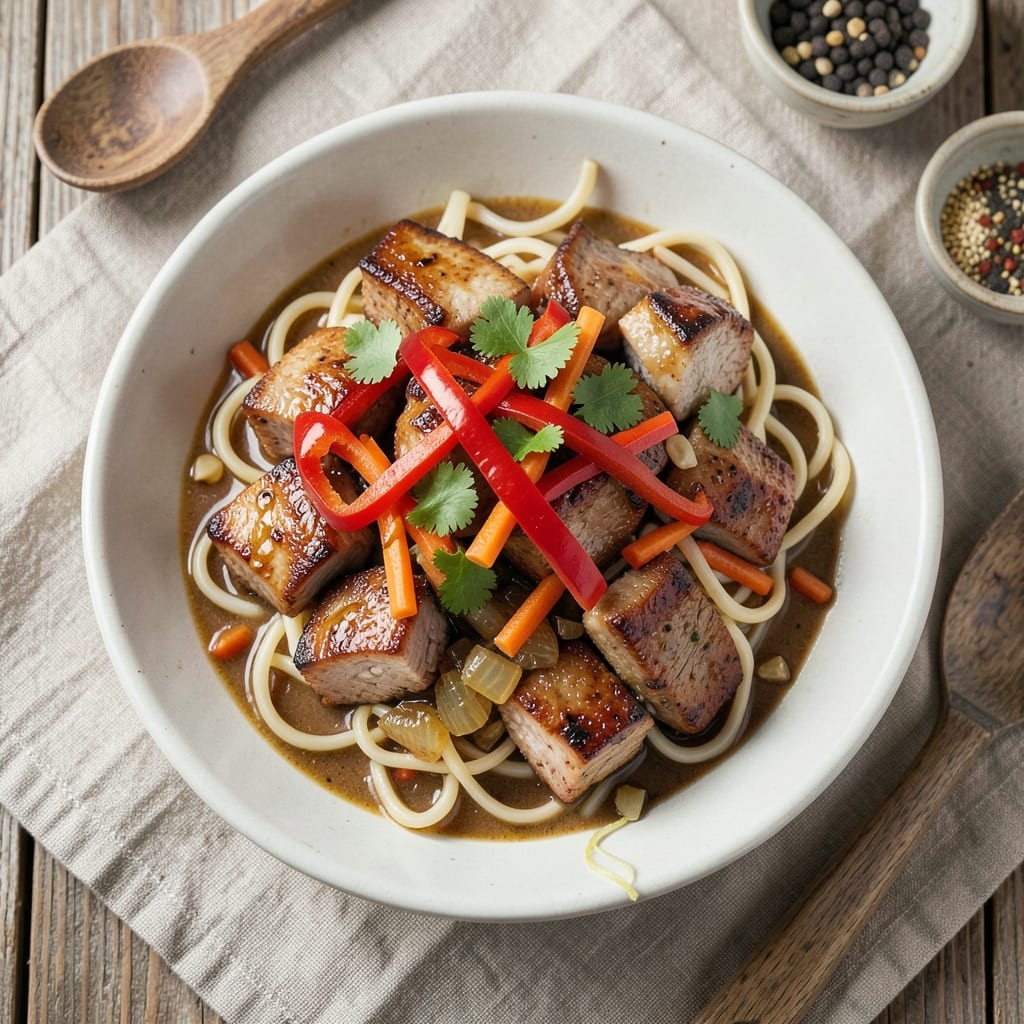
Betty Crocker's pork chop suey recipe brings that nostalgic wok aroma to your kitchen with crispy pork bites and tender noodles. My grandmother used to make this dish, and I've refined it to keep that classic comfort while adding a modern twist. The secret lies in the sauce—rich, slightly sweet, and packed with umami from soy and brown sugar. This isn't just a recipe; it's a taste of home.
What makes this version special is the balance between traditional techniques and home-cooking practicality. You'll start with tender pork chops cut into bite-sized pieces, seared until golden brown for that signature crispiness. The sauce simmers down to a perfect consistency, coating every noodle and pork bite with a glossy, savory finish. I've included a quick stir-fry method that delivers restaurant-quality results in under 30 minutes.
By the time you're done, you'll have a steaming plate of wok-tossed noodles with perfectly seared pork, bright vegetables, and a sauce that's just sweet enough to balance the savory notes. The dish serves four generously, making it ideal for family dinners or casual gatherings. The crispy pork bites are the star, but the entire dish comes together in harmony—just like my grandmother always made it.
Serve with steamed jasmine rice to soak up every last drop of that delicious sauce. This recipe is perfect for weeknights when you want something comforting yet impressive. Let's get cooking—your taste buds will thank you!
Ingredients for betty crocker pork chop suey
Pantry staples meet wok magic—just 15 ingredients for nostalgic pork chop suey.
| Ingredient | Amount | Notes |
|---|---|---|
| Pork Chops 🥩 | 1 ½ lb | Boneless, cut into bite-sized pieces |
| Egg Noodles 🍜 | 8 oz | Fresh or dried, any width |
| Green Bell Pepper 🧅 | 1 whole | Julienned into thin strips |
| Carrot 🥕 | 2 whole | Julienned into thin strips |
| Yellow Onion 🧅 | 1 whole | Thinly sliced |
| Garlic Cloves 🧄 | 4 cloves | Minced finely |
| Soy Sauce 🍶 | ½ cup | Light or all-purpose |
| Brown Sugar 🍚 | ¼ cup | Packed light |
| Rice Vinegar 🍶 | 2 tbsp | White or seasoned |
| Sesame Oil 🫒 | 1 tbsp | Toasted, for aroma |
| Vegetable Oil 🫒 | ½ cup | For stir-frying |
| Salt 🧂 | 1 tsp | Kosher or sea salt |
| Black Pepper 🌶️ | ½ tsp | Freshly ground |
| Green Onion 🧅 | 2 whole | Thinly sliced, for garnish |
| Jasmine Rice 🍚 | 2 cups | Uncooked, for serving |
The pork chops are the star, so pick tender cuts—boneless works best for even cooking. Costco or Walmart usually have them pre-cut for stir-fry, but if buying whole, ask the butcher to slice them thin. For extra crispiness (which is key here), pat them dry with paper towels before searing—water is the enemy of crispy pork. The egg noodles? Fresh is ideal but dried works fine—just boil them al dente. I always grab the wide, flat noodles at Asian markets if I'm feeling fancy, but the regular supermarket brand is perfect for weeknights.
No soy sauce? Coconut aminos work in a pinch, though the color won't be as rich. Running low on brown sugar? White sugar plus a pinch of molasses mimics the depth. The bell pepper and carrot can be swapped for snap peas or broccoli florets if you're feeling adventurous. For the garlic, peeled and smashed with the flat side of a knife releases more flavor than mincing. And if you don't have sesame oil? Skip it—the dish still tastes amazing, but the aroma is worth it if you've got it. The green onions add freshness, so don't skip them unless you're out.
Pork stays crispy best if you cook it last—keep it warm in a 200°F oven while you prep the veggies and sauce. The sauce thickens as it sits, so taste and adjust before tossing with the noodles. Leftovers? 3-4 days in the fridge, but honestly, it's even better reheated the next day—just add a splash of water to loosen the sauce. For extra convenience, double the sauce and freeze half in ice cube trays for future quick meals. The jasmine rice? Cook it in a rice cooker or pot, then fluff with a fork before serving.
Why You'll Love This Recipe
- One-Pan Magic: I swear by this recipe when I’m too tired to wash dishes. Slice the pork chops thin, toss them with the bell pepper, carrot, and onion—all in one skillet. The noodles cook right in the pan juices, so you’re left with a fragrant, sticky mess that’s actually worth the cleanup.
- Savory Crunch Factor: That crispy edge on the pork? Oh, it’s the secret weapon. The Betty Crocker sauce (or homemade version) caramelizes just enough to give these chops a satisfying bite, while the egg noodles soak up all the garlic-herb goodness. Honestly, my picky eaters ask for seconds.
- Lunchbox Hero: Between us, this is my go-to for meal prep. The flavors only get better the next day—perfect for packing in containers. Toss in a side of steamed veggies or a quick coleslaw, and you’ve got a weeknight lunch that feels like a restaurant dish.
- Budget-Friendly Powerhouse: Pork chops on sale? Egg noodles for a dollar? This recipe stretches every ingredient. I’ll double the batch, freeze half, and pull it out when I’m too lazy to order takeout. Not the prettiest, but the taste makes up for it every time.
Step-by-step instructions for Betty Crocker's pork chop suey
Here's how to make this classic wok-tossed dish with perfectly crispy pork and tender noodles.
Prepare the Pork and Vegetables
Cut the 1.5 lb pork chops into bite-sized pieces, about 1-inch cubes. You want even cooking and crispy edges, so keep them consistent in size. Place them in a bowl and set aside.
Julienne the 1 whole green bell pepper and 2 whole carrots into thin strips. Thinly slice the 1 whole yellow onion. Finely mince the 4 cloves garlic. Having all your vegetables prepped and ready ensures they cook quickly in the wok.
Cook the Jasmine Rice
Rinse the 2 cups jasmine rice under cold water until the water runs clear. This removes excess starch and prevents gummy rice. Cook the rice according to package instructions—typically a 1:2 rice-to-water ratio, simmered for 15-18 minutes.
While the rice cooks, prepare your wok or large skillet. Heat 2 tablespoons of the 0.5 cup vegetable oil over medium-high heat until shimmering. This is your cooking surface for the pork.
Sear the Pork for Crispy Bites
Add the pork to the hot wok in a single layer. Don't overcrowd—work in batches if needed. Cook undisturbed for 3-4 minutes until the pork develops a golden-brown crust. This is crucial for that classic chop suey texture.
Once browned, stir the pork and cook for another 2-3 minutes until fully cooked through. Remove the pork and set it aside. You'll add it back later, but keeping it separate prevents overcooking while the vegetables finish.
Stir-Fry the Vegetables
Add the remaining 3 tablespoons vegetable oil to the wok. Stir-fry the julienned vegetables and minced garlic over high heat for 4-5 minutes until tender-crisp. You want them to retain some bite but be fully cooked through.
In a small bowl, mix together the 0.5 cup soy sauce, 0.25 cup packed brown sugar, 2 tablespoons rice vinegar, and 1 tablespoon sesame oil. Pour this sauce over the vegetables and stir well to combine. Let it simmer for 1-2 minutes until slightly thickened.
Combine and Finish
Cook the 8 oz egg noodles according to package instructions until al dente. Drain and rinse briefly with cold water to stop the cooking process. Add the cooked noodles to the wok with the vegetables and sauce.
Return the crispy pork to the wok and toss everything together for 1-2 minutes until well coated and heated through. Season with 1 teaspoon salt and 0.5 teaspoon black pepper. Garnish with thinly sliced green onions.
Serve immediately over the cooked jasmine rice. This dish tastes best fresh while the pork remains crispy and the noodles are still warm and tender.
Pro Tips For Making Betty Crocker Pork Chop Suey
- CRISP THE PORK FIRST: Betty Crocker’s recipe might tell you to brown the pork chops in the same pan, but I learned the hard way—this makes the sauce split into a greasy mess. Instead, sear the chops in a dry, screaming-hot skillet (4-5 minutes per side) until they’re golden and pull away from the pan easily. Then set them aside while you prep the veggies. The extra step keeps the sauce from turning into soup.
- JULIENNE THE VEGGIES: Thin, even strips are the thing that matters most here. Skip the chopping board and grab a mandoline (or a sharp knife with a ruler guide) for the bell pepper, carrot, and onion—aim for 1/8-inch slices. Thicker pieces stay crunchy and unappetizing; this way, they soften just enough to soak up the sauce without turning to mush. (Yes, it takes 10 minutes, but the texture difference is night and day.)
- DON’T BOIL THE NOODLES DRY: The recipe probably says “al dente,” but I’ve seen too many people overcook them into sad, mushy blobs. Test the egg noodles 1 minute early—they’ll keep cooking in the sauce. Drain them, toss with a teaspoon of oil to prevent sticking, and set aside. Pro move: Reserve 1/4 cup of starchy pasta water to thin the sauce later if it gets too thick.
- DEGLAZE WITH A SPLASH OF SOY: After browning the pork, the pan will have fond (those sticky bits) clinging to it. Instead of just adding water or broth, hit it with 1 tablespoon of soy sauce first—let it bubble for 30 seconds to lift the flavor. Then add the rest of the sauce ingredients. The extra umami jumpstarts the flavor and cuts through the pork’s richness better than plain liquid ever could. (Trust me, your taste buds will notice.)
Flavor customization for betty crocker pork chop suey
Sweet Heat Balance
The classic Betty Crocker pork chop suey relies on a delicate balance between sweet and savory. I like to start with the original recipe's 0.25 cup brown sugar but adjust based on preference. For a spicier kick, add 1-2 teaspoons of sriracha or ½ teaspoon of red pepper flakes to the sauce—trust me, it cuts through the richness beautifully. If you prefer something milder, reduce the brown sugar to 0.125 cup and add 1 tablespoon honey instead for a smoother finish. 🌶️
Umami Boost
For an extra layer of depth, I often enhance the sauce with 1 tablespoon of oyster sauce or ½ teaspoon of fish sauce. These ingredients add a rich, savory complexity that elevates the dish from homey to restaurant-worthy. If you're vegetarian, swap the fish sauce for an additional 1 tablespoon of soy sauce—it won't be identical, but it still adds that umami punch. My grandmother used to add a splash of hoisin sauce for a touch of sweetness and stickiness, which works wonderfully too.
Herb Variations
Fresh herbs can transform this dish. For a brighter flavor, stir in 1 tablespoon of chopped cilantro or thyme leaves at the end. If you love ginger, add 1 teaspoon of freshly grated ginger to the sauce while it simmers—it pairs perfectly with the pork and soy sauce. I also enjoy a sprinkle of toasted sesame seeds on top for a nutty crunch. These additions are simple but make a world of difference in the final dish. ✨
Protein Swaps
While pork chops are traditional, you can easily customize this recipe. For a seafood twist, use 1 lb shrimp or scallops instead of pork—just cook them separately for 2-3 minutes per side until pink. Chicken lovers can substitute 1.5 lb boneless chicken thighs, cut into bite-sized pieces, and cook them until golden and fully done. If you're feeling adventurous, try tofu—press and cube it, then pan-fry until crispy before adding to the wok. Each swap changes the texture but keeps the dish delicious.
Vegetable Flexibility
This recipe is incredibly adaptable when it comes to vegetables. Swap the bell pepper and carrots for broccoli florets or snap peas—both add a satisfying crunch. For a heartier dish, include mushrooms—sauté them with the garlic for an earthy flavor. If you love texture, add bok choy or water chestnuts—they hold up well during stir-frying. The key is to prep everything uniformly so it cooks evenly with the pork and noodles. 🥕
Sauce Thickness
The sauce should coat the noodles and pork without being gluey. If it's too thin, simmer it uncovered for an extra 1-2 minutes to reduce. For a thicker sauce, mix 1 teaspoon of cornstarch with 1 tablespoon water and stir it into the sauce at the end. I also like to add a splash of chicken or vegetable broth if the sauce seems too concentrated. The right consistency ensures every bite is flavorful and satisfying. The goal is a glossy, clingy sauce that coats everything beautifully. 💫
Nutrition facts
Frequently asked questions
Can I use boneless pork chops for this recipe?
Boneless pork chops are actually ideal for this recipe since they cook more evenly and make cutting into bite-sized pieces much easier. Just ask your butcher to slice them thin or cut them yourself with a sharp knife. The recipe works perfectly with either boneless or bone-in chops, but boneless gives you more control over the final texture.
What if I don't have a wok? Can I use a regular skillet?
Yes, a large skillet or frying pan works perfectly fine! The key is to use high heat and keep your ingredients moving. A nonstick skillet is especially helpful for preventing sticking. If your pan isn't wide enough, cook in batches—just be sure to keep the pork warm in a 200°F oven while you finish the vegetables and sauce.
How do I prevent the pork from becoming soggy?
The secret to crispy pork is cooking it separately first and keeping it warm while you finish the rest. After searing, transfer the pork to a plate and tent loosely with foil. When you're ready to combine everything, just toss it back in the hot wok for 1-2 minutes to revive the crispiness. Also, pat the pork dry before cooking—any moisture will steam instead of brown.
Can I make this recipe ahead of time?
This dish tastes even better the next day! Store leftovers in an airtight container in the fridge for up to 3-4 days. When reheating, add a splash of water or broth to loosen the sauce. For best results, reheat in a skillet over medium heat until everything is warmed through. The flavors actually meld together beautifully overnight, making it perfect for meal prep.
What's the best way to adjust the sauce for picky eaters?
For milder flavors, reduce the brown sugar to 0.125 cup and add 1 tablespoon honey instead. You can also cut the soy sauce by 1 tablespoon and replace it with an equal amount of chicken broth. If you want to keep the sweetness but reduce the savory, add 1 teaspoon of sugar and 1 tablespoon of rice vinegar instead of the full soy sauce amount.