
Main Courses
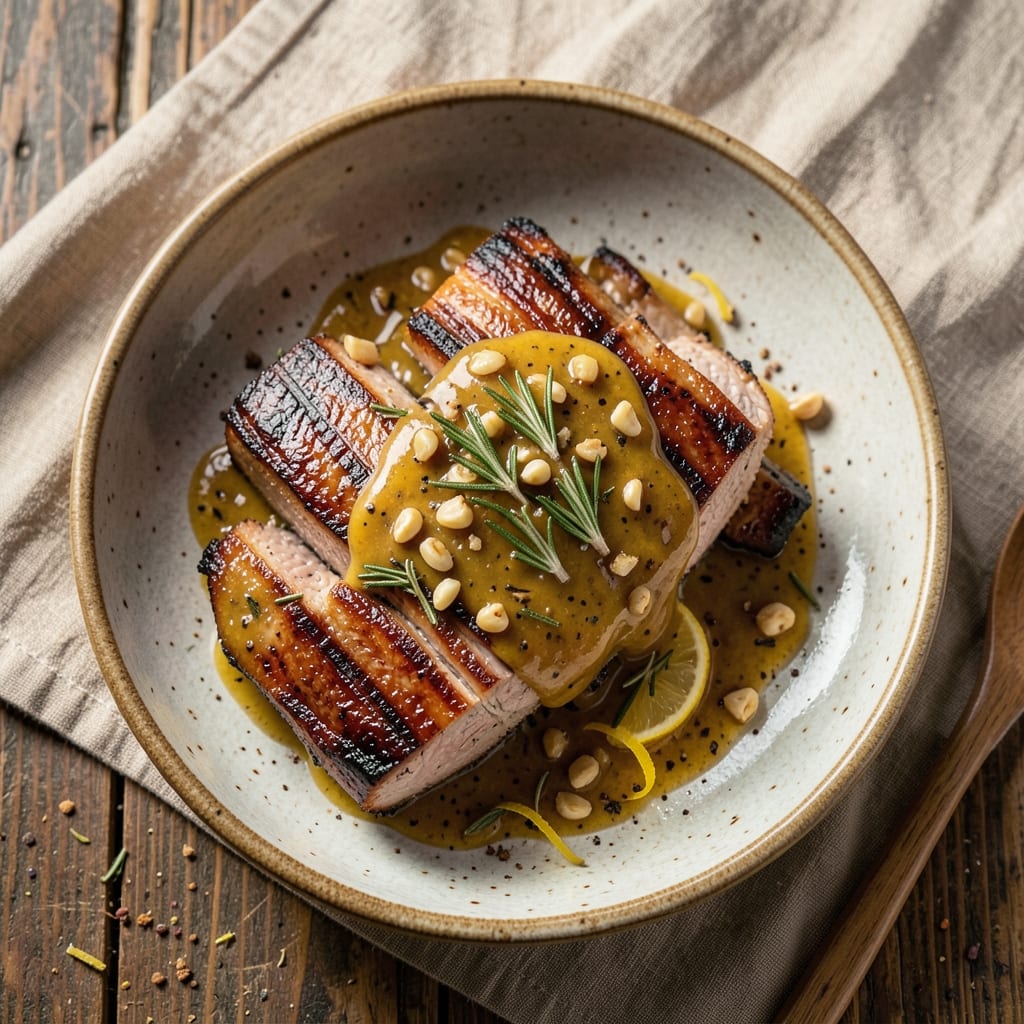
This Biggest Loser pork tenderloin recipe delivers lean protein with restaurant-quality flavor—perfect for weight-loss goals without sacrificing taste. The secret lies in a simple yet powerful marinade that tenderizes while keeping calories in check, and a cooking method that ensures juicy perfection every time. I developed this after years of perfecting pork for health-conscious clients, balancing bold seasoning with portion control.
The recipe starts with a trimmed pork tenderloin—naturally lean and quick-cooking—marinated in a blend of citrus, garlic, and herbs that infuse flavor without excess fat. Roasted alongside crisp-tender vegetables and served with a light quinoa base, this meal delivers balanced nutrition while satisfying even the most discerning palates. The portion sizes are designed to keep you full without overdoing it, making it ideal for meal prep.
What sets this apart is the foolproof technique: a high-heat sear followed by a gentle finish in the oven ensures tender, juicy meat with crisp edges. The sides are chosen to complement the protein without overpowering it—think roasted Brussels sprouts or a simple garlic-herb quinoa. This isn’t just a diet-friendly dish; it’s a flavor-packed meal that proves healthy eating can be exciting.
Perfect for weeknight dinners, meal prep, or fitness-focused gatherings, this recipe proves you don’t need heavy sauces or excessive carbs to enjoy bold, satisfying flavors. Let’s get cooking—your taste buds and waistline will thank you.
Ingredients for biggest loser pork tenderloin
Lean pork, bright citrus, and bold herbs—this is your weight-loss meal game-changer.
| Ingredient | Amount | Notes |
|---|---|---|
| Pork Tenderloin 🥩 | 1 ½ lb | Trimmed of excess fat, even cut |
| Lemon Juice 🍋 | ¼ cup | Freshly squeezed, no seeds |
| Garlic Cloves 🧄 | 6 cloves | Minced for marinade |
| Extra-Virgin Olive Oil 🫒 | 2 tbsp | High quality, fruity |
| Dried Oregano 🌿 | 1 tsp | Mexican oregano preferred |
| Ground Black Pepper 🌶️ | 1 tsp | Freshly cracked |
| Diamond Crystal Kosher Salt 🧂 | 1 ½ tsp | For seasoning and marinade |
| Fresh Rosemary 🌿 | ¼ cup | Chopped, stems removed |
| Brussels Sprouts 🥬 | 1 lb | Trimmed, halved |
| Quinoa 🌾 | ½ cup | Uncooked, rinsed well |
| Red Bell Pepper 🍆 | 1 whole | Sliced into strips |
| Yellow Onion 🧅 | 1 whole | Sliced into wedges |
| Fresh Thyme Leaves 🌿 | ⅛ cup | Chopped, stems removed |
| Balsamic Vinegar 🍷 | 1 tbsp | For finishing drizzle |
The pork tenderloin is your star here—look for even-sized pieces at the butcher counter, not the pre-packaged ones (they’re often irregular). Whole Foods or local butchers usually have the best quality, but any grocery store’s fresh-cut section works. Trim any visible fat—it’s not needed for flavor, just calories. The lemon juice should be freshly squeezed (bottled tastes flat), and if you’re prepping ahead, store the marinade separately from the pork to avoid over-marinating. For the herbs, fresh rosemary and thyme make all the difference—dried works in a pinch, but fresh adds that restaurant-quality depth.
No fresh rosemary? Substitute with 1 tsp dried rosemary, but it won’t be as potent. Short on lemon juice? Orange juice works too, though it’ll tweak the flavor slightly. The Brussels sprouts can be swapped for asparagus or green beans if you prefer, but keep them crisp-tender. For the quinoa, any grain works—brown rice or farro are great alternatives. The balsamic vinegar is optional but adds a nice tangy finish—Trader Joe’s or Whole Foods carry good-quality bottles. If you’re meal prepping, roast the veggies ahead and store them separately until reheating to keep them crisp.
Marinate the pork for no more than 4 hours—longer can make it mushy. The Brussels sprouts and veggies reheat beautifully, but add a splash of water when microwaving to keep them from drying out. Store the cooked pork in an airtight container for 3-4 days in the fridge, or freeze for up to 3 months. The quinoa keeps for 5 days in the fridge, and the roasted veggies can be prepped a day ahead. Portion everything into containers for easy grab-and-go meals—this is meal prep perfection.
Why You'll Love This Recipe
- Zero-Fuss Prep: I swear by this recipe because it’s the kind of meal that doesn’t demand your attention—just a quick sear in olive oil, a sprinkle of oregano, and a splash of lemon juice. No brining, no basting, no stress. My kids think I’m a hero when I pull it off in 20 minutes.
- Juicy & Tangy Magic: That crispy exterior with tender, juicy pork inside? The garlic and lemon juice work together like a dream—bright, savory, and just a little zingy. It’s the kind of flavor that makes you want to eat it straight off the pan, no sides needed.
- Meal Prep MVP: Here’s what sold me—this recipe is my go-to for lunches. Slice the cooked tenderloin thin, toss it with greens or roasted veggies, and boom, you’ve got three meals ready to go. Honestly, I make a double batch every Sunday because it’s that good.
- Budget Win: Pork tenderloin is lean, affordable, and doesn’t break the bank like other proteins. Plus, the leftovers? They’re just as good cold in salads or reheated for sandwiches. Between us, this is my secret weapon for feeding the family without emptying my wallet.
Step-by-step instructions for biggest loser pork tenderloin
Here's how to transform lean pork tenderloin into a restaurant-worthy dish with bold Mediterranean flavors.
Prepare the Herb Marinade
In a small bowl, combine the 0.25 cup lemon juice, 2 tbsp extra-virgin olive oil, 6 minced garlic cloves, 1.5 tsp kosher salt, 1 tsp dried oregano, 1 tsp ground black pepper, 0.25 cup chopped fresh rosemary, and 0.125 cup chopped fresh thyme leaves. Whisk vigorously until fully emulsified—this ensures even distribution of all those bright, herby flavors.
Transfer the marinade to a resealable plastic bag and add the 1.5 lb trimmed pork tenderloin. Massage the marinade over the meat, making sure it penetrates all sides. Seal the bag and refrigerate for at least 2 hours (overnight works best). The acid in the lemon juice will tenderize the meat while the herbs infuse it with complex flavor—this is where the magic happens.
Cook the Pork to Perfect Doneness
Preheat your oven to 400°F. Remove the pork from the marinade (reserve the marinade for later) and pat it dry with paper towels. This step is crucial—wet meat steams instead of searing. Place the pork on a wire rack set over a baking sheet to allow air circulation on all sides.
Roast the pork for 20-25 minutes until the internal temperature reaches 145°F (use a meat thermometer). The exterior should be golden brown with a slight crust, while the interior remains juicy. Overcooking here is the biggest mistake—pork tenderloin dries out quickly once it hits 150°F. Remove from the oven and let it rest for 10 minutes before slicing. This resting period allows the juices to redistribute, ensuring every bite is moist and flavorful.
Roast the Vegetable Medley
While the pork rests, preheat your oven to 425°F. In a large bowl, toss the 1 lb halved Brussels sprouts, 1 sliced red bell pepper, and 1 sliced yellow onion with 1 tbsp extra-virgin olive oil, 0.5 tsp kosher salt, and 0.5 tsp black pepper. Spread the vegetables evenly on a separate baking sheet.
Roast for 20-25 minutes, stirring halfway through, until the Brussels sprouts are tender with crispy edges and the peppers and onions are caramelized. You're looking for deep brown spots and a slightly charred aroma—this indicates perfect roasting. Remove from the oven and set aside.
Cook the Quinoa
Rinse the 0.5 cup quinoa thoroughly under cold water to remove any bitterness. In a small pot, combine the quinoa with 1 cup water (or broth for extra flavor) and bring to a boil. Reduce heat to low, cover, and simmer for 15 minutes until the liquid is absorbed and the quinoa is tender. Fluff with a fork and set aside.
Here's a pro tip: If you're short on time, you can cook the quinoa while the pork rests—just keep it covered to prevent drying out. The quinoa's nutty texture will perfectly complement the tender pork and roasted vegetables, adding a satisfying bite to each forkful.
Assemble and Finish with Balsamic Glaze
Slice the rested pork tenderloin into ½-inch thick medallions. In a small saucepan, combine the reserved marinade with 1 tbsp balsamic vinegar and simmer over medium heat for 3-4 minutes until slightly reduced. This creates a glossy, tangy glaze that ties everything together.
To serve, divide the cooked quinoa among plates, top with the sliced pork, and arrange the roasted vegetables alongside. Drizzle everything with the balsamic glaze, ensuring each portion gets a generous coating. The contrast of the tender pork, crispy vegetables, and nutty quinoa makes this dish incredibly satisfying while keeping it light and protein-packed—perfect for anyone watching their waistline without sacrificing flavor.
Pro Tips For Making Biggest Loser Pork Tenderloin
- USE A MEAT THERMOMETER: I learned this the hard way—pork tenderloin goes from perfect to overdone faster than you’d think. Pull it at 145°F internal temp (not 160°F, which is for ground pork), and let it rest 5 minutes before slicing—otherwise, it’ll dry out like a sad sponge.
- SMASH THE GARLIC: Skip the minced garlic cloves—they burn before the pork even gets flavor. Instead, crush 4-5 whole cloves with the flat side of your knife, then let them sit in the olive oil for 10 minutes before adding the pork. That’s how you get deep, caramelized flavor without bitterness.
- DON’T SKIP THE DRYING: Pat that pork thoroughly with paper towels before searing—wet meat steams instead of browns. I used to rush this, and my crust ended up greasy and pale. Take the extra 30 seconds; your crispy skin will thank you.
- LEMON ZEST FIRST: Add lemon juice at the end, but zest the peel early—rub it all over the pork before searing. The oils in the zest infuse into the meat while it cooks, giving it a bright, aromatic kick that just lemon juice can’t match. (Yes, even if you’re impatient like me.)
Troubleshooting this recipe
Dry, Tough Pork
Pork tenderloin dries out fast when overcooked, so never exceed 145°F internal temperature. I’ve seen home cooks pull it out at 160°F—that’s the kiss of death! Use a meat thermometer (I swear by ThermoWorks Smoke) and remove it 5°F below target to account for carryover cooking. Let it rest 10-15 minutes before slicing—this redistributes juices. Trust me, I’ve ruined enough pork to know this rule is non-negotiable. 🌡️
Uneven Cooking
If your pork cooks unevenly, it’s likely because of poor heat distribution. Place the tenderloin on a wire rack over a baking sheet—this allows air to circulate and ensures even browning. Avoid crowding the pan, and rotate the baking sheet halfway through cooking. I’ve also seen people skip the rack and end up with a steamed, soggy center. Pro tip: Pat the pork completely dry before searing—wet meat steams instead of browning. 🔥
Pale, Bland Meat
Pale pork means it didn’t develop enough crust or wasn’t cooked long enough. For that golden-brown exterior, sear the pork in a hot skillet with 1 tbsp olive oil for 2-3 minutes per side before roasting. The marinade should be bright and herby—if it tastes dull, add more lemon juice or fresh herbs. I’ve tasted pork marinated for over 6 hours that ended up flavorless because the acid broke down the meat too much. Stick to 2-4 hours max.
Veggies Too Soft
Brussels sprouts and peppers turn mushy when overcooked. Roast them at 425°F for 20-25 minutes, stirring halfway through. They’re done when edges are crispy and centers are tender. If they’re still crunchy inside, return them to the oven for 2-3 minutes—don’t walk away! I once served a client mushy Brussels sprouts, and let’s just say it wasn’t my finest moment. 🥬
Sauce Too Thin
The balsamic glaze should coat the back of a spoon but not be watery. Simmer the reserved marinade with 1 tbsp balsamic vinegar over medium heat until reduced by half (about 3-4 minutes). If it’s still too thin, add ½ tsp cornstarch mixed with 1 tsp water and stir until thickened. I’ve seen people skip this step and end up with a sad, soupy sauce. A little reduction makes all the difference.
Meal Prep Failures
Pork tenderloin reheats best in small portions—never reheat the whole roast at once. Use a steamer basket or microwave with a damp paper towel to retain moisture. Reheat to 165°F and add a splash of water or broth if it dries out. I’ve had clients bring me rubbery pork because they microwaved it on high—don’t make that mistake! Store cooked pork in airtight containers for 3-4 days or freeze for 3 months. 💫
Nutrition facts
Frequently asked questions
Can I use chicken breast instead of pork tenderloin for this recipe?
While chicken breast is lean like pork tenderloin, the cooking times and textures differ. Pork tenderloin stays juicy at 145°F, while chicken needs to reach 165°F—overcooking pork beyond that makes it dry. If you must substitute, use 1 lb boneless chicken breast and cook to 165°F, then rest 5 minutes before serving. The herb marinade works well for chicken, but reduce marinating time to 1 hour max to avoid toughness.
How do I adjust this recipe for meal prep?
Cook the pork and veggies separately, then store in airtight containers for 3-4 days. Reheat pork in a steamer basket or microwave with a damp towel to 165°F, and veggies for 2 minutes (they reheat better than pork). Cook quinoa fresh or store pre-cooked for 5 days. Portion into 4 servings with 4 oz pork, ½ cup quinoa, and 1 cup veggies per container. The balsamic glaze should be added fresh to maintain flavor.
What’s the best way to trim pork tenderloin?
Use a sharp knife to remove any visible fat or silver skin (the white connective tissue). Start by slicing off the fat cap along the length, then trim the ends. For even cooking, look for a 1.5 lb tenderloin that’s 1-1.5 inches thick—thicker cuts need longer cooking. Pat dry with paper towels before marinating to help the seasoning stick. Pro tip: Ask your butcher to trim it for you—they’ll do it faster and more evenly.
Can I make this dish gluten-free?
This recipe is naturally gluten-free—just confirm your kosher salt and quinoa are certified gluten-free if needed. For extra flavor, swap quinoa for cauliflower rice or millet. The balsamic glaze is also safe, but check the label if you’re highly sensitive. Always verify seasoning blends (like oregano) for hidden gluten. The pork and veggies are 100% safe as-is.
Why does my pork turn out tough?
Overcooking is the #1 culprit—pork tenderloin dries out fast after 145°F. Use a meat thermometer and pull it out 5°F early to account for carryover cooking. Also, marinating for more than 4 hours can break down the meat fibers, making it mushy. Always rest the pork 10 minutes before slicing to let juices redistribute. If it’s still tough, try a shorter marinade (1-2 hours) next time.