
Main Courses
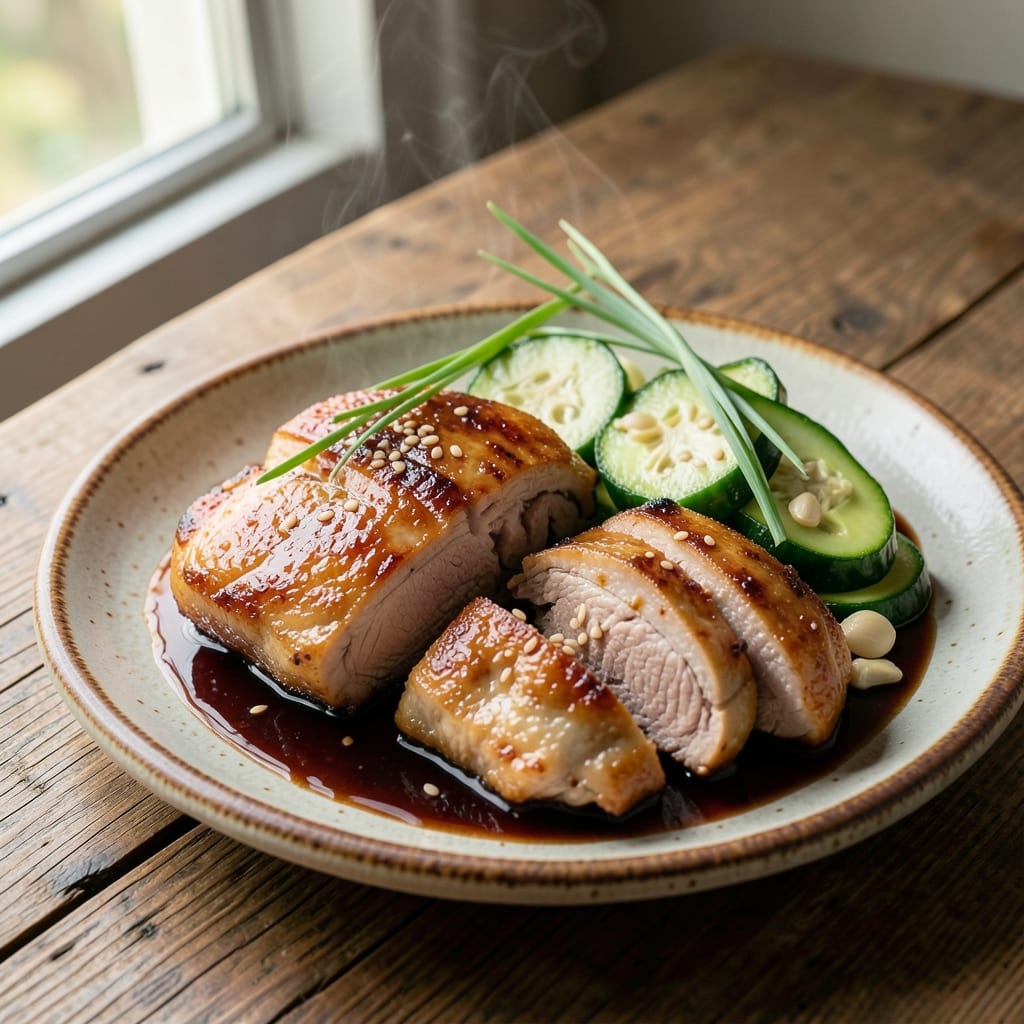
This bitter melon and pork recipe transforms an acquired taste into a restaurant-worthy dish with crispy edges and perfectly balanced sweetness. The secret lies in caramelizing the melon's natural bitterness through quick stir-frying and braising, while tender pork absorbs the rich, savory-sweet sauce. I developed this technique after years of perfecting Asian-inspired pork dishes at The Smoky Pig—where we turn tough cuts into melt-in-your-mouth perfection.
The magic happens in the sauce: a harmonious blend of soy, garlic, and a touch of sugar that tames the melon's sharpness while enhancing its earthy depth. Pork belly or shoulder works best here—its fat renders beautifully, creating a silky sauce that coats every bite. The key is high heat for those crispy edges on the melon, followed by a gentle braise to meld flavors without overcooking the pork.
What you'll end up with is a dish that's both elegant and comforting—golden-brown pork with tender melon pieces, all enveloped in a glossy, umami-rich sauce. The contrast of textures (crispy, silky, tender) and flavors (bitter, sweet, savory) makes this a standout for dinner parties or weeknight meals. Serve over steamed rice or noodles to soak up every last drop of that addictive sauce.
This recipe scales beautifully, so double the batch for leftovers that reheat just as well as the first serving. The technique is simple but transformative—perfect for cooks who want to elevate their skills while keeping dinner stress-free. Let's get cooking!
Ingredients for bitter melon and pork
Fourteen ingredients transform bitter melon's sharpness into restaurant-quality sweetness with crispy pork bites.
| Ingredient | Amount | Notes |
|---|---|---|
| Bitter Melon 🍈 | 1 ½ lb | Young, tender stems removed |
| Pork Shoulder 🥩 | 1 ½ lb | Bone-in, cut into 1.5-inch cubes |
| Light Soy Sauce 🥄 | ½ cup | High-quality brand preferred |
| Dark Soy Sauce 🥄 | 2 tbsp | For deep umami flavor |
| Garlic Cloves 🧄 | 6 cloves | Minced for sauce |
| Ginger Root 🌿 | 2 tbsp | Freshly grated |
| Granulated Sugar 🍚 | 2 tbsp | For balancing bitterness |
| Sesame Oil 🫒 | 1 tbsp | Toasted for aroma |
| Neutral Oil 🫒 | ¼ cup | Vegetable or canola |
| Green Onions 🧅 | 3 whole | Sliced for garnish |
| Diamond Crystal Kosher Salt 🧂 | 1 ½ tsp | For seasoning |
| Black Pepper 🌶️ | ½ tsp | Freshly ground |
| White Rice 🍚 | 2 cups | Uncooked, for serving |
The bitter melon is non-negotiable for authentic flavor, but young, tender stems make all the difference—avoid older, seedy varieties. Asian markets carry the best selection, often with pre-washed options. Pork shoulder delivers the ideal fat-to-meat ratio for crispy edges and silky braising. Look for cuts with good marbling at Whole Foods or your local butcher. The soy sauces should be light and dark varieties—never the low-quality bottled kind. For the garlic and ginger, freshly minced is essential; pre-minced dries out and loses potency. The sugar balances bitterness without overpowering the dish's depth.
No bitter melon? Substitute with 1.5 lbs zucchini or eggplant, but expect milder flavor. Short on dark soy sauce? Mushroom sauce or oyster sauce adds umami depth. The sesame oil can be swapped for toasted peanut oil if unavailable. For a quicker prep, pre-cut pork shoulder from the deli section saves time. The green onions can be replaced with cilantro or Thai basil for a different aromatic profile. If you're avoiding gluten, use tamari instead of soy sauce. The rice should be jasmine or short-grain for optimal texture—basmati works but lacks stickiness.
Pork and melon keep separately in the fridge for 3 days before cooking. The sauce components (soy, garlic, ginger) can be prepped 2 days ahead and stored in an airtight container. Once combined, the dish reheats beautifully—3-5 minutes on high heat in a skillet with a splash of water. For meal prep, portion sauce and pork separately, then reheat together. The crispy edges soften slightly when reheated, so re-crisp in a hot pan before serving. Freezes for 3 months if properly sealed in a freezer-safe bag.
Why You'll Love This Recipe
- One-Pan Magic: I swear by this recipe when I’m too tired to scrub pots—just sear the pork, toss in the bitter melon (scrubbed, sliced, no fuss), and let the soy sauces work their magic. The garlic cloves get crispy on the edges, and suddenly, dinner’s ready while I’m still wiping my hands.
- Umami Bomb: Honestly, the combo of light and dark soy sauce with bitter melon is next-level. The pork stays juicy, the melon’s bitterness mellows into something almost sweet, and that garlic? It’s like a little flavor explosion in every bite. My picky-eating partner actually asks for seconds—rare.
- Leftover Hero: This dish begs to be made extra. The flavors deepen overnight, and reheating it the next day turns it into something even better—like a rich, savory stew. I portion it into containers on Sundays and grab it for lunch all week. Zero waste, all win.
- Budget Stretch: Pork shoulder is cheap, bitter melon lasts ages in the fridge, and a little soy sauce goes a long way. I feed four people for under $15, and everyone leaves happy. Plus, the leftovers stretch into stir-fries or soups—talk about a versatile powerhouse.
Step-by-step instructions for bitter melon and pork
Mastering this dish delivers perfect crispy edges and silky pork—here's how to balance bitter melon's sharpness with umami richness.
Prepare the Bitter Melon and Pork Shoulder
Begin by thoroughly washing the 1.5 lb bitter melon under cold water to remove any lingering bitterness from the skin. Using a sharp chef's knife, carefully slice off the tough outer skin and any fibrous core, then cut the flesh into ½-inch thick half-moons. Immediately soak the slices in cold water for 10 minutes to further reduce bitterness—this step is crucial for achieving the right flavor balance.
While the bitter melon soaks, cut the 1.5 lb pork shoulder into 1.5-inch cubes, ensuring each piece maintains its shape for even cooking. Pat the pork dry with paper towels—this helps the marinade adhere better and promotes crispier edges during searing. In a large bowl, combine the pork with 0.5 cup light soy sauce, 2 tbsp dark soy sauce, 1.5 tsp kosher salt, and 0.5 tsp black pepper. Massage the marinade into the pork, coating each piece thoroughly. Let it marinate at room temperature for 20 minutes while you prepare the remaining ingredients.
Build the Aromatic Sauce Base
Heat 0.25 cup neutral oil in a large wok or deep skillet over medium-high heat until shimmering. Add the 6 minced garlic cloves and 2 tbsp freshly grated ginger root, cooking for 30 seconds until fragrant but not browned—this prevents bitterness from developing. Immediately add the 2 tbsp granulated sugar and stir for 1 minute until it dissolves completely. The sugar will help balance the bitter melon's sharpness while adding subtle caramelization.
Pour in 0.5 cup light soy sauce and 2 tbsp dark soy sauce, scraping up any browned bits from the bottom of the pan. These bits, called fond, carry concentrated flavor that's essential for depth. Let the sauce simmer for 2 minutes until slightly reduced and syrupy. Remove from heat and stir in 1 tbsp toasted sesame oil—this adds a nutty aroma that complements the dish's complexity.
Sear the Pork to Crispy Perfection
Working in batches to avoid overcrowding, add the marinated pork to the wok in a single layer. Cook over high heat for 3-4 minutes per side until the edges develop a deep golden-brown crust and the internal temperature reaches 160°F when checked with an instant-read thermometer. The high heat is key here—it creates that coveted crispy texture while keeping the pork juicy. Transfer the seared pork to a plate and tent loosely with foil to keep warm.
In the same wok, add the drained bitter melon slices in a single layer. Cook over medium-high heat for 2-3 minutes per side until the edges turn golden and slightly caramelized. The bitter melon should be tender-crisp with just a slight resistance when pierced with a fork. Remove and set aside with the pork.
Combine and Finish the Dish
Return the wok to medium heat and add the seared pork and bitter melon back to the pan. Pour the aromatic sauce over the top and toss gently to coat everything evenly. Simmer for 2-3 minutes until the sauce thickens slightly and clings to the pork and bitter melon. The dish should have a glossy sheen with visible crispy edges on both components.
Taste and adjust seasoning if needed—you may need a touch more soy sauce or sugar to balance the flavors. Garnish with 3 sliced green onions and serve immediately over 2 cups cooked white rice. The contrast of crispy pork and tender bitter melon with the silky sauce creates a harmonious bite that's both satisfying and balanced.
Pro Tips For Making Bitter Melon And Pork
- SCORE THE MELON: Use a sharp knife and slice the bitter melon lengthwise, then scoop out the seeds with a spoon—don’t just hack it. The flesh should be thinly sliced (about ¼-inch thick) after removing the seedy core, or it’ll turn mushy when cooked. I learned this the hard way after ending up with a watery stir-fry. ---
- SEAR THE PORK HARD: Get that pork shoulder sizzling over medium-high heat for at least 5 minutes per side before adding anything else. The crust locks in flavor and keeps it from drying out later—no, you won’t taste raw pork if you let it brown properly. (Yes, even if you’re impatient like me.) ---
- SALT THE GARLIC: Toss your minced garlic cloves in a pinch of salt before adding them to the pan. It mellows the sharpness and prevents them from burning—especially important when you’re also dealing with bitter melon’s strong flavor. My grandmother swore by this, and she was right. ---
- BALANCE THE SOY SAUCES: Use dark soy sauce (1 tablespoon) first to color the pork, then switch to light soy sauce (2 tablespoons) for the final seasoning. The dark sauce adds depth without overpowering, while the light keeps the dish bright. I was skeptical until I tried it—now I double-check my pantry.
Storing and reheating your bitter melon and pork
Fridge Storage Tips
Store the cooked bitter melon and pork separately in airtight containers for up to 3 days. I like using glass Pyrex containers because they maintain flavor better than plastic. Place the pork in one container and the melon in another—this prevents the melon from absorbing moisture and becoming soggy. Always let the dish cool completely before refrigerating to avoid condensation buildup. 🥬
Freezer-Friendly Method
This dish freezes beautifully for up to 3 months if stored properly. Portion the sauce and pork into separate freezer-safe bags, leaving 1 inch of headspace for expansion. I recommend using quart-sized bags for individual servings. Label each bag with the date to track freshness. The bitter melon will soften slightly after freezing, so plan to reheat it gently to restore some texture.
Reheating for Crispy Edges
For the best results, reheat the pork and bitter melon separately in a skillet over medium-high heat with a splash of water. Start with the pork—it needs 3-4 minutes per side to restore that crispy exterior. Add the bitter melon last, cooking for 2-3 minutes per side until heated through. The sauce can be reheated in a small saucepan over medium heat until warmed through—about 2-3 minutes.
Microwave Shortcut
When you're short on time, the microwave works in a pinch. Cover the pork and bitter melon with a damp paper towel and heat on 70% power for 1-2 minutes. Stir halfway through to ensure even heating. For the sauce, heat in a microwave-safe bowl for 30-45 seconds, stirring once. While this method is faster, it won't restore the crispy texture—so I only use it for quick lunches when I'm truly pressed for time. 🍳
Sauce Revival Tricks
The sauce often thickens when reheated, so add 1-2 tablespoons of water or broth to restore its silky consistency. If the sauce has separated, stir vigorously over low heat while adding a pinch of sugar to help it emulsify. For extra flavor, add a splash of light soy sauce or a drizzle of sesame oil after reheating. This little trick makes reheated leftovers taste almost as good as fresh!
Nutrition facts
Frequently asked questions
Why does bitter melon need soaking before cooking?
Soaking removes excess bitterness and helps tenderize the melon's slightly fibrous texture. The 10-minute cold water soak in this recipe reduces sharpness while preserving the vegetable's natural sweetness that develops during cooking. Skip this step, and you'll taste more bitterness than intended.
Can I use pork tenderloin instead of shoulder?
Yes, but expect different results. Pork tenderloin will be more tender but less flavorful since it has less fat. For best texture, marinate it 30 minutes longer and reduce cooking time to 2 minutes per side to avoid overcooking. The crispy edges will still form, but the interior will be more delicate.
How do I know when the bitter melon is cooked perfectly?
Look for golden edges and tender-crisp texture—it should yield slightly when pierced with a fork but still have a bit of resistance. Overcooked melon turns mushy, while undercooked pieces remain bitter. The 2-3 minutes per side in this recipe strikes the perfect balance.
What's the secret to balancing the flavors?
The 2 tbsp sugar and dark soy sauce are key—they caramelize slightly while cooking, creating a sweet-savory contrast that tames bitterness. Don't skip either! The sugar also helps develop the sauce's glossy finish. Taste as you go and adjust with 1 tsp more sugar if needed.
Can I make this dish in a regular skillet?
While a wok gives better heat distribution, a 12-inch cast iron skillet works perfectly. Just cook in two batches to avoid overcrowding—the crispy edges depend on proper heat circulation. A heavy-bottomed pan also prevents burning while searing the pork.