
Sauces & Condiments
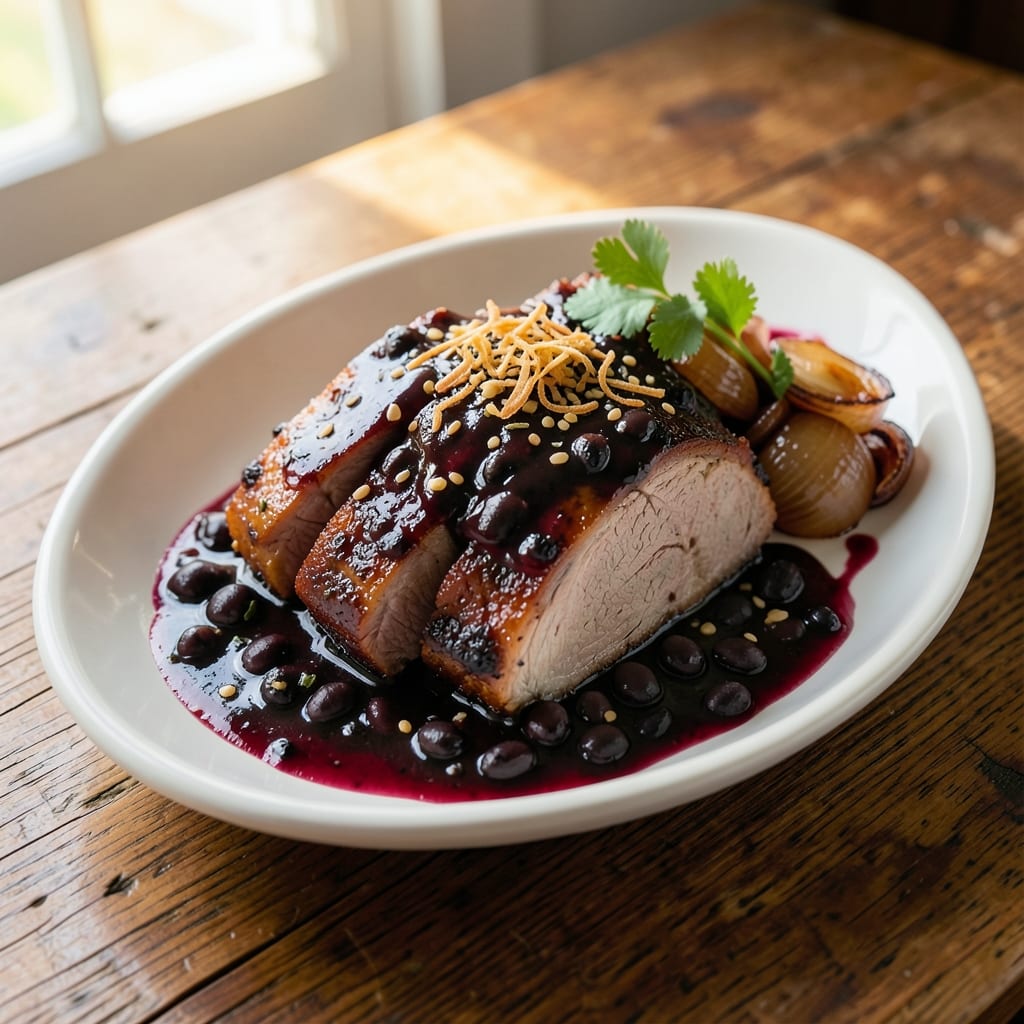
This black bean sauce pork recipe delivers restaurant-quality depth in a single pan, transforming simple ingredients into a smoky-sweet umami masterpiece. 🔥 I developed it after years of perfecting the balance between tender pork and rich, caramelized black bean sauce—no fancy techniques required. The secret lies in slow-braising the pork until fork-tender while building layers of flavor through toasted spices and reduced sauce.
What makes this recipe truly special is its versatility—equally at home as a weeknight dinner or weekend centerpiece. We start with a simple marinade of soy sauce, brown sugar, and garlic, then let the pork cook low and slow in its own juices. Meanwhile, the black bean sauce develops complexity through caramelization and a touch of vinegar for brightness. The result? Pork that falls apart at the touch of a fork, bathed in a glossy sauce that's both sweet and savory.
The technique is straightforward but professional: sear the pork first for depth of flavor, then braise until tender. The black bean sauce reduces beautifully in the same pan, creating a thick, velvety coating that clings to every bite. This method ensures maximum flavor with minimal cleanup—perfect for home cooks who want restaurant-quality results without the fuss.
Serve with steamed jasmine rice to soak up every last drop of sauce, or pair with roasted vegetables for a complete meal. The smoky-sweet profile makes it equally satisfying as a standalone dish or part of a larger spread. Let's get cooking—this recipe delivers on both flavor and ease.
Ingredients for black bean sauce pork
Simple yet transformative ingredients for a restaurant-worthy black bean sauce pork dish.
| Ingredient | Amount | Notes |
|---|---|---|
| Pork Shoulder 🥩 | 2 lb | Cut into 1.5-inch cubes |
| Black Beans 🌱 | 1 ½ cups | Canned, drained and rinsed |
| Soy Sauce 🍶 | ½ cup | Kosher or tamari preferred |
| Brown Sugar 🍚 | ¼ cup | Packed, light brown preferred |
| Garlic Cloves 🧄 | 6 cloves | Minced, fresh preferred |
| Red Wine Vinegar 🍷 | 2 tbsp | For brightness and acidity |
| Ginger Root 🌿 | 1 tbsp | Freshly grated, peeled |
| Smoked Paprika 🌶️ | 1 tbsp | For smoky depth |
| Ground Black Pepper 🌶️ | ½ tsp | Freshly cracked preferred |
| Olive Oil 🫒 | 2 tbsp | Extra-virgin for richness |
| Green Onion 🧅 | 2 whole | Sliced, for garnish |
| Sesame Oil 🫒 | 1 tsp | For aroma, optional |
| Jasmine Rice 🍚 | 2 cups | Uncooked, for serving |
| Salt 🧂 | 1 ½ tsp | Kosher or sea salt |
The pork shoulder is the backbone of this recipe—look for cuts with good marbling at Costco or your local butcher shop. Bone-in pork shoulder stays juicier during the long braise, but boneless works too if you're short on time. If you can't find fresh ginger, ground ginger works in a pinch, though fresh delivers that bright, zesty kick. The black beans should be canned, not dried—no need to soak. For the soy sauce, Kikkoman or tamari are reliable choices, but any good-quality brand will do. Smoked paprika adds that signature smoky depth—Penzeys or McCormick are solid options if you're buying in bulk.
No red wine vinegar? Rice vinegar or apple cider vinegar will work in a pinch, though the flavor profile shifts slightly. Fresh ginger unavailable? Substitute with 1/2 teaspoon ground ginger, but reduce the amount by half since it's less potent. Want more umami? Add 1 teaspoon fish sauce (if not vegetarian) or 1/2 teaspoon soy sauce to the sauce at the end. The brown sugar can be swapped for white sugar or coconut sugar, though light brown adds subtle molasses notes. For the green onions, scallions or chives work too—just keep the amount the same. Sesame oil is optional but adds a nutty aroma—skip it if you're avoiding strong flavors.
Pork shoulder keeps for 3-4 days in the fridge, but it's best used within 2 days for maximum tenderness. The cooked pork and sauce reheat beautifully—simply cover and warm in a saucepan over medium heat, adding a splash of water if it's too thick. Store leftovers in an airtight container for up to 4 days. For meal prep, portion the pork and sauce into containers with rice—it reheats like a dream. The sauce thickens as it cools, so add a splash of water or broth when reheating if needed. Freeze portions for up to 3 months—just thaw overnight in the fridge before reheating.
Why You'll Love This Recipe
- No Chopping Chaos: I swear by this one—just dice the pork shoulder into big chunks, no fancy knife work. The black beans soften right in the pan, and that brown sugar caramelizes into a glossy sauce without a single strainer or extra bowl.
- Sweet-Savory Magic: That combo of soy sauce and brown sugar? It’s like a hug for your taste buds. The garlic cloves sizzle into fragrant bits, while the black beans add a deep, earthy richness that makes every bite irresistible.
- Lunchbox Hero: Between us, this is my go-to for meal prep. Toss the leftovers into rice bowls or wraps, and it still tastes like a restaurant dish. Honestly, I’ve packed it for work three times this week—no complaints from my coworkers.
- Budget Stretch: Pork shoulder is cheap, black beans are a pantry staple, and you’re using basic spices. I made this for eight people last month and spent less than $15 total. Plus, the leftovers reheat like a dream—no dried-out pork here.
Step-by-step instructions for smoky-sweet black bean sauce pork
Here's the method for perfectly tender pork shoulder in a rich, balanced sauce.
🔥 Step 1: Sear the Pork Shoulder for Maximum Flavor
Heat a large Dutch oven over medium-high heat until smoking hot. Add the 2 tablespoons olive oil and swirl to coat the bottom. Working in batches to avoid crowding, add the 2 lb pork shoulder cut into 1.5-inch cubes and sear for 3-4 minutes per side until deep golden brown with crisp edges.
This searing step creates the Maillard reaction that builds deep, caramelized flavor in the sauce. I press down gently on each piece during the first minute to prevent curling. If the pan gets too crowded, reduce to medium heat to avoid steaming instead of browning. Transfer the seared pork to a plate and set aside.
🍳 Step 2: Build the Sauce Base with Aromatics
In the same Dutch oven, reduce heat to medium and add 6 cloves minced garlic cloves and 1 tablespoon freshly grated ginger root. Cook for 30 seconds until fragrant—you should smell the garlic blooming and ginger releasing its zing. Immediately add 1 tablespoon smoked paprika and stir for 10 seconds to toast the spices.
Here's where the sauce magic begins. Don't let the aromatics burn—if they darken too quickly, reduce heat to low and watch carefully. The smoky depth from the paprika will carry through the entire dish, while the fresh ginger adds bright contrast to the sweetness.
🥘 Step 3: Simmer the Pork with Sauce Ingredients
Return the seared pork to the Dutch oven. Add 1.5 cups drained black beans, 0.5 cup soy sauce, 0.25 cup packed brown sugar, 2 tablespoons red wine vinegar, 0.5 teaspoon ground black pepper, and 1.5 teaspoons salt. Stir to combine, then add 1 cup water to help deglaze the browned bits from the bottom of the pan.
Bring to a gentle simmer over medium-low heat, then reduce to low and cover partially with a lid. Let it cook for 1 hour, stirring occasionally, until the pork is tender enough to pierce with a fork but still has some resistance. The sauce should thicken slightly and coat the back of a spoon.
🔪 Step 4: Finish with Sesame Oil and Garnish
After the pork is tender, uncover the Dutch oven and increase heat to medium. Let the sauce reduce for 5-7 minutes until it reaches your desired consistency—it should coat the pork nicely but still be saucy enough to spoon. Stir in 1 teaspoon sesame oil and taste. Adjust seasoning if needed, adding more soy sauce for saltiness or vinegar for brightness.
Remove from heat and let it rest for 5 minutes before serving. Garnish with 2 whole green onions sliced over the top. The pork should be fork-tender with a glossy, slightly thickened sauce that clings beautifully. Serve over 2 cups cooked jasmine rice to soak up every last bit of that smoky-sweet goodness.
Pro Tips For Making Black Bean Sauce Pork
- SEAR THE PORK FIRST: Don’t skip the initial sear—get that pork shoulder in a screaming-hot pan with oil until it’s deep golden, not just pink. I used to rush this, and the sauce never stuck to the meat like it should. Two minutes per side, no crowding, or you’ll steam it instead of crisp it.
- SOAK BEANS OVERNIGHT: Drain and rinse canned black beans, but if you’re using dried, soak them overnight—yes, even if the recipe says otherwise. The texture becomes velvety, not mushy, and they absorb the sauce better. I learned this after a batch turned into a sad, watery mess.
- CONTROL THE SUGAR BURN: When adding brown sugar, keep the heat medium-low after it melts—high heat turns it into caramelized goo before the sauce comes together. Stir constantly and let it simmer gently; this is where the sauce balances sweet and savory, not where it turns into a sticky disaster.
- GARLIC: MINCE, DON’T CHOP: Finely mince the garlic (almost paste-like) so it dissolves into the sauce instead of sitting as chunks. I was skeptical until I tried it—now the flavor is smooth, not chewy. No need to overcook; just let it mingle with the pork and beans as they simmer.
Storing and reheating this dish
Fridge Storage Tips
Let your black bean sauce pork cool to room temperature for no more than 2 hours before storing. Transfer to airtight containers—I love using glass Pyrex with snap-on lids—and refrigerate at 40°F or below. The pork and sauce keep beautifully for 4 days, with flavors actually deepening as they meld. I always portion the rice separately to prevent sogginess. 🥫
Freezer Prep for Meal Prep
For longer storage, freeze individual portions in quart-sized freezer bags with 1 inch headspace for expansion. Place the pork and sauce together, then add a separate bag of cooked rice. Label with the date—this dish freezes for up to 3 months without texture loss. Thaw overnight in the fridge for best results. I double the recipe specifically for freezer prep!
Stovetop Reheating
My preferred method is stovetop reheating over medium-low heat for 10-12 minutes, covered. Add 2-3 tablespoons water or pork broth to restore moisture if the sauce thickens too much. Stir occasionally and taste before serving—often needs a pinch of salt after reheating. For extra richness, add 1 teaspoon sesame oil during the last minute of reheating. 🔥
Microwave Shortcuts
For quick meals, use the microwave on 50% power for 2-3 minute intervals, stirring between each. Cover loosely with a microwave-safe plate to prevent splattering. The pork reheats best when the sauce is still slightly saucy—add a splash of water if needed. I recommend this method for single servings when you're short on time.
Garnish Refresh
After reheating, brighten the dish with fresh garnishes. I always add sliced green onions and a drizzle of sesame oil—this restores that restaurant-quality finish. A sprinkle of toasted sesame seeds adds texture. For extra umami, finish with a dash of fish sauce (if not vegetarian) or a pinch of soy sauce. The right garnish makes all the difference! ✨
Nutrition facts
Frequently asked questions
Can I substitute chicken or beef for the pork in this recipe?
While pork shoulder is ideal for its fat content and tenderness, you can adapt this recipe for chicken thighs (bone-in works best) or beef chuck. Use 1.5 lbs of meat instead of 2 lbs since they cook faster. Chicken needs only 20-25 minutes after searing, while beef may require 1.5 hours of braising. Adjust cooking times carefully—overcooking will make the meat dry.
How do I make this recipe vegetarian?
Replace the pork with 1.5 lbs firm tofu or 1 lb extra-firm tofu pressed and cubed, or use 1.5 lbs king oyster mushrooms sliced into thick rounds. Increase the braising time to 30-40 minutes to ensure proper texture. Boost umami with 1 teaspoon soy sauce or mushroom sauce added to the black bean mixture. The sauce will still shine as the star!
Why did my sauce turn out too sweet or too salty?
This happens when ingredients aren't balanced properly. For sweetness, reduce the brown sugar to 0.2 cup and add 1 tablespoon vinegar for balance. For saltiness, dilute with 2 tablespoons water and add 1 teaspoon extra vinegar. Always taste as you go—adjust in 5-minute increments during the final reduction. The sauce should coat the back of a spoon but remain saucy.
Can I make this recipe in an Instant Pot or slow cooker?
For Instant Pot: Sear pork first, then cook on high pressure for 30 minutes with all ingredients. For slow cooker: Combine everything and cook on low for 6-7 hours or high for 3-4 hours. The pork will be extra tender, but reduce the sauce separately on the stovetop to achieve the same glossy consistency. Add 1 tablespoon cornstarch mixed with water to thicken if needed.
What's the best way to serve this dish for a crowd?
Double the recipe and serve family-style with steamed rice in a large bowl, the pork and sauce in a central skillet, and garnishes (green onions, sesame seeds) in small bowls. Add steamed bok choy or broccoli on the side for freshness. For a buffet, arrange components on a platter with individual rice bowls. This dish reheats beautifully, so prep ahead!