
Main Courses
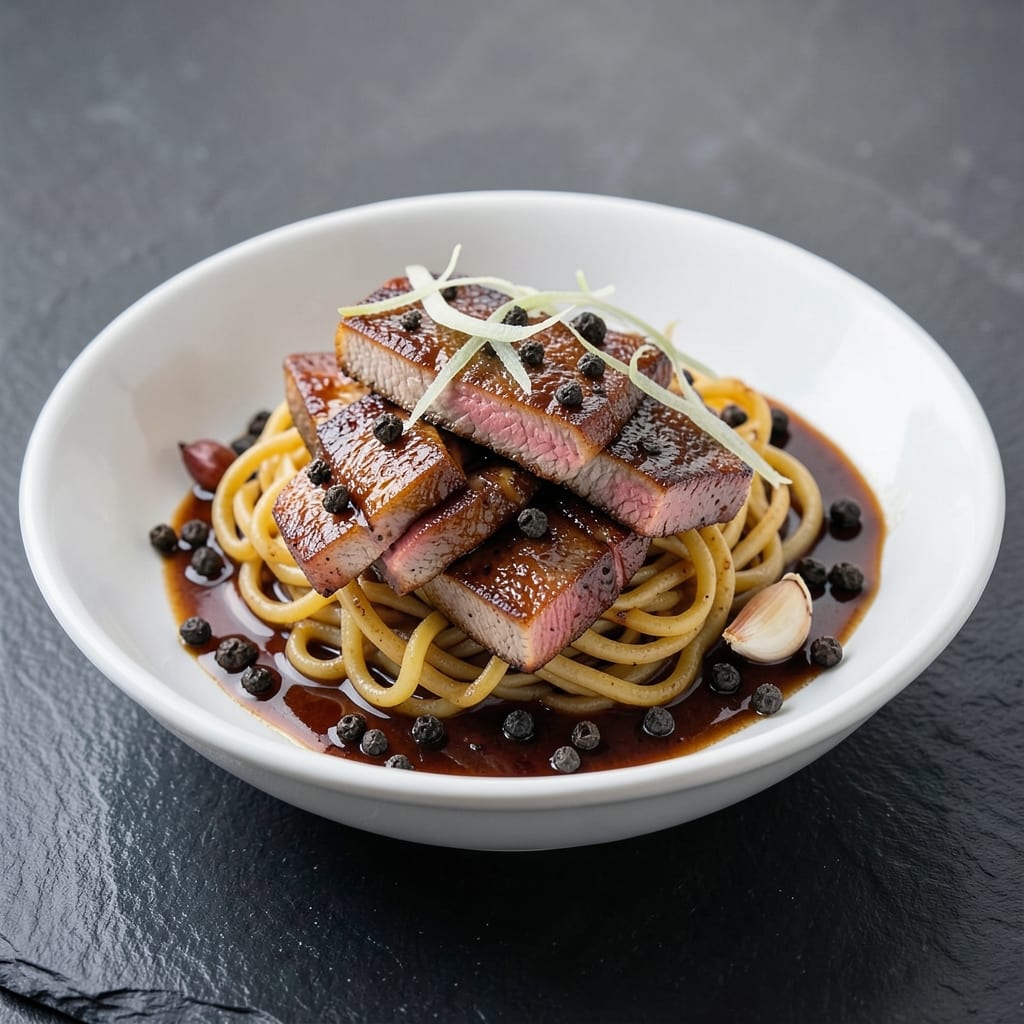
This black pepper pork stir fry delivers restaurant-quality heat and tenderness in just 20 minutes, transforming simple ingredients into a dish that tastes like it simmered all day. 🔥 The secret lies in properly searing the pork for maximum flavor development before tossing it with fresh black pepper, garlic, and ginger—a combination that creates a perfect balance of bold heat and aromatic depth. I developed this technique while working in Charleston kitchens, where quick, flavorful stir-fries were a daily staple.
The magic happens in the wok or cast iron skillet, where high heat creates a caramelized crust on the pork while keeping the noodles silky and perfectly al dente. Fresh black pepper is key—it delivers that signature kick without overpowering the dish, while the pork absorbs all the aromatic flavors. This isn't just another stir-fry; it's a dish that transforms humble ingredients into something extraordinary with minimal effort.
What you'll end up with is tender, juicy pork slices that stay perfectly bite-sized, coated in a sauce that's both savory and subtly sweet from a touch of soy and brown sugar. The noodles absorb just enough of that flavorful sauce to become rich and satisfying, while the black pepper adds a warming finish that lingers on your palate. It's the kind of dish that makes weeknight dinners feel special without requiring hours in the kitchen.
Serve this stir fry over steamed rice for extra heartiness or as-is for a lighter meal. The leftovers reheat beautifully, making it perfect for meal prep. Let's get cooking—this dish is faster than takeout but packed with restaurant-quality flavor.
Ingredients for black pepper pork stir fry
Restaurant-quality stir fry starts with these 12 essential ingredients—simple but powerful.
| Ingredient | Amount | Notes |
|---|---|---|
| Boneless Pork Loin 🥩 | 1 ½ lb | Thinly sliced against grain |
| Fresh Black Peppercorns 🌶️ | 2 tbsp | Coarsely crushed, not powdered |
| Garlic Cloves 🧄 | 6 cloves | Minced, not pressed |
| Fresh Ginger 🌿 | 1 tbsp | Finely grated, peeled |
| Egg Noodles 🍜 | 8 oz | Fresh or dried, al dente |
| Low-Sodium Soy Sauce 🥄 | 3 tbsp | Kikkoman preferred |
| Brown Sugar 🍯 | 1 tbsp | Light or dark variety |
| Sesame Oil 🫒 | 1 tbsp | Toasted, not flavored |
| Vegetable Oil 🫒 | 2 tbsp | High smoke point |
| Green Onions 🧅 | 3 whole | Thinly sliced, white/green |
| Sesame Seeds 🌾 | 1 tsp | Toasted lightly |
| Kosher Salt 🧂 | 1 tsp | Diamond Crystal preferred |
The pork is where all the magic happens. Pork loin stays tender when sliced thinly against the grain—ask your butcher to cut it for you if they won't do it in-store. Fresh black peppercorns are non-negotiable here; crushing them yourself delivers that signature heat and aroma powdered pepper can't match. I always grab mine from Whole Foods or the bulk section at Trader Joe's—they stay potent for months in an airtight container. For the ginger and garlic, fresh is best, but if you're in a pinch, jarred minced garlic works (just drain it well).
No fresh black peppercorns? Substitute 1 tbsp black pepper powder, but you'll lose that aromatic depth. Running low on sesame oil? Avocado oil at half the amount keeps the flavor profile intact. The soy sauce can be regular, but low-sodium gives you better control over seasoning. For the noodles, fresh egg noodles cook faster and hold up better to stir-frying, but dried works in a bind—just soak them according to package instructions before adding to the pan. The brown sugar adds subtle sweetness; coconut sugar works too if you're avoiding refined sugar.
Pork slices keep best in the fridge for 2 days when stored in an airtight container with a paper towel to absorb moisture. The crushed black peppercorns should be kept in a dark glass jar to preserve their potency—lasts about 6 months this way. For meal prep, cook the stir fry and refrigerate in portions. Reheat gently in a skillet with a splash of water to restore moisture—3 minutes on medium heat is all it takes. The noodles reheat best when tossed with a little extra sesame oil to prevent drying.
Why You'll Love This Recipe
- Here’s what sold me: cold leftovers the next day are still amazing. Toss the stir-fry with noodles, pack it in a container, and it’s a grab-and-go lunch that doesn’t taste like it’s been sitting around.
- Pantry-to-Table Speed: I swear by this when I’m starving at 7:30 PM. Slice the pork thin, crush those peppercorns in a mortar (or just whack them with a knife), and toss everything in one pan—no waiting for marinades or fancy prep.
- Peppery Pork Magic: That moment when the black pepper hits the hot oil? Instant aroma explosion. The pork stays juicy while the peppercorns add a deep, earthy punch—like a hug in a bowl, but way more delicious.
- Lunchbox Hero: Here’s what sold me: cold leftovers the next day are still amazing. Toss the stir-fry with noodles, pack it in a container, and it’s a grab-and-go lunch that doesn’t taste like it’s been sitting around.
Step-by-step instructions for black pepper pork stir fry
Here's how to transform simple ingredients into a restaurant-quality stir fry with bold flavors and tender pork.
🔪 Step 1: Prep the Pork and Aromatics
Slice the 1.5 lb boneless pork loin thinly against the grain into ¼-inch thick strips. This ensures tender bites that cook quickly in the stir fry. Pat the slices dry with paper towels—moisture prevents proper searing.
While the pork rests, crush the 2 tbsp fresh black peppercorns in a mortar and pestle or heavy bag with a rolling pin until coarsely ground. Mince the 6 cloves garlic and grate the 1 tbsp fresh ginger using a microplane. Keep these aromatics separate until needed—they'll release their flavors at different stages of cooking.
🍳 Step 2: Cook the Pork to Perfect Tenderness
Heat 2 tbsp vegetable oil in a wok or large skillet over high heat until shimmering. Add the pork strips in a single layer and let them sear undisturbed for 1-2 minutes until the edges turn golden brown. This creates a flavorful crust while keeping the centers tender.
Stir the pork and cook for another 2-3 minutes until 85% done (it'll finish cooking with the noodles). Remove and set aside. If the pan isn't coated with browned pork bits, scrape them up with a wooden spoon—these contain concentrated flavor.
🥘 Step 3: Build the Flavorful Sauce Base
In the same pan, reduce heat to medium and add the minced garlic and ginger, cooking for 30 seconds until fragrant (don't let them burn). Pour in 3 tbsp low-sodium soy sauce and 1 tbsp brown sugar, stirring to combine. Let the sauce simmer for 1 minute until slightly reduced.
Return the pork to the pan and add 1 tbsp sesame oil. Toss everything together for 1 minute, allowing the pork to absorb the sauce. This step ensures every bite carries that signature black pepper heat and umami depth.
🍳 Step 4: Cook the Noodles Al Dente
Bring a pot of salted water to a boil and cook the 8 oz egg noodles for 1 minute less than package instructions recommend. They'll finish cooking in the stir fry. Drain and rinse briefly with cold water to stop cooking, then toss with 1 tbsp vegetable oil to prevent sticking.
Add the noodles to the pork mixture in the pan. Stir-fry over high heat for 2-3 minutes until the noodles are tender but still have bite. The residual heat will finish cooking them perfectly while creating that signature silky texture.
🍽️ Step 5: Finish and Garnish
Divide the stir fry among plates. Garnish each serving with thinly sliced green onions (both white and green parts) and sprinkle with 1 tsp toasted sesame seeds. The contrast of fresh green onions against the rich, peppery pork creates visual appeal and balances the dish.
Serve immediately while hot. The black peppercorns should provide a subtle, lingering heat that enhances rather than overpowers the tender pork and silky noodles. For extra drama, drizzle with a few drops of sesame oil just before serving.
Pro Tips For Making Black Pepper Pork Stir Fry
- CRANK THE HEAT FIRST: That pork loin won’t brown properly if you start gentle—your stir fry needs a screaming-hot wok or skillet from the get-go. I learned this the hard way when my first batch turned out pale and sad; now I blast the burner for 30 seconds before adding oil, then keep it there until the pork hits golden in under 2 minutes.
- GRIND PEPPER FRESH, THEN TOAST: Pre-ground pepper loses its punch, and skipping the toast makes the flavor flat. Crack whole peppercorns in a mortar (or bag with a rolling pin) right before cooking, then dry-toast them in the same pan as the garlic—just 10 seconds until fragrant. The aroma alone tells you it’s working.
- SLICE PORK THIN—NO THICKER THAN ½ INCH: Thick cuts steam instead of sear, and you’ll end up with chewy pork. Use a sharp knife and cut against the grain at a 45-degree angle for uniform slices. If your pork is stubborn, freeze it 20 minutes first—it’ll slice cleaner than a hot knife through butter.
- STOP STIRRING WHEN IT LOOKS DONE: Overworking the pork after it’s cooked turns it mushy. Once the edges curl and the center hits 145°F (63°C), pull it out of the pan for 30 seconds—let the residual heat finish the job. I know, it feels counterintuitive, but the texture stays perfect.
Serving suggestions for this dish
Rice Pairings
Steamed jasmine rice is my go-to base for this stir fry—its delicate floral notes complement the bold black pepper without competing. Cook 1 cup uncooked jasmine rice with 1.25 cups water until fluffy, then fluff with a fork before serving. For extra richness, mix in 1 tbsp toasted sesame oil and a pinch of salt while the rice steams. 🍚
Short-grain sushi rice works beautifully too, especially if you enjoy slightly sticky textures. Rinse 1 cup sushi rice thoroughly before cooking, then steam with 1 cup water and 1 tsp rice vinegar for a subtle tangy finish. The rice absorbs the stir fry's sauce beautifully, creating a cohesive bite.
Vegetable Sides
Quick-pickled cucumber slices add a refreshing crunch that cuts through the richness. Thinly slice 1 English cucumber, toss with 1 tbsp rice vinegar, 1 tsp sugar, and a pinch of salt. Let sit for 15 minutes before serving—this brightens the whole plate. 🥒
Blistered shishito peppers bring another layer of heat and texture. Toss 6 shishito peppers with 1 tbsp vegetable oil and a pinch of salt, then blister in a skillet for 2-3 minutes per side. Serve whole with a small bowl of sriracha mayo for dipping—guests will love the contrast.
Protein Additions
For extra heartiness, fold in ½ cup shredded rotisserie chicken during the final stir-fry stage. The chicken absorbs the black pepper sauce beautifully, adding another dimension of flavor. I like using store-bought rotisserie chicken from my local Publix—it's perfectly seasoned and saves time. 🍗
Shrimp lovers can add ½ lb peeled shrimp to the pan during the last 2 minutes of cooking. Toss them with the noodles and pork, allowing the shrimp to cook through while absorbing the sauce. A squeeze of lemon juice at the end brightens the dish.
Sauce Enhancements
Drizzle each serving with 1 tsp chili crisp for extra heat and smoky depth. This spicy sauce adds a luxurious finish that elevates the dish from home cook to restaurant-quality. I keep a bottle of Lao Gan Ma Chili Crisp on hand—it's the gold standard. 🌶️
For a tangy twist, serve with pickled ginger on the side. Thinly slice 1-inch of fresh ginger, then quick-pickle in ¼ cup rice vinegar with 1 tsp sugar for 10 minutes. The bright acidity balances the richness perfectly.
Nutrition facts
Frequently asked questions
Why does the recipe call for fresh black peppercorns instead of powder?
Freshly crushed black peppercorns deliver that signature aromatic depth and heat that powdered pepper can't match. The whole peppercorns release their oils gradually during cooking, creating a more complex flavor profile. Plus, they add beautiful flecks of pepper that make the dish visually appealing. If you only have powder, use 1 tbsp but expect slightly less heat and aroma.
Can I use frozen pork for this stir fry?
Fresh pork works best for this recipe, but you can use frozen pork if thawed properly. Partially freeze the pork first, then slice it thinly while still frozen for easier handling. Thaw completely in the refrigerator overnight before cooking. Never thaw at room temperature, as this promotes bacterial growth. The texture will be slightly different but still delicious.
How do I prevent the pork from drying out?
The key is proper slicing and searing technique. Always slice the pork ¼-inch thick against the grain and pat it very dry before cooking. Sear the pork at high heat for just 1-2 minutes per side until golden, then finish cooking with the noodles. Overcrowding the pan or cooking too long will dry it out, so work in batches if needed.
What's the best way to reheat leftovers?
Reheat leftovers gently in a skillet over medium heat for 3-4 minutes with a splash of water or broth to restore moisture. Avoid microwaving as it can make the noodles mushy. For extra flavor, add ½ tbsp soy sauce and ½ tbsp sesame oil while reheating. Store leftovers in an airtight container for up to 3 days.
Can I make this recipe gluten-free?
Yes, but you'll need to make a few substitutions. Use tamari or gluten-free soy sauce instead of regular soy sauce, and check that your noodles are certified gluten-free. The rest of the recipe remains the same. For extra flavor, add 1 tsp gluten-free oyster sauce to the stir fry if you're not avoiding seafood.