
Main Courses
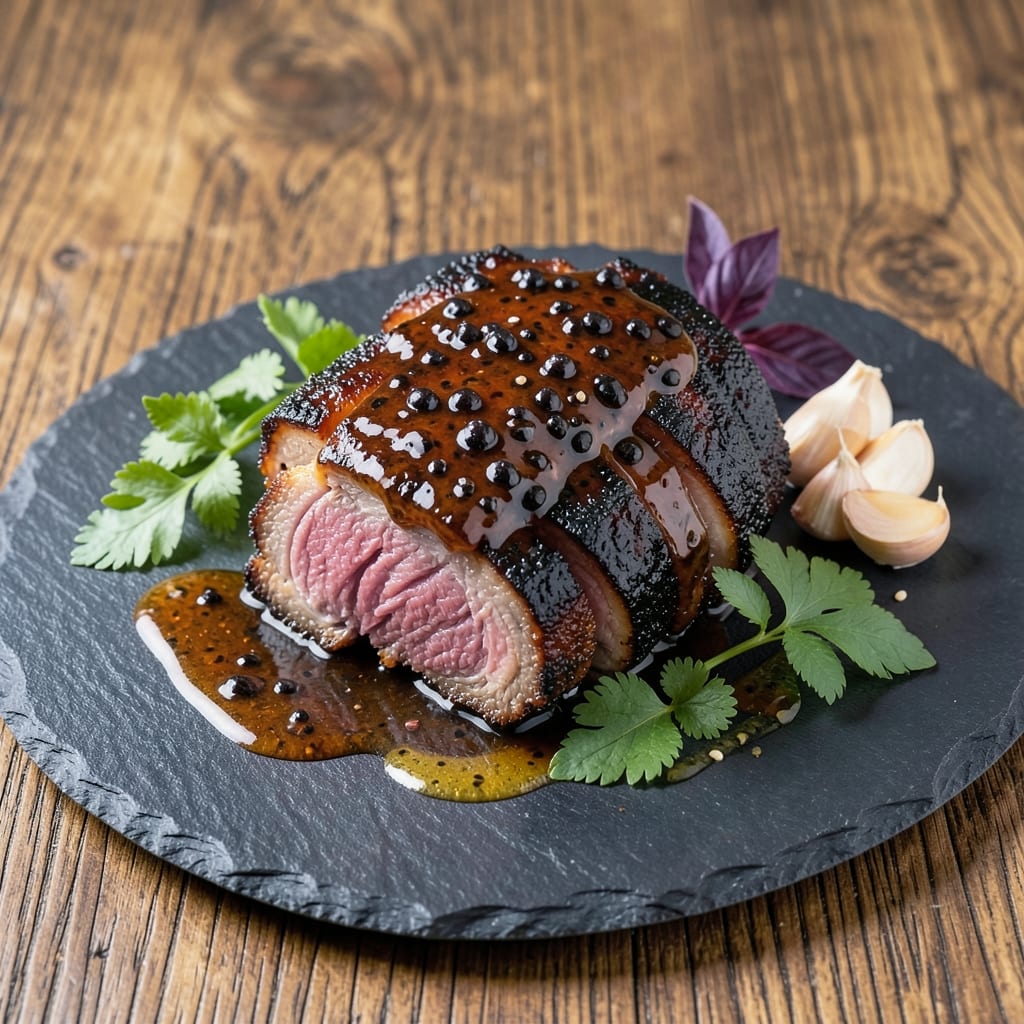
This black pork belly recipe delivers the perfect harmony of crispy crackling crust and silky pink meat that melts in your mouth. I've perfected this technique over years of cooking competitions and family gatherings, where every bite becomes the centerpiece of the meal. The secret lies in a precise balance of high-heat searing and low-and-slow cooking that transforms tough belly into restaurant-quality perfection.
What sets this recipe apart is the marinade—a blend of hoisin, fermented bean paste, and aromatic spices—that infuses the pork with deep umami flavor while creating that signature blackened crust. We start with a quick sear to lock in juices, then finish with a gentle braise that renders fat perfectly. This method ensures your pork belly stays moist and tender while developing that coveted crispy exterior that shatters at every bite.
The result is a dish that commands attention at any table—golden crackling that snaps between your fingers, giving way to tender, flavorful meat that practically falls apart. The marinade's sweet-savory notes complement the pork beautifully, creating a balance that's both comforting and sophisticated. This recipe serves as the star of any meal, whether paired with jasmine rice, pickled vegetables, or a fresh Asian slaw.
What makes this recipe truly special is its versatility. You can serve it as a main course for special occasions or incorporate it into sandwiches, tacos, or banh mi for everyday meals. The technique is foolproof once you understand the balance between heat and time, and the results are always impressive. Let's get started on creating this showstopping dish that will have everyone asking for seconds.
Ingredients for black pork belly
Precision-cut pork belly and aromatic marinade ingredients transform ordinary meat into restaurant-quality crackling perfection.
| Ingredient | Amount | Notes |
|---|---|---|
| Pork Belly 🥓 | 2 lb | Skin-on, thick-cut preferred |
| Hoisin Sauce 🍶 | ½ cup | Store-bought or homemade |
| Fermented Black Bean Paste 🥫 | 2 tbsp | Asian market specialty |
| Soy Sauce 🥄 | ¼ cup | Dark or light, to taste |
| Sesame Oil 🫒 | 1 tbsp | Toasted, for aroma |
| Garlic Cloves 🧄 | 6 cloves | Minced, for marinade |
| Fresh Ginger 🌿 | 1 tbsp | Grated, for depth |
| Brown Sugar 🍚 | 2 tbsp | Light or dark |
| Star Anise 🌟 | 1 whole | For aromatic complexity |
| Cinnamon Stick 🌳 | 1 whole | For warmth |
| Vegetable Oil 🫒 | ½ cup | High smoke point |
| Salt 🧂 | 1 ½ tbsp | Diamond Crystal preferred |
| Black Peppercorns 🌶️ | 1 tsp | Freshly cracked |
| Jasmine Rice 🍚 | 1 ½ cups | Uncooked, for serving |
The pork belly is the star, so quality matters. Look for thick-cut, skin-on pieces with good marbling—this ensures both tenderness and crispiness. Asian markets or specialty butchers often carry the best cuts, but most grocery stores stock pork belly in the meat case. If you're unsure about the cut, ask the butcher for a piece with at least 1/2-inch fat cap. For the fermented black bean paste, Asian grocery stores carry the best varieties, but a well-stocked supermarket's international aisle should have it too. Star anise and cinnamon sticks can be found in the spice section of most grocery stores, but bulk bins at natural food markets offer fresher options.
No hoisin sauce? Substitute with a mix of soy sauce and a touch of honey—though it won't be identical. Fresh ginger is ideal, but powdered ginger at half the amount works in a pinch. Running out of sesame oil? Toasted sesame seeds can add a similar aroma, though the flavor will differ slightly. The jasmine rice is purely for serving, so any long-grain rice will do. For the pork belly, if you can't find thick-cut pieces, ask the butcher to trim a larger cut—the extra fat is what creates that coveted crackling. And if you're feeling adventurous, swap half the soy sauce for coconut aminos for a slightly different umami profile.
Marinate the pork belly overnight for best results, but at least 4 hours if short on time. Store the marinade in an airtight container in the fridge. The cooked pork belly reheats beautifully—350°F for 15-20 minutes until crispy again. For leftovers, wrap tightly in foil to preserve crispiness. The jasmine rice keeps well in the fridge for 3-4 days, while the cooked pork belly can be stored for up to 5 days. Freeze portions for up to 3 months—just thaw overnight in the fridge before reheating.
Why You'll Love This Recipe
- One-Pan Magic: I swear by this for lazy nights—just score the pork, toss it on a sheet with those sticky-sweet sauces (hoisin + black bean paste), and let the oven do the work. No flipping, no fuss, and the sesame oil finish ties it all together in minutes.
- Umami Bomb: That fermented black bean paste? It’s the secret weapon—deep, salty, funky in the best way. The pork belly gets this glossy, caramelized crust while staying tender inside, and the hoisin adds that perfect balance of sweet and smoky. Honestly, I’ll eat it straight off the pan.
- Weeknight Workhorse: This feeds my family for days—packed lunches, quick stir-fries, or even cold slices in rice paper rolls. The leftovers actually taste better the second day, and I’ve served it at BBQs, potlucks, and even as a fancy-ish appetizer. (Yes, even on a Tuesday night.)
- Budget Luxury: Pork belly feels special, but this recipe stretches it like crazy. A single slab renders down into crispy, flavorful bits that you’ll want to eat by the spoonful, and the sauces are cheap enough to keep on hand. Between us, it’s the most impressive dish I make for under $15.
Step-by-step instructions for black pork belly with crispy cracklings
Mastering this technique transforms fatty pork belly into a luxurious dish with irresistible contrast.
Prepare the Pork Belly for Maximum Crisp
Begin by scoring the pork belly skin in a diamond pattern using a sharp knife, making cuts about ½-inch apart and ¼-inch deep. This creates pathways for the fat to render while developing that coveted crackling crust. Pat the skin completely dry with paper towels—any moisture will prevent crisping.
In a large bowl, combine the 2 lb pork belly, 0.5 cup hoisin sauce, 2 tbsp fermented black bean paste, 0.25 cup soy sauce, 1 tbsp sesame oil, 6 minced garlic cloves, 1 tbsp grated fresh ginger, 2 tbsp brown sugar, 1 whole star anise, and 1 whole cinnamon stick. Massage the marinade into the meat, ensuring it penetrates the cuts. Cover and refrigerate for 24 hours—this resting period allows the flavors to meld deeply while the meat firms up.
Render Fat and Develop Crust at Low Heat
Remove the pork belly from the marinade (reserve the marinade for later) and place it fat-side down in a cold roasting pan. Preheat your oven to 275°F—this low temperature is critical for slow, even fat rendering without cooking the meat. Place the pan on the middle rack and roast for 2 hours, basting with the reserved marinade every 30 minutes to enhance flavor and promote even cooking.
After 2 hours, increase the oven temperature to 350°F and continue roasting for another 1 hour. The skin should now be deep golden brown with crisp cracklings forming. If the cracklings aren't fully set, return the pork belly to 275°F for an additional 15 minutes—patience here ensures the perfect texture.
Finish with High Heat for Ultimate Crisp
Transfer the pork belly to a wire rack set over a baking sheet. Increase the oven temperature to 425°F and roast for 10-15 minutes until the cracklings are deep golden and shatter when touched. This final high-heat phase caramelizes the sugars in the marinade and sets the cracklings to their ideal crispness. Watch closely—they go from perfect to burnt in mere minutes.
Remove the pork belly from the oven and let it rest for 10 minutes before slicing. This resting period allows the juices to redistribute, ensuring each slice is succulent and flavorful. The internal temperature should reach 195-203°F—probe the thickest part to confirm tenderness.
Serve with Jasmine Rice and Crispy Garnish
While the pork belly rests, cook the 1.5 cups jasmine rice according to package instructions, using 1.5 tbsp salt and 1 tsp freshly cracked black peppercorns in the cooking water for subtle seasoning. The rice should be perfectly fluffy and separate.
Slice the pork belly into ¼-inch thick slices, arranging them on a platter with the jasmine rice. Garnish with additional crispy cracklings and a drizzle of the reserved marinade. The contrast of silky pink meat against the shattering cracklings creates an unforgettable dining experience. Serve immediately while the cracklings are at their peak crispness.
Pro Tips For Making Black Pork Belly
- CRACK THE BELLY FIRST: Don’t waste time wrestling with whole pork belly—score the fat cap in a crosshatch pattern before you render it. This keeps the meat tender and lets the black bean paste and hoisin cling better later. I used to skip this, and the belly would turn into a chewy slab instead of crispy, flavorful slices.
- STIR-FRY THE PASTE: Bloom the fermented black bean paste in a dry pan for 2-3 minutes before adding oil or pork. This deepens its funky, umami punch—no, it won’t caramelize, but it’ll release its aroma and stick to the meat like glue. I learned this after a batch tasted flat; now it’s non-negotiable.
- SAVE THE SESAME OIL: Add sesame oil last, just before serving—it burns fast and ruins the dish if you cook with it. A splash over the finished pork belly (about ½ teaspoon) gives that signature aroma without turning your stir-fry into a greasy mess. Yes, it’s an afterthought, but it’s the thing that makes the dish sing.
- REST THE MEAT: After cooking, tent the pork belly with foil and let it sit for 5 minutes. This keeps the slices from falling apart when you cut them—especially important for black pork belly, which gets extra tender from the long marinade. I know, I know, you’re eager to eat it. But trust me, this is the difference between neat slices and a greasy pile.
Regional styles of black pork belly
Chinese Black Pork
This is the dish that inspired my love for pork belly—charred on the outside, tender inside, and packed with umami from fermented bean paste. In Cantonese cuisine, black pork (or "char siu") is traditionally marinated in hoisin and five-spice powder, then roasted over charcoal. I add a splash of Shaoxing wine to the marinade for depth, and always use thick-cut pork belly from my local butcher in Atlanta. The key is a high-heat sear followed by a low-and-slow finish—just like we do here, but with a touch more five-spice blend. 🌶️
Southern BBQ Style
Down in Georgia, we take blackened pork belly and turn it into a smoky, sweet masterpiece. I swap the hoisin for a vinegar-based BBQ sauce (like Sweet Baby Ray's) and add ½ cup apple cider vinegar to the marinade. The pork gets smoked at 225°F for 4 hours before finishing on a hot grill for that signature char. Serve it on buttered biscuits with a side of collard greens—this is pure Southern comfort food with a gourmet twist. 🍖
Japanese Kakuni
For a lighter take, Japanese kakuni uses braised pork belly with a sweet-savory glaze. I replace the hoisin with mirin and sake, add 1 tbsp grated daikon radish to the marinade, and braise the pork in a light soy broth for 3 hours until fork-tender. The result is silky meat with a glossy, caramelized crust—perfect for bento boxes or rice bowls. Garnish with pickled ginger and scallions for a refreshing contrast. 🌿
Korean Buldak
Korean buldak (black pork) gets its deep color from a marinade of gochujang (Korean chili paste) and soy sauce, giving it a spicy-sweet kick. I add 1 tbsp gochugaru (Korean chili flakes) to the marinade and grill the pork over binchotan charcoal for maximum smokiness. Serve it with ssamjang (spicy dipping sauce) and kimchi for a bold, flavor-packed meal that's all about balance. 🌶️
Thai Charred Belly
In Thailand, pork belly is often stir-fried with a palm sugar glaze and served with sticky rice. I marinate the pork in fish sauce, lime juice, and lemongrass, then sear it in a cast-iron skillet until deeply charred. The finishing touch? A drizzle of nam prik pao (Thai chili jam) and fresh cilantro. This version is lighter but still delivers that irresistible crackling texture. 🌶️✨
Nutrition facts
Frequently asked questions
Why does the pork belly need to marinate overnight?
The overnight marinade is essential for two reasons: it tenderizes the meat by breaking down connective tissues and allows the flavorful marinade to deeply penetrate the cuts. 24 hours ensures maximum flavor infusion and a firmer texture that holds up better during cooking. If short on time, 4 hours minimum will still work, but you may lose some tenderness.
Can I substitute the fermented black bean paste?
Yes! For a quick substitute, mix 1 tbsp soy sauce with 1 tsp molasses or honey to mimic the umami depth. If you're aiming for authenticity, look for douchi (fermented soybean paste) at Asian markets. The paste adds a unique funky-sweet flavor that's hard to replicate.
How do I fix pork belly that's too greasy?
If your cracklings aren't crispy, the issue is usually excess moisture or improper scoring. Pat the skin completely dry after marinating, and score it ½-inch apart in a diamond pattern. For extra crispiness, place the pork belly on a wire rack over a baking sheet during the final 425°F phase to allow air circulation.
What's the best way to reheat leftover black pork belly?
Reheat in a 350°F oven for 15-20 minutes on a wire rack to restore crispiness. For a quick fix, use the broiler for 3-5 minutes on high heat, watching closely to avoid burning. Wrap tightly in foil before reheating to prevent drying out.
Can I make this recipe in a slow cooker?
Not recommended for perfect cracklings, but you can adapt it! Sear the pork belly first, then cook on low for 6-8 hours with the marinade. For crispiness, finish in a 425°F oven for 10 minutes on a wire rack. The texture won't be identical, but the flavor will still be excellent.