
Sauces & Condiments
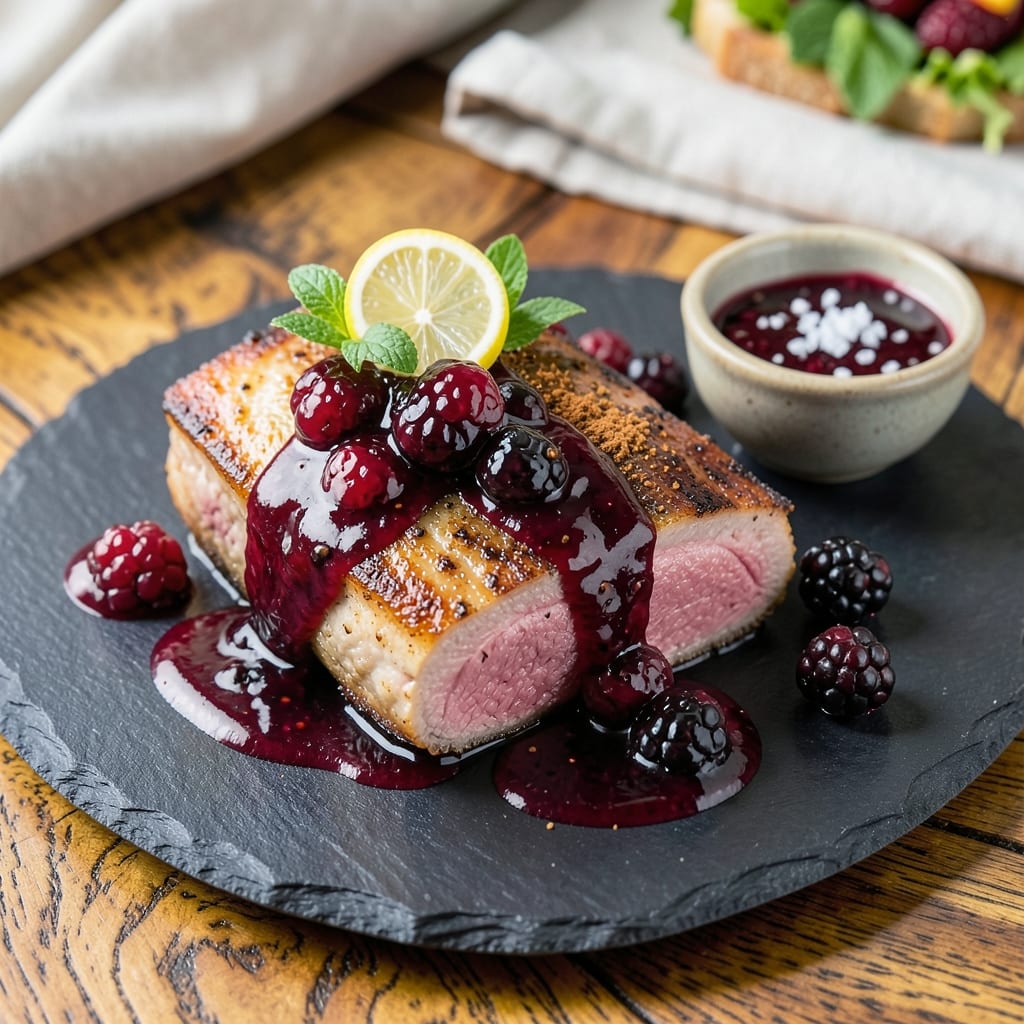
This balsamic-blackberry glaze transforms ordinary pork into something extraordinary—deep, tangy, and caramelized at the edges. 🔥 The secret lies in balancing sweet blackberries with sharp balsamic vinegar, creating a sauce that's rich enough to glaze ribs yet versatile enough to drizzle over pork chops. I developed this recipe after realizing how often store-bought sauces fall flat, and this version consistently delivers restaurant-quality results at home.
The process is simpler than it sounds: simmer blackberries, balsamic, and a touch of honey until the sauce thickens into a glossy, syrupy consistency. A splash of lemon juice brightens the flavors, while a pinch of cinnamon adds warmth that pairs beautifully with pork's natural richness. The best part? This sauce takes just 20 minutes to make and keeps well in the fridge for up to 2 weeks, so you can batch it for multiple meals.
What makes this glaze special is its dual role—it caramelizes pork edges into crispy perfection while adding a fruity depth that cuts through the meat's richness. Whether you're grilling a rack of ribs, searing pork tenderloin, or even glazing pulled pork sandwiches, this sauce elevates every bite. The balance of sweet, tart, and umami creates a flavor profile that's both familiar and excitingly new.
For extra depth, I recommend finishing with a sprinkle of flaky sea salt and a few fresh blackberries on top. The sauce works equally well as a table condiment or a cooking glaze, making it the ultimate pork companion. Here's everything you need to make it—plus tips for perfecting the texture every time.
Ingredients for blackberry sauce recipe for pork
Eight simple ingredients transform into a restaurant-quality glaze that caramelizes pork edges perfectly.
| Ingredient | Amount | Notes |
|---|---|---|
| Fresh Blackberries 🫐 | 1 ½ cups | Pitted, slightly crushed for texture |
| Balsamic Vinegar 🍷 | ½ cup | Aged, dark variety preferred |
| Honey 🍯 | 2 tbsp | Wildflower or clover preferred |
| Fresh Lemon Juice 🍋 | 1 tbsp | Brightens the sauce |
| Ground Cinnamon 🌿 | ½ tsp | Warmth without overpowering |
| Flaky Sea Salt 🧂 | ¼ tsp | For finishing touch |
| Extra-Virgin Olive Oil 🫒 | 1 tbsp | For glossy finish |
| Garlic Cloves 🧄 | 1 whole | Minced, optional for depth |
The blackberries are the star—fresh, ripe ones make all the difference. Local farmers markets often have the sweetest varieties, but grocery store blackberries work too if they're plump and deep purple. Avoid any that look shriveled or mushy. Balsamic vinegar? Look for aged, dark varieties like Barolo or Chianti—they've got that rich, caramelized depth that store-bought glaze packets can't touch. The honey should be wildflower or clover—avoid those overly processed kinds that crystalize fast. And that lemon juice? Fresh-squeezed is non-negotiable—bottled juice just doesn't cut it here.
No fresh blackberries? Frozen work perfectly—just thaw and drain them first. Short on balsamic? Substitute with red wine vinegar plus 1 tsp sugar, but you'll lose some complexity. Honey too expensive? Maple syrup works in a pinch, though it adds a different depth. The cinnamon can be skipped if you're sensitive to spice, but trust me—that pinch adds warmth that balances the tartness beautifully. For extra umami, add 1 tsp soy sauce to the simmering sauce. And if you're making this ahead, reduce the lemon juice by half—it'll brighten back up when reheated.
This sauce keeps beautifully—2 weeks in the fridge in a sealed jar. For longer storage, freeze in ice cube trays, then transfer to a bag—perfect for single-use portions. When reheating, add a splash of water to prevent scorching. The texture should be syrupy but pourable—if it thickens too much, thin with a little water or more balsamic. Use it within 3 months frozen. Pro tip: Double the batch—it disappears fast, especially when you realize how versatile it is for pork dishes.
Why You'll Love This Recipe
- Five-Ingredient Magic: This sauce comes together faster than you can say "dinner’s ready." Just toss blackberries, balsamic, honey, lemon, and cinnamon into a pot—no chopping, no fuss. My kids even help stir it (mostly because they love the smell).
- Sweet-Savory Balance: That first tangy-sweet bite? It’s like summer in a spoonful. The blackberries bring juicy richness, while the balsamic and lemon cut through the pork’s fat—perfect for glazing ribs or drizzling over chops. Honestly, I’ve never met a pork dish this sauce didn’t improve.
- Weeknight to Weekend: Use it on Tuesday for grilled pork chops or save it for Saturday’s BBQ—this sauce works everywhere. Store it in the fridge for up to a week, or even freeze it in ice cube trays for quick glaze boosts. (Yes, even on a Tuesday night.)
- Budget-Friendly Luxury: Fresh blackberries might seem fancy, but a single pint stretches across multiple meals. The rest of the ingredients? Pantry staples. You’ll get twice the flavor for half the cost of store-bought sauces—and zero weird additives. My secret weapon for frugal feasts.
Step-by-step instructions for balsamic-blackberry glaze
Here's how to create a rich, caramelized glaze that'll elevate your pork to restaurant-quality perfection.
🍳 Step 1: Simmer the Blackberries Until Broken Down
In a medium saucepan, combine the 1.5 cups fresh blackberries (pitted and slightly crushed) with the 0.5 cup balsamic vinegar and 2 tbsp honey. Bring to a gentle boil over medium-high heat, then immediately reduce to medium-low and let it simmer uncovered.
Stir occasionally for 8-10 minutes until the berries have completely broken down and the mixture thickens noticeably. You'll see the sauce transform from a vibrant purple to a deep, glossy burgundy color. This is where the magic happens—the natural pectin in the berries releases, creating that perfect glaze consistency.
Here's the thing—I like to taste as we go. After 5 minutes, give it a stir and taste. If you want more sweetness, add a touch more honey; if it needs brightness, we'll adjust with lemon juice later. Don't rush this step; patience ensures the berries fully dissolve and develop their richest flavor.
🍳 Step 2: Add Aromatics and Balance the Flavors
Once the blackberries are completely broken down, stir in the 1 tbsp fresh lemon juice and 0.5 tsp ground cinnamon. The lemon juice will brighten the sauce and cut through the richness of the honey and balsamic, while the cinnamon adds warm depth that pairs beautifully with pork.
Add the 1 whole garlic clove (minced) and 1 tbsp extra-virgin olive oil to the saucepan. Let the mixture simmer for another 3-4 minutes to allow the garlic to infuse its flavor. You'll know it's ready when the sauce coats the back of a spoon and the aroma is irresistibly complex—sweet, tangy, with hints of spice and umami.
This is where you can adjust the balance. If the sauce tastes too sharp, add a touch more honey. If it needs more acidity, squeeze in a bit more lemon juice. The goal is a harmonious blend where all flavors complement each other without any single note overpowering.
🔥 Step 3: Reduce and Caramelize for Glossy Perfection
Increase the heat to medium-high and let the sauce reduce for 5-7 minutes, stirring frequently. This is when the sauce transforms—it'll thicken dramatically and develop a glossy sheen as the moisture evaporates. Watch closely as it darkens to a deep, caramelized hue.
Here's the moment that matters: when the sauce starts to coat the back of a spoon and forms a thin, glossy layer when drizzled. This is your signal that the glaze is ready. If it's still too thin, continue reducing for another 1-2 minutes. If it thickens too quickly, add 1 teaspoon water to loosen it slightly.
Real talk: this is where most home cooks rush, and that's when the sauce can become too thick or even burn. Keep the heat at a steady simmer—you want to evaporate moisture, not burn the sugars. The caramelization is what gives this glaze its signature depth and stickiness that clings perfectly to pork.
🥘 Step 4: Finish with Salt and Test the Glaze
Remove the saucepan from heat and stir in the 0.25 tsp flaky sea salt. The salt enhances all the flavors and provides a beautiful contrast to the sweet-tangy sauce. Let the glaze cool for 5 minutes—this allows the flavors to meld and the sauce to thicken slightly as it comes off the heat.
Before using, give it one final taste. The glaze should be perfectly balanced—sweet from the honey, tangy from the balsamic and lemon, with warm cinnamon and a subtle garlic depth. If you're brushing it on pork, you want it to be thick enough to cling but still flow smoothly. If it's too thick, thin with 1 teaspoon water at a time until it reaches your desired consistency.
Here's a pro tip: if you're not using the glaze immediately, transfer it to a clean jar and let it cool completely. It'll keep in the refrigerator for up to 1 week, and it actually tastes even better the next day as the flavors continue to develop. The glaze will thicken further when chilled, so you may need to thin it slightly with water before using.
Pro Tips For Making Blackberry Sauce Recipe For Pork
- Simmer Slow and Low: Blackberries burn faster than you’d think—keep the heat at a gentle simmer (just bubbles breaking, not rolling) once everything’s combined. I learned this the hard way when my sauce turned into a charred mess after rushing it; patience here makes all the difference for that smooth, jammy texture.
- Mash Those Berries: Skip the food processor—use a fork or potato masher to crush the blackberries right in the pot. This releases more juice and flavor without turning the sauce into a puree, which keeps the sauce’s natural texture and prevents it from tasting overly thick or artificial.
- Balance the Acid Early: Add the lemon juice and balsamic vinegar together first, then taste before sweetening with honey. The acid needs to cut through the fruit’s natural sugar, or you’ll end up with a cloying, one-note sauce. Trust your palate here—adjust in small increments.
- Toast the Cinnamon: Warm the cinnamon in a dry pan for 30 seconds until fragrant before adding it to the sauce. This deepens its flavor and prevents that raw, dusty taste that ruins the balance. (Yes, even a pinch makes a difference—don’t skip it.)
Common mistakes when making great blackberry sauce recipe for pork
Over-Simmering Risks
Watch the heat like a hawk—medium-low is your friend. Pushing to high heat burns the natural sugars in blackberries and balsamic, turning your glossy glaze into bitter, syrupy sludge. I’ve seen this happen when someone walks away for just 5 minutes—suddenly, you’re left with a dark, acrid mess instead of that perfect caramelized sheen. 🔥
Here’s my trick: Use a candy thermometer if you have one. Aim for 220-225°F—that’s the sweet spot for caramelization without burning. If you don’t have one, just keep stirring and taste-test every 2 minutes once the sauce starts reducing. Burnt sugar = game over.
Skipping the Taste Test
You must taste as you go—no exceptions. I see people skip this step, and their sauce ends up either cloyingly sweet or painfully tart. After 5 minutes of simmering, take a spoonful and balance it: Is the sweetness singing? Does the acidity cut through? Adjust with honey or lemon juice now, before committing to the final reduction. 💡
Pro move: Taste against a neutral background—like a plain cracker—to isolate the flavors. Your palate gets tired, and you’ll miss subtle imbalances if you’re just tasting straight from the pan.
Ignoring the Cooling Phase
Let the glaze cool for 5-10 minutes before using—trust me on this. Rushing to brush it on hot pork means the sauce will thin out and drip off instead of caramelizing beautifully. The glaze thickens as it cools, so if it looks too thick after chilling, thin with ½ tsp water at a time. 🌡️
I’ve made this mistake twice—once with a pork tenderloin and another with ribs—and both times, the sauce pooled instead of clinging. Patience here = restaurant-quality results.
Using Low-Quality Ingredients
Not all balsamic vinegar is created equal. That cheap, mass-produced stuff from the middle aisle? It’ll make your glaze taste flat and one-dimensional. Splurge on aged balsamic (like Barolo or Chianti)—the deeper, caramelized notes are worth it. Same goes for honey: Store-brand honey often has additives that alter the flavor. 🍯
Blackberries? Fresh is best, but frozen work in a pinch—just drain them well. And never skip the fresh lemon juice. Bottled juice lacks the brightness that balances the sauce’s richness.
Overthinking the Cinnamon
Some recipes call for 1 tsp cinnamon, but that’s overkill—it’ll taste like a spiced apple sauce, not a glaze. ½ tsp is perfect: it adds warmth without overpowering. If you’re sensitive to spice, skip it entirely, but don’t go wild with substitutions like nutmeg or cardamom. Stick to the cinnamon for that classic, harmonious depth. 🌿
Remember Claudine’s wisdom: "Cooking isn’t about rules—it’s about fixing things." If your glaze feels off, tweak it. But start with the basics, and you’ll nail it every time.
Nutrition facts
Frequently asked questions
Can I make this sauce with frozen blackberries?
Frozen blackberries work perfectly—just thaw them first and drain any excess liquid. The texture will be slightly softer, but the flavor remains rich. For best results, use 1.5 cups thawed and drained frozen berries instead of fresh. If using frozen, you may need to reduce the sauce for 1-2 extra minutes since they contain more moisture.
How do I adjust the sweetness for different pork dishes?
For grilled pork chops or tenderloin, use the sauce as-is—its balanced sweet-tart profile works beautifully. For ribs or pulled pork, reduce the honey to 1 tbsp and add 1 tsp Dijon mustard to deepen the umami. The sauce's acidity helps tenderize tougher cuts while keeping flavors vibrant.
Can I make this sauce ahead of time?
Yes! This glaze keeps for 2 weeks in the fridge and freezes well for 3 months. Store in an airtight jar—it actually improves overnight as flavors meld. When reheating, add 1 tsp water per ½ cup sauce to prevent scorching. The texture will thicken slightly when chilled, so thin with water if needed before using.
What's the best way to use this sauce with pork?
For grilling or roasting, brush the sauce on during the last 5-7 minutes of cooking. For pulled pork, simmer it with the sauce for 10 minutes to create a sticky glaze. As a dipping sauce, serve it warm with pork sliders or fried pork belly. The sauce's versatility makes it perfect for multiple pork preparations!
Can I substitute balsamic vinegar?
For a similar depth, use red wine vinegar + 1 tsp sugar. For a fruitier taste, try apple cider vinegar + ½ tsp cinnamon. Avoid white vinegar—it lacks the rich, caramelized notes that make this glaze special. If substituting, taste and adjust sweetness/acidity before final reduction.